

 Dwi Wanna
 Nana Wu
 Muslim
 Reynand Wu
 Ammar Sabilarrohman
 Sagoh
Sagoh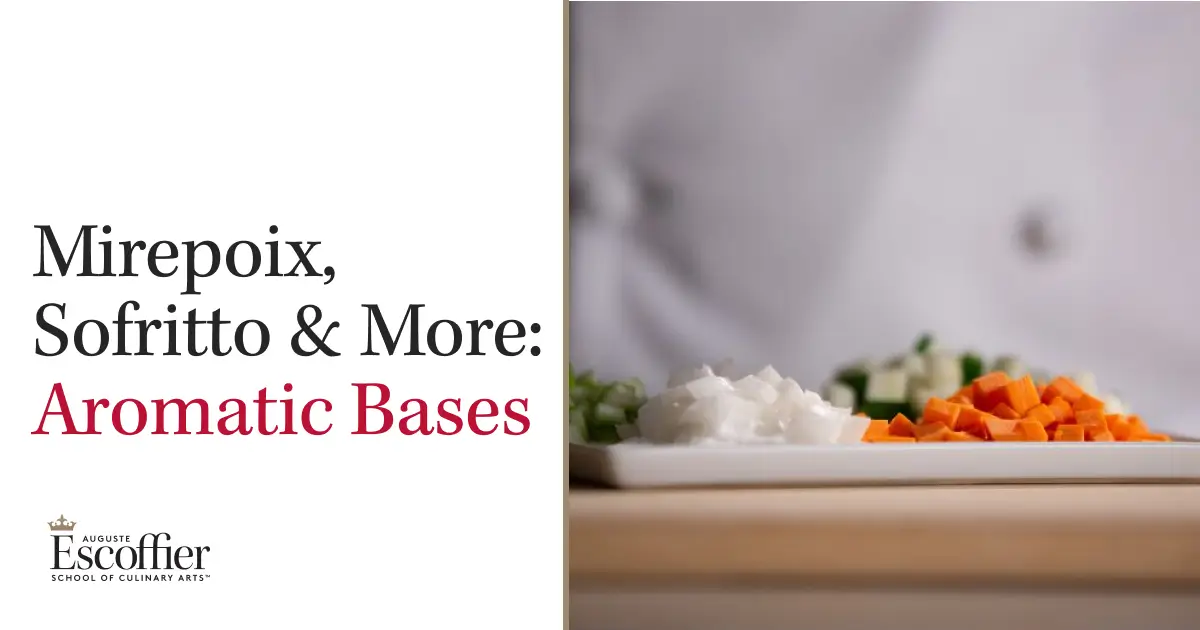
Listen to This Article: [Link if applicable, otherwise omit]
In kitchens worldwide, before the sizzle of a pan or the gentle simmer of a pot, a foundational ritual unfolds. It’s a quiet alchemy of heat and fat, transforming humble vegetables, herbs, and spices into the very soul of a dish. This initial step, often overlooked yet utterly indispensable, is the creation of an aromatic base—the unseen architect that lays the groundwork for culinary masterpieces across every culture.
From the delicate "sweating" of onions, carrots, and celery in French butter to the fiery dance of ginger, garlic, and chilies in a hot wok, these bases are more than mere ingredients. They are the linguistic roots of gastronomy, speaking volumes about a region’s history, agricultural bounty, and culinary philosophy. Understanding these diverse foundations doesn’t just expand one’s recipe repertoire; it unlocks a profound appreciation for how flavor is meticulously built, layer by aromatic layer, from the first spark of heat.
What is an Aromatic Base? The Blueprint of Taste
At its core, an aromatic base is a deliberate combination of vegetables, herbs, spices, or other fragrant components, gently (or fiercely) cooked in fat at the very beginning of a dish. This initial sauté, simmer, or fry extracts and concentrates their essential oils and soluble flavor compounds, infusing the cooking medium with a depth that will permeate the entire preparation.
The construction of every aromatic base hinges on two fundamental decisions: what you choose to cut and what you choose to cook it in. These choices are rarely arbitrary; they are the result of centuries of culinary evolution, reflecting local availability, desired flavor profiles, and traditional cooking methods.
Consider the spectrum of flavor:
- Onion, carrot, and celery offer a balanced, subtly sweet, and earthy foundation, characteristic of many Western European cuisines.
- Bell peppers or chilies, when introduced, shift the profile dramatically, introducing a vegetal brightness, a sharper edge, or even a pronounced heat.
- Ginger, garlic, and whole spices deliver a robust, assertive character, with distinct, pungent, and often complex aromatic notes that define Asian and Indian cooking.
The choice of fat is equally pivotal, acting as the primary carrier and amplifier of these nascent flavors:
- Butter imparts a creamy richness and nutty depth, a hallmark of French cuisine.
- Olive oil, prevalent in Mediterranean cooking, offers a lighter, fruitier, and more savory dimension.
- Lard provides an unparalleled depth and mouthfeel, historically significant in many traditional cuisines.
- Ghee (clarified butter), central to Indian cooking, boasts a distinct nuttiness and a high smoke point, ideal for blooming delicate spices.
- Neutral oils (like canola or grapeseed) serve a crucial role by stepping aside, allowing the unadulterated essence of the aromatics to shine through, especially in high-heat cooking.
- Palm oil, with its vibrant color and unique earthy flavor, is a cornerstone in West African culinary traditions.
Another critical distinction to grasp early on is the base’s ultimate destiny. Some aromatic bases, particularly those meant for clear stocks or refined sauces, are strained out after they’ve imparted their essence. Their work is done invisibly, leaving behind pure flavor. Others, however, are designed to remain in the finished dish, breaking down to become an integral part of its texture, color, and flavor tapestry. This distinction guides both ingredient preparation (e.g., finely minced vs. roughly chopped) and cooking technique.
A Global Lexicon of Flavor: Aromatic Bases Around the World
To truly grasp the universality and diversity of these culinary cornerstones, let’s embark on a journey through some of the most prominent aromatic bases from around the globe.
| Base | Cuisine | Key Ingredients | Fat | Technique | Stays in Dish? | Common Uses |
|---|---|---|---|---|---|---|
| Mirepoix | French | Onion, carrot, celery | Butter | Low, slow, no browning | Usually strained | Stocks, sauces, braises |
| Suppengrün | German | Leek, celeriac, carrot | Butter or neutral oil | Simmered, often whole | Strained | Broths, soups, braises |
| Soffritto | Italian | Onion, carrot, celery | Olive oil | Slow, softening/caramelizing | Yes | Ragù, sauces, stews |
| Sofrito | Spanish | Tomato, onion, garlic | Olive oil | Cooked down, jammy | Yes | Paella, stews, rice dishes |
| Recaíto | Puerto Rican | Culantro, cilantro, ají dulce | Oil/lard | Blended paste | Yes | Rice, beans, stews |
| Holy Trinity | Cajun/Creole | Onion, celery, bell pepper | Butter/lard | Sautéed, often with roux | Yes | Gumbo, étouffée, jambalaya |
| Chinese Aromatics | Chinese | Ginger, garlic, scallion | Neutral oil | High heat, fast sequence | Yes | Stir-fries, braises, soups |
| Ginisa | Filipino | Garlic, onion, tomato | Neutral oil | Sequential sauté | Yes | Everyday dishes, stir-fries, stews |
| Adu Lasan | Indian | Ginger, garlic | Ghee/oil | Fried paste | Yes | Curries, lentils, vegetable preparations |
| Tarka/Tadka | Indian | Whole/ground spices | Ghee/oil | Bloomed in hot fat | Yes | Dal, curries, vegetable dishes (often finishing) |
| Ata Lilo | West African | Peppers, tomato, onion | Palm oil | Blended then reduced | Yes | Stews, rice, braised meats |
The French Mirepoix: The Silent Backbone of Classical Cuisine
For countless culinary students, mirepoix serves as the quintessential introduction to classical French technique. Composed of a precise 2:1:1 ratio of onion, carrot, and celery, its elegance lies in its subtlety and the meticulousness of its preparation. Mirepoix is traditionally cooked slowly in butter over low heat, ensuring the vegetables soften and release their natural sugars without browning or developing color. The objective is to "sweat" the vegetables, drawing out a gentle sweetness and foundational umami that will support, rather than dominate, the final dish.
Historically, mirepoix’s primary role has been as a background player. It forms the aromatic bedrock for exquisite stocks, rich braises, and the foundational Mother Sauces like Espagnole, Velouté, and Béchamel. In many such applications, it is ultimately strained out, leaving behind its pure, concentrated flavor while maintaining the clarity and refinement of the liquid. However, in more rustic preparations like country soups or hearty stews, the mirepoix, often cut into larger dice, is left in to contribute textural complexity and a wholesome character. This adaptability underscores its enduring importance in the French culinary canon.
German Suppengrün: Earthiness from the North
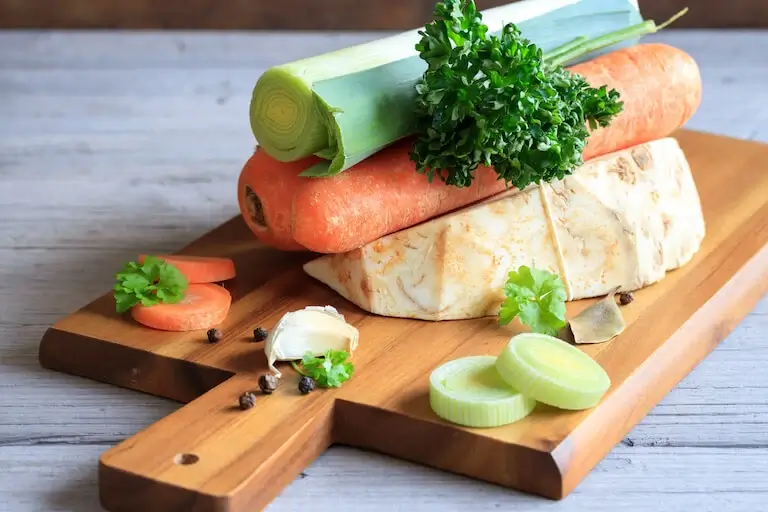
Crossing the Rhine into Germany, we encounter Suppengrün, or "soup greens," a robust aromatic base that offers a fascinating counterpoint to its French cousin. While serving a similar function—to build deep flavor for stocks, broths, and braises—Suppengrün employs a distinct palette of ingredients and a less refined approach. Typically featuring leek, celeriac, and carrot, it often includes additions like parsley root, parsley stems, and thyme, sometimes bundled together as a bouquet garni. Regional variations might even incorporate kohlrabi or savoy cabbage, reflecting the diverse agricultural landscape of Germany.
Unlike the finely diced mirepoix, Suppengrün is frequently left whole or roughly chopped. The emphasis is not on precise knife work or elegant presentation, as its ultimate fate is usually to be strained out. Instead, the focus is on extracting a profound, earthy, and slightly mineral flavor profile—a direct result of the leek’s pungent sweetness and the celeriac’s distinctive, celery-like bitterness. Cooked gently in butter or a neutral oil, then simmered for extended periods, Suppengrün lays down a clear, structured base for hearty German broths, comforting soups like Eintopf, and braised meats, providing depth without asserting itself visually on the plate.
The Italian Soffritto: The Heartbeat of Mediterranean Cooking
Journeying south into Italy, the aromatic base shifts subtly but significantly. Soffritto, meaning "to gently fry" or "under-fried," uses a combination of onion, carrot, and celery—the same trinity as mirepoix—but the choice of fat and the cooking technique transform the outcome entirely. Here, the richness of butter is replaced by the lighter, fruitier notes of olive oil, and the vegetables are typically minced rather than diced.
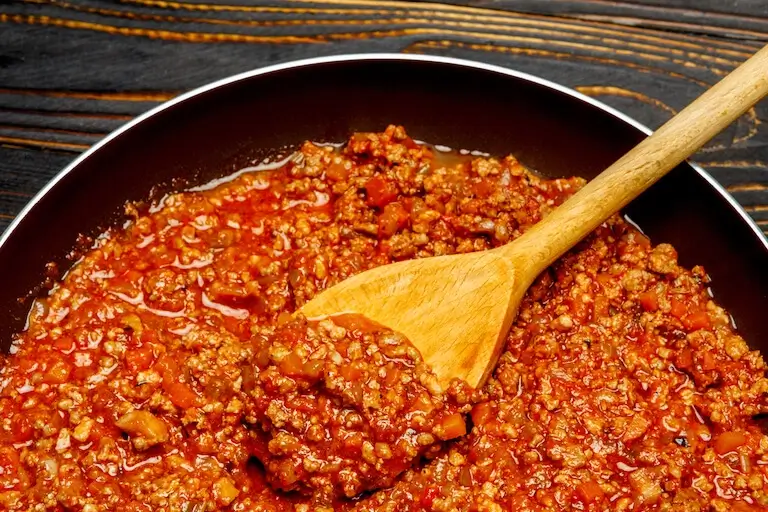
The soffritto is cooked slowly over moderate to low heat, allowing the minced vegetables to gradually soften, sweeten, and caramelize. This prolonged, gentle cooking encourages the breakdown of cell walls, releasing deeper sugars and flavor compounds. The olive oil, itself a significant flavor contributor in Italian cuisine, becomes infused with these concentrated essences, forming a savory, aromatic foundation. Unlike mirepoix, soffritto is almost always intended to remain in the dish, melting into the background of longer-cooked preparations like ragù bolognese, hearty ribollita, braised meats, and myriad tomato-based sauces. Depending on family tradition or regional variation, additions like garlic, bay leaves, or even a touch of tomato paste might be incorporated, further enriching its character.
The Spanish Sofrito: A Sun-Kissed Foundation
While sharing a linguistic root with its Italian counterpart, sofrito—the aromatic base of Spanish and Latin American cuisine—takes a decidedly different turn, primarily through the prominent inclusion of tomato. A typical Spanish sofrito combines ripe tomatoes, onions, garlic, and olive oil, often augmented by bell peppers (such as pimiento or ñora), and sometimes smoked paprika. The presence of tomato makes this a wetter, more acidic base from the outset, introducing natural sugars that intensify and caramelize during prolonged cooking.
Sofrito is cooked considerably longer than soffritto, often until the moisture has largely evaporated, and the mixture thickens into a deeply flavored, slightly jammy paste. This extended reduction process concentrates the flavors, creating a rich balance of sweetness and acidity. Olive oil is not just a cooking medium here; it’s crucial for distributing and extending the complex flavors of the aromatics, allowing the base to coat rice grains, proteins, and vegetables evenly. Sofrito is the indispensable starting point for iconic dishes like paella, various rice dishes (arroz con pollo, arroz a banda), braised meats, and numerous stews across Spain and Latin America. Its evolution across regions gives rise to diverse adaptations, each reflecting local produce and preferences, as seen in the vibrant recaíto of Puerto Rico.
Puerto Rican Recaíto: The Green, Herbaceous Heart
As the concept of sofrito traveled across the Atlantic to Latin America, it adapted and transformed, giving rise to unique regional expressions. In Puerto Rican cooking, one of the most distinctive variations is recaíto. This aromatic base stands apart from many others by its striking green hue and herbaceous character, a direct result of its key ingredients: culantro (a long, flat-leaf herb with a more pungent, assertive flavor than cilantro), fresh cilantro, ají dulce (small, sweet, aromatic peppers), garlic, and onion. Notably, recaíto traditionally omits tomato, which profoundly impacts both its flavor profile and its appearance, offering a fresher, brighter aromatic start compared to the cooked-down red bases of Spanish sofrito.
Recaíto is also prepared differently: instead of being built directly in the pan, its ingredients are typically blended into a vibrant, uniform paste before cooking. This pre-blending allows for a consistent distribution of flavor and enables cooks to add measured amounts to dishes, controlling the intensity of its herbaceous punch. In many Puerto Rican dishes, recaíto and sofrito (often called sofrito criollo in Puerto Rico, which does include tomatoes) are layered, with recaíto providing the initial fresh, green notes, and sofrito deepening the flavor with its cooked-down tomato sweetness. Lard or neutral oil are common fats, with annatto oil frequently added for its characteristic warm color and subtle peppery flavor in dishes like arroz con gandules, pernil, and a variety of beans, soups, and stews.
The Cajun Holy Trinity: The Soul of Louisiana Cuisine
The Cajun Holy Trinity is a direct descendant of the French mirepoix, yet it embodies a distinctly American spirit, forged in the fertile bayous of Louisiana. While mirepoix relies on onion, carrot, and celery, the Holy Trinity substitutes the carrot with the verdant, slightly bitter green bell pepper. This seemingly simple swap fundamentally alters the flavor profile, moving away from sweetness towards a more savory, vegetal, and assertive character.
As Chef Instructor Albert Schmid eloquently puts it, "The best description that I’ve ever heard of the difference between Cajun and Creole was by Chef Paul Prudhomme, who said Cajun was country food and Creole was city food." While both cuisines are distinct and complex, the Holy Trinity forms a unifying aromatic thread throughout them. Cajun cooking, born from rural resourcefulness, and Creole cuisine, a sophisticated urban blend of French, Spanish, African, and Indigenous influences, both rely heavily on this trinity.
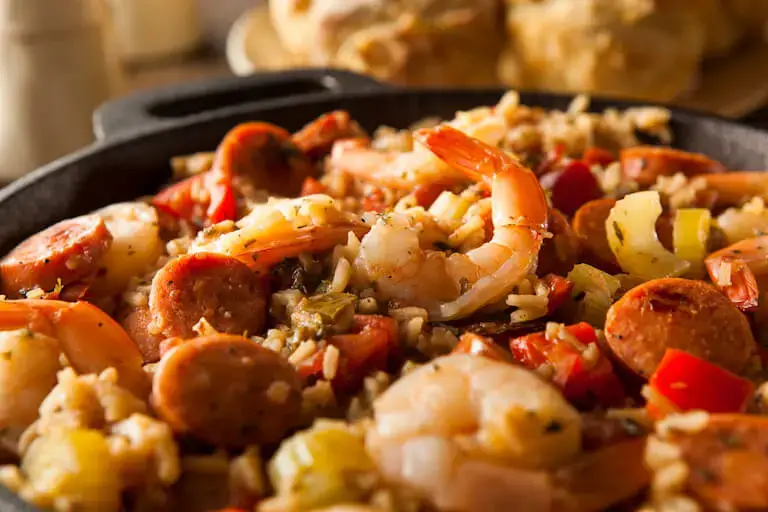
A crucial distinction from its European ancestors is that the Holy Trinity is rarely, if ever, strained out. It remains a visible and integral component of the finished dish, contributing texture, substance, and its inimitable flavor. In classics like shrimp étouffée, the Trinity is sautéed first, then often combined with a rich stock and frequently thickened with a roux—a foundational paste of flour and fat—creating a deeply layered and robust sauce. Butter or lard are the fats of choice, contributing to the profound depth of flavor. This powerful aromatic base is the non-negotiable starting point for iconic dishes such as gumbo, jambalaya, and red beans and rice, infusing them with the very essence of Louisiana.
Chinese Aromatics: The "Exploding Fragrance"
In Chinese cooking, the aromatic base is a masterclass in speed, precision, and high heat. Often referred to as the "holy trinity of Chinese cooking," it comprises ginger, garlic, and scallion. Unlike the slow, gentle preparations of European bases, this combination thrives in a hot wok, where the technique of bao xiang—"exploding fragrance"—unleashes their essential oils almost instantaneously.
When these aromatics hit hot, neutral oil (chosen for its high smoke point and minimal flavor interference), they undergo a rapid transformation. The high heat coaxes out their pungent, spicy, and earthy notes, infusing the oil with a vibrant fragrance that sets the stage for everything that follows. This step is fleeting; garlic, in particular, can quickly burn and turn bitter, necessitating constant stirring and the immediate addition of subsequent ingredients. The emphasis is on fresh, immediate flavor rather than slow, deep caramelization.
While the ginger-garlic-scallion combination is a widely shared foundation, Chinese cuisine boasts immense regional diversity. In Sichuan cooking, for example, the aromatic landscape is often dominated by doubanjiang (fermented chili bean paste), dried chilies, and Sichuan peppercorns, creating a fiery and complex base. Regardless of regional variation, bao xiang is the principle that underpins many Chinese dishes, from lightning-fast stir-fries to slow-braised meats, aromatic soups, and savory dumpling fillings, ensuring a flavor profile that is immediate, bright, and deeply defined.
Filipino Ginisa: The Everyday Essence
Ginisa, derived from the Spanish word guisar (to cook or stew), is more than just an aromatic base in Filipino cuisine; it’s a fundamental technique and a flavor profile that underpins countless everyday dishes. Typically built from garlic, onion, and tomato, ginisa reflects the historical Spanish influence on Filipino cooking, blended seamlessly with indigenous ingredients and preferences.
The preparation of ginisa is characterized by a sequential sauté, each ingredient given its moment to shine. Garlic is usually introduced first, cooked in neutral oil until lightly golden and fragrant. Onions follow, softened until translucent and sweet. Finally, the tomatoes are added, cooked down until they break apart and release their juices, forming a cohesive, savory base. This methodical layering ensures that each aromatic contributes its distinct flavor and texture without being overshadowed.
While the garlic-onion-tomato triad is common, the base is highly adaptable. For dishes like ginisang ampalaya (sautéed bitter melon) or ginisang monggo (mung bean stew), the full three-ingredient base is used. However, for preparations like adobo or tinola, the base might be leaner, focusing solely on garlic and onion, sometimes with the addition of ginger for a different aromatic lift. Ginisa is the indispensable starting point for a vast array of Filipino home-cooked meals, a testament to its versatility and comforting familiarity.
Indian Adu Lasan & Tarka/Tadka: Layers of Spice and Aroma
Indian cuisine, renowned for its intricate spice blends and aromatic depth, utilizes several distinct foundational techniques. Two paramount aromatic bases are Adu Lasan (ginger-garlic paste) and Tarka/Tadka (tempering).
Adu Lasan, from Gujarati where adu means ginger and lasan means garlic (known as adrak lasun in Hindi), is precisely what its name implies: ginger and garlic ground or pounded into a paste. This paste is typically made without water to prevent splattering when it hits hot fat, and ratios vary, often 1 part ginger to 2 parts garlic to allow the garlic to shine without being overpowered, though equal parts are also common. When introduced to hot ghee or oil, adu lasan is cooked until fragrant, releasing its sharp, pungent, and layered aroma before other ingredients are added. It serves as a powerful aromatic core for curries, dals, vegetable preparations, and braised meats, and can even be used as a pre-cooking rub for proteins.
Complementing Adu Lasan, and often used in conjunction or sequentially, is Tarka/Tadka. This technique involves blooming whole or ground spices in hot ghee or oil until they splutter, crackle, and release their essential oils, thereby tempering the fat and infusing it with their concentrated flavors. Tarka can be prepared at the beginning of a dish, forming the initial aromatic layer, or crucially, it can be added at the very end as a final flavor flourish, poured over a finished dal or curry to brighten and intensify its aroma. Common spices include cumin seeds, mustard seeds, asafoetida, dried chilies, and curry leaves. Together, Adu Lasan and Tarka create the complex, aromatic tapestry that defines the rich and diverse flavors of Indian cooking.
West African Ata Lilo: The Fiery Reduction
In West African cuisine, particularly among the Yoruba people of southwestern Nigeria, Ata Lilo stands as a vibrant and potent aromatic base. Its name, translating to "blended peppers" in Yoruba, accurately describes its initial preparation: fresh red bell peppers, fiery Scotch bonnet peppers, tomatoes, and red onions are blended into a smooth, thick mixture before they ever touch a cooking vessel. This pre-blending is a significant departure from many other global bases, yielding a uniform consistency that influences the final texture of the dish.
The blended mixture is then cooked down slowly in palm oil until much of the water evaporates and the flavors intensely concentrate. As the moisture reduces, the vibrant red color deepens, and the texture thickens into a rich, almost sauce-like consistency. Palm oil, a traditional fat in West Africa, not only provides a distinct richness and earthy flavor but also contributes its characteristic warm orange hue to the finished base. Traditionally, these ingredients were painstakingly ground on a stone slab and cooked over firewood, imparting a smoky depth that modern blending and stove-top cooking often emulate. Some variations may include ginger or garlic in the blend, depending on the specific dish.
Ata Lilo forms the spicy, acidic, and profoundly flavorful foundation for a wide array of West African stews (like Obe Ata), rice dishes (such as Jollof Rice), braised meats, and soups. Its bold character permeates the entire dish, delivering a consistent heat and depth that is unmistakably West African.
A Foundation Worth Learning: The Implications for Culinary Mastery
Every aromatic base discussed here, and countless others not mentioned, developed for profound reasons. The ingredients are a testament to what flourishes in a region’s soil; the chosen fats reflect historical availability and cultural preferences; and the techniques are the distilled wisdom of generations of cooks, meticulously honed to extract maximum flavor from the ground up.
Mirepoix is not merely a French technique; it is a culinary embodiment of French terroir, history, and values. The same holds true for ginisa, ata lilo, the Holy Trinity, and every other foundational base. To understand these bases is to gain an intimate insight into the logic and history of each cuisine. It empowers a cook to move beyond rote recipe following and to truly grasp why certain flavors work together, how they are built, and what makes a dish authentically representative of its origin.
As the legendary Chef Thomas Keller wisely observed, "Once you understand the foundations of cooking, whatever kind you like, whether it’s French or Italian or Japanese, you really don’t need a cookbook anymore." This profound liberation comes from mastering the basics. By understanding the unseen architects of flavor—these aromatic bases—cooks, both aspiring and seasoned, can approach global cuisines with greater accuracy, confidence, and respect, fostering a deeper connection to the universal language of food. The implication is clear: a solid foundation in these elemental techniques is the key to unlocking endless culinary creativity and cultural appreciation.


 Iffa Jayyana
 Ali Ikhwan