
 Dwi Wanna
 Nana Wu
 Muslim
 Reynand Wu
 Ammar Sabilarrohman
 Jia Lissa
[Listen to This Article:]
In the intensely competitive world of professional kitchens, where passion meets precision and creativity battles under pressure, a chef’s resume is far more than a mere document—it’s a meticulously plated first impression. For aspiring line cooks and seasoned executive chefs alike, navigating the journey from application to interview hinges on a resume that not only chronicles experience but actively sells potential. The modern culinary hiring landscape demands a strategic approach, where quantifiable achievements, specialized skills, and an understanding of digital gatekeepers like Applicant Tracking Systems (ATS) are paramount.
This comprehensive guide delves into the essential elements of a strong chef resume, offering a blueprint to transform your culinary journey into a compelling narrative that captivates both algorithms and human hiring managers, propelling you forward in the interview process.
The Competitive Culinary Arena: Why Your Resume is Your First Course
The culinary industry, renowned for its dynamism and high standards, presents a unique challenge for job seekers. From Michelin-starred establishments to bustling local bistros, kitchens seek individuals who embody a blend of technical mastery, leadership potential, and unwavering dedication. Yet, before a chef can showcase their artistry in a stage (culinary internship/tryout), their resume must first pass muster.
The difference between a resume that stands out and one that gets overlooked often comes down to specifics. Hiring managers are no longer content with generic task lists; they demand clear evidence of what a candidate can bring to their kitchen, demonstrated through measurable accomplishments and relevant, modern skills. Furthermore, the advent of Applicant Tracking Systems (ATS) has added another layer of complexity. These sophisticated software programs act as digital gatekeepers, filtering candidates based on keywords and formatting before a human ever reviews the application. Understanding this dual audience—the discerning human eye and the meticulous digital scanner—is the cornerstone of an effective chef resume.

Building Your Chef Resume: A Section-by-Section Guide
Creating a compelling chef resume is an exercise in strategic storytelling. Each section serves a distinct purpose, building a holistic picture of your capabilities and aspirations.
1. The Essential Contact Information: Opening the Lines of Communication
Your contact information is the gateway to an interview. It must be clear, professional, and comprehensive. Beyond your full name, include:
- Phone number: A direct line for quick communication.
- Professional email address: Avoid informal addresses; use one that reflects your name.
- Mailing address: For formal correspondence, though less critical in the digital age.
- LinkedIn profile URL: Many hiring managers now expect a professional LinkedIn presence, offering a deeper dive into your network, endorsements, and a more expansive work history.
- Portfolio link (or professional Instagram/social media links): For chefs, a visual portfolio is a powerful tool. It allows hiring managers to immediately see your plating style, consistency, creativity, and the quality of your finished dishes. Ensure any linked social media maintains a strictly professional image.
2. Crafting a Compelling Summary or Objective: Your Culinary Elevator Pitch
While not explicitly in the original table, a concise summary or objective statement at the top of your resume is a critical element for modern applications.
- For experienced chefs: A summary statement (3-4 lines) should highlight your years of experience, key areas of expertise (e.g., "results-driven Executive Chef with 10+ years specializing in farm-to-table cuisine and team leadership"), and quantifiable achievements (e.g., "proven track record of reducing food costs by 15%"). This immediately frames your value proposition.
- For new graduates or career changers: An objective statement focuses on your career goals and what you aim to contribute to the specific establishment. For example, "Highly motivated culinary graduate seeking a Line Cook position at [Restaurant Name] to apply strong foundational skills in [specific techniques] and contribute to a high-volume, quality-driven kitchen environment."
3. Highlighting Education & Certifications: The Foundation of Your Expertise
Formal culinary education and industry certifications differentiate you in a crowded field. They demonstrate a foundational understanding of culinary arts, a commitment to best practices, and a proactive approach to professional development.
- Culinary Degree or Diploma: If you possess an educational credential from a culinary arts program, feature it prominently. Include the name of the institution, the degree or diploma earned, and your graduation year. For recent graduates with limited work experience, elaborating on academic achievements like awards, scholarships, or Dean’s List recognition can help fill out your resume and showcase your dedication.
- Chef Certifications: These are crucial for demonstrating specialized knowledge and adherence to industry standards.
- Food Handler/Safety Certifications: Certifications like ServSafe are often a prerequisite for employment due to city/state regulations. Listing these shows you meet fundamental safety requirements before even being hired.
- Trade Group Credentials: Certifications from organizations like the American Culinary Federation (ACF) signify a commitment to continuous learning and professional growth, often indicating mastery in specific culinary areas. These credentials can elevate your professional standing.
4. Showcasing Work Experience & Externships: Your Culinary Journey Unfolded
This section is the heart of your resume, detailing your professional trajectory in reverse-chronological order. It’s where you move beyond merely listing duties and instead highlight your tangible impact.
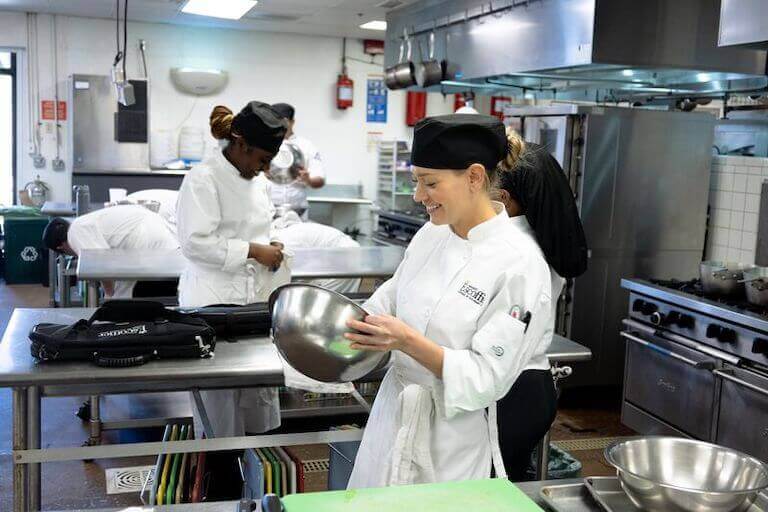
- Work Experience: For each role, include your job title, the name of the restaurant or establishment, and the dates of employment. Crucially, each bullet point under a role should focus on accomplishments rather than routine tasks. Instead of "Prepared daily mise en place," consider "Streamlined mise en place process, improving station efficiency by 10% during peak hours."
- Externships: For recent graduates, especially from programs like Escoffier, externships are invaluable. Treat your culinary externship as legitimate work experience. Include the establishment name, your role (e.g., "Culinary Extern," "Kitchen Assistant"), and specific accomplishments. This demonstrates real-world kitchen exposure and the application of academic learning. Oscar Beltran, an Escoffier student, noted how his externship at Moon Palace Resorts allowed him to apply his training directly: “The skills that I transferred from Escoffier to the hotel really helped me move up the ranks, because they saw that I knew what I was doing.” This credibility is precisely what an externship listing can convey.
5. The Power of Specific Accomplishments: Quantifying Your Impact
Hiring managers want to envision your potential contributions. This means quantifying your experience and demonstrating impact with concrete examples.
- Move Beyond Generalizations: Instead of "Managed a busy kitchen," state "Directed a team of 8 line cooks, consistently serving 200+ covers nightly with a 98% customer satisfaction rate."
- Financial Impact: "Managed a $2M annual food budget, negotiating with vendors to reduce ingredient costs by 7% without compromising quality." or "Implemented new inventory control measures, reducing food waste by 15% ($10,000 annually)."
- Operational Efficiency: "Developed and executed daily specials, resulting in a 20% increase in average check size during lunch service." or "Maintained strict time standards (6 min for appetizers, 12 min for entrees) in a high-volume environment."
- Menu Development & Innovation: "Conceived and launched a new seasonal menu, praised by critics and increasing repeat customer visits by 25%."
- Team Leadership: "Mentored and trained junior culinary staff, resulting in a 30% reduction in new hire onboarding time."
- Special Events: "Orchestrated catering for private parties of up to 500 guests, ensuring seamless execution and exceptional guest experience."
Developing a Robust Skills Section: Beyond the Knife
A well-crafted skills section immediately communicates your areas of expertise, making it easy for hiring managers to identify what you bring to their kitchen. This section should combine technical, digital, and soft skills.
- Kitchen Skills:
- Technical: Butchery (nose-to-tail), Garde Manger, Patisserie, Fermentation, Sous Vide, Molecular Gastronomy, specific cuisine specialties (e.g., French, Italian, Asian, Mediterranean).
- Management: P&L Management, Inventory Control, Food Costing, Menu Engineering, Recipe Development, Staff Training & Supervision.
- Technology Skills:
- POS Systems: Proficiency with systems like Toast, TouchBistro, Square POS, Aloha. These systems are complex, and having a team member already familiar with them is a significant asset.
- Inventory/Scheduling Apps: Skills with platforms like Plate IQ, 7shifts, or similar management software.
- Software Proficiency: Microsoft Office Suite, Google Workspace, specialized culinary software.
- Soft Skills:
- Mentorship & Team Leadership
- Composure Under Pressure
- Problem-Solving & Adaptability
- Communication (written & verbal)
- Creativity & Innovation
- Customer Service (especially for roles like sushi chefs or hibachi cooks)
Zackery Glass, an Escoffier Online Food Entrepreneurship graduate, highlighted the unexpected value of diverse skills: "Through the food photography class… I was able to level up my photography skills of my food and adding them to my resume led to me getting a better-paying sous chef job." This demonstrates how a unique skill can become a significant differentiator.
Strategies for Maximizing Impact: Tailoring and Professionalism
Beyond the content of each section, strategic presentation and adherence to best practices are crucial for a successful resume.
1. Tailoring Your Application: The Art of Customization
One of the most common resume mistakes is sending a generic document to every potential employer. A far more effective approach is to customize your resume for each specific job. The job posting itself is your best guide.
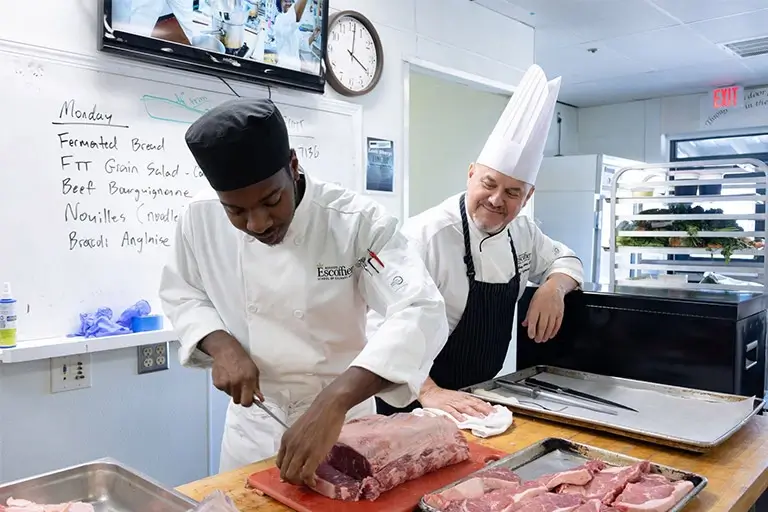
- Reverse-Engineer Your Resume: Analyze the job description for keywords, required skills, and the restaurant’s ethos. If a farm-to-table restaurant emphasizes a "nose-to-tail" approach and requires butchery skills, highlight your experience with whole animal fabrication. If an Italian restaurant specializes in fresh pasta, detail your pasta-making expertise.
- Prioritize Relevance: You have limited space. Ensure the skills and experiences you feature are directly relevant to the role you’re applying for. This increases your chances of passing ATS scans and capturing human attention.
2. Navigating Applicant Tracking Systems (ATS): Your Digital Advocate
Many restaurants and hospitality groups use ATS to filter candidates. If your resume isn’t optimized for these systems, it might never reach a human hiring manager.
- Keyword Optimization: Incorporate keywords directly from the job description naturally throughout your resume. ATS scans for these terms to determine relevance.
- Standard Formatting:
- Clean Layout: Use a simple, professional font (e.g., Arial, Calibri, Times New Roman) in a readable size (10-12pt).
- Clear Headings: Use standard headings like "Work Experience," "Education," "Skills." Avoid overly creative or graphic-heavy designs that ATS might struggle to parse.
- Bullet Points: Use clear, concise bullet points for accomplishments.
- Avoid Graphics/Tables (unless specified): While the original article included a table, for ATS strictness, some experts advise against complex tables or graphics that can confuse the system. If using a table, ensure it’s simple and the text is parsable.
- No Headers/Footers for Critical Info: Some older ATS systems might miss information in headers or footers. Keep essential contact details in the main body.
Following these ATS guidelines also makes your resume easier for human readers to scan quickly, serving a dual purpose.
3. The One-Page Rule: Brevity as a Virtue
"I would have written a shorter letter, but I did not have the time," a sentiment often attributed to Pascal or Twain, perfectly encapsulates the challenge of resume writing. For most cook and chef positions, a one-page resume is the ideal target length.
- Ruthless Editing: Hiring managers often review dozens of resumes. A lengthy, dense document can be a reason to discard an application.
- Focus on Recency and Relevance:
- Cut older experience: Generally, omit jobs from more than 10-15 years ago unless they are highly relevant to your current career goal or demonstrate unique, indispensable skills.
- Condense less relevant roles: For recent but less pertinent positions, keep details brief. Focus on your most recent roles and those that directly align with the job description.
4. Save and Send Your Resume as a PDF: Professional Polish
Always save and send your resume as a PDF file. Word processing formats (like .doc or .docx) can undergo formatting changes depending on the device or software used to open them, potentially making your resume appear messy or unprofessional. A PDF ensures your carefully crafted document displays exactly as intended, maintaining its professional integrity across all platforms.
Expert Insights & Real-World Impact: Amplifying Your Professional Brand
The value of a well-crafted resume extends beyond its immediate purpose of securing an interview; it’s an integral part of building your professional brand.
Brian Blum, a recruiter with Gecko Hospitality, emphasizes the importance of a robust online presence: "As far as LinkedIn goes, make sure you have a vibrant LinkedIn page. Any time you cook something, take a picture of it. Pop it on your LinkedIn page. Make a post. Explain: This is the dish; this is who I made it for. I was catering a party of 400 today and here is some of the food we presented. Put it all up there. Let the world know what you’re doing."
This advice underscores that your resume is part of a larger digital ecosystem. A professional website or online portfolio, showcasing signature dishes, menu designs, or catered events, further reinforces your capabilities. Even a professional Instagram account, curated to highlight your culinary work, can serve as a powerful visual extension of your resume, provided it maintains a polished, employer-appropriate image.
The Long-Term Implications of a Strategic Resume: Investing in Your Culinary Career
Creating an effective chef resume is a strategic investment in your culinary career. It’s not just about getting the next job; it’s about establishing a professional identity that will serve you throughout your journey. A strong resume:
- Maximizes Interview Opportunities: It increases your chances of passing ATS filters and capturing the attention of hiring managers, leading to more interviews.
- Highlights Your Unique Value: By focusing on accomplishments and tailored skills, it clearly communicates your distinct contributions to a kitchen.
- Builds a Professional Narrative: It helps you articulate your career progression, your learning journey, and your aspirations in a coherent and compelling manner.
- Accelerates Career Growth: A resume that effectively showcases your potential can open doors to more advanced roles, better opportunities, and higher compensation.
Your resume is your first, and often only, chance to make a powerful impression. By being strategic about its content, presentation, and customization, you can significantly enhance your prospects in the dynamic culinary industry.
If you need guidance refining your resume or preparing for your job search, Escoffier students and graduates can access Career Services for expert resume writing assistance and interview preparation. For those not yet enrolled, contacting the Admissions Department can reveal how culinary programs can provide the foundational skills and real-world experience needed to build a standout resume and achieve your culinary career goals.

FAQs
Q: What are the essential components of a strong chef resume?
A: A strong chef resume typically includes comprehensive contact information (including professional digital links), a compelling summary or objective, detailed culinary education and certifications, work experience highlighted with specific, measurable accomplishments (rather than generic tasks), and a robust skills section showcasing technical, digital, and soft skills. Quantifying your impact—such as covers served, event sizes managed, or cost reductions achieved—is crucial for making your contributions tangible.
Q: What specific skills should a chef include on their resume?
A: Relevant skills vary by experience level. Newer cooks might emphasize foundational skills like food safety and sanitation, various knife skills, basic cooking techniques, and food cost analysis. More experienced candidates should include proficiency with specific POS systems (e.g., Toast, TouchBistro), specialty equipment (e.g., smokers, dehydrators, combi ovens), advanced culinary techniques, specific cuisine expertise, and leadership or customer-facing skills if applicable. The skills section is an excellent place to integrate valuable knowledge that might not fit seamlessly into your work history.
Q: How long should a chef’s resume be?
A: For most cook and chef positions, a resume should ideally fit on a single page. Hiring managers often review numerous applications and appreciate concise, well-organized documents. To achieve this, be ruthless with editing: cut jobs from more than 10-15 years ago, and keep details brief for less relevant positions. Focus on providing the most detail for your recent roles and those that most closely align with the specific job you’re applying for.
Q: How can new culinary graduates create a strong resume with limited work experience?
A: New graduates should prominently feature their culinary education, including any awards, scholarships, or academic distinctions. Crucially, treat any industry externship as relevant work experience, detailing the establishment name, your role, and specific accomplishments or skills gained. This demonstrates real kitchen exposure and practical application of your training, bridging the gap between academic learning and professional readiness.

Q: Is a culinary degree or diploma truly necessary for a chef’s resume?
A: While not always strictly necessary, a culinary degree or diploma can be a significant differentiator. It signals a structured learning foundation, a broad skill set, and a commitment to the craft that can make you stand out against candidates without formal training. Many culinary programs, like Escoffier’s, also incorporate hands-on industry externships, providing graduates with verifiable professional kitchen experience to include on their resume right from the start of their careers.


 Iffa Jayyana
 Ali Ikhwan