

 Ammar Sabilarrohman
 Dwi Wanna
 Nana Wu
 Neng Nana
 Nana
Nana Asro
Asro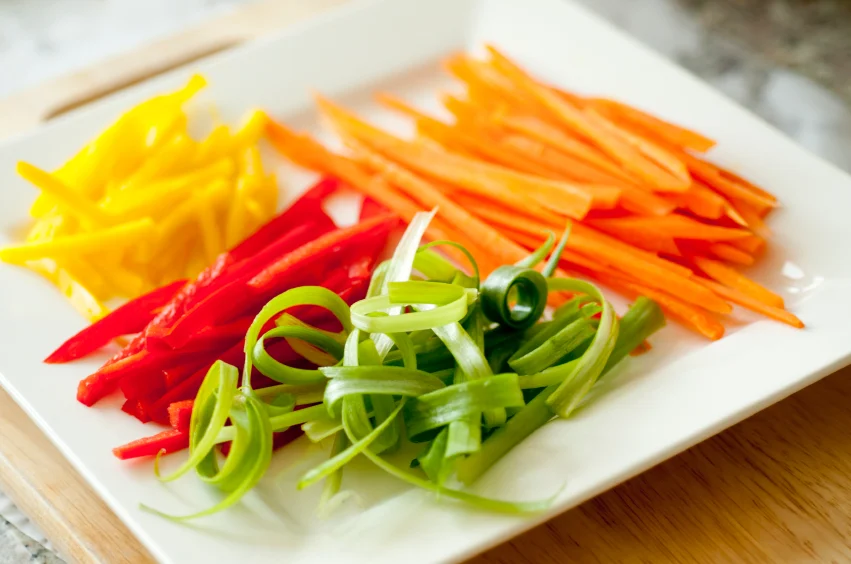
In the bustling world of professional kitchens and the increasingly adventurous realm of home cooking, the humble kitchen knife stands as an indispensable tool. Yet, for many beginning cooks, its true versatility and the profound impact of mastering its use remain largely unexplored. Beyond mere cutting, proficient knife skills – encompassing techniques like mincing, dicing, chopping, julienning, and chiffonade – are the bedrock of culinary excellence, dictating everything from food safety and kitchen efficiency to the ultimate flavor and presentation of a dish.
The journey from a hesitant novice to a confident culinarian often begins and is continually refined through the precise command of a blade. These are not just mechanical actions; they are an art form, a dance between chef and ingredient, honed through years of dedicated practice and an unwavering commitment to precision. As the American Heart Association emphasizes, understanding the differences between these fundamental knife skills is the first step on a culinary path that promises both safer cooking and superior results.
The Foundation: Understanding Your Tools and Safety Protocols
Before delving into the specifics of various cuts, a foundational understanding of the primary tool itself – the knife – and the paramount importance of safety is essential. A chef’s relationship with their knife is intimate; it is an extension of their hand, and its effective use relies heavily on proper selection, maintenance, and handling.
Anatomy of a Culinary Blade
While a myriad of specialized knives exists, the core repertoire typically includes:
- The Chef’s Knife: Often considered the workhorse of the kitchen, this all-purpose knife typically ranges from 6 to 12 inches and features a broad, curved blade, ideal for rocking cuts, chopping, dicing, and mincing.
- The Paring Knife: A smaller, short-bladed knife (2-4 inches) designed for intricate tasks like peeling, trimming, and creating decorative garnishes.
- The Utility Knife: A versatile mid-sized knife (4-7 inches) bridging the gap between a chef’s knife and a paring knife, suitable for tasks that require more precision than a chef’s knife but are too large for a paring knife.
- The Cleaver: A heavy, rectangular-bladed knife, primarily used for chopping through bones and tough cuts of meat, though it can also be used for large vegetable chopping.
- The Santoku Knife: A Japanese-style knife with a flatter blade profile and a "sheepsfoot" tip, often featuring a Granton edge (indentations along the blade) to prevent food from sticking. It excels at slicing, dicing, and mincing.
Each knife comprises a blade, the sharp cutting surface; a bolster, the thick junction between the blade and handle, providing balance and finger protection; a handle, the grip; and a tang, the part of the blade that extends into the handle, crucial for durability and balance. A full tang, where the blade metal extends the full length and width of the handle, is generally indicative of a higher quality and more durable knife.
Essential Knife Maintenance
A sharp knife is not only more efficient but also significantly safer. Dull knives require more force, increasing the risk of slippage and injury.
- Sharpening: This process removes microscopic amounts of metal from the blade to create a new, sharper edge, typically done periodically with whetstones or sharpening systems.
- Honing: Performed frequently with a honing steel, this realigns the microscopic irregularities of the blade’s edge, maintaining its sharpness between full sharpening sessions.
- Proper Storage: Knives should be stored in a block, on a magnetic strip, or in a knife roll to protect the blade and prevent accidents. Dishwashers can dull blades and damage handles, so hand-washing and immediate drying are recommended.
Prioritizing Safety: The Unnegotiable First Step
No discussion of knife skills is complete without an emphatic focus on safety. Accidents are preventable, and adherence to simple rules can save fingers and prevent serious injury.
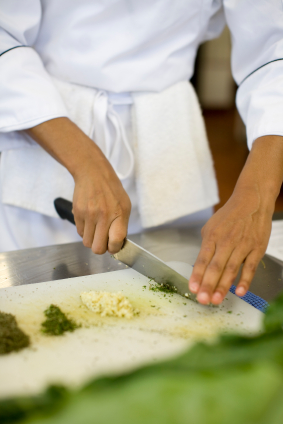
- The "Claw Hand" Technique: This fundamental grip, often taught on day one of culinary school, is paramount. When holding an ingredient, curl your fingers inward, tucking your fingertips behind your knuckles. Your knuckles then act as a guide for the blade, keeping your fingers safely away from the cutting path. Your thumb should be tucked behind your curled fingers, providing support. This technique reduces the risk of injury by removing your fingers from the immediate dicing or chopping area.
- Stable Cutting Surface: Always work on a stable, non-slip cutting board. Placing a damp cloth or non-slip mat underneath the board prevents it from sliding, providing a secure foundation for precise cuts.
- Awareness of Surroundings: Be mindful of where your knife is at all times. Never leave a knife submerged in soapy water where it cannot be seen, and always pass a knife handle-first to another person.
- Handling Dropped Knives: If a knife falls, step back and let it drop. Attempting to catch a falling knife is a common cause of severe injury.
- Keeping Knives Sharp: As counter-intuitive as it may seem, a sharp knife is safer than a dull one. A sharp blade cuts cleanly and predictably, requiring less force and reducing the chance of slipping.
Decoding the Cuts: A Chronological Progression of Core Techniques
Mastering knife skills involves a logical progression, starting with broader, more foundational cuts and advancing to finer, more specialized techniques. Each cut serves a distinct purpose, influencing cooking time, texture, and flavor release.
Chopping: The Versatile Workhorse
Chopping is arguably the most fundamental and versatile technique. It involves cutting ingredients into relatively large or medium, irregularly shaped pieces. This technique works well with a chef’s knife or a cleaver and is ideal for ingredients destined for long cooking processes, such as stews, soups, or mirepoix (a aromatic base of diced carrots, celery, and onions).
Technique: To chop effectively, hold the knife’s handle securely with your dominant hand. If using a cleaver for larger items, some chefs place their non-dominant hand on the dull top side of the blade near the tip to add control and leverage, especially for tougher vegetables like squash. The motion is typically a robust up-and-down, or a rocking motion where the tip remains on the board while the heel moves up and down. The "claw hand" is crucial here, guiding the blade and protecting your fingers. For speed and efficiency, especially with larger quantities of vegetables like onions, the chopping motion can be quite rhythmic. While the cut is less precise than dicing, consistency in size is still important for even cooking.
Dicing: Precision in Cubes
Dicing is a subcategory of chopping, distinguished by its emphasis on creating uniformly sized, small, cubic pieces. This precision ensures even cooking and a refined presentation. Dicing is commonly applied to vegetables like potatoes, carrots, bell peppers, and onions, where a consistent texture and appearance are desired.
Technique: The dicing process often begins by first squaring off the ingredient to create flat surfaces, making it easier to cut into even planks, then strips, and finally cubes. For example, to dice an onion, it is typically halved, peeled, and then scored lengthwise and crosswise before horizontal cuts are made. Smaller knives can be used for this technique, though skilled chefs can dice with larger chef’s knives or even cleavers. A Granton edge, with its characteristic indentations, can be particularly helpful for dicing starchy vegetables like potatoes, as it helps prevent food from sticking to the blade, facilitating smoother, more consistent cuts. As with all cuts involving holding the ingredient, the "claw hand" technique is critical to prevent injury. The goal is consistent, uniform cubes, whether a large dice (approx. ¾ inch), medium dice (½ inch), or small dice (¼ inch).
Mincing: Unleashing Intense Flavor
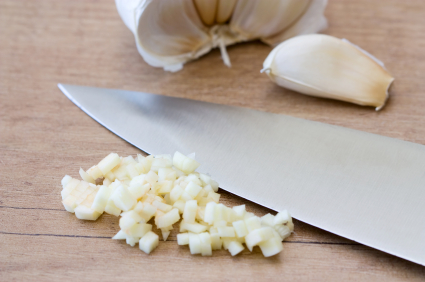
Mincing provides the finest possible cut for ingredients, yielding finely cut chunks that almost resemble a paste. This technique is primarily used for aromatics like garlic, ginger, shallots, and herbs, where the goal is to maximize surface area, thereby intensifying flavor release into a dish.
Technique: The proper mincing technique varies slightly depending on the ingredient. For garlic, which is a classic ingredient for mincing, begin by peeling and crushing the cloves lightly to release their oils. Using a knife with a thin, sharp blade, slice the garlic into thin strips, running from the head to the root. Then, turn the strips at a 90-degree angle and cut them into tiny pieces. A common method involves a repetitive rocking motion, with the tip of the blade remaining on the board while the heel is lifted and lowered, gradually working across the ingredient until it reaches the desired fineness. For herbs, a fine chop often suffices, but for maximum flavor infusion and an almost undetectable texture, mincing is preferred. The goal is a consistent, almost paste-like consistency, allowing the ingredient’s full aromatic potential to be unlocked.
Julienning: The Art of Slender Strips
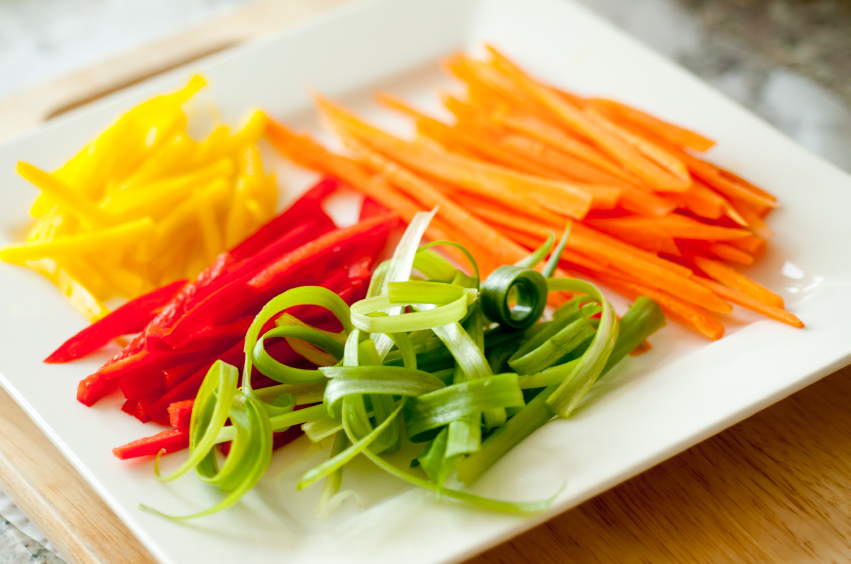
Julienning, a technique often associated with French cuisine, creates long, thin, matchstick-sized strips of an ingredient. While most commonly applied to vegetables for salads, stir-fries, or garnishes, this skill can be translated to preparing other ingredients such as fish, meat, and cheese. The uniform strips ensure even cooking and add an elegant visual appeal and textural contrast to dishes.
Technique: To julienne properly, a chef’s knife is typically used. Begin by creating a stable, rectangular block from the ingredient. For instance, with a carrot, cut off four sides to create a flat, easy-to-work-with block. Then, cut the ingredient into uniform, lengthwise sections approximately 1/8 inch thick. Do not "chop" straight down; instead, use a smooth, rocking motion that allows the knife’s blade to move easily through the vegetable. Stack these sections on top of each other and use the same rocking technique to cut them again into 1/8-inch-thick sticks. This produces long, slender cuts, usually about 1-2 inches in length. Precision and uniformity are key for perfect julienne.
Chiffonade: Delicate Ribbons of Flavor
"Chiffonade," a French word meaning "made of rags," is a delicate technique primarily used for cutting leafy herbs and vegetables, such as basil, mint, spinach, or kale, into fine ribbons. This method not only creates an attractive garnish but also allows for even distribution of the herb’s flavor without the texture being overwhelming.
Technique: To chiffonade basil leaves, for example, stack several leaves neatly on top of each other. Roll the stacked leaves tightly into a tube, resembling a small green cigar. Then, using an extremely sharp knife, make very thin crosswise cuts across the rolled leaves. Employ the same rocking motion used in julienning, allowing the blade to glide through the delicate leaves rather than crush them. This will produce beautiful, short, uniform shreds of the herb, perfect for sprinkling over pasta, pizza, or salads. The sharpness of the knife is crucial here; a dull knife will bruise and tear the leaves, leading to discoloration and a diminished flavor.
Beyond the Basics: The Path to Professionalism (Supporting Data & Official Responses)
While these five techniques form the core of basic knife skills, the world of culinary arts offers a vast array of more advanced cuts like brunoise (tiny cubes, often from julienned vegetables), paysanne (thin, square or triangular cuts), and tourné (a seven-sided, football-shaped cut for vegetables), each demanding even greater precision and practice.
Culinary schools worldwide, from Le Cordon Bleu to the Culinary Institute of America, dedicate significant curriculum time to knife skills. Students spend countless hours practicing on potatoes, onions, and carrots, developing the muscle memory and dexterity required for consistent, high-quality results. Renowned chefs often state that a chef’s knife is an extension of their hand, and that mastery comes only through relentless repetition. As Chef Emeril Lagasse famously stated, "You don’t learn how to cook overnight, and you don’t learn how to use a knife overnight."
The concept of "mise en place" (French for "everything in its place") is intrinsically linked to knife skills. It’s the practice of preparing all ingredients—chopping, dicing, mincing—before cooking begins. This meticulous organization, made possible by efficient knife work, is a hallmark of professional kitchens, ensuring smooth service and reduced stress during peak hours. Expert culinary instructors consistently emphasize that consistency in cuts is not just for aesthetics; it is vital for ensuring that all ingredients cook evenly and reach their optimal texture and flavor simultaneously. This commitment to precision is what distinguishes a competent cook from a true culinary artist.
The Profound Implications of Knife Skill Mastery
The investment in mastering knife skills yields far-reaching benefits, impacting every facet of the cooking process and the final culinary outcome.
Elevated Culinary Outcomes
- Uniformity in Cooking: Consistent cuts mean ingredients cook at the same rate, preventing some pieces from being overcooked while others remain raw. This is crucial for dishes where texture is paramount, such as stir-fries, sautés, or roasted vegetables.
- Enhanced Flavor and Texture: Mincing aromatics maximizes flavor release. Dicing vegetables evenly ensures a pleasing mouthfeel. Julienned items offer a distinct textural contrast. These subtleties elevate the overall sensory experience of a dish.
- Aesthetic Appeal: In professional and home cooking alike, presentation matters. Uniform, cleanly executed cuts transform simple ingredients into visually appealing components, reflecting care and skill.
Maximized Kitchen Efficiency and Safety
- Reduced Prep Time: With practiced knife skills, preparation becomes significantly faster. This efficiency is invaluable in busy kitchens and for home cooks juggling multiple tasks.
- Minimized Waste: Precise cutting techniques reduce trim and waste, ensuring that more of the ingredient is utilized effectively.
- Significantly Fewer Accidents: As discussed, a sharp knife handled with proper technique, especially the "claw hand," drastically reduces the risk of cuts and injuries, making the kitchen a safer environment for everyone.
A Gateway to Culinary Confidence and Creativity
- Empowerment for Home Cooks: Mastering these foundational skills empowers home cooks to tackle more complex recipes with confidence, expanding their culinary repertoire and making cooking a more enjoyable and less intimidating activity.
- Career Advancement for Professionals: For aspiring chefs, proficient knife skills are non-negotiable. They are a fundamental requirement for entry into professional kitchens and a benchmark for skill assessment and career progression.
- Foundation for Advanced Techniques: The discipline and precision developed through basic knife skills serve as a robust foundation for learning more intricate cooking techniques and creative culinary endeavors.
Conclusion: The Unending Journey of the Blade
The journey to culinary mastery is a continuous one, and at its heart lies the profound relationship between a chef and their knife. From the initial hesitant chops of a beginner to the swift, precise movements of a seasoned professional, the development of knife skills represents not just technical proficiency, but a deep respect for ingredients, a commitment to safety, and an unwavering pursuit of culinary excellence. These basic skills—mincing, dicing, chopping, julienning, and chiffonade—are far more than mere mechanical actions; they are the essential language of the kitchen, enabling cooks of all levels to transform raw ingredients into dishes that delight the senses and nourish the soul. Embracing and perfecting these skills is an essential, enriching step for every individual who wields a blade in the pursuit of delicious food.

 Asep Darmawan
 Sagoh
Sagoh
