 Dwi Wanna
 Nana Wu
 Muslim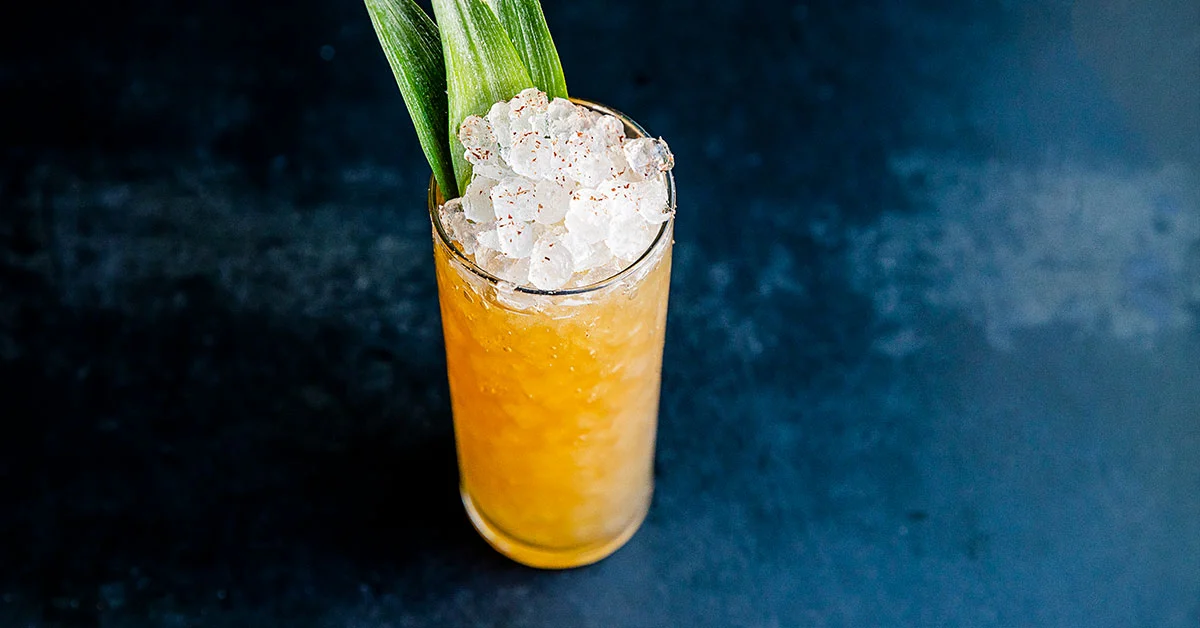
 Reynand Wu
 Ammar Sabilarrohman
 Jia Lissa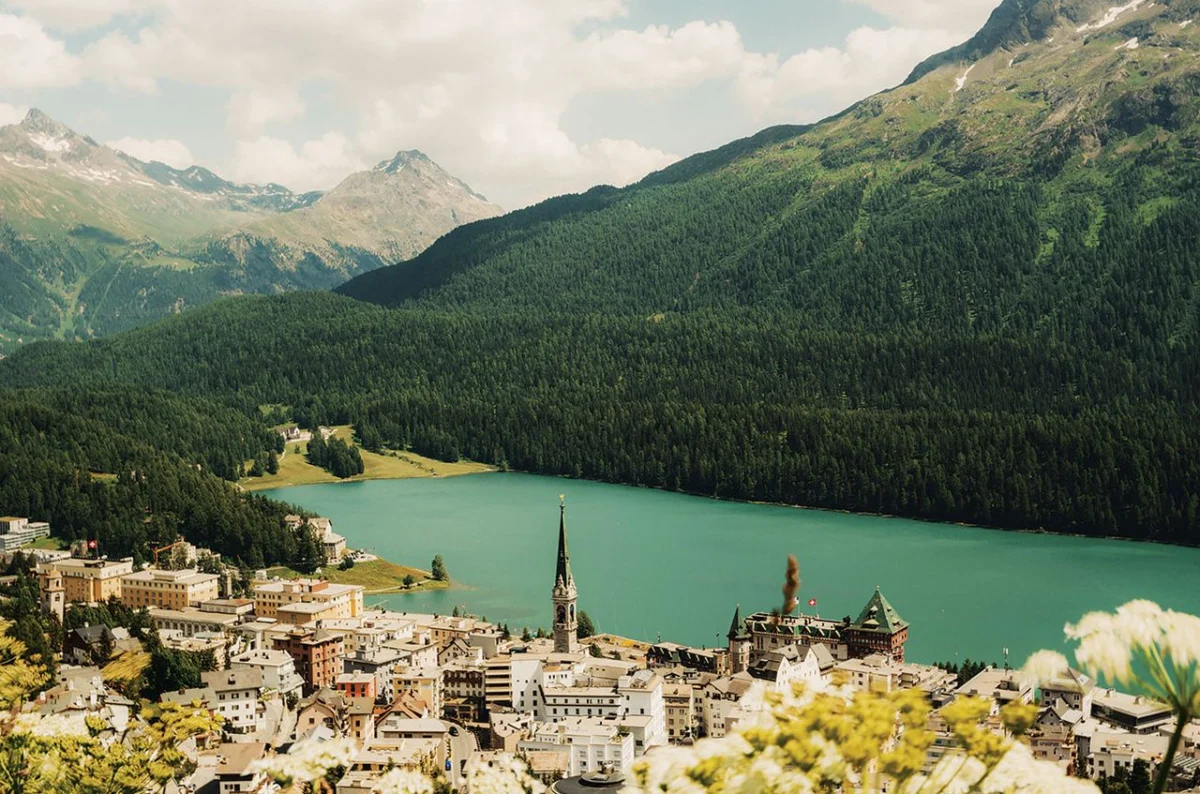
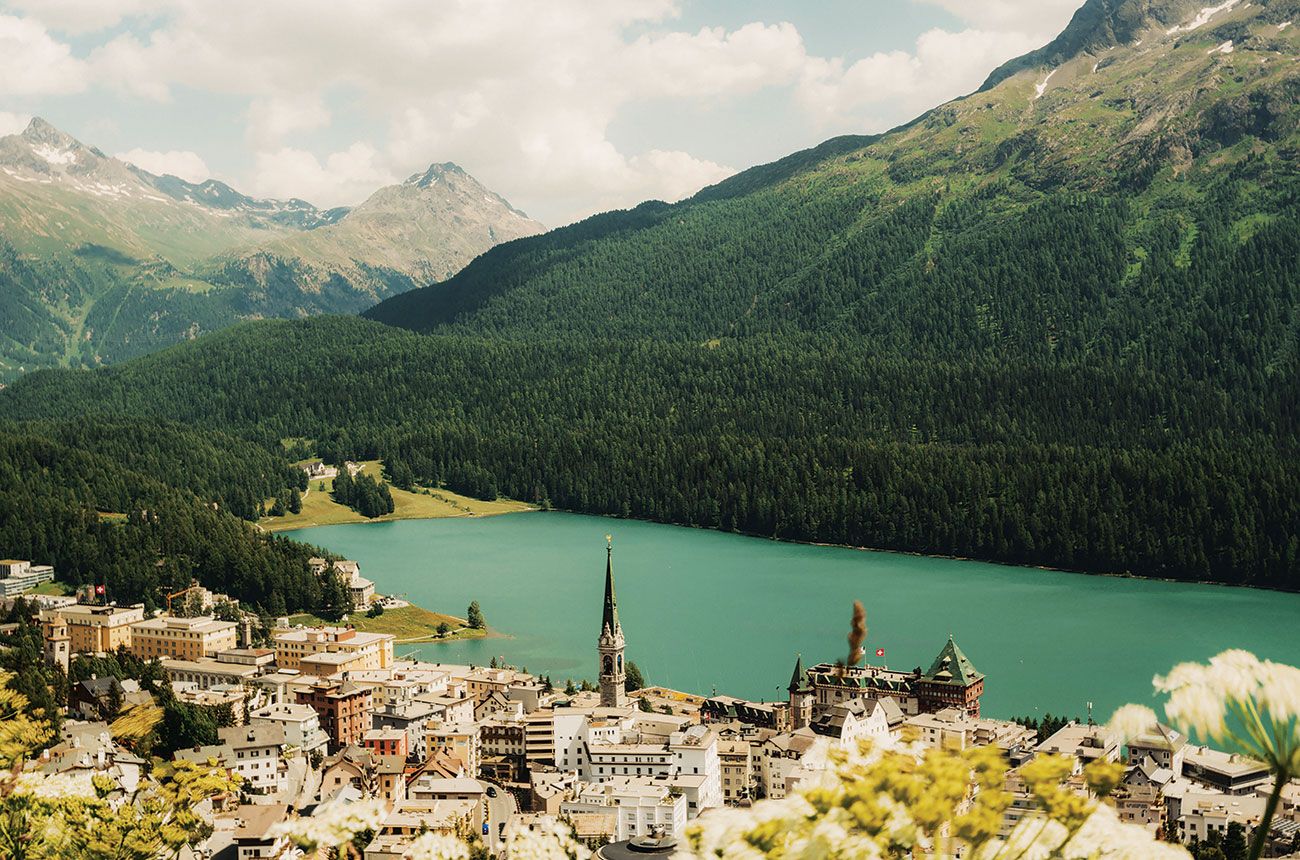
For many, the name "St. Moritz" is synonymous with the glint of sunlight on freshly groomed ski runs and the rhythmic scrape of edges against hard-packed snow. Yet, as the climate shifts and the allure of high-altitude tranquility grows, the Engadine Valley is experiencing a profound renaissance. At the heart of this transformation sits the Badrutt’s Palace Hotel, a grand dame of the Alps that has spent 130 years proving that its appeal is far from seasonal.
When the snow melts and the larch forests of the Upper Engadine trade their white cloaks for a vibrant tapestry of stone pines and wildflowers, the valley reveals a different character. Here, the air is not just cold; it is crisp, rejuvenating, and deeply oxygenated—a welcome, cool refuge from the stifling heat waves that have become a hallmark of Mediterranean summers.
Main Facts: A Legacy in Stone and Service
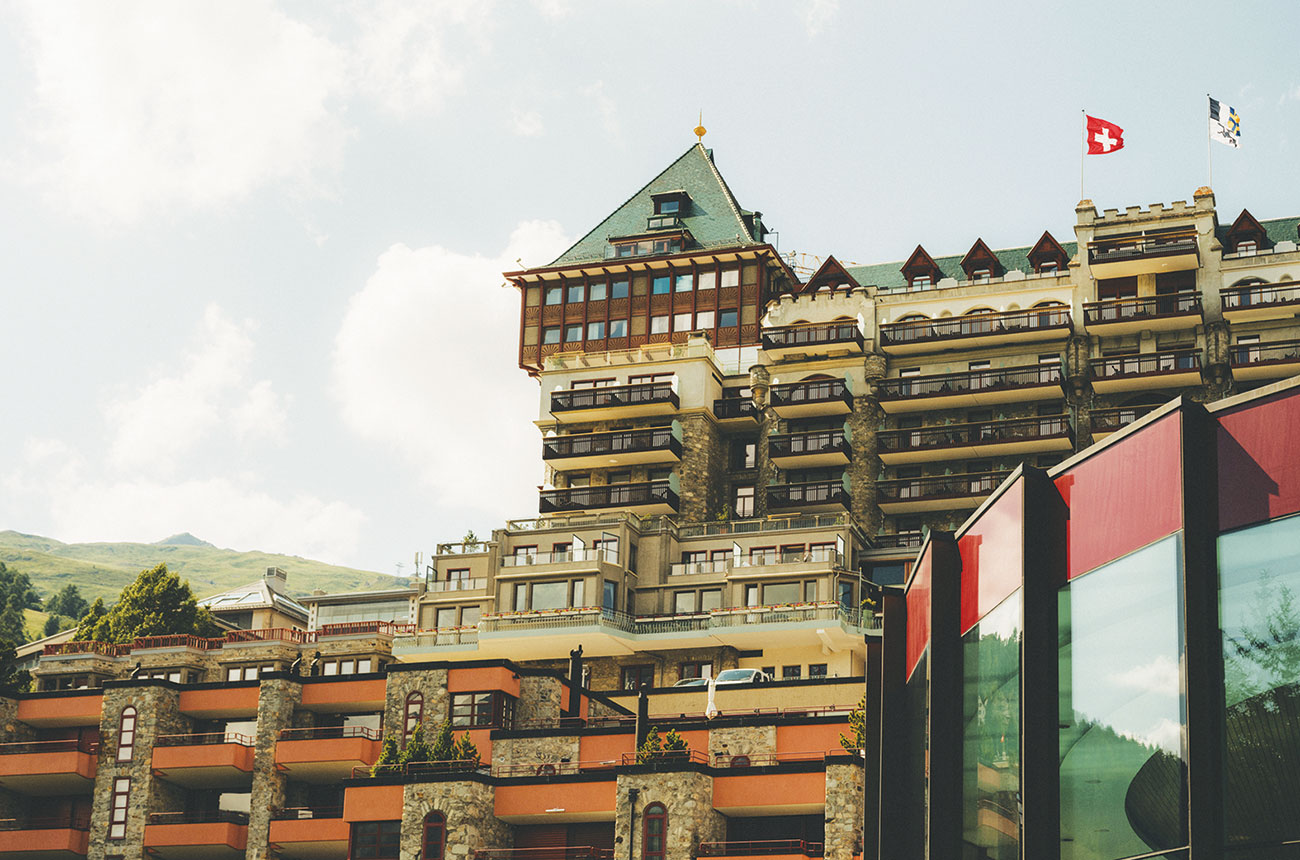
Badrutt’s Palace is more than a hotel; it is an architectural manifesto of the Belle Époque. Perched at an altitude of 1,850 meters (6,053 feet) overlooking the glass-like surface of Lake St. Moritz, the hotel remains a bastion of Gothic Revival grandeur.
Since its inception in 1896, the hotel has been a magnet for the global elite. The guestbook reads like a history of the 20th and 21st centuries, featuring names as diverse as Alfred Hitchcock—who famously favored the hotel for its cinematic atmosphere—King Charles, and the late Elizabeth Taylor. With 159 rooms in the historic main building and an additional 25 in the sleek, contemporary Serlas Wing, the property balances the weight of history with the demands of modern luxury, boasting a state-of-the-art spa and a culinary program that spans 11 distinct venues.
Chronology: From Winter Pioneer to Year-Round Icon
The story of the Badrutt family is the story of St. Moritz itself. In the late 19th century, Johannes Badrutt made a wager with his summer guests, promising that the winter sun in the Engadine was warm enough to allow for pleasant outdoor activity. He was right, and his son, Casper Badrutt, turned that insight into the Badrutt’s Palace Hotel, effectively inventing the concept of the winter mountain holiday.
- 1896: The hotel opens its doors, establishing the template for high-altitude luxury hospitality.
- Early 20th Century: St. Moritz becomes the playground of European royalty and the burgeoning film industry, with Badrutt’s Palace serving as the unofficial clubhouse.
- Mid-20th Century: The hotel solidifies its reputation as a global hub for the ultra-wealthy, attracting fashion titans and captains of industry, including the Heineken family and Ingvar Kamprad.
- Modern Era: Recognizing the shift in luxury travel patterns, the hotel pivots to highlight the "Green Season." Investment in infrastructure, such as the expansive spa and the curated "Palace Summer" activities, ensures that the property is as relevant in August as it is in January.
Supporting Data: The Logistics of Elite Travel
The exclusivity of Badrutt’s Palace is reflected in how its guests arrive. While the road journey from Milan Malpensa—winding through the scenic Lake Como region and ascending the dramatic hairpin bends of the Maloja Pass—is a highlight for those seeking a grand entrance, it is not the primary mode of transit for the hotel’s clientele.
Approximately 80% of guests bypass commercial hubs entirely, opting for private aviation. They land at Samedan Airport, one of the world’s highest and oldest runways, located a mere three miles from the hotel’s front steps. This seamless integration of logistics allows guests to transition from the urban sprawl of London or Dubai to the silence of the Swiss Alps in a matter of hours.
Culinary Excellence and the Art of the Cellar
The dining landscape at Badrutt’s Palace is a microcosm of its broader philosophy: bridge the gap between tradition and innovation. The "Grand Hall," widely considered the living room of St. Moritz, serves as the central hub for this lifestyle. Guests gather here from dawn until late at night, moving seamlessly from morning espresso to mid-day Champagne—curated from a selection of 80 different producers—and finally to evening cocktails.
A Hidden History in a Bottle
The hotel’s wine cellar is a vault of liquid history. Containing some 35,000 bottles, it represents the third-largest wine list in Switzerland. Head Sommelier Cristina Iuculano oversees this collection, guiding guests through candlelit tours that reveal rarities like the 1900 Château Lafite.
The hotel’s commitment to the craft is perhaps best exemplified by the Renaissance Bar. Here, mixologist Matteo Oddo has revitalized the menu using a "secret cache" of spirits—ports, whiskies, and brandies—discovered behind a false wall in the cellar. The resulting cocktails, such as the "Palace Side-Sledge" (a £132 riff on a Sidecar using 1960 vintage Cognac), serve as a liquid bridge to the past.
Dining Highlights
The dining experience extends far beyond the wine cellar. Notable culinary engagements include:
- King’s Social: A nightclub and dining space with a menu curated by British chef Jason Atherton, blending high-energy social interaction with refined gastronomy.
- The Krug Stübli: A sheepskin-decked, intimate space dedicated to the art of pairing canapés with the world’s most prestigious Champagne.
- Mountain Gastronomy: The hotel curates elevated picnic experiences on the slopes of Corviglia Mountain, featuring local treasures like Engadiner Bergkäse cheese and artisanal bread from the famous Eigenbroetler bakery, paired with Pinot Noir from the nearby Bündner Herrschaft region.
Official Responses and Perspectives
Management at Badrutt’s Palace emphasizes that the shift toward summer tourism is not merely a survival tactic, but a strategic evolution. "Our guests are increasingly looking for ‘slow luxury’," notes a spokesperson for the property. "They want the mountain air, the ability to hike without crowds, and the intellectual engagement of understanding the terroir of Swiss wines."
This sentiment is echoed by Iuculano, who views the wine program as a form of cultural diplomacy. "It is not just about the label on the bottle," she explains. "It is about connecting our guests to the 60 or so producers we support in Switzerland. We are showcasing the identity of this region."
Implications: The Future of Alpine Tourism
The implications of the "Summer at the Palace" model are significant for the broader Alpine region. As southern European beaches face increasing environmental strain from rising temperatures, the mountains are poised to become the new summer sanctuary for the affluent traveler.
However, this transition requires a delicate touch. Badrutt’s Palace has succeeded because it does not attempt to change its nature to suit the season. It remains a bastion of old-world charm—heavy on chandeliers, marble, and antiques—while quietly layering in the modern, sustainable, and active experiences that contemporary travelers demand.
By focusing on the unique biodiversity of the Engadine, the rarity of its cellar, and the sheer historical weight of its location, the hotel has managed to transcend the seasonal calendar. It offers a promise that the Alps are not just a place to ski, but a place to exist in a state of elevated, year-round refinement. Whether one is watching a Golden Eagle soar above the Corviglia slopes or nursing a vintage cognac in the Renaissance Bar, the message remains the same: the grandeur of the Badrutt’s Palace is, like the mountains themselves, constant.

 Iffa Jayyana