

 Dwi Wanna
 Nana Wu
 Muslim
 Reynand Wu
 Ammar Sabilarrohman
 Lina Hope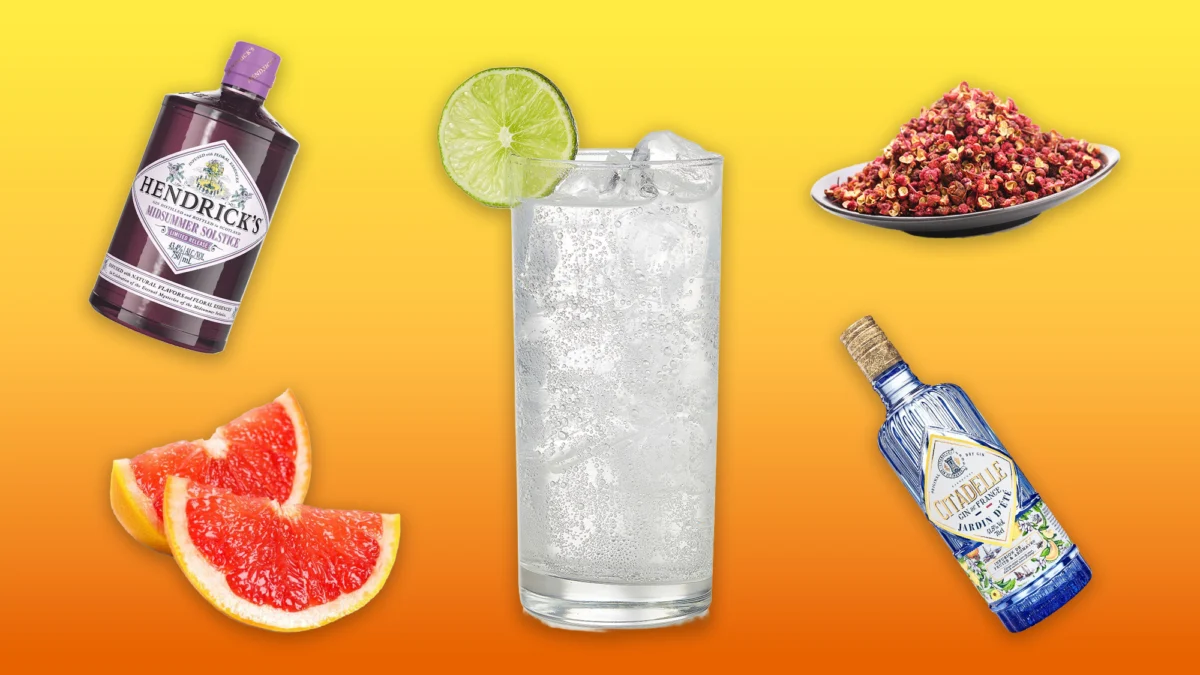
The Gin & Tonic is the cornerstone of home bartending. It is a drink of profound simplicity—a highball defined by its lack of pretense, its rapid assembly, and its refreshing, botanical character. For decades, it has served as the "default" cocktail: a measure of gin, a pour of tonic, a wedge of citrus, and a handful of ice. While its minimalist nature is its greatest strength, it is also its primary limitation. The G&T is often viewed as a finished product, a static formula that requires no further thought.
However, beneath the surface of this classic lies a vast, untapped potential. The interplay between gin’s earthy, juniper-forward profile and the zippy, quinine-heavy bite of tonic creates an ideal canvas for creativity. By introducing subtle, intentional modifications, the home bartender can transform this ubiquitous drink into a layered, sophisticated cocktail experience without the need for complex techniques or specialized equipment.
The Anatomy of the Upgrade: Why Simplicity Reigns
The brilliance of the G&T lies in its structural integrity. Because the drink relies on so few components, it is remarkably sensitive to the quality of its ingredients. A high-end gin will be completely obscured by a cloying, low-quality tonic, just as a vibrant, small-batch tonic can be wasted on a harsh, bottom-shelf spirit.
To "zhuzh" a G&T, one does not need to abandon its identity; one simply needs to accentuate it. Whether you are seeking a thicker, fruitier texture, a heightened floral bouquet, or a savory, herbaceous finish, the process remains grounded in the highball format. The following expert insights, gathered from some of the industry’s most respected voices, offer a masterclass in elevating the G&T from a casual refresher to a curated cocktail.
Chronology of Innovation: Expert Perspectives
The evolution of the G&T is not a singular event but a series of refinements. From the classic British colonial origins to the modern "Spanish-style" gin tonica—characterized by large, stemmed glasses and abundant botanical garnishes—the drink has always been a reflection of its time.
1. The Floral Infusion: Gianni Day (The Alchemist, Washington, D.C.)
Gianni Day recalls a time when gin was not a personal favorite, a sentiment shifted entirely by the discovery of Hendrick’s Midsummer Solstice. By pairing the floral notes of this specific gin with a house-made hibiscus syrup, Day creates a balanced, vibrant cocktail that bridges the gap between summer refreshment and complex mixology.
- The Lesson: Syrups are an effective bridge. A floral or fruit-based syrup can soften the medicinal edge of quinine, making the drink more accessible to those who usually shy away from gin.
2. Texture and Numbing Heat: Emily Taylor (Hunt & Alpine, Portland, Maine)
For Taylor, the choice of tonic is the single most important factor. Her preference for Polar Tonic speaks to the importance of carbonation and purity. By incorporating cracked Szechuan peppercorns, she introduces a sensory element—a numbing, tingling sensation—that cuts through the richness of the gin, creating a dynamic drinking experience that lingers on the palate.
3. The Power of Freshness: Travis Howse (Trick Dog, San Francisco)
Travis Howse advocates for the "clean" school of thought. His approach emphasizes temperature and the freshness of the tonic water. Using 10-to-12-ounce containers ensures that every drink is poured from a freshly opened source, preserving the effervescence that is often lost in larger, flat bottles. For Howse, the "zhuzh" comes from variety—layering citrus wheels (grapefruit, orange, lemon, lime) to create a bouquet of aromatic oils.
4. Botanical Harmony: Niko Imbert (Bon Vivants, Bahamas)
Imbert introduces elderflower liqueur as a bridge between the cucumber notes of Hendrick’s gin and the tonic. The addition of black pepper serves as a masterstroke of seasoning, providing an aromatic lift that transforms a simple drink into something with distinct "depth of field."
5. Depth and Intention: Diego Livera (Seirēn, NYC)
Livera views the G&T as a fluid concept. His advice centers on the "house cordial" or "briny" additions. By introducing unexpected elements, the bartender forces the drinker to slow down and analyze the glass, moving the drink from a background accessory to the center of the experience.
6. The "Luxurious Lanai" Standard: Toby Maloney (Author, The Classic Cocktail Sessions)
Maloney distinguishes between the "slapdash" beach G&T and the "fussy, grandiose" version. The latter requires meticulous attention to glassware, ice quality, and precise measurement, proving that the G&T’s prestige is determined entirely by the care invested in its assembly.
7. Structured Brightness: Philip Rolfe (Extra Dirty Cocktail Club, Boston)
Rolfe’s approach is perhaps the most culinary. His "Strawberry-Balsamic-Basil" variation uses a shrub—a vinegar-based syrup—to provide acidity and structure. This replaces the need for standard citrus while adding a complex, layered finish that stays refreshing through the last sip.
8. The "Crushable" Garden Profile: Ashtyn Harris (Press Club, D.C.)
Harris addresses the "morning after" concern, creating a lower-sugar, higher-botanical version. By cutting tonic with soda water and adding aloe liqueur and celery bitters, the drink achieves a "crushable" status that feels light, clean, and perfectly suited for warm weather.
9. The Martini-Adjacent Highball: Jojo Colonna (I Cavallini, Brooklyn)
Colonna treats the G&T with the same reverence as a Martini. By using high-proof spirits and freezing all components, he ensures the drink is served at the coldest possible temperature. The "horse’s neck" grapefruit twist is a functional garnish; as it steeps, the essential oils slowly infuse the drink, evolving the flavor profile as the ice melts.
Supporting Data: The Science of the Highball
Why do these modifications work? The chemistry of a G&T is governed by two main factors: Aromatic Volatility and Effervescence.
- Aromatic Volatility: Essential oils from citrus peels, fresh herbs, and spices are alcohol-soluble. By introducing these ingredients into a high-proof gin before adding the tonic, the bartender encourages these oils to bind with the ethanol, creating a more fragrant and intense nose.
- Effervescence: Carbon dioxide acts as a carrier for aroma. As the bubbles rise to the surface, they "pop," carrying the scents of the botanicals and garnishes directly to the drinker’s olfactory receptors. This is why freshly opened, high-carbonation tonics (like those favored by Taylor and Howse) are superior.
Official Responses: The Philosophy of the G&T
The consensus among these experts is clear: the Gin & Tonic is not a static recipe, but a flexible format. The "official" stance of the professional bartending community is that the drink should be:
- Cold: Ideally, glassware and spirits should be chilled to near freezing.
- Balanced: The bitterness of the quinine must be offset, not masked, by the chosen botanical and sugar profiles.
- Intentional: Every garnish and addition must serve a purpose, whether it is to add acidity, aromatic depth, or textural complexity.
Implications for the Home Bartender
The implications for the average home drinker are liberating. One does not need to invest in a laboratory-grade bar setup to produce world-class cocktails. The transition from a "standard" G&T to an elevated one requires only a shift in mindset:
- Audit Your Tonic: Move away from generic, high-fructose corn syrup-heavy tonics. Invest in small-batch, lower-sugar tonics with distinct quinine profiles.
- Garnish with Purpose: Stop using the "forgotten" lime wedge. Treat your garnish as an aromatic tool—use basil for herbaceousness, peppercorns for spice, or high-quality citrus oils for brightness.
- Temperature Management: Keep your gin in the freezer. It is a simple step that significantly improves the mouthfeel and dilution rate of the drink.
- The "Build" Method: Always build over fresh, hard ice. Never use "wet" ice that has been sitting in the freezer, as it will dilute the drink prematurely and kill the carbonation.
By applying these principles, the G&T ceases to be the drink you reach for when you can’t decide what to make. It becomes a deliberate choice—a sophisticated, refreshing, and deeply personal cocktail that honors the history of the highball while embracing the creativity of the modern era. Whether you prefer the savory bite of a pepper-infused glass or the delicate, garden-forward notes of an aloe-heavy blend, the G&T remains the most versatile, and perhaps the most important, cocktail in your repertoire.


 Iffa Jayyana