 Dwi Wanna
 Nana Wu
 Muslim
 Reynand Wu
 Ammar Sabilarrohman
 Lina Hope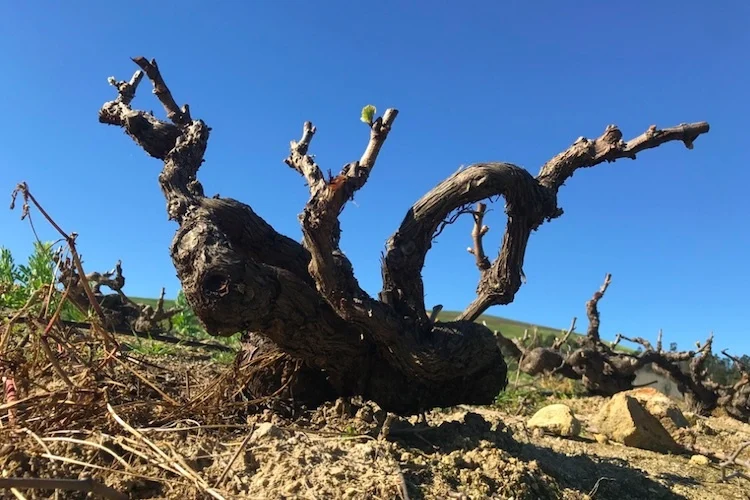
Introduction: A Terroir Forged in History
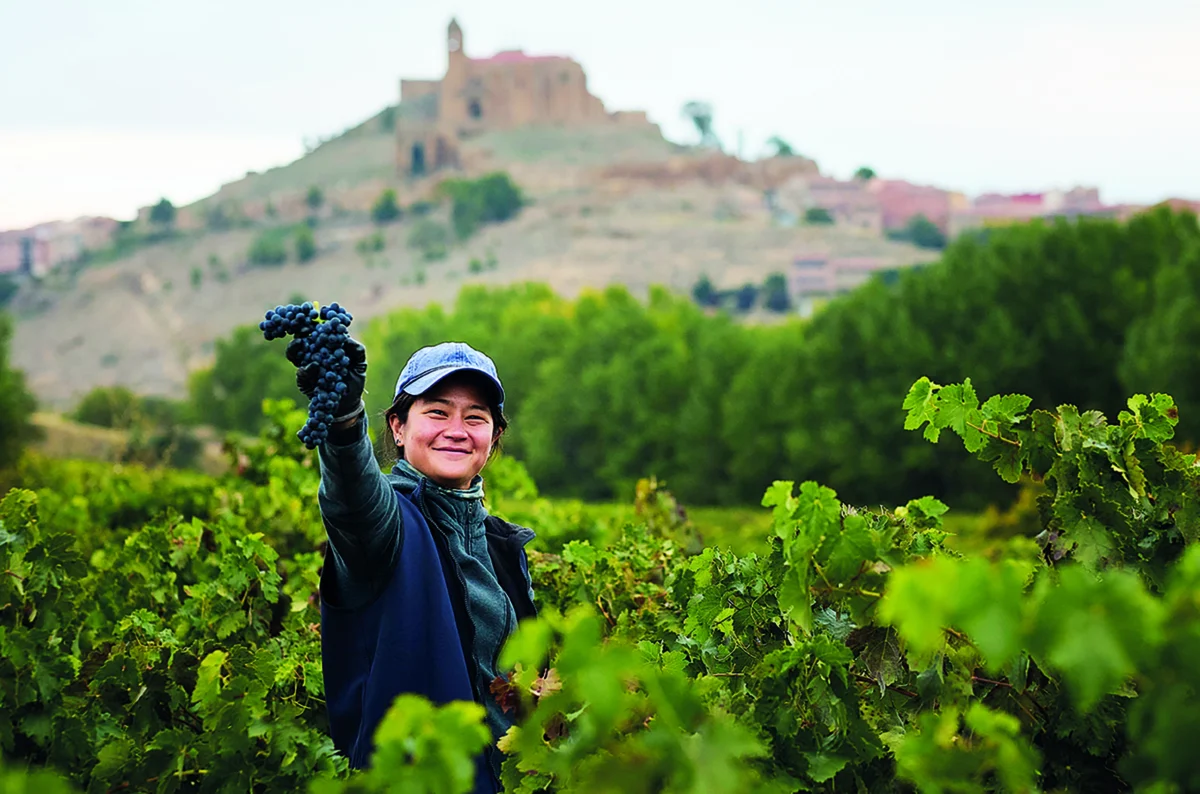
The story of South African wine is not merely a chronicle of agricultural development; it is a tapestry woven from geopolitical ambition, religious exodus, and the relentless pursuit of viticultural excellence. Stretching back to the mid-17th century, the South African wine industry has survived colonial upheaval, devastating biological plagues, and the isolation of political sanctions to emerge as a global powerhouse. Today, the nation’s vineyards—spanning from the rugged coastal wards of Constantia to the sun-drenched valleys of Stellenbosch—produce wines that are as complex and multifaceted as the history that birthed them.
Chronology: The Arc of the Vine
To understand the current standing of the South African wine industry, one must trace its trajectory through three distinct epochs: the Colonial Genesis, the Era of European Acclaim, and the Modern Renaissance.
1652–1685: The Dutch East India Company and the First Harvest
The formal history of viticulture in South Africa began in 1652, when Jan van Riebeeck, an official of the Dutch East India Company (VOC), established a settlement at the Cape of Good Hope. His primary objective was to create a strategic replenishment station for ships navigating the perilous trade routes to the East Indies. Recognizing that fresh fruit and wine were essential to combat the rampant scurvy affecting his sailors, van Riebeeck planted the first vines. By 1659, the first wine was pressed. While historical accounts characterize these initial vintages as "revoltingly sour," they served their purpose as a medicinal and nutritional supplement for the VOC fleet.
1685–1800: The Huguenot Influence and the Constantia Legend
The industry’s true maturation began in the late 17th century, facilitated by the arrival of French Huguenots fleeing religious persecution in Europe. These immigrants brought with them centuries of viticultural expertise, transforming the Cape’s potential. They settled in the region between Paarl and Stellenbosch, famously christened "Franschhoek" (the French Quarter).
Concurrent with this influx of skill was the rise of Simon van der Stel’s Constantia estate. Established in 1685, Constantia became the epicenter of high-quality winemaking. Van der Stel’s production of the sweet Vin de Constance—the "governor’s wine"—marked the first time a Cape product achieved global luxury status. Coveted by European royalty and the aristocracy, including figures like Napoleon Bonaparte and Frederick the Great, the wine became a symbol of prestige that remains intact over three centuries later.
1861–Present: Crisis, Adaptation, and Global Integration
The 19th century presented a series of existential threats. In 1861, the British government abolished the preferential tariffs that had protected Cape wines from French competition. This exposed the local industry to harsh global market forces. Simultaneously, the industry was crippled by biological catastrophes, most notably the arrival of powdery mildew and the devastating phylloxera louse, which decimated vineyards across the Cape. These hardships forced a period of consolidation, experimentation with hardier varietals, and eventually, the rise of the iconic South African cross-breed: Pinotage.
Supporting Data: The Economic and Viticultural Landscape
The South African wine industry is a vital contributor to the nation’s economy, supporting over 269,000 jobs across the value chain, from viticulturists to hospitality staff.
- Regional Diversity: South Africa is home to over 90,000 hectares of vines. The Western Cape, which produces the vast majority of the country’s wine, benefits from the "Cape Doctor"—the cooling south-easterly wind that moderates the heat, preserving acidity and fruit character in the grapes.
- The Pinotage Factor: Bred in 1925 by Professor Abraham Izak Perold, Pinotage (a cross between Pinot Noir and Cinsault) remains the country’s signature red grape. Modern viticulture has seen a move away from the "burnt rubber" profiles of the past toward elegant, fruit-forward expressions of this unique hybrid.
- Export Performance: According to data from the South African Wine Industry Information and Systems (SAWIS), the industry has pivoted significantly toward exports. With the UK, Germany, and the Netherlands serving as primary markets, the focus has shifted toward sustainability, with the Integrated Production of Wine (IPW) scheme ensuring that over 95% of wine produced meets strict environmental and production standards.
Official Responses and Industry Governance
The modern South African wine sector is governed by a sophisticated framework of regulatory bodies. The South African Wine Industry Council (SAWIC) and the Wine and Spirit Board work in tandem to oversee the Wine of Origin (WO) system.
In recent years, the industry has faced significant scrutiny regarding labor practices and land reform. In response, industry bodies have launched the "Wine Industry Ethical Trade Association" (WIETA). This organization facilitates audits to ensure that producers adhere to international labor standards, specifically focusing on fair wages, housing, and the prevention of child labor.
Furthermore, government agencies have emphasized the need for "transformation" within the sector. This involves increasing black ownership and providing small-scale, historically disadvantaged farmers with the technical resources required to transition from bulk production to estate-level quality winemaking.
Implications: Navigating the Future
The implications for the future of South African wine are twofold: climate resilience and brand positioning.
Climate Change as a Catalyst
Climate change poses a genuine risk to the Cape’s Mediterranean climate. Rising temperatures and unpredictable water availability are forcing winemakers to move toward higher-altitude sites and experiment with drought-resistant cultivars. Precision viticulture—the use of satellite mapping and moisture sensors—has become standard practice, allowing producers to optimize water usage in a region where every drop is increasingly precious.
The Shift Toward Premiumization
The industry is currently undergoing a strategic shift from a volume-based model to a value-based model. For decades, the global perception of South African wine was tied to low-cost, bulk-exported "bag-in-box" products. Today, the focus is on "Premiumization." By highlighting the unique soil types of the Coastal Region and the historical significance of estates like Groot Constantia, South African producers are successfully positioning their wines as luxury items capable of competing with the finest French and Italian offerings.
Socio-Economic Sustainability
The long-term viability of the sector relies on its ability to foster an inclusive economy. As the industry moves forward, the integration of black-owned wineries into the global export market is not just a moral imperative but a business necessity. Diversifying the talent pool and ownership structure will ensure that the "Cape legacy" remains relevant in a global market that increasingly values social consciousness alongside flavor profiles.
Conclusion: A Resilient Heritage
From the "revoltingly sour" wines of Jan van Riebeeck’s early settlement to the world-renowned vintages of the modern Cape, South Africa’s wine history is a testament to resilience. It is an industry that has weathered wars, trade boycotts, and the literal destruction of its soil by microscopic pests, only to refine its craft further each time. As it looks toward the future, the South African wine industry remains anchored by its deep historical roots while aggressively pursuing innovation, ensuring that its place on the global stage is not just maintained, but elevated for generations to come. The "governor’s wine" may have been the start of the story, but the current chapter is perhaps the most compelling yet.

 Iffa Jayyana