

 Dwi Wanna
 Nana Wu
 Muslim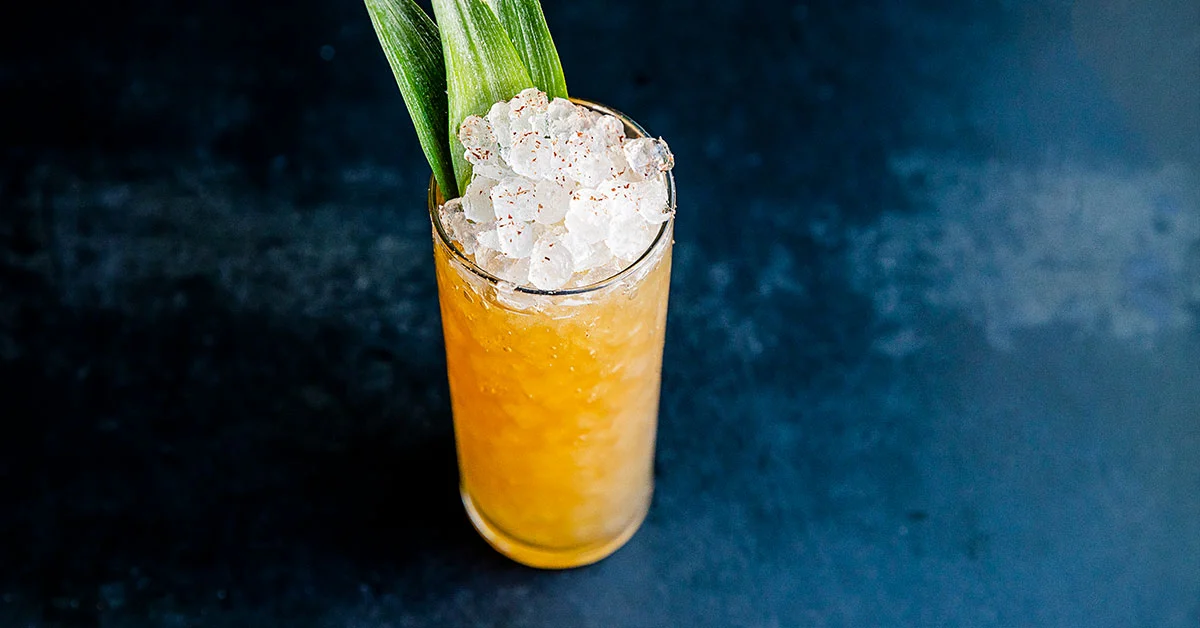
 Reynand Wu
 Ammar Sabilarrohman
 Asep Darmawan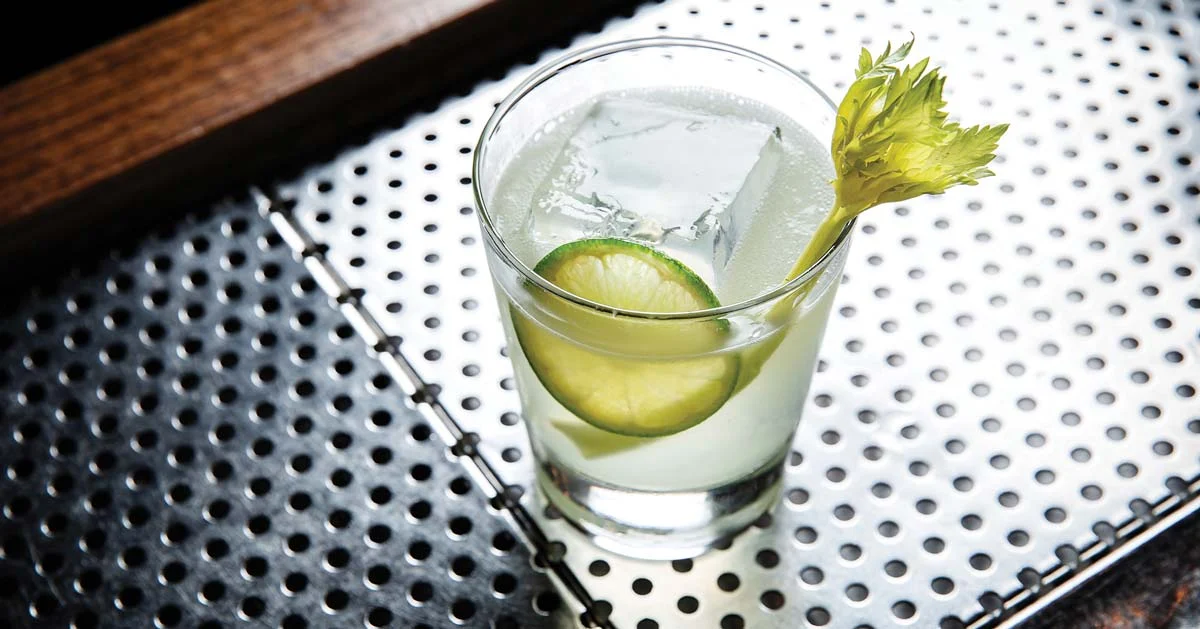
For decades, the Gimlet stood as a pillar of simplicity: gin, lime, and sugar. It was a drink defined by its austerity, a crisp, utilitarian cocktail that balanced the botanical punch of London Dry with the sharp, acidic bite of citrus. Yet, as the contemporary cocktail renaissance continues to deconstruct the classics, the Gimlet has emerged not as a static recipe, but as a blank canvas. Today, it stands as one of the most fluid templates in the modern bar program, inviting experimentation with everything from savory botanicals and culinary additives to high-tech, clarified juices.
As Toby Cecchini, owner of the iconic Long Island Bar, once aptly noted, the Gimlet “doesn’t have a platonic ideal.” This absence of a rigid definition is precisely what has allowed it to survive and thrive in an era of obsessive mixology.
The Chronology of a Classic: From Shipboard Remedy to Modern Muse
The origins of the Gimlet are often shrouded in the maritime history of the 19th-century British Royal Navy. Historically, the drink was a means to an end—a way to administer lime juice to sailors to prevent scurvy, masked by the inclusion of gin. The use of Rose’s Lime Juice, patented in 1867, became the industry standard for the drink, providing a shelf-stable, sweetened cordial that bridged the gap between medicine and recreation.

For much of the 20th century, the Gimlet remained a "minor classic," often relegated to the status of a dive-bar staple or a nostalgic relic of mid-century suburban cocktail hours. However, the early 2000s saw a shift. As the cocktail movement took hold in cities like New York, London, and San Francisco, bartenders began to push back against the synthetic nature of mass-produced cordials. The "fresh-is-best" mandate took hold, leading to a decade of drinks made exclusively with fresh-squeezed lime and house-made simple syrup.
While this improved the flavor profile significantly, it also invited a new question: if we can change the lime, what else can we change? This curiosity ushered in the current era of the "deconstructed" Gimlet, where the structural integrity of the drink—a spirit base, an acid component, and a sweetener—is maintained, while the flavor profile is completely reimagined.
Supporting Data: Why the Gimlet Works
The enduring popularity of the Gimlet lies in its structural balance. By utilizing a base spirit that leans into juniper or citrus notes, the drink provides a clean, bracing backbone. The acidity of the lime serves to "open" the palate, while the sweetener rounds out the jagged edges of the alcohol.

Modern mixology has identified that this structure is highly resilient. When bartenders swap lime for "super juice" (a scientifically optimized blend of citrus oils and citric/malic acids) or introduce savory elements like celery or arugula, they are essentially playing with the drink’s ability to act as a delivery vehicle for complex flavors.
Data from top-tier bars suggests that the Gimlet is currently one of the most ordered gin-based cocktails worldwide, rivaling the Martini in its adaptability. This is largely because it is perceived as "approachable but sophisticated." A consumer who might be intimidated by a complex, spirit-forward Negroni often finds the bright, citrus-forward profile of a Gimlet to be an ideal entry point, while the seasoned enthusiast appreciates the nuance of a well-executed variation.
The New Frontier: A Catalog of Modern Interpretations
To understand the current state of the Gimlet, one must look at the diverse ways it is appearing on menus across the globe. The following recipes serve as a testament to the drink’s versatility:

The Sawyer
The Sawyer is a masterclass in complexity. By incorporating nearly 30 dashes of bitters, the cocktail shifts from a standard refreshing sipper to a sophisticated, medicinal digestif. The heavy hand of bitters adds depth, texture, and a drying finish that transforms the Gimlet into a complex, brooding drink meant to be savored slowly.
The Basil Gimlet
An herbal triumph that rose to prominence in the San Francisco cocktail scene, the Basil Gimlet highlights the symbiotic relationship between gin and fresh herbs. The muddled basil brings an earthy, peppery brightness that complements the juniper notes of the gin, proving that the classic lime-sugar-gin triad is more than capable of hosting garden-fresh ingredients.
The Roquette
Named for the Italian word for arugula, this variation utilizes the peppery, slightly bitter profile of the leafy green to add a savory edge to the drink. It is a prime example of the "savory cocktail" movement, where the boundary between the kitchen and the bar is blurred to create a drink that feels more like a culinary experience than a simple beverage.

The Celery Gimlet
The Celery Gimlet leans into the vegetal side of the spectrum. Often enhanced by celery bitters or fresh celery juice, this version is cooling, crisp, and incredibly refreshing. It demonstrates how a single vegetable can redefine the personality of a classic drink, moving it away from tropical brightness and toward something more nuanced and verdant.
The Rhubarb Gimlet
Rhubarb, with its natural acidity and striking color, is a natural pairing for gin. When crafted into a syrup, it provides a tart, fruity, and slightly earthy sweetness that elevates the Gimlet from a standard lime drink to a seasonal delight, particularly in the spring and summer months.
The Pera Fortuna
For those looking for a bit more "heft," the Pera Fortuna is an essential study. By introducing a splash of absinthe, the drink gains a layer of anise-scented complexity and a luxurious mouthfeel. As many bartenders suggest, absinthe acts as a "cheat code" for adding body to a drink, providing a silky texture that balances the sharp acidity of the lime.

Implications: The Future of the Classic
The evolution of the Gimlet carries significant implications for the hospitality industry. First, it highlights the move toward "ingredient-driven" mixology. Bartenders are no longer just mixing spirits; they are creating custom cordials, clarifying juices, and foraging for botanicals to create a signature house style.
Second, the rise of these variations signals a shift in consumer expectations. The modern drinker is more knowledgeable than ever before. They expect a cocktail menu to tell a story, and the Gimlet serves as a perfect narrative device. It allows a bar to showcase its technical prowess—whether through the use of high-tech laboratory equipment like centrifuges for super juices or through the simple, effective use of fresh, seasonal produce.
Finally, the adaptability of the Gimlet ensures its longevity. As long as there is a spirit base, an acid, and a sweetener, the Gimlet will exist. It is a template that defies the constraints of time and trend. Whether you are drinking a traditional version made with Rose’s or a futuristic iteration spiked with MSG and clarified lime oil, you are participating in a lineage of drink-making that values balance above all else.

Conclusion: Crafting Your Own Ideal
If there is no "platonic ideal" for the Gimlet, then the burden of definition falls upon the creator—or the drinker. The next time you find yourself behind a bar or standing in your own kitchen, do not feel beholden to the history of the drink. Reach for the celery, experiment with the bitters, or try that new, high-tech lime juice.
The Gimlet is not just a drink; it is a conversation between the history of the past and the possibilities of the future. By embracing the chaos and the creativity that define the modern cocktail landscape, you aren’t just making a drink—you’re participating in the ongoing evolution of one of the world’s most resilient and beloved classics.
As the craft cocktail scene continues to push boundaries, we can only expect the Gimlet to continue its transformation. Perhaps next, we will see fermented fruit bases, exotic acid-adjustments, or entirely new botanical spirits taking center stage. One thing is certain: as long as the Gimlet remains a vessel for innovation, it will never go out of style.


 Iffa Jayyana