 Dwi Wanna
 Nana Wu
 Muslim
 Reynand Wu
 Ammar Sabilarrohman
 Laily UPN
The life of a professional baker is defined by a rhythmic, almost meditative dedication to precision. It is a daily choreography involving the transformation of humble ingredients—flour, water, yeast, and salt—into artisanal masterpieces. From the crackling, mahogany crust of a perfectly fermented sourdough loaf to the ethereal, precise structure of a French macaron, the baker’s craft is one where intuition meets rigorous scientific application.
For those who find joy in the minutiae—sensing the subtle shift in dough hydration by touch, reading the color of a crust to determine the exact second of doneness, or mastering the volatile timing of proofing—baking offers a career path that is as intellectually stimulating as it is physically demanding. However, as many home enthusiasts discover, the leap from a domestic kitchen to a commercial bakery is profound.
The Reality of the Professional Kitchen
The transition from a home kitchen to a professional setting often brings a jarring realization: the stakes, the volume, and the standards are vastly different. Joy Wilson, the founder of Joy the Baker, noted that even skilled home bakers are often surprised by the sheer intensity of the professional environment. In a commercial setting, "exacting consistency" is the ultimate currency. Whether you are baking for a boutique café or a large-scale production facility, a customer expects the exact same quality every time.
In the professional world, you aren’t just baking for a dinner party; you are managing humidity, oven calibration, and massive batch scaling. This requires a deep, technical understanding of fermentation, gluten structure, and thermodynamic properties.
The Essential Vocabulary of the Trade
To communicate effectively in a professional kitchen, one must master the vernacular of the craft. Key terms include:
- Mise en Place: The foundational practice of preparing and measuring all ingredients and tools before the work begins.
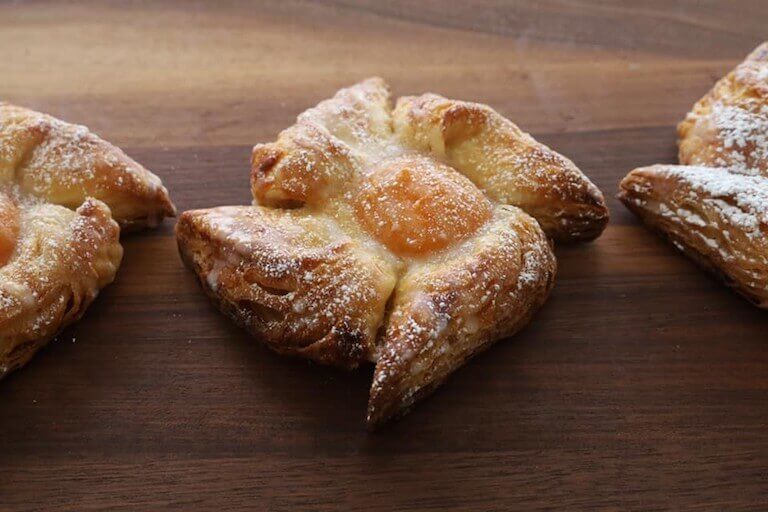
- Lamination: The complex process of layering fat into dough to create the delicate, flaky structure found in croissants and puff pastry.
- Fermentation: The biological engine of the bakery, where yeast or sourdough cultures convert sugars into gas and acids, providing the rise and complex flavor profiles.
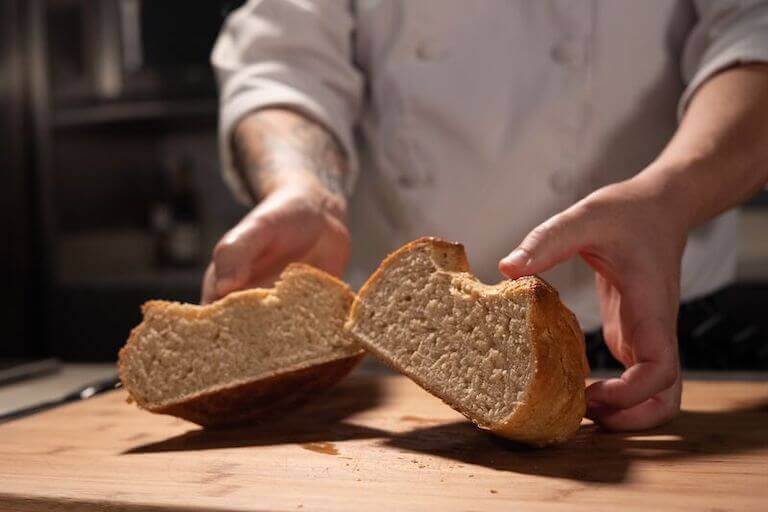
- Crumb Structure: The internal network of air pockets and texture that determines the quality of bread.
- Docking: The strategic pricking of dough to prevent unwanted expansion during the bake.
The Professional Chronology: From Novice to Master
The path to becoming a professional baker is rarely linear, but it generally follows a trajectory from foundational education to hands-on experience and, eventually, specialized certification.
1. Building the Foundation
While there is no legal requirement for a formal degree to bake professionally, the competitive nature of the industry makes formal education a significant advantage. Culinary programs provide a structured environment to learn the "Why" behind the "How." Understanding the chemistry of leavening agents or the physics of sugar work allows a baker to troubleshoot issues in real-time, rather than relying solely on memorized recipes.
2. The Apprenticeship Phase
Following education, most professionals begin as a baker’s assistant or apprentice. This period is the "baptism by fire." It is where one learns the physical reality of the trade. The hours are notoriously early—often beginning at 3:00 a.m.—to ensure that fresh goods are ready for the morning rush. It is a phase that tests one’s physical endurance, as hours are spent standing on concrete floors, lifting heavy bags of flour, and managing the intense heat of industrial ovens.
3. Specialization and Leadership
After several years in the trenches, bakers often find their niche. Some gravitate toward the steady, high-volume production of bread, while others pursue the artistic, detail-oriented world of pastry. Eventually, successful professionals may transition into roles like Head Baker, Wedding Cake Designer, or ultimately, Bakery Owner.
Supporting Data: The Current Landscape
The baking industry is currently experiencing a period of robust growth. According to the U.S. Bureau of Labor Statistics (BLS), the employment of bakers is projected to grow 6% between 2024 and 2034, a rate faster than the national average for all occupations. This growth is driven by a sustained consumer demand for artisanal, high-quality, and specialty baked goods.
The BLS estimates approximately 39,900 job openings for bakers each year over the next decade. Salary benchmarks reflect this diversity of roles:
| Role | Median Salary |
|---|---|
| Baker | $34,950 |
| Head Baker | $53,543 |
| Wedding Cake Designer | $85,906 |
| Bakery Owner | $74,495 |
Note: Salary ranges are subject to significant variance based on geography, experience, and the size of the establishment.
Official Perspectives: The Path to Credibility
Industry leaders emphasize that certifications serve as a bridge between mere experience and recognized mastery. The Retail Bakers of America (RBA) offers a tiered certification system that acts as a gold standard in the profession.
Escoffier Chef Instructor and Certified Master Baker, Colette Christian, speaks to the gravity of these qualifications: "I pursued certifications because I always wanted to be taken seriously and to have a credible voice." She describes the Master Baker examination as a grueling 16-hour ordeal where every detail—from the weight of a pastry to the precision of a glaze—is scrutinized by judges. This level of rigor is what separates a technician from a master of the craft.
The Implications of a Career in Baking
Choosing a career in the baking arts is not merely a professional decision; it is a lifestyle choice. The physical toll is real—long hours on one’s feet, heavy lifting, and the sacrifice of traditional social hours—but for many, the trade-off is a profound sense of purpose.
The Therapeutic and Creative Aspect
Jennifer Relph, a veteran of the cottage food industry, notes that despite the grueling 14-hour days during peak seasons, the act of baking remains deeply therapeutic. The ability to "quiet the world" and focus entirely on the transformation of raw materials into a finished, nourishing product is a unique reward.
Business Acumen: The Unspoken Requirement
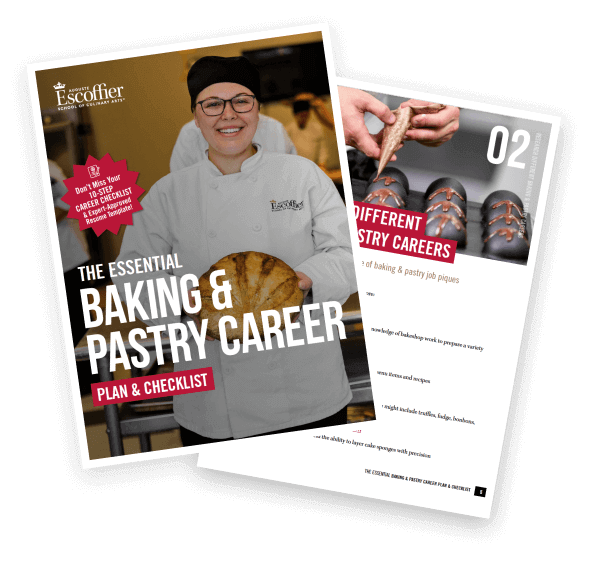
A common misconception among aspiring bakers is that the job is purely creative. In reality, the most successful bakers are also savvy business managers. Professional programs now place heavy emphasis on:
- Cost Control: Managing ingredient margins to ensure profitability.
- Menu Planning: Balancing labor costs with product popularity.
- Business Ethics and Operations: Navigating the complex regulatory landscape of food safety, health permits, and cottage food laws.
Conclusion: Rising to the Challenge
The journey to becoming a professional baker is a marathon, not a sprint. It requires a blend of physical stamina, scientific curiosity, and artistic vision. Whether one is drawn to the early morning silence of a bread bakery or the high-pressure, glamorous world of custom cake design, the industry offers a stable and rewarding career for those willing to put in the work.
As the industry continues to evolve, the demand for bakers who possess both the "old world" skills of hand-mixing and the "new world" understanding of food science and business management will only increase. For those standing at the threshold of this career, the path is clear: start with the fundamentals, embrace the rigor of the professional kitchen, and never stop refining your craft. In the world of baking, the pursuit of perfection is never-ending, and for the true baker, that is exactly how it should be.
Frequently Asked Questions
Is a degree required to become a baker?
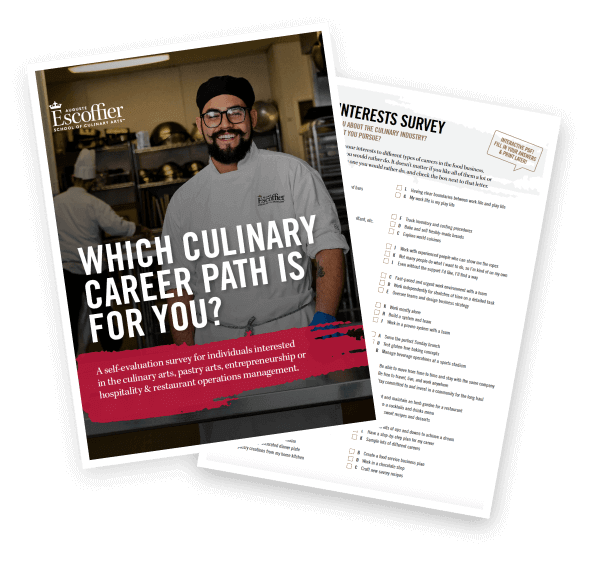
No, there are no formal education requirements. However, in an increasingly competitive market, a degree or diploma from a recognized culinary program can significantly shorten the learning curve and improve employment prospects.
How long does it take to become a professional?
Formal programs typically last between 30 and 60 weeks. Conversely, learning entirely on the job can take several years of apprenticeship to gain the same level of comprehensive skill.
What is the primary difference between a baker and a pastry chef?
Bakers focus on bread, rolls, pies, and pastries, generally working in early-morning production environments. Pastry chefs often work in restaurants or luxury establishments, focusing on a broader range of desserts, including plated sweets, chocolates, and complex sugar work.
What is the job outlook for the next decade?
The field is expected to grow by 6% through 2034, with nearly 40,000 openings per year, signaling a healthy and stable career path for those entering the industry.

 Lina Irawan
 Evan Lee Salim