
 Dwi Wanna
 Nana Wu
 Muslim
 Reynand Wu
 Ammar Sabilarrohman
 Layla Zulfa
In the landscape of Alzheimer’s caregiving, few pieces of advice are as ubiquitous—or as dreaded—as the mandate to "unplug the stove." For families navigating the turbulent waters of cognitive decline, the kitchen, once the heart of the home, often becomes a restricted zone. The logic is grounded in harsh reality: as Alzheimer’s progresses, the executive function required to track multiple steps—chopping, seasoning, monitoring heat, and timing—can fray. A forgotten burner or a misplaced pot can transform a routine dinner preparation into a life-threatening crisis.
However, a growing body of research suggests that reflexively banning a loved one from the kitchen may do more harm than good. While safety is non-negotiable, the act of cooking is deeply embedded in our sense of identity, sensory memory, and social belonging. For those living with dementia, the kitchen is not just a place for food; it is a repository of muscle memory and a stage for connection. By reframing the culinary experience, caregivers can move from a posture of "restriction" to one of "supported participation."
The Cognitive Architecture of Cooking: Why It Matters
For individuals in the early to mid-stages of Alzheimer’s, the brain’s ability to sequence complex tasks may be fading, but long-term memories often remain remarkably vivid. Culinary skills are frequently among the last "procedural memories" to remain intact. A person may struggle to remember their current age or the day of the week, yet find their hands instinctively knowing how to knead dough, shell peas, or fold a napkin.

Chronology of Cognitive Decline and Kitchen Function
The transition from independent cooking to assisted engagement follows a predictable trajectory. In the early stages, the primary challenge is executive dysfunction—difficulty planning the meal or managing multiple burners simultaneously. In the middle stages, the focus shifts to safety, as impulse control and spatial awareness diminish. By the later stages, the kitchen serves primarily as a sensory space—an environment where the smell of baking bread or the sound of a familiar song can provide comfort even when the ability to participate in the mechanics of cooking has passed.
Supporting Data: The Therapeutic Power of the Kitchen
The therapeutic benefits of cooking for Alzheimer’s patients are multifaceted. Occupational therapists emphasize that engaging in "meaningful occupation" reduces agitation and improves mood.
- Sensory Stimulation: The tactile nature of kneading dough or the aromatic profile of fresh herbs can act as "sensory anchors," grounding the individual in the present moment.
- Reduced Agitation: Studies suggest that participating in familiar, low-stress tasks lowers the cortisol levels often associated with "sundowning"—the period of increased confusion and irritability common in the late afternoon.
- Preservation of Self: When an individual is permitted to assist—even in a limited capacity—it reinforces their role as a contributor rather than a patient, significantly bolstering self-worth.
Official Perspectives: Shifting the Caregiving Paradigm
Leading organizations, including the Alzheimer’s Association and various geriatric care consortiums, advocate for a "person-centered" approach to safety. The consensus is clear: total exclusion is rarely the best path. Instead, experts suggest a tiered approach to kitchen safety that allows for participation while mitigating risk.
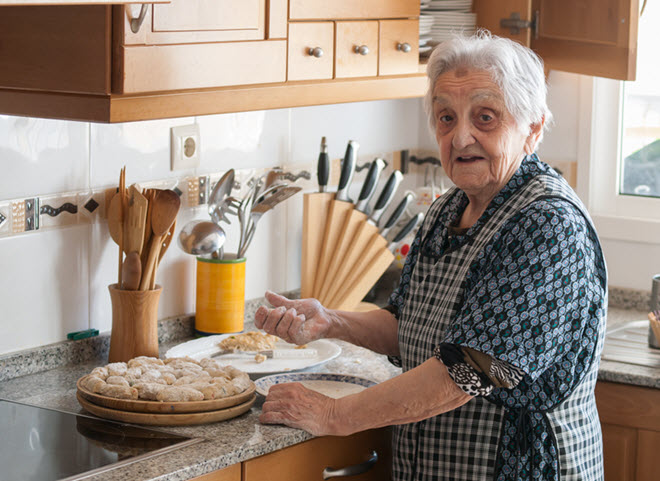
Creating a Secure Environment
To keep the kitchen a sanctuary rather than a hazard zone, caregivers should focus on environmental modification rather than total removal:
- The "Prep-Only" Zone: Designate a specific area for tasks that do not involve heat, such as washing vegetables, setting the table, or mixing ingredients in a bowl.
- Hidden Controls: For those with advanced wandering or confusion, specialized stove-knob covers or master switches that disable the heating elements when not under direct supervision provide an essential layer of security.
- Color Contrast: Using high-contrast placemats or plates can assist those with visual-spatial deficits, making it easier for them to identify their food and utensils.
Navigating Eating Challenges: Beyond the Menu
As the disease progresses, the challenge often shifts from making the meal to consuming it. Alzheimer’s can alter the perception of taste, causing individuals to crave overly sweet or salty foods, or conversely, losing the ability to recognize hunger.
Managing Sensory and Physical Deficits
- The Swallowing Threshold: Dysphagia (difficulty swallowing) is a frequent complication. Caregivers should focus on food texture, utilizing thickened liquids and soft, nutrient-dense foods that are easier to manage safely.
- Tactile Challenges: If using a fork and knife becomes frustrating, shift to "finger foods." Mini-quiches, fruit slices, or bite-sized protein snacks allow the individual to maintain independence without the cognitive load of navigating utensils.
- Environmental Cues: Reduce noise and distractions during mealtimes. A quiet, brightly lit environment helps the person focus on the task of eating, reducing the risk of choking and increasing caloric intake.
The Emotional Implications of Culinary Connection
Perhaps the most significant benefit of cooking together is the strengthening of the caregiver-patient bond. When a caregiver invites their loved one into the kitchen, they are facilitating a "bridge of familiarity."
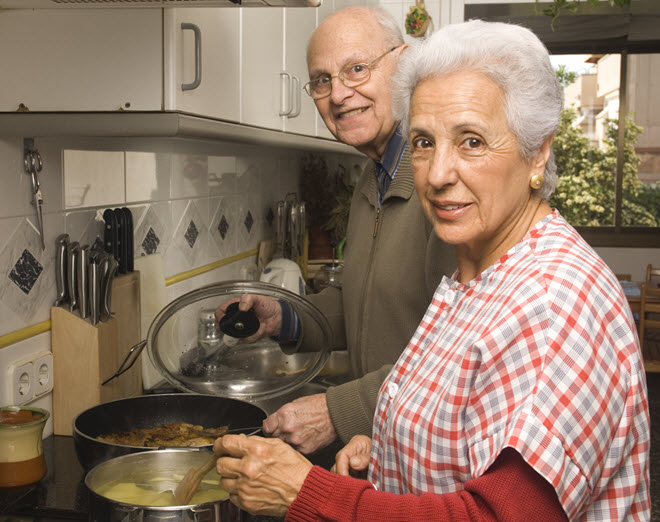
Sharing a recipe that has been in the family for generations can serve as a catalyst for conversation. Even if the individual cannot articulate the history of the recipe, the act of preparing it can spark a flicker of recognition. These moments are not just about the food; they are about maintaining the emotional architecture of the relationship. It allows the caregiver to step out of the role of "taskmaster" and into the role of a companion.
Practical Strategies for Successful Interaction
To ensure the experience remains positive for both parties, caregivers should adopt a "success-oriented" mindset:
- Keep it Simple: Focus on one-step tasks. Instead of asking someone to "make a salad," ask them to "please wash these tomatoes."
- Embrace Imperfection: If the kitchen gets messy, or if the cookies are slightly burnt, let it go. The goal is the process, not the outcome.
- Safety First, Always: Never leave the individual unattended in the kitchen if there is an active heat source. If the stove is too risky, move the activity to the dining table.
- Validation: Use positive reinforcement. Even if the task is done differently than you would do it, focus on the effort and the shared time.
Conclusion: Reframing the Kitchen
The kitchen, while presenting legitimate physical risks, remains one of the most vital spaces for maintaining the humanity and dignity of those living with Alzheimer’s. By moving past the fear of accidents and focusing on structured, safe engagement, we can reclaim the kitchen as a place of joy.

As caregivers, our responsibility is not merely to keep our loved ones safe from harm, but to keep them connected to the world they have always known. Through the simple, repetitive, and deeply human acts of measuring, mixing, and sharing, we provide more than just nutrition—we provide a sense of place, a sense of purpose, and the enduring comfort of home.
In the final analysis, the "unplugged stove" represents a loss of independence. By finding creative, safe ways to keep our loved ones involved, we aren’t just making dinner; we are keeping the flame of their personality alive, one small task at a time.


 Lina Irawan
 Evan Lee Salim