

 Dwi Wanna
 Nana Wu
 Muslim
 Reynand Wu
 Ammar Sabilarrohman
 Laily UPN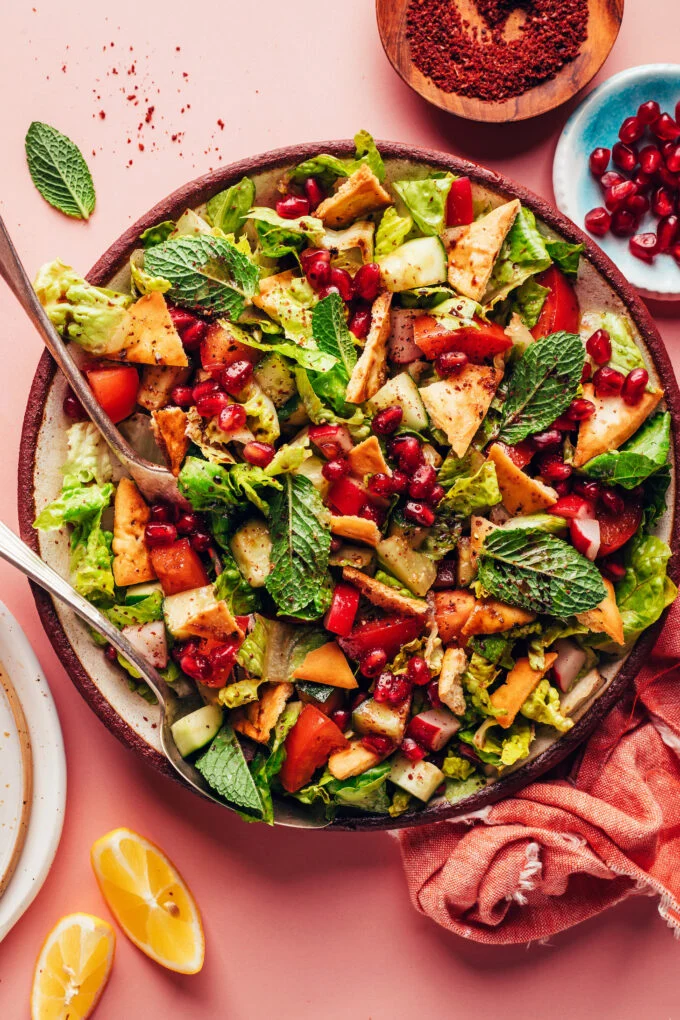
In the fast-paced landscape of modern home cooking, the challenge has always been balancing cultural authenticity with the practical constraints of a busy schedule. The Levantine classic, Fattoush—a vibrant, textural salad rooted in the Eastern Mediterranean—has long been a staple of traditional households. However, a new, simplified approach is redefining how home cooks perceive this dish, transforming it from a labor-intensive preparation into a streamlined, 20-minute weeknight staple. By utilizing a one-bowl methodology, contemporary culinary platforms are proving that speed does not have to come at the expense of the bold, sour, and crunchy profile that defines this historical masterpiece.
Main Facts: The Anatomy of a Classic
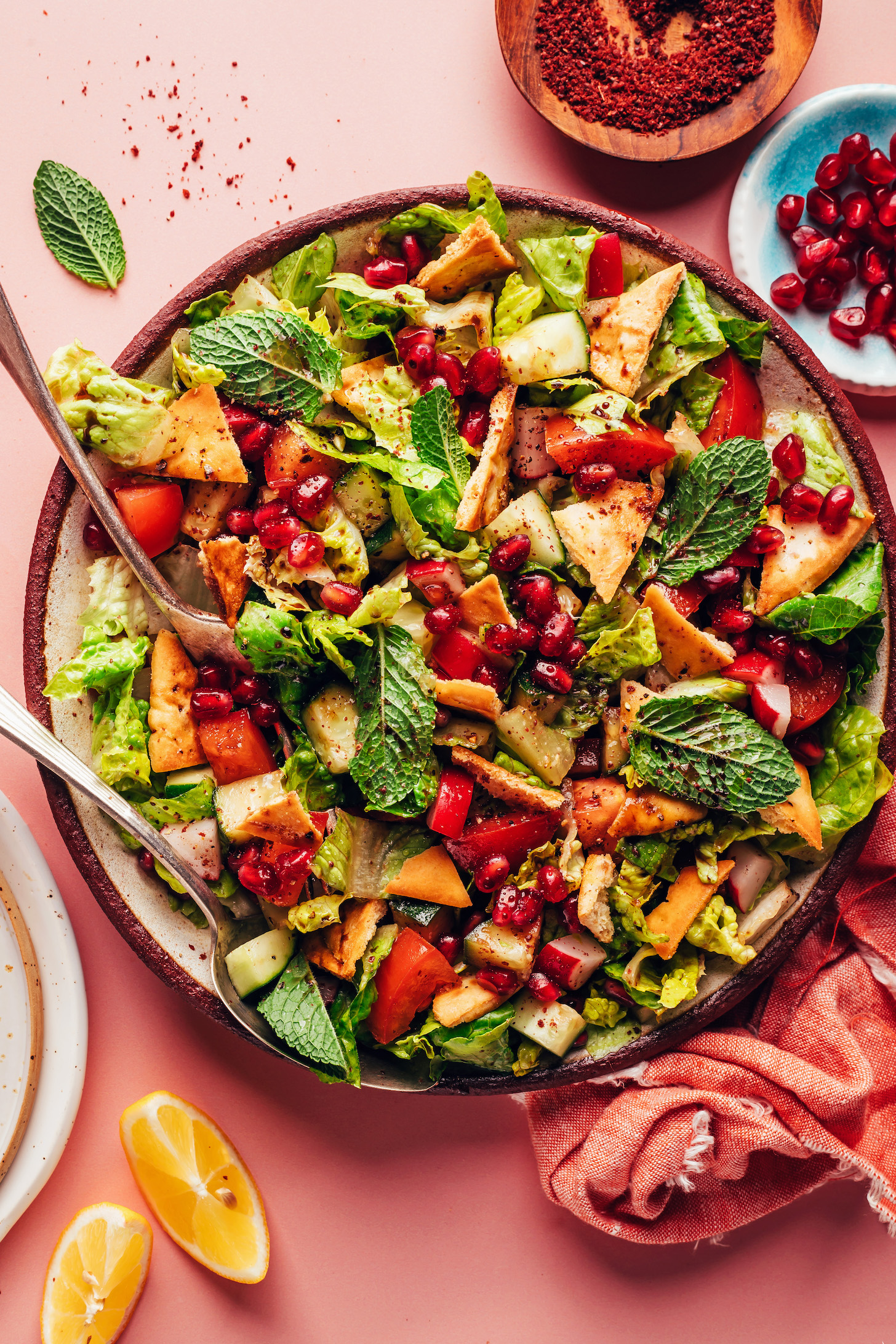
At its core, Fattoush is more than just a vegetable salad; it is an exercise in texture and balance. Traditionally hailing from the Levant—a region encompassing Lebanon, Syria, Jordan, and Palestine—the salad is fundamentally defined by the inclusion of khubz (fried or toasted flatbread). This bread provides the necessary crunch that contrasts with the fresh, crisp vegetables.
The modern "weeknight-friendly" interpretation focuses on five essential pillars:
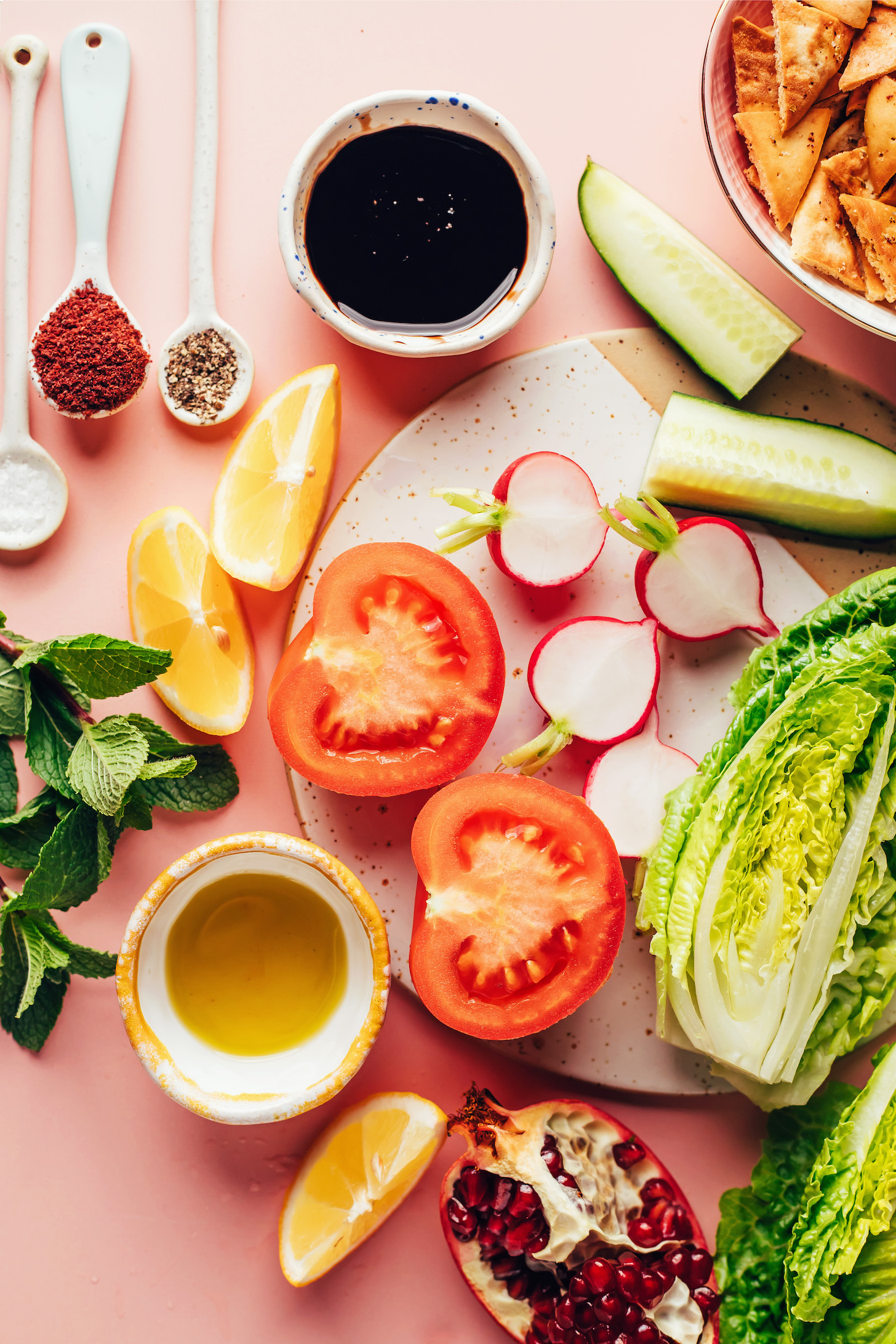
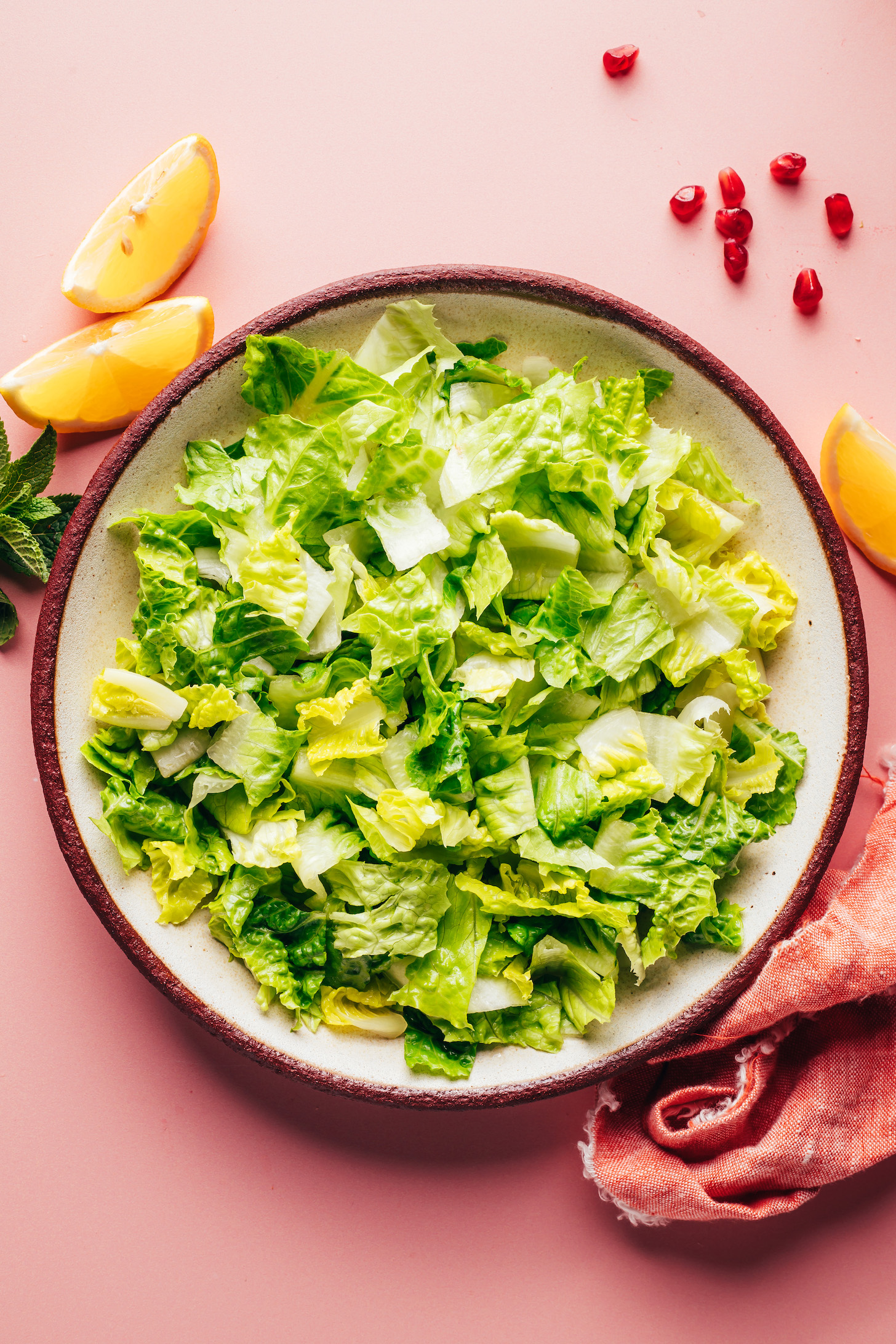
- The Base: Crisp, cool romaine lettuce, which serves as a neutral, high-volume foundation.
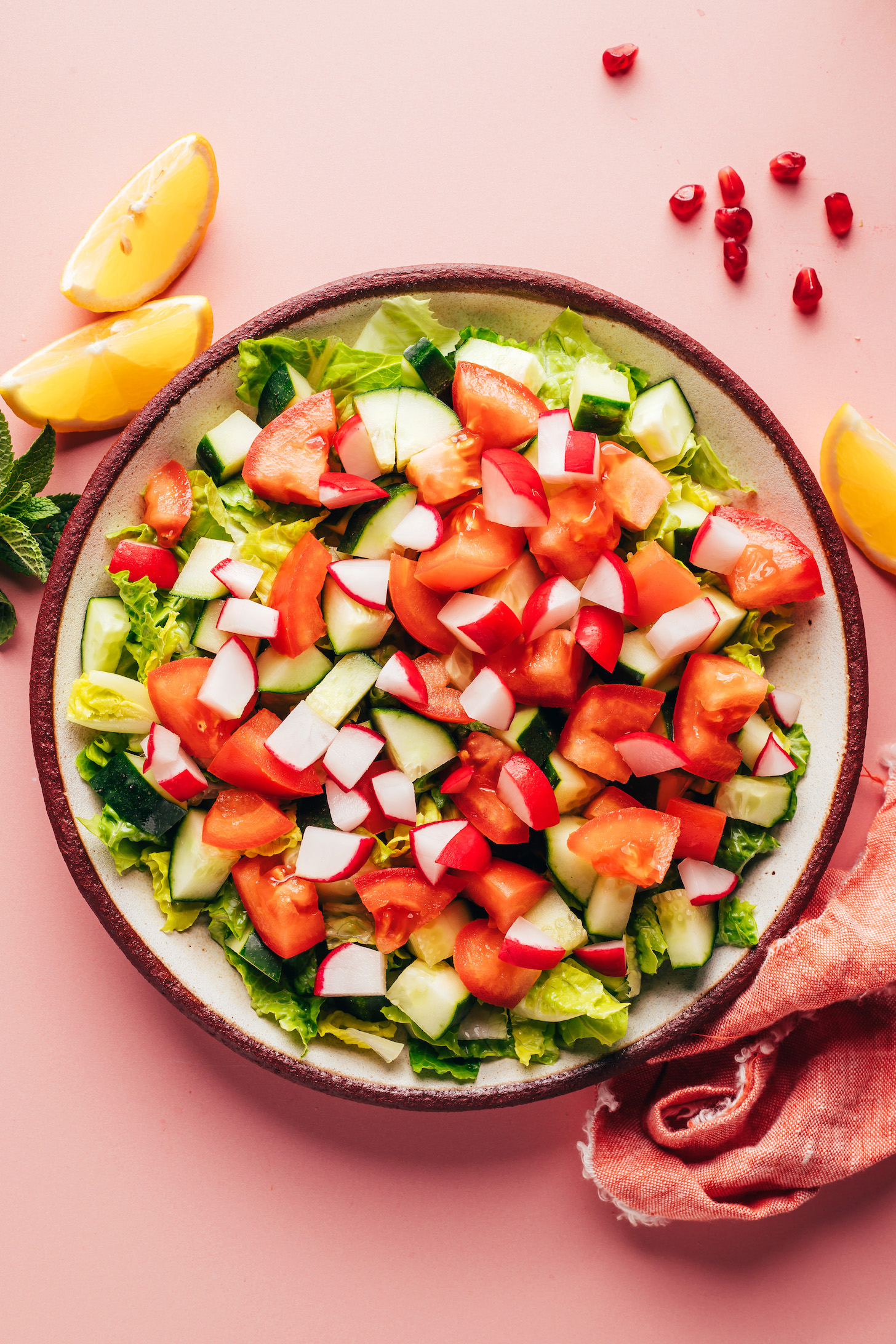
- The Garden: A mosaic of seasonal vegetables, typically cucumbers, tomatoes, and radishes, which provide moisture and bite.
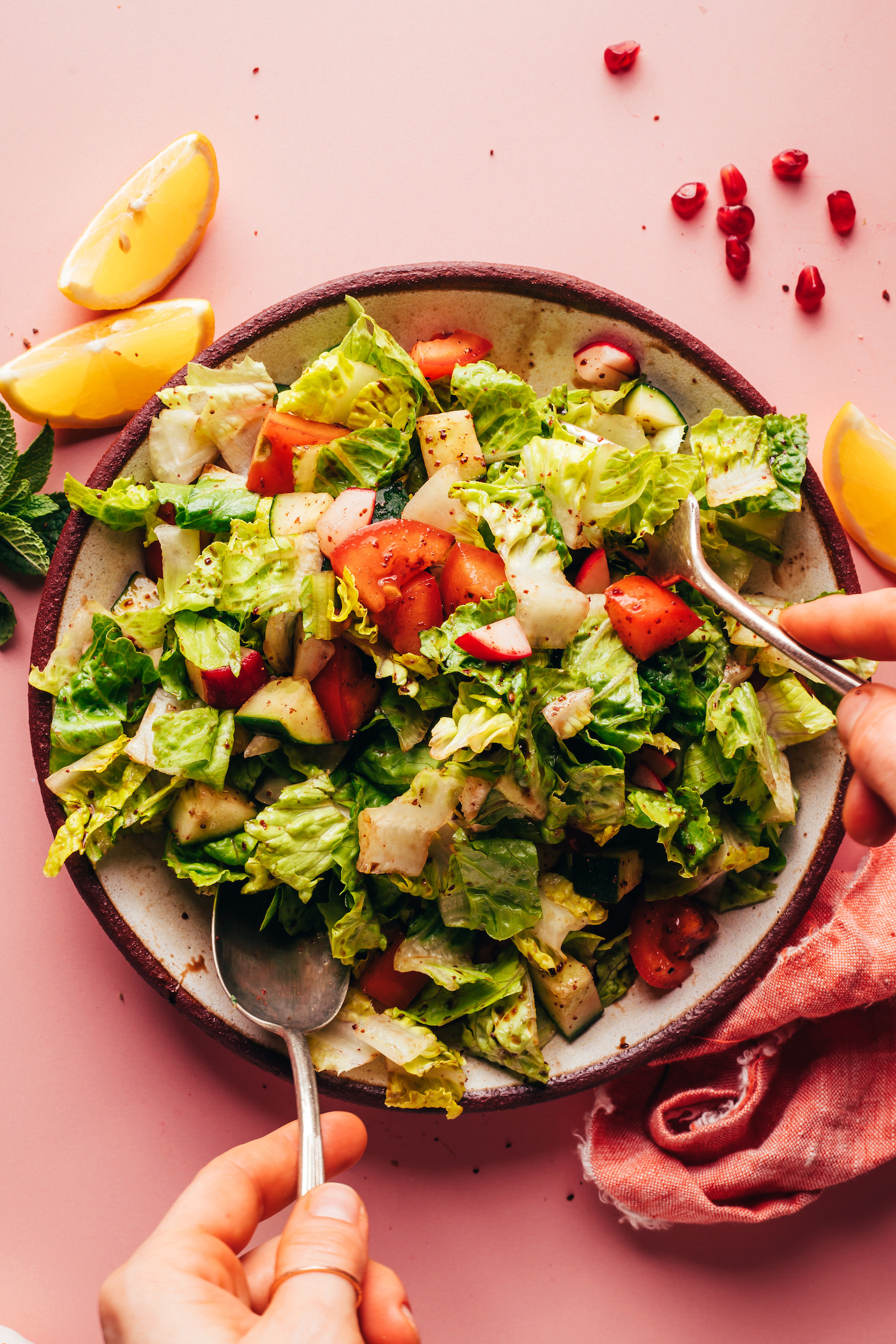
- The Dressing: The defining characteristic of the dish, utilizing pomegranate molasses and sumac to achieve a signature "bright" and sour profile.
- The Herb Component: Fresh mint, which cuts through the acidity and adds a cooling aromatic element.
- The Finish: Crispy pita, which ties the dish together, acting as the savory anchor.
What makes the current 20-minute iteration noteworthy is its commitment to the "one-bowl" method. By streamlining the assembly, the recipe removes the barrier of excess cleanup, encouraging home cooks to incorporate fresh, produce-heavy meals into their daily routines without the intimidation of complex preparation.
Chronology: From Ancient Origins to Modern Minimalism
The history of Fattoush is deeply intertwined with the concept of "peasant cooking." Legend suggests that the salad was created by farmers in the Levant who wanted to salvage day-old, stale flatbread. Rather than discarding the bread, they would toast or fry it and toss it with whatever fresh produce was available in the garden, creating a hearty and resourceful meal.
For centuries, this remained a traditional dish prepared primarily during the harvest season. However, as global food culture evolved in the 20th and 21st centuries, the recipe underwent various iterations. It transitioned from a humble, kitchen-sink dish into a sophisticated menu item found in high-end Middle Eastern restaurants globally.
The most recent shift—the "Minimalist" or "Weeknight" movement—began in the early 2020s. As consumers sought healthier, plant-forward options, culinary influencers and recipe developers began stripping away the "extra" steps (such as homemade fried pita or complex dressing emulsions). By 2023, the recipe had been refined into the 20-minute, one-bowl version now celebrated for its efficiency. The evolution reflects a broader societal trend: the democratization of international cuisines, making complex, flavor-dense dishes accessible to the average home cook.
Supporting Data: Nutrition and Dietary Versatility
Beyond its flavor profile, the modern Fattoush salad is an efficient vehicle for plant-based nutrition. When analyzed as a side dish, a standard serving contains approximately 127 calories, making it a nutrient-dense addition to any meal.
Key nutritional highlights include:
- High Fiber Content: With roughly 4 grams of fiber per serving, the combination of fresh vegetables and whole-grain or pita bread supports digestive health.
- Micronutrient Density: The inclusion of lemon juice and tomatoes provides a significant boost of Vitamin C, while the fresh romaine and mint contribute essential vitamins and minerals.
- Adaptability: The dish is naturally vegetarian and easily converted to vegan, and by utilizing gluten-free pita bread (such as stone-baked varieties), it becomes accessible to those with dietary restrictions.
The versatility of the dish is further supported by its "meal-prep" potential. While the assembly takes only 20 minutes, the components can be stored separately for up to three days, allowing the salad to maintain its structural integrity—specifically the crispness of the pita—until the final moment of service.
Official Responses and Culinary Expert Consensus
Leading voices in the culinary community have praised this simplified approach to Fattoush. Critics note that while purists might argue for the use of fried bread rather than baked, the "weeknight-friendly" approach serves a vital purpose: it keeps the dish in the rotation.
"The beauty of Fattoush is its resilience," notes a culinary consultant specializing in Mediterranean diets. "Whether you are using hand-picked produce from a garden or store-bought vegetables, the key is the sumac and the pomegranate molasses. As long as you maintain that sour-tart balance, you are honoring the spirit of the dish."
Furthermore, the integration of chickpeas into the salad has been widely accepted by dietitians as a way to convert the salad from a side dish into a complete, protein-rich entrée. This transition addresses the "satiety gap" that often plagues salad-only meals, ensuring that the consumer feels energized rather than hungry an hour later.
Implications for the Future of Home Cooking
The success of this 20-minute Fattoush recipe carries significant implications for the future of domestic culinary habits. It signals a move away from the "all or nothing" mentality that has historically dominated home cooking. For years, home cooks were told that to cook "authentic" food, they needed to spend hours in the kitchen. The current shift toward efficiency suggests that people are prioritizing consistency and health over rigid adherence to traditional preparation methods.
This trend also highlights the importance of pantry staples. Ingredients like pomegranate molasses and sumac, once considered "specialty" items, are now appearing in mainstream grocery aisles across the country. This shift in inventory reflects a more adventurous palate among home cooks who are increasingly comfortable experimenting with diverse flavors.
Finally, the environmental impact of such a dish cannot be overlooked. By focusing on plant-based, seasonal ingredients and reducing food waste—specifically by repurposing stale bread—this recipe aligns with the growing consumer desire for sustainable eating.
As we look ahead, the Fattoush model serves as a blueprint for how other traditional dishes might be reimagined. It proves that by respecting the soul of a recipe—its core ingredients and flavor profiles—one can create a version that is not only faster and easier to make but also more likely to be integrated into the fabric of daily life. The result is a more vibrant, health-conscious, and globally-aware kitchen culture, one bowl at a time. Whether enjoyed on a sweltering summer evening or as a crisp, bright contrast to a hearty winter main, the modernized Fattoush remains a triumph of culinary adaptation.


 Azzam Bilal Chamdy
 Sagoh
Sagoh