 Dwi Wanna
 Nana Wu
 Muslim
 Reynand Wu
 Ammar Sabilarrohman
 Rifan Muazin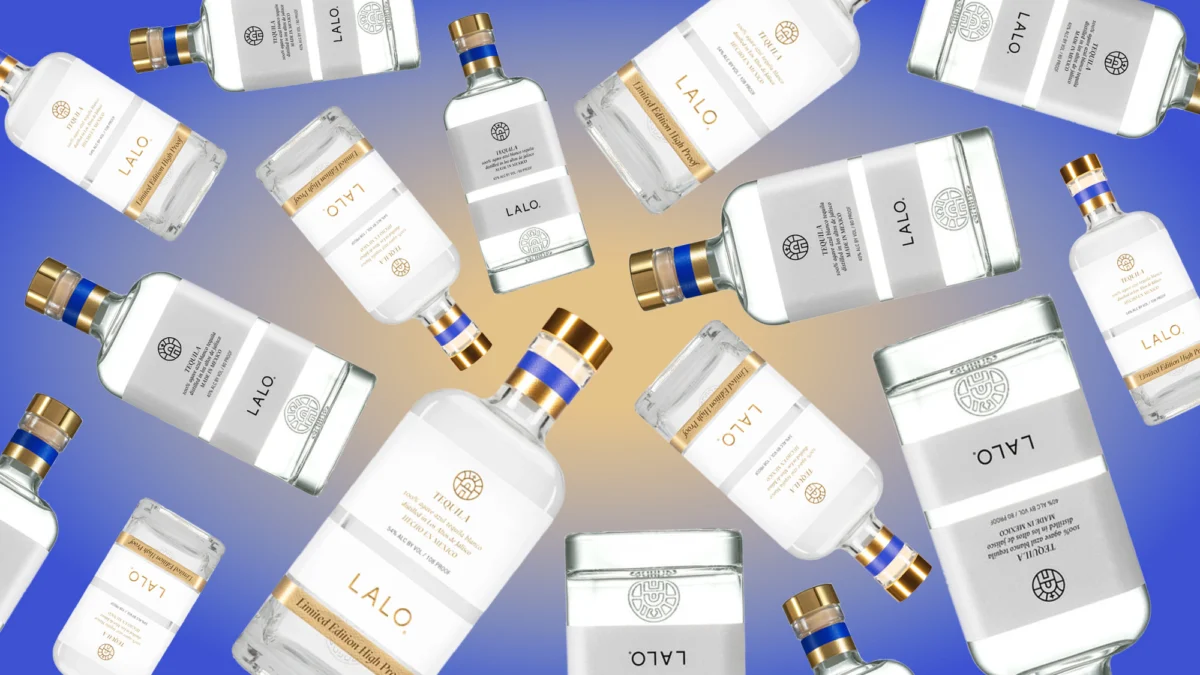
In the landscape of modern spirits, few categories have seen a rise as meteoric—or as crowded—as tequila. Over the past decade, the U.S. market has been flooded with high-profile labels, many of which rely heavily on the gravitational pull of A-list celebrities and social media influencers to capture consumer attention. Amidst this sea of neon-lit bottles and marketing-heavy narratives, a quiet revolution is taking place in the Jalisco highlands.
Enter LALO Tequila. While the brand is a relatively new player in the global market, it has become the antithesis of the "celebrity-backed" tequila trope. By eschewing additives, artificial marketing tactics, and industry shortcuts, founders Eduardo González and David R. Carballido are betting that consumers are ready for a return to the spirit’s authentic, artisanal roots. This commitment to transparency and quality recently culminated in a significant industry milestone: VinePair naming LALO the 2025 Next Wave Awards Spirits Brand of the Year.
The Core Philosophy: Simplicity as a Virtue
At the heart of LALO’s identity is a fundamental rejection of the industry’s trend toward additives. In recent years, it has become common practice for large-scale producers to use sugar-based additives, artificial flavorings, and glycerin to mask the rough edges of mass-produced, industrial-grade tequila.
LALO, by contrast, adheres to an uncompromisingly minimalist approach. Their production process relies on only three ingredients: blue Weber agave, yeast, and water. By focusing on the purity of the raw material and the precision of the distillation process, the brand aims to provide a "blanc de blancs" experience—a pure, unadulterated expression of the agave plant that demands nothing from the drinker but an appreciation for the craft.
Chronology: From Guadalajara Childhood to Global Acclaim
The story of LALO is not one of a corporate boardroom strategy, but of a lifelong friendship rooted in the soil of Jalisco.
Early Foundations (1990s–2014)
Eduardo González and David R. Carballido grew up together in Guadalajara, the cultural and industrial heart of Mexico’s tequila country. Their bond, forged in childhood, provided the emotional foundation for their future business venture. During these formative years, both men were immersed in the regional culture, gaining an innate understanding of the importance of agave to the Jalisco identity.
The Experimental Years (2015–2019)
The transition from enthusiasts to producers began in 2015. González and Carballido began experimenting with recreational tequila production. It was not intended for mass consumption at the time; rather, it was a labor of love shared among friends and family under the label "Casa Pujol 87." This period was critical for the duo, as it allowed them to refine their distillation techniques and understand the nuances of the highland agave before ever stepping foot into the commercial market.
The Official Launch (2020)
Joined by Carballido’s husband, Jim McDermott, the trio formalized their efforts in 2020. Despite the volatility of the global market during that year, the team felt that the time was right to introduce a product that prioritized quality over the "hustle." LALO was born, named in honor of González’s grandfather, Don Julio González, a legend in the tequila industry whose legacy served as the brand’s North Star.
Industry Recognition (2025)
Five years after its formal commercial launch, LALO reached a zenith of industry recognition. By being named the VinePair Next Wave Awards Spirits Brand of the Year, the brand solidified its position as a leader in the "premium, additive-free" movement.
Supporting Data: The Shift in Consumer Preference
The rise of LALO reflects a broader, data-backed shift in consumer behavior. According to recent industry reports from the Distilled Spirits Council of the U.S. (DISCUS), there has been a measurable uptick in demand for "super-premium" and "ultra-premium" tequilas. However, the nuance lies in why consumers are paying more.
Recent market analysis indicates that:
- Additive Transparency: Consumer interest in "additive-free" tequila has surged by over 40% in Google search trends since 2021.
- The "Clean" Movement: Much like the farm-to-table movement in food, drinkers are increasingly viewing tequila through the lens of wellness and transparency, favoring brands that disclose their ingredient lists.
- Demographic Shifts: Younger drinkers (Gen Z and Millennials) are demonstrating a higher propensity for brand loyalty toward companies with strong, verifiable heritage stories rather than celebrity affiliations.
LALO’s growth trajectory mirrors these trends. By maintaining a singular focus on a high-quality Blanco expression, they have minimized the overhead associated with managing complex portfolios (such as Reposado or Añejo aged in varying barrels), allowing them to reinvest capital into sustainable farming and artisanal distillation methods.
Official Responses and Founder Insights
In various interviews, the founders have remained steadfast in their mission. "We didn’t want to make another tequila that was hidden behind a celebrity’s face," González noted in recent discussions regarding the brand’s growth. "The liquid should be the celebrity."
The trio emphasizes that their goal was never to disrupt the market for the sake of disruption, but to preserve the traditional methods of their ancestors. "LALO is the tequila we grew up drinking," Carballido has stated. "It represents the hospitality of Guadalajara. When you share a bottle with someone, you are sharing a piece of our home."
Regarding the 2025 Brand of the Year accolade, the team expressed that the award served as a validation for the entire staff in Jalisco. For them, the recognition isn’t just a marketing win; it is an acknowledgement that the "slow and steady" approach to spirits production still holds a place in a fast-paced global market.
Implications for the Tequila Industry
The success of LALO carries significant implications for the wider spirits sector.
1. The Decline of the "Celebrity-Only" Model
For years, the tequila category was dominated by the "celebrity-as-founder" model. While these brands often achieve rapid short-term sales, the sustainability of such models is increasingly questioned by industry experts. LALO’s success suggests that consumers are beginning to experience "celebrity fatigue," signaling that future entrants will need to offer more than just a famous name to gain shelf space.
2. The Premiumization of Blanco Tequila
Historically, Blanco (or Plata) tequila was often seen as the "entry-level" product, with consumers encouraged to move up to Reposado or Añejo as they "matured" in their drinking habits. LALO has helped flip this script, proving that a high-quality Blanco can be a luxury product in its own right, provided the distillation and agave quality are exceptional.
3. Sustainability and Heritage
As the demand for agave continues to outstrip supply, the pressure on the Jalisco landscape is immense. Brands that focus on traditional, small-batch, and sustainable production—like LALO—set a benchmark for how the industry must evolve if it is to survive the environmental challenges of the next two decades.
Conclusion: A New Wave or a Return to Roots?
Ultimately, LALO Tequila represents a return to basics that feels refreshingly modern. By centering the experience on the purity of the agave and the strength of the founders’ heritage, the brand has managed to cut through the noise of a crowded marketplace.
As they look toward the future, the challenge for LALO will be to scale their operations without compromising the artisanal integrity that earned them their reputation. If their first five years are any indication, the brand is well-equipped to handle that pressure. For the discerning drinker, LALO serves as a potent reminder that in the world of fine spirits, the most powerful marketing tool is, and always has been, the pour itself.

 Iffa Jayyana