 Dwi Wanna
 Nana Wu
 Muslim
 Reynand Wu
 Ammar Sabilarrohman
 Nana
Nana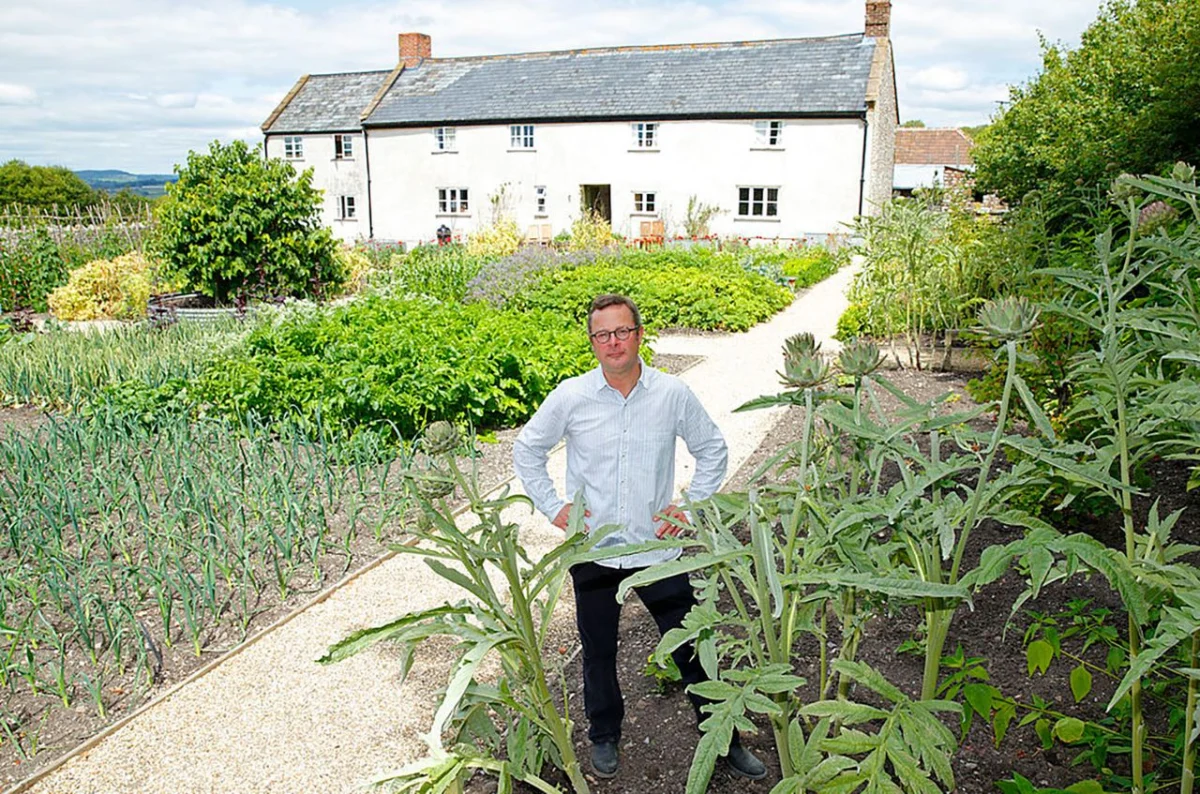
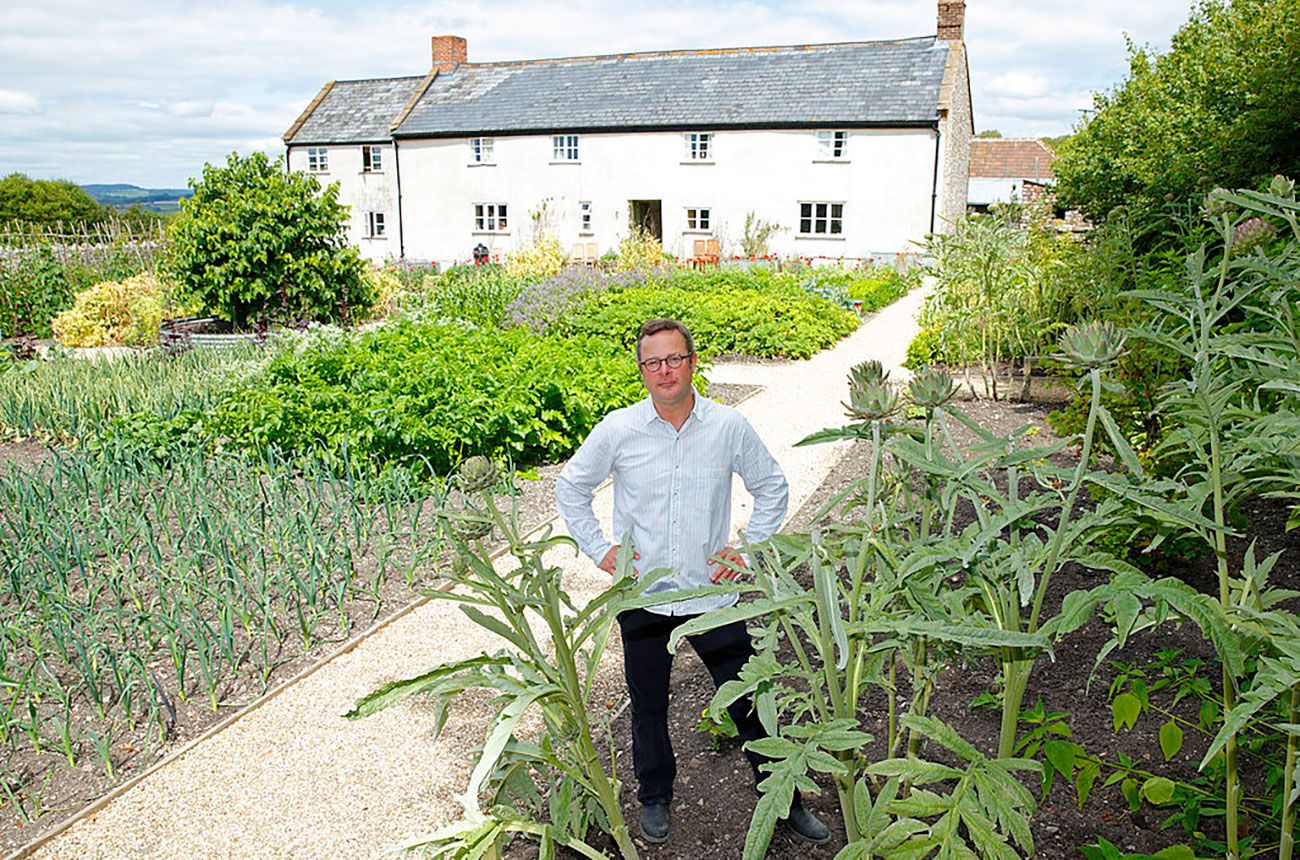
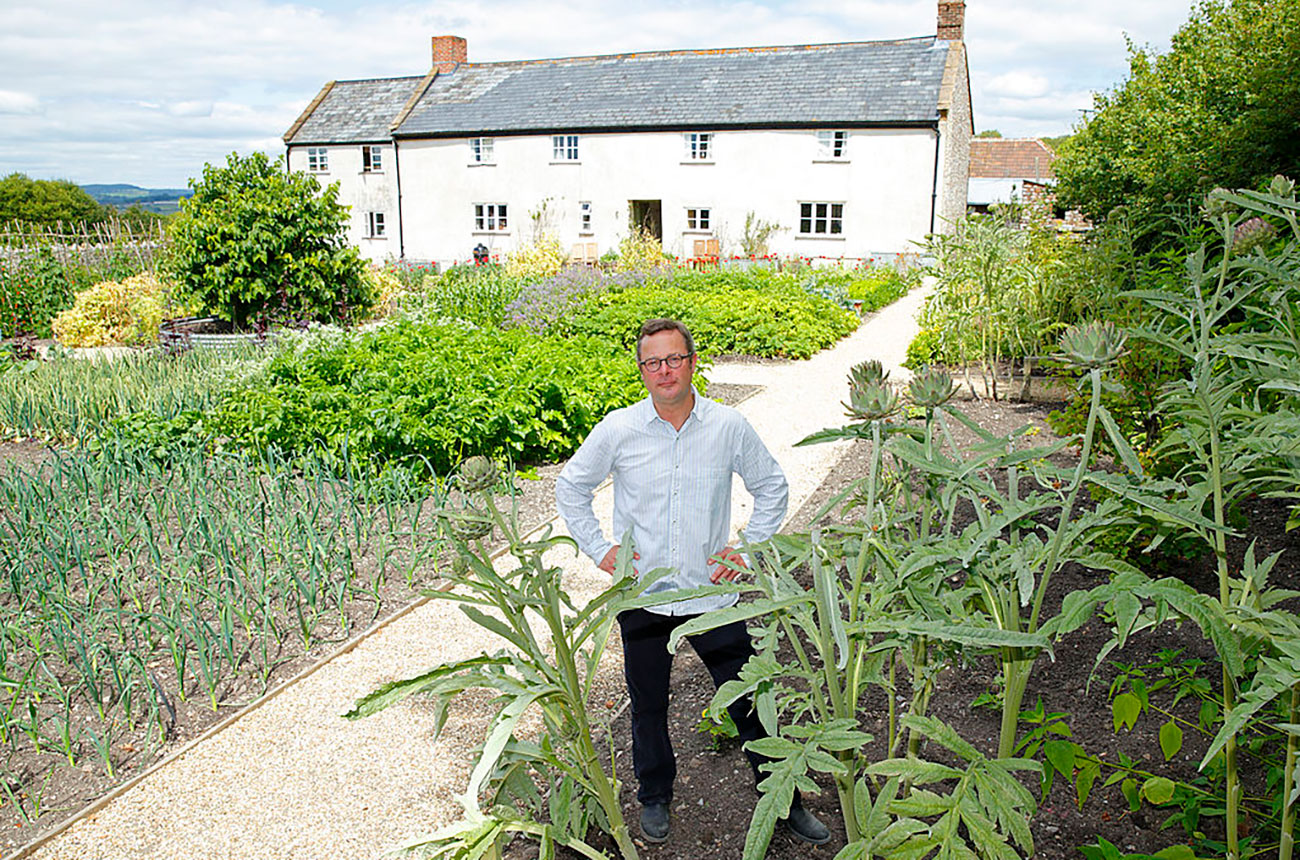
The rolling hills of Devon, synonymous with the ethos of slow food and farm-to-table living, recently played host to an unveiling that bridges the gap between British culinary advocacy and French viticultural excellence. Nestled near Axminster, the iconic River Cottage—the spiritual home of chef, broadcaster, and environmental campaigner Hugh Fearnley-Whittingstall—was the setting for the debut of a bespoke wine range. This collection, born from a strategic partnership between Fearnley-Whittingstall and the renowned Languedoc-based Domaine Gayda, promises to challenge industry standards regarding sustainability and transparency in the wine trade.
The Genesis of a Partnership: Bridging the Channel
The collaboration did not emerge overnight; it is the culmination of shared values regarding land stewardship and artisanal production. For decades, Fearnley-Whittingstall has been the preeminent voice in the UK for ethical food consumption, championing seasonal produce and the reduction of waste. His alignment with Domaine Gayda, a producer widely recognized for its innovative and environmentally conscious approach to winemaking in the South of France, represents a natural synergy.
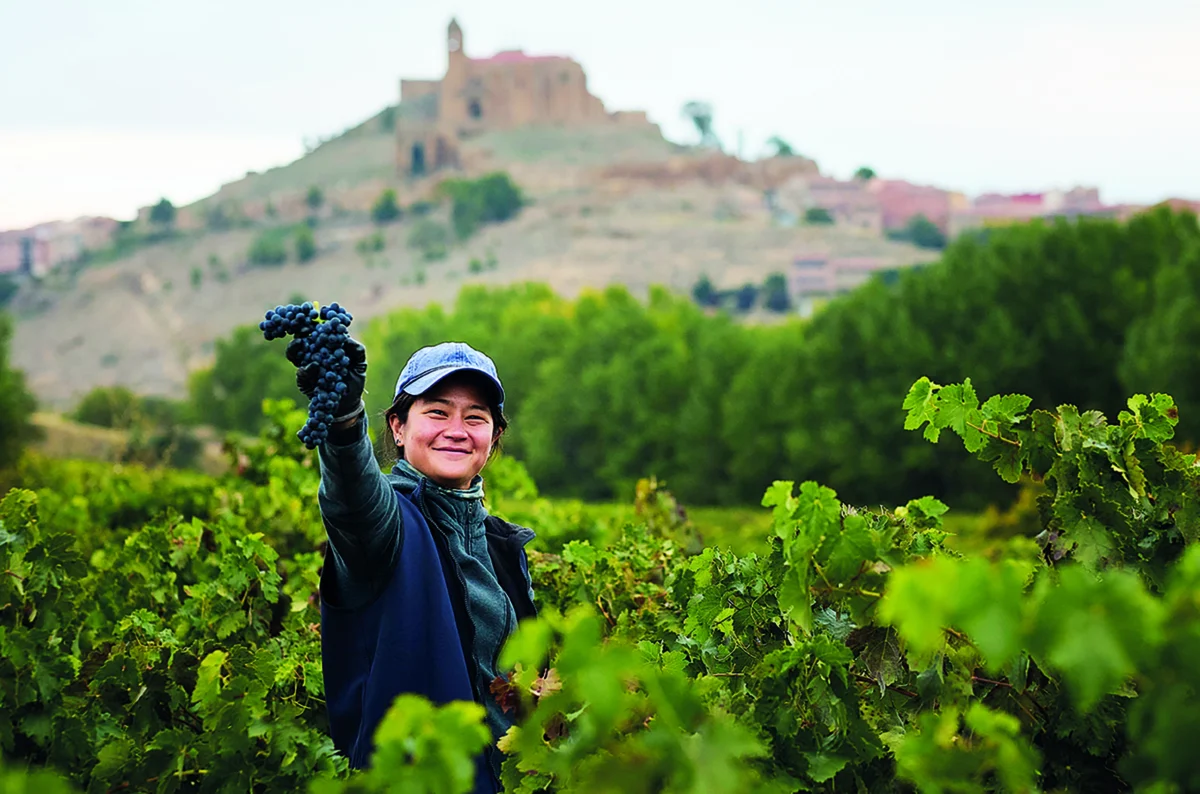
Domaine Gayda, located in the heart of the Languedoc-Roussillon region, has long been a proponent of organic viticulture and low-intervention winemaking. The winery operates on the philosophy that the quality of the bottle is inextricably linked to the health of the soil. By partnering with a public figure whose career has been built on questioning the provenance of our food, Domaine Gayda aims to bring the same rigor to the wine industry, which has often lagged behind the food sector in terms of radical transparency.
Chronology: From Concept to Glass
The project began as an exploratory conversation between the River Cottage team and the viticulturists at Domaine Gayda. The goal was simple yet ambitious: to create a range of wines that reflected the spirit of River Cottage—unpretentious, high-quality, and deeply respectful of the environment—while utilizing the sophisticated terroir of the Languedoc.
- Phase One (Early 2023): Initial site visits to Domaine Gayda to assess vineyard plots that aligned with strict sustainability metrics, focusing on indigenous grape varieties and biodiversity.
- Phase Two (Mid-2023): Experimental blending sessions held both in the Languedoc and via remote consultations, ensuring that the flavor profiles met the specific demands of the UK market’s evolving palate.
- Phase Three (Late 2023): Finalizing the labeling and supply chain logistics, with a core focus on reducing carbon footprint—a non-negotiable for Fearnley-Whittingstall.
- The Launch (2024): The official unveiling at River Cottage, where the wines were paired with a seasonal menu highlighting the symbiosis between local Devon produce and French viticulture.
The Pillars of Sustainability: Data and Methodology
In an era of "greenwashing," the partnership has sought to anchor its claims in verifiable data. The wines produced under this collaboration are not merely "organic" by label; they represent a holistic approach to the lifecycle of a wine bottle.
Carbon Footprint Reduction
The collaboration has prioritized lightweight glass bottles, a significant contributor to the carbon footprint of the wine industry. By reducing the weight of the glass, the partnership has achieved a measurable decrease in shipping emissions from Southern France to the UK. Furthermore, the use of recycled materials for packaging and the elimination of unnecessary foils and excessive labeling reflect a "minimalist" approach that prioritizes the product over the presentation.
Biodiversity and Soil Health
Data from Domaine Gayda’s recent sustainability audits indicate that their vineyards have seen a 15% increase in local insect and bird populations over the last five years. This is attributed to the cessation of synthetic fertilizers and the implementation of cover crops, which prevent soil erosion and promote natural water retention. These practices are being applied to the specific parcels of land selected for the River Cottage range, ensuring that every bottle is a testament to the health of the terroir.
Official Responses and Strategic Vision
During the launch event, Hugh Fearnley-Whittingstall emphasized that this partnership was never intended to be a mere celebrity endorsement. "It was about finding partners who understood that the ‘how’ is just as important as the ‘what,’" he remarked. "In my work with food, we look for the stories behind the ingredients. Wine should be no different. We want the consumer to feel as connected to the vineyard in the Languedoc as they do to the farm here in Devon."
The team at Domaine Gayda echoed these sentiments, viewing the collaboration as a blueprint for the future of mid-market wine production. "The challenge," noted a spokesperson for the winery, "is to scale sustainability without sacrificing the soul of the wine. Through this collaboration, we are proving that even at a more accessible price point, environmental integrity does not have to be compromised."
Implications for the Wine Industry
The implications of the River Cottage-Domaine Gayda partnership are manifold, particularly for the UK wine trade, which continues to struggle with issues of sustainability and supply chain ethics.
The Rise of the "Ethical Drinker"
As consumers become increasingly conscious of the environmental cost of their lifestyle choices, the wine industry is under mounting pressure to provide more than just tasting notes. The "Ethical Drinker," a concept championed by industry analysts and columnists, is now the primary demographic for growth. This consumer segment demands transparency regarding labor practices, chemical usage, and carbon mileage. This collaboration serves as a case study in how brands can appeal to this demographic through radical honesty and traceable supply chains.
Shifting the Narrative of Languedoc Wines
For years, the Languedoc region was viewed as a bulk-production powerhouse. This partnership helps pivot the narrative toward quality and stewardship. By leveraging the reputation of a trusted brand like River Cottage, Domaine Gayda is elevating the perception of Languedoc wines, suggesting that the region is the new frontier for high-quality, sustainable viticulture in Europe.
A Challenge to Big Industry
Finally, this collaboration acts as a subtle challenge to the major conglomerates that dominate the supermarket shelves. By demonstrating that a smaller-scale, ethics-led production can find a dedicated audience, the partnership provides a template for others. It suggests that success in the future will not necessarily be determined by volume, but by the strength of the values embedded in the bottle.
Conclusion: A Toast to the Future
The journey from the train ride into the lush, rolling landscapes of Devon to the tasting room at River Cottage highlights a broader trend in the food and beverage industry: the return to connection. As we look ahead, the success of the River Cottage and Domaine Gayda range will likely be measured not just in sales, but in the ripple effect it creates. If this collaboration encourages even a handful of other producers to reconsider their carbon footprint or their relationship with the land, the impact will be far greater than any single vintage.
For the consumer, the takeaway is clear: the next time you uncork a bottle, the story of its journey—from the soil in France to the table in England—is as essential as the wine itself. With this new range, Hugh Fearnley-Whittingstall and Domaine Gayda have ensured that every glass poured is a step toward a more sustainable and transparent future for the world of wine.

 Iffa Jayyana