 Dwi Wanna
 Nana Wu
 Muslim
 Reynand Wu
 Ammar Sabilarrohman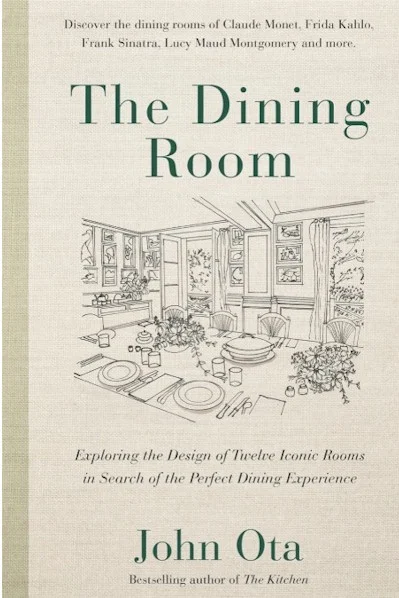
By Culinary Historians Editorial Desk
In the modern era, the dining room is often reduced to a multi-purpose surface—a home office, a storage space for mail, or an occasional stage for quick, functional meals. However, for architectural writer and cultural historian John Ota, the dining room remains the most sacred, transformative space in the human home. On Wednesday, May 13, 2026, the Culinary Historians will host Ota for a virtual deep dive into his latest literary endeavor, The Dining Room, published by Penguin Random House. This presentation promises to peel back the layers of domestic architecture to reveal how the rooms where we break bread have shaped the trajectory of our social and personal lives.
Main Facts: A Journey Through Iconic Spaces
The upcoming Zoom presentation is not merely an author talk; it is a visual and historical excursion. Ota’s research centers on twelve specific, iconic dining rooms that have served as the backdrops for some of history’s most influential figures.
Attendees can expect a multimedia experience, as Ota will screen exclusive video footage of these storied spaces, ranging from the intimate, vibrant sanctuary of Frida Kahlo to the refined, mid-century elegance of Frank Sinatra’s quarters. The list of subjects is as eclectic as it is profound, including:
- Claude Monet: Examining the intersection of Impressionist aesthetics and culinary ritual.
- Frida Kahlo: A look at the vibrant, communal heart of La Casa Azul.
- Frank Sinatra: The glamour and social orchestration of the Rat Pack era.
- Jackie Kennedy: The intersection of political power and domestic design in the White House.
- Dr. Martin Luther King Jr.: The dining room as a site of strategic discourse and familial grounding.
By examining these spaces, Ota bridges the gap between architectural theory and culinary sociology. He argues that a dining room is never just four walls and a table; it is a theater of human interaction, a laboratory for cultural evolution, and a repository of history.
Chronology: The Evolution of a Design Expert
John Ota’s expertise is rooted in a decades-long career that spans the highest echelons of architectural education and practice. His journey began in 1978, a year that marked the start of a lifelong dedication to the study of the built environment.
Academic Foundation
Ota’s intellectual pedigree is extensive. He holds degrees from three of North America’s most prestigious institutions:
- Columbia University: Providing a global perspective on urban and residential design.
- University of Toronto: Grounding his work in the practical realities of North American architectural history.
- University of British Columbia: Sharpening his focus on the intersection of design and environmental context.
Professional Trajectory
Following his formal education, Ota spent years practicing architecture in major metropolitan hubs, including Toronto, New York, and Vancouver. This professional experience—navigating zoning laws, client needs, and aesthetic constraints—provides him with a unique "insider" view of why certain spaces feel intuitive while others feel sterile.
The Path to Authorship
Ota’s transition to author was a natural evolution of his passion for historic houses. His previous work, The Kitchen, garnered significant critical acclaim, including finalist status for the 2021 Taste Canada Awards and the 2021 Paris Gourmand Cookbook awards. This success solidified his reputation as a chronicler of the domestic sphere, setting the stage for his current exploration of the dining room.
Supporting Data: Why the Dining Room Matters
In his upcoming presentation, Ota intends to do more than showcase beautiful photography. He plans to analyze the "era-accurate" recipes associated with these dining rooms, effectively turning his lecture into a sensory experience.
The Sociology of the Table
Supporting his thesis is the concept that the physical architecture of a room dictates the nature of the conversation held within it. Ota’s work suggests that:

- Light and Texture: The use of materials (e.g., Monet’s light-drenched walls vs. the moody, wood-paneled interiors of mid-century elites) affects the psychological state of the diner.
- Proximity: The physical distance between the host and the guest, facilitated by the size and shape of the dining table, alters the power dynamics of a meal.
- Historical Context: During the Civil Rights Movement, the dining table was a site of safety and planning for Dr. Martin Luther King Jr., proving that the dining room can act as a bastion of resistance against the chaos of the outside world.
The Methodology of Study
Ota’s methodology is rooted in the "traveling researcher" model. He spent years visiting historic homes across the globe, not just as a tourist, but as an analyst. By cooking regional foods in these spaces, he aims to understand the "lived experience" of the architecture. He contends that one cannot truly understand a room by looking at a blueprint; one must experience the flow of the room during the act of serving, eating, and cleaning.
Official Responses and Anticipation
The culinary and architectural communities have responded to the announcement of Ota’s talk with significant enthusiasm. Culinary Historians, an organization dedicated to the study of food as a vehicle for understanding history, has prioritized this event as a cornerstone of their spring programming.
"John Ota does not just talk about houses," says a spokesperson for the Culinary Historians. "He talks about the human spirit. By looking at these twelve iconic dining rooms, he allows us to see our own dining rooms—and the meals we share—in a completely different light. It is a lesson in intentionality."
Reviewers of The Dining Room have noted that the book serves as a perfect companion for both architecture enthusiasts and food lovers, bridging the gap between professional design and amateur cooking.
Implications: Reclaiming the Dining Room
The implications of Ota’s work are profound for the modern homeowner. In an era where "open concept" living has largely eradicated the formal dining room in favor of a kitchen-island-centric lifestyle, Ota asks a provocative question: What have we lost?
The Loss of Ritual
Ota’s presentation will likely argue that the abandonment of the dining room is symptomatic of a larger decline in ritualistic, slow dining. When we eat in front of screens or standing over counters, we disconnect from the historical lineage of the dining room as a site of communion.
Future Trends in Residential Design
Ota’s influence is expected to spark a trend of "dignified dining" in home renovations. His documentation of how figures like Jackie Kennedy used the dining room to host diplomats and artists highlights the room’s potential as a tool for soft power. Even in a private, domestic setting, the act of reclaiming the dining room as a dedicated space can foster stronger family bonds and more meaningful social connections.
Preservation of History
Finally, Ota’s work serves as a call to action for the preservation of historic homes. By documenting these spaces, he ensures that even if the physical walls of a home are altered by future owners, the cultural memory of those rooms remains intact.
Event Details and Access
For those interested in participating in this unique architectural and culinary exploration, the event will take place on Wednesday, May 13, 2026, at 7 PM Central Time.
- Format: The session will be held via Zoom.
- Inquiries: Those wishing to receive the meeting link or who have specific questions for Mr. Ota should contact the organizers at [email protected].
- Accessibility: Recognizing that global schedules may conflict, the Culinary Historians have confirmed that a recording of the program will be uploaded to their YouTube channel within 24 hours of the conclusion of the event.
As we look toward a future where our homes are becoming increasingly digital and multifunctional, John Ota’s The Dining Room reminds us that the most human experiences—eating, talking, and connecting—require a space of their own. Whether you are an architect, a history buff, or a home cook, this presentation offers a rare chance to look behind the curtains of history’s most famous tables and perhaps find inspiration for your own.

 Lina Hope
 Lina Irawan