 Dwi Wanna
 Nana Wu
 Muslim
 Reynand Wu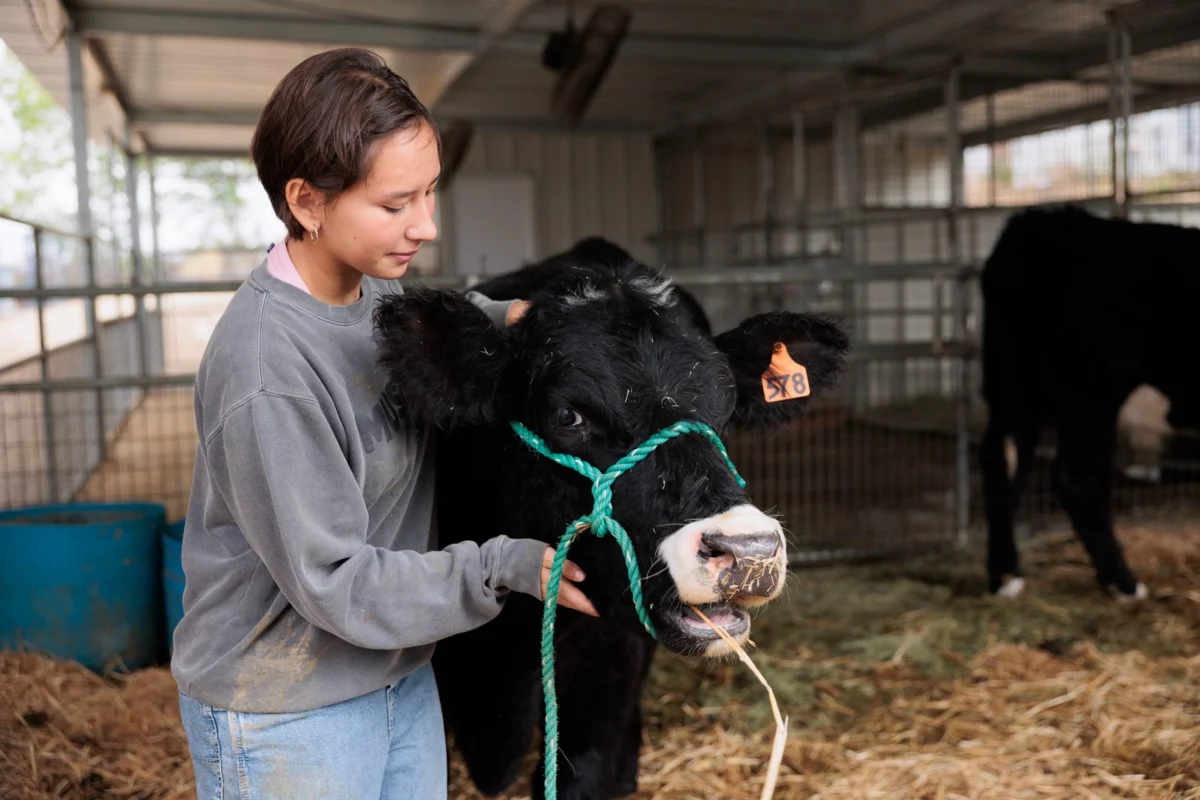
 Ammar Sabilarrohman
 Jia Lissa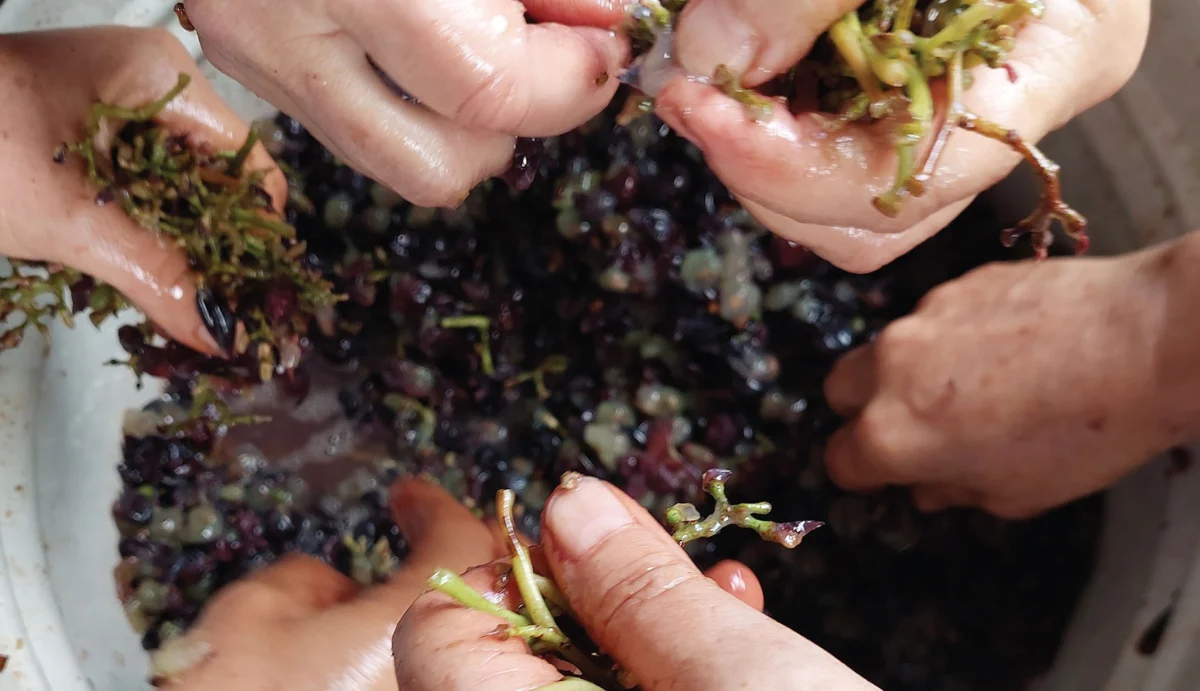
In the mid-20th century, the pharmaceutical giant Parke, Davis and Company commissioned a series of paintings titled Great Moments in Medicine. Among them, a 1952 portrait by Robert Thom depicts French chemist Louis Pasteur, bathed in a celestial light, clutching experimental flasks as his wife looks on from the shadows. To the Cold War viewer, this was a portrait of Western triumph—a scientist standing as the final bulwark against the "unruliness" of the microbial world.
For over a century, this antagonistic relationship has defined the human experience. We have been conditioned to view microbes as invaders to be eradicated or controlled. However, the latest issue of Gastronomica (Volume 26, Number 1) challenges this foundational narrative. Through a multidisciplinary lens, the journal’s new special section on microbes in food studies invites us to move beyond the "Pasteurian" era of combat and into a "post-Pasteurian" reality of cohabitation, collaboration, and complex entanglement.
The Chronology of Control: From Germ Theory to Microbiopolitics
The narrative of human-microbial relations has been one of escalating technological intervention.
- 1860s–1950s: The Pasteurian Hegemony. Louis Pasteur’s work ushered in an era where the primary objective of food science was sterilization and exclusion. Microbes were categorized as "invisible enemies," a threat to public health and industrial productivity.
- 1948–1964: The Golden Age of Pharmaceutical Glorification. As exemplified by the Parke-Davis Great Moments in Medicine series, the Cold War cemented the idea that human progress was measured by our ability to sanitize the world. Science was framed as a battleground where human ingenuity overcame the chaotic microbial "other."
- 2013: The Paxson Pivot. Anthropologist Heather Paxson’s landmark study, The Life of Cheese, fundamentally shifted the discourse. By examining American cheesemaking, Paxson highlighted how microbes are not just hazards to be mitigated, but active agents in creating value, flavor, and cultural meaning.
- 2026: The Post-Pasteurian Moment. Gastronomica 26.1 captures the current academic zeitgeist, where scholars from anthropology, geography, and the environmental humanities are mapping a new "microbiopolitics" that acknowledges microbes as co-constitutive members of our food systems.
The Invisible Architects: Microbes in Food Studies
In their introduction to the special section, editors Maya Hey and Sarah Elton argue that microbes are the "invisible center of food systems." They are not merely contaminants; they structure regulation, dictate flavor, and organize power dynamics across societal spheres.
The research presented in this issue draws on critical frameworks such as Foucauldian biopolitics and the "cyborg" theories of Donna Haraway. The contributing authors argue that we must abandon the binary of "sterile vs. spoiled" and begin to engage with microbes as collaborators in the materiality of our bodies and our diets.
Gender, Technology, and the Cyborg Milk
Annie Sandrussi’s research into the "cyborg politics of milk microbiota" serves as a striking example of these power dynamics. Sandrussi demonstrates how the management of milk production—from the raw product to precision-fermented substitutes—is deeply gendered. She reveals that microbial management often relies on the classification of animal bodies as "natural" or "unruly," using technoscientific control to mediate these bodies. The degree of intervention, she notes, is directly correlated to how closely a food product is associated with the feminized body, illustrating how patriarchal structures are embedded in our microbial policies.
Supporting Data: Biodynamics vs. Containment
The special section provides a granular look at how these theories manifest in the field, from vineyards to high-tech vertical farms.
Probiotic Approaches in Viticulture
Nikolai Siimes, Nick Lewis, and Emma L. Sharp explore how biodynamic wine producers are rejecting the "eradicatory ethics of violence" common in industrial farming. By adopting "probiotic" approaches—a term popularized by geographer Jamie Lorimer—these growers work with microbial communities rather than against them.
However, the authors avoid romanticizing this shift. They acknowledge that biodynamic farmers exist in a porous, often contradictory space, balancing the ecological imperatives of multispecies relationships with the economic pressures of global markets. Even in "natural" farming, human-microbial relationships must still serve anthropocentric goals.
The Paradox of Vertical Farming
Conversely, the study by Lukáš Senft, Tereza Stöckelová, and Varvara Borisova on vertical farming and cultivated meat reveals that even cutting-edge technologies are often bound by old, Pasteurian logics. These facilities rely on microbial collaboration to function, yet they are governed by a politics of intense containment. By attempting to "clean" the indoor environment of "unwanted" microbial encounters, vertical farmers replicate the productivist, efficiency-driven mindsets of the 1950s, highlighting a persistent tension between innovation and the desire for absolute control.
Official Perspectives: Rethinking Terroir and Belonging
A significant contribution of this issue is its deconstruction of "terroir." Traditionally defined as the physical and environmental characteristics of a place, the contributors argue that terroir must be expanded to include human-microbial interventions.
- Digestive Belonging: Overstreet’s ethnography of raw milk farmers introduces the concept of "digestive belonging," suggesting that our guts are biologically and immunologically "remade" by the environments we inhabit. This suggests that terroir is not just in the soil, but in the gut.
- Connected Foods: Sevgi Mutlu Sirakova’s work on migrant foodways shows how fermentation travels across borders. Microbes, in this context, are "carriers of bio-cultural diversity," linking the hands of the maker to the marketplace in a new country. Here, terroir is a relational, mobile quality rather than a fixed geographic one.
Implications: The Anthropocene and the "Microbial Moment"
The overarching implication of this special section is that we are currently living through a unique "microbial moment." The authors contend that we cannot solve the ecological challenges of the Anthropocene by simply swinging from Pasteurian control to a naive, post-Pasteurian symbiosis. Instead, we must develop a "constantly evolving and open-ended" responsiveness.
Standalone Insights: The Cold War and the Cake
The journal also features three standalone articles that provide context for our current cultural anxieties. Rebecca Burditt’s study of cake imagery between 1945 and 1960 offers a fascinating parallel to the microbial discourse. She argues that the rise of the "cake mix" reflected the same Cold War contradictions as the Great Moments in Medicine paintings—a desperate attempt to impose control and domestic order on a world terrified by the fragility of gender norms and the looming threat of the atomic bomb.
Minh-Ha T. Pham’s research on Vietnamese war brides and diplomats adds a necessary layer of human history to this narrative, tracing how networks of mutual aid established the foundations of Vietnamese culinary presence in America decades before the mainstream "foodie" boom.
Finally, Phoebe Mitchem’s essay, "(Don’t) Let Them Eat Cake," provides a cautionary note on the current obsession with "food freedom." For those with chronic illness or allergies, the discourse of "food freedom" can be an illusion that ignores the reality of bodily risk. Mitchem suggests a middle path: "food fascination," a state of balanced, informed engagement with what we eat.
Conclusion
The latest issue of Gastronomica acts as a vital corrective to the century-long narrative that pitted human progress against microbial life. By analyzing the "messy, ambivalent entanglements" of our food systems, the contributors provide a roadmap for navigating the future.
Whether it is the "connected foods" of migrants, the probiotic viticulture of European farmers, or the anxieties of the postwar kitchen, these articles collectively suggest that our relationship with microbes is not a fixed historical triumph. It is, and always has been, a dynamic, ongoing negotiation. As we move further into the 21st century, the ability to thrive will likely depend not on our capacity to dominate the microbial world, but on our willingness to recognize ourselves as part of it.

 Lina Hope
 Lina Irawan