 Dwi Wanna
 Nana Wu
 Muslim
 Reynand Wu
 Ammar Sabilarrohman
 Neng Nana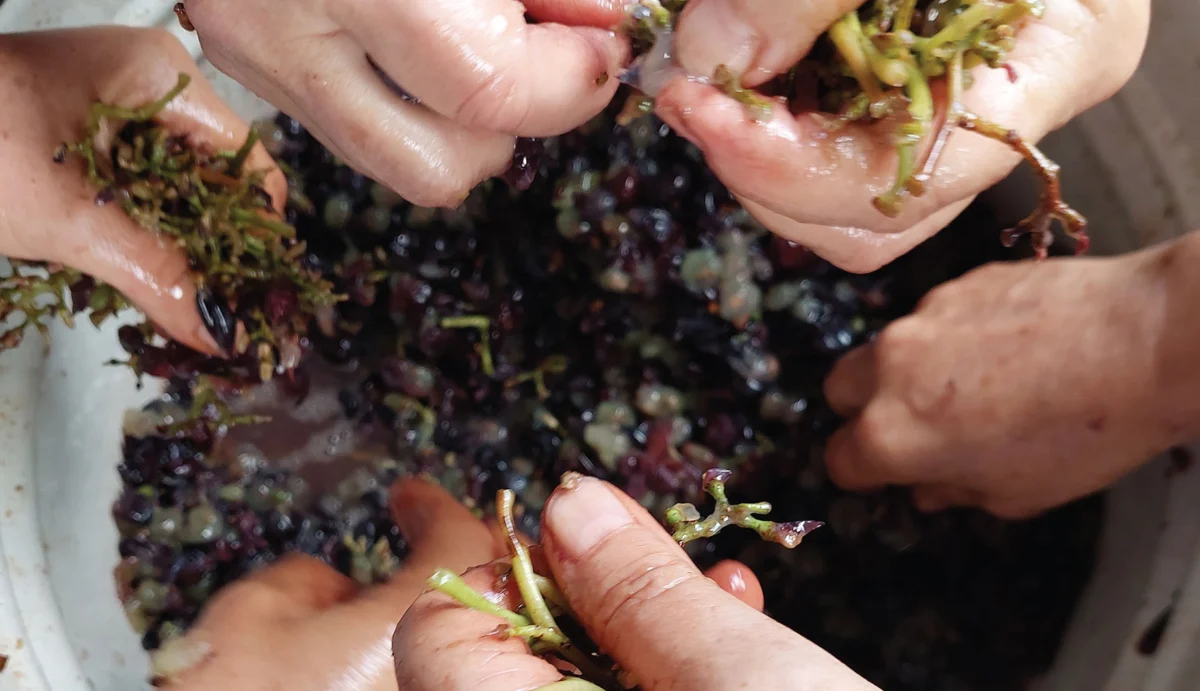
In 1952, portrait artist Robert Thom captured a vision of scientific conquest that would define the mid-20th century. His depiction of French chemist Louis Pasteur, bathed in the light of experimental flasks, served as a centerpiece for the Great Moments in Medicine series—a sprawling propaganda effort commissioned by the pharmaceutical titan Parke, Davis and Company. The image was clear: Pasteur was a warrior, and his field of battle was the microbial world. For over a century, this antagonistic ethos of “combating,” “persisting,” and “triumphing” over microbial life has governed Western medicine, agriculture, and our personal relationships with the food on our plates.
However, as the Spring 2026 issue of Gastronomica reveals, we are entering a new, more complex epoch. Through a multidisciplinary deep dive into the “microbial moment,” researchers are challenging the binary of sterility versus infection, arguing that we are moving from a regime of total control to one of collaborative cohabitation.
The Pasteurian Legacy: A Century of Antagonism
The narrative of Western progress has long been predicated on the mastery of nature. During the height of the Cold War, the Great Moments in Medicine series—written by pharmacist and amateur historian George A. Bender—framed Pasteur’s work not merely as scientific discovery, but as a moral crusade. Microbes were characterized as “unruly” forces, and the human response was defined by containment and eradication.
This Pasteurian regime had a profound impact: it rendered the microbial world largely invisible in our day-to-day lives. We sanitized our environments, processed our food into sterile substrates, and viewed the gut microbiome as an alien landscape to be managed. This worldview prioritized human supremacy, creating food systems that relied on the rigid regulation of biological matter to ensure safety and efficiency.
Chronology: From Erasure to Entanglement
The evolution of our relationship with the microscopic world can be viewed through three distinct historical phases:
- The Pre-Pasteurian Era: A period defined by traditional, often intuitive practices of fermentation and preservation, where microbial presence was acknowledged through taste and texture, albeit without modern biological labels.
- The Pasteurian Century (1860s–2000s): The era of the "war on microbes." The development of germ theory led to industrial-scale sanitization. Food safety became synonymous with the removal of microbial life, leading to the rise of shelf-stable, hyper-processed goods and the marginalization of traditional fermenting practices.
- The Post-Pasteurian Moment (Present Day): Influenced by scholars like Heather Paxson, this era recognizes that control is an illusion. It acknowledges that microbes are the “invisible center” of our food systems—structuring our institutions, our bodily health, and our cultural identities.
Supporting Data: The New Microbial Ethnography
The special section of Gastronomica (Vol. 26.1) brings together perspectives from across the globe—including Czechia, Germany, South Africa, and the United States—to dismantle the idea that microbes are merely enemies to be conquered.
The Cyborg Politics of Milk
In her study, The Cyborg Politics of Milk Microbiota, Annie Sandrussi explores the intersection of gender and biotechnology. She argues that the management of milk is inherently gendered, reflecting a "biopolitics of control." By applying Donna Haraway’s concept of the "cyborg," Sandrussi demonstrates how microbial management in dairy—from traditional cheese to precision-fermented products—is a reflection of how we view "natural" versus "unruly" feminized bodies. The more a product is distanced from the biological source, the less mediation it requires, yet this detachment often masks the deep-seated technological control exerted over the living animal.
Biodynamic Viticulture: The Probiotic Approach
Conversely, researchers Nikolai Siimes, Nick Lewis, and Emma L. Sharp examine the "probiotic" approaches of biodynamic wine producers. These farmers resist the "eradicatory ethics" of conventional viniculture, choosing instead to work in concert with microbial life. Their research highlights a crucial tension: while these growers prioritize ecological health over pure financial gain, they must still navigate the economic imperatives of the Anthropocene. Their work suggests that "terroir" is no longer just about soil and climate—it is a relational quality, a "messy entanglement" between humans, non-human actors, and the land.
The Paradox of Vertical Farming
Perhaps the most striking critique comes from Lukáš Senft, Tereza Stöckelová, and Varvara Borisova, who analyze the "microbiopolitics" of vertical farming and cultivated meat. Despite the sophisticated, high-tech nature of these environments, they are fundamentally built on a politics of containment. By attempting to reduce human-microbial encounters, these systems inadvertently replicate the productivist, extractive logic of the industrial farming they seek to replace.
Official Perspectives: The Ethics of "Digestive Belonging"
A recurring theme in this new scholarly discourse is the concept of "digestive belonging," a term popularized by ethnographic researcher Overstreet. This concept suggests that our guts are not merely vessels for nutrients but are "remade, immunologically and biologically" by the environments we inhabit. When we consume raw, farm-grown products, we are literally integrating the microbial landscape of that specific place into our own bodies.
This challenges the notion of food freedom. While modern diet culture often promotes the ability to consume anything at any time as the ultimate marker of "freedom," this view ignores the reality of nutritional risk and biological necessity. As contributor Phoebe Mitchem notes in her exploration of severe food allergies, the goal should not be the illusion of unconstrained eating, but rather "food fascination"—a balanced, informed, and respectful interest in the materiality of what we ingest.
Implications: The Future of the Microbial Moment
The implications of this shift are profound. If we move away from the Pasteurian mandate of total control, we must adopt what the Gastronomica contributors call "adaptable responsiveness."
Rethinking Terroir and Migration
The research into migrant foodways—specifically how traditional preserved foods carry "microbial relations" across borders—suggests that our current obsession with border control and biosafety can actively erode bio-cultural diversity. When we prevent the movement of informal, fermented foods, we are essentially severing the biological ties that migrants maintain with their home landscapes.
The Role of the Anthropocene
We are currently in a "microbial moment" that demands a departure from the static, linear history of scientific progress. The Anthropocene, characterized by rapid climate change and ecological instability, requires us to view microbes as co-constitutive partners.
Conclusion: A New Symbiotic Imaginary
The articles compiled in this issue of Gastronomica do not suggest that we abandon food safety or scientific rigor. Rather, they argue that our current predicament requires a move toward a "symbiotic imaginary." Whether it is through the meticulous management of dairy, the careful cultivation of biodynamic wine, or the consumption of fermented foods that link us to our ancestral landscapes, we are tasked with moving beyond the binary of control versus chaos.
As we look back at Robert Thom’s 1952 painting of Louis Pasteur, we see a snapshot of a world that desperately wanted to believe in its own total mastery over nature. Today, we know better. The flask is not a barrier that separates us from a dangerous, unruly world; it is a lens that reminds us of our own porous, biological reality. We are not the masters of the microbial world; we are its hosts, its collaborators, and its students. In the end, as the contributors to Gastronomica suggest, flourishing in the 21st century means acknowledging that we are, and have always been, inextricably entangled with the life that we once tried so hard to exclude.

 Lina Hope
 Lina Irawan