
 Dwi Wanna
 Nana Wu
 Muslim
 Reynand Wu
 Ammar Sabilarrohman
 Lina Hope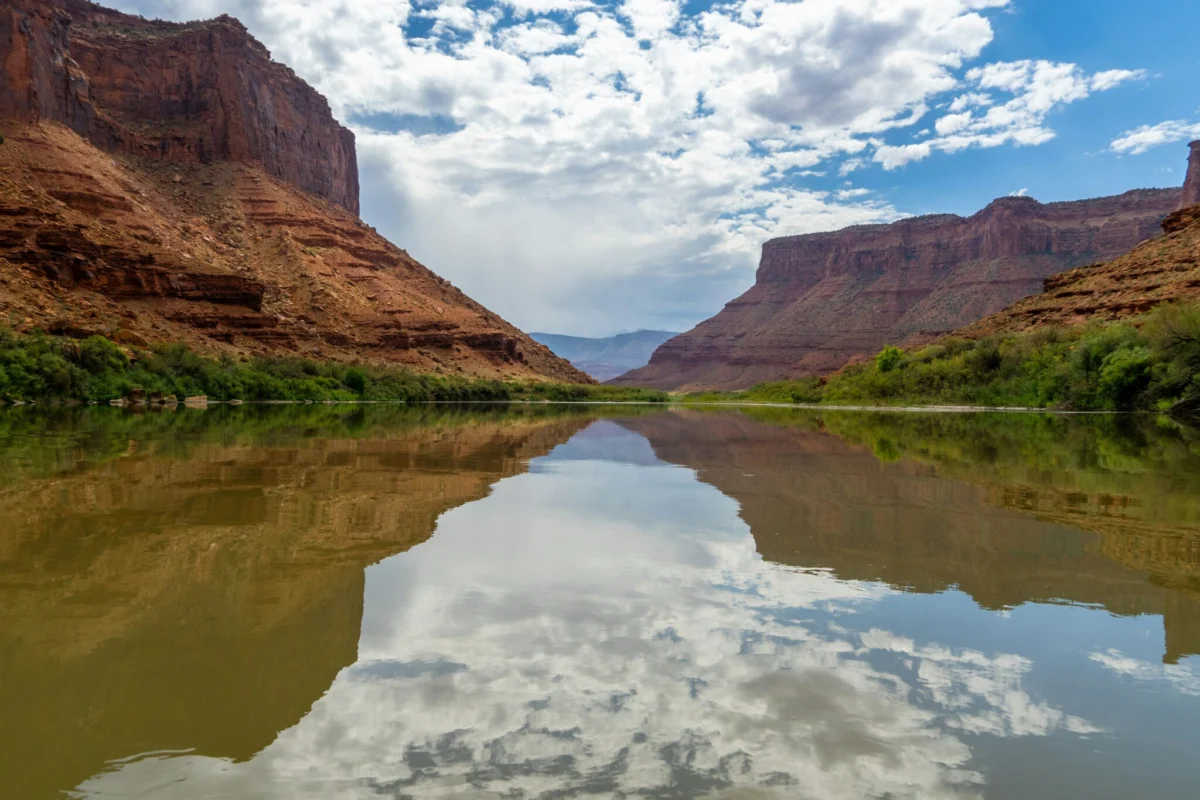
Each week, Food Tank curates a selection of news stories that demand our attention—ranging from policies that incite alarm to innovations that spark hope. This week, we face a sobering reality: the fundamental pillars of our food system—pollinators, economic access, and water security—are under unprecedented strain. As the climate shifts and institutional support wanes, the global community stands at a critical juncture.
1. The Pollinator Paradox: USDA Proposals Threaten Essential Research
Pollinators are the uncredited laborers of the global food economy. From the almonds of California to the coffee crops of the tropics, bees and other insects serve as the biological engine for a significant portion of the human diet. Yet, these essential workers are facing a catastrophe of their own making—and ours.
The Scale of the Collapse
The data is grim. Wild bee and native pollinator populations are in freefall, and the commercial beekeeping industry is echoing this decline. Last year, U.S. commercial beekeepers reported a staggering 60% colony loss rate, the highest ever recorded since systematic tracking began. This is not merely an environmental tragedy; it is an economic and nutritional one.
The Institutional Retreat
At the precise moment when scientific intervention and support are most needed, the U.S. Department of Agriculture (USDA) has proposed the closure of critical bee research facilities. Among those on the chopping block is the Beltsville Bee Research Lab in Maryland. For over a century, this institution has functioned as a bulwark against colony collapse, providing vital disease diagnostics and breeding research.
The move to shutter these labs is part of a broader, concerning trend of federal divestment from agricultural science. By defunding the very institutions tasked with solving the "pollinator puzzle," the USDA risks leaving farmers and the food supply vulnerable to diseases and climate-related stressors that these labs were uniquely positioned to mitigate.
2. A Silent Crisis: The Reemergence of U.S. Food Insecurity
While scientific infrastructure for agriculture is being dismantled, the American public is grappling with a parallel crisis: the erosion of food access.
The Data Gap
Last year, the USDA controversially ceased collection of specific food insecurity data, dismissing the studies as "redundant" and labeling their findings as "fear-mongering." However, the disappearance of official government tracking does not equate to the disappearance of the problem.
New Findings from the Fed
A report released last week by the Federal Reserve Bank of New York confirms what many families have felt in their grocery bills: food insecurity has reached its highest level in six years. Alarmingly, this crisis has now surpassed the levels observed during the summer of 2020, at the height of the COVID-19 pandemic’s economic upheaval.
Key Metrics of the Crisis:
- National Average: Roughly 10% of American families report missing meals due to financial constraints.
- Income Disparity: For lower-income households, that figure doubles, with nearly 20% of families reporting that they must skip meals or go entirely without food to meet other financial obligations like rent and fuel.
As grocery prices remain inflated due to tariffs and supply chain volatility, families are being forced to make "impossible choices." This domestic crisis coincides with warnings from the FAO (Food and Agriculture Organization) regarding a potential global food security collapse. Geopolitical conflicts, rising energy costs, and disruptions to fertilizer supplies threaten to lower global crop yields, potentially turning a national crisis into a systemic international emergency.
3. The Arid Future: The Colorado River and Water Governance
As food access wavers, the water that produces that food is drying up. The Colorado River, the lifeblood of the American West, is currently at a historic low.
The Impending Legal Cliff
The governing framework for the Colorado River—which supplies water to 40 million people and irrigates millions of acres of farmland—is set to expire at the end of 2026. Despite years of intense negotiation, the seven basin states (California, Arizona, Nevada, Colorado, Utah, Wyoming, and New Mexico) have failed to reach a unified consensus on future management.
Climate Change as the Arbiter
Two decades of "megadrought," compounded by rising temperatures and a dwindling mountain snowpack, have reduced the river’s flow to a trickle. The system’s primary reservoirs, Lake Mead and Lake Powell, remain at historic lows. The upcoming negotiations are not merely administrative; they are existential. The decisions made this year will determine who receives water, how much it costs, and which sectors of the agricultural economy—and the rural communities that support them—will survive the coming decades.
4. Lessons from the Drylands: A Blueprint for Resilience
In the face of these compounding threats, where can we look for solutions? The answer may lie with those who have lived through these conditions for generations: the dryland farmers.
Ecological Intelligence
Farmers in regions like East Africa and central Australia have spent centuries mastering the art of production in water-scarce environments. They do not view drought as an anomaly, but as a condition to be managed. Their traditional ecological knowledge, combined with modern innovation, offers a template for climate-resilient agriculture.
As Éliane Ubalijoro of CIFOR-ICRAF recently noted, drylands are not "barren"—they are "rich with opportunity, ecological intelligence, and the potential to drive resilience." Food Tank has identified 10 specific dryland crops that, if adopted more widely, could transform arid landscapes into biodiversity and food security hotspots. By shifting our focus from water-intensive monocultures to resilient, drought-tolerant systems, we can begin to build a more adaptive food infrastructure.
5. Food as Medicine: A Paradigm Shift in Healthcare
Amidst the gloom of policy closures and resource depletion, the recent FIMCON (Food is Medicine Conference) in Washington, D.C., offered a ray of optimism. The event highlighted a growing movement of healthcare providers, researchers, and advocates working to integrate nutrition into the heart of the medical system.
Integrating the Farm and the Pharmacy
The "Food is Medicine" movement asserts that access to nutrient-dense, healthy food is not just a social service—it is a medical necessity. By treating chronic diseases through diet, we can reduce the systemic strain on our healthcare system. However, the next phase of this movement must include the producer. For "Food is Medicine" to be truly sustainable, farmers must be at the center of the dialogue, ensuring that the supply chain for these health-focused programs is localized, fair, and resilient.
Implications: Moving Forward
The stories of the past week paint a complex, interconnected picture. We are witnessing the dismantling of the scientific apparatus needed to protect our pollinators, a surge in domestic hunger, a crisis of water rights in the West, and an urgent need for agricultural innovation.
The common thread is the need for a shift in priorities. We cannot hope to solve the food security crisis while simultaneously defunding agricultural research, nor can we ignore the climate realities of our water systems while expecting our food supply to remain stable.
The path forward requires:
- Reinvestment: Restoring and expanding federal support for agricultural research facilities like the Beltsville Bee Lab.
- Accountability: Ensuring that government agencies maintain transparent, reliable data on food insecurity so that policy is informed by reality, not political optics.
- Cooperation: Reaching a durable, equitable agreement on Colorado River management that prioritizes long-term sustainability over short-term usage rights.
- Adaptation: Integrating the knowledge of dryland farmers into global climate strategies and embracing "Food is Medicine" as a foundational element of public health policy.
As these challenges intensify, the role of informed citizens has never been more critical. The food system is not a machine that runs on its own; it is a human-managed endeavor that requires constant vigilance, scientific rigor, and an unwavering commitment to the people and the ecosystems that make our sustenance possible.
Articles like the one you just read are made possible through the generosity of Food Tank members. Can we please count on you to be part of our growing movement? Become a member today by clicking here.
Photo courtesy of Mike Newbry, Unsplash


 Azzam Bilal Chamdy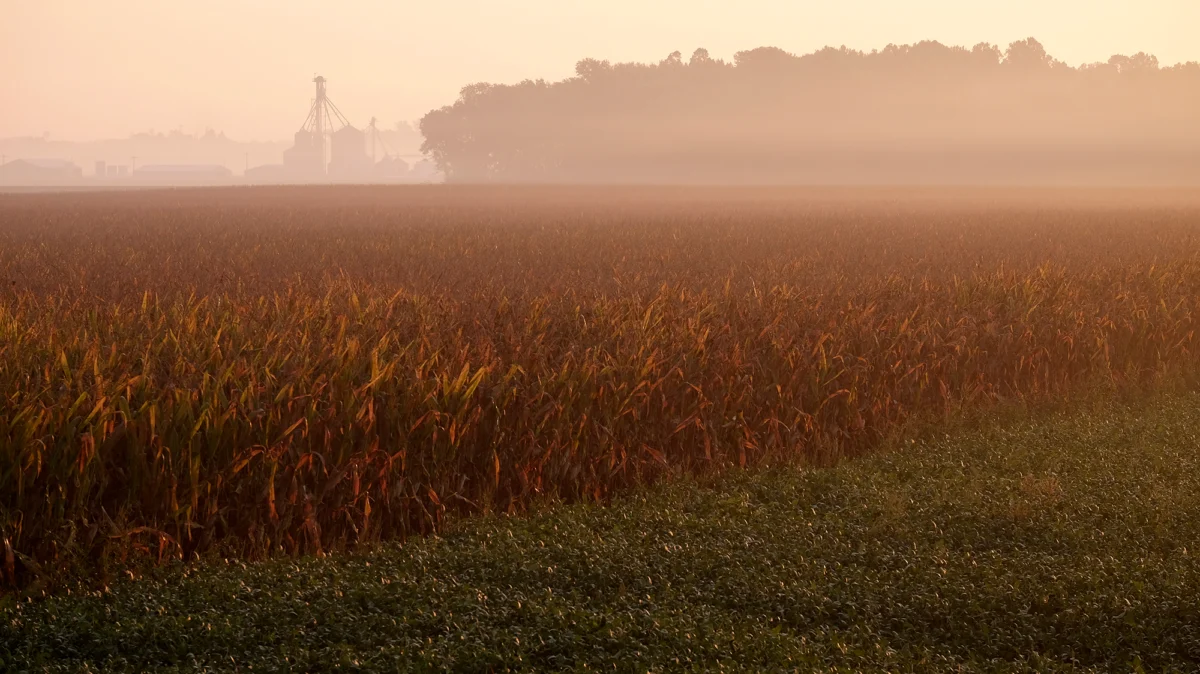
 Ali Ikhwan