

 Raul Delapena Setiawan
 Ammar Sabilarrohman
 Lina Irawan
 Suro Senen
 Ali Ikhwan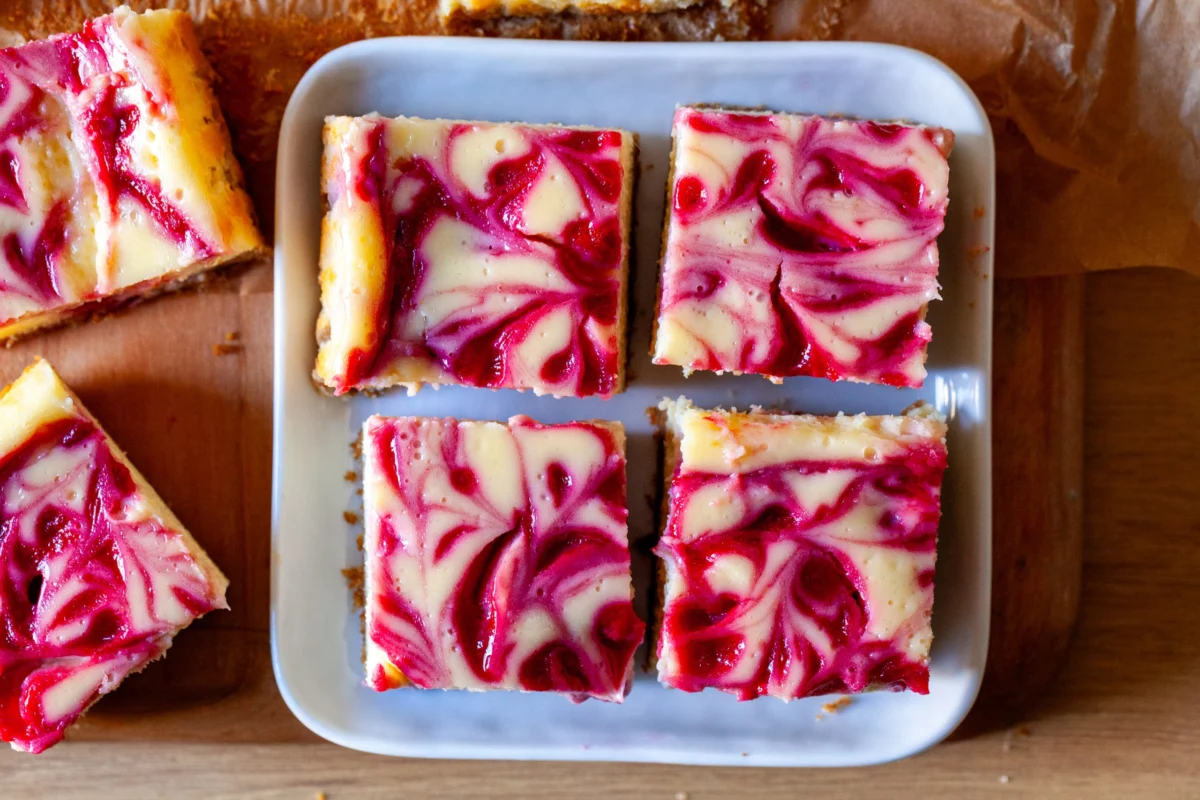
In the world of home baking, few desserts command as much respect—or induce as much intimidation—as the cheesecake. Often associated with the painstaking precision of water baths, long cooling periods, and the looming threat of surface cracks, the cheesecake is frequently reserved for special occasions. However, a new approach to this classic dessert, the Raspberry Swirl Cheesecake Bar, is effectively democratizing the experience, turning a high-maintenance showstopper into a versatile, picnic-ready staple that bridges the gap between sophisticated pastry and accessible comfort food.
Main Facts: The Anatomy of a Modern Dessert
The Raspberry Swirl Cheesecake Bar represents a shift in culinary focus: from the tall, monolithic, crust-heavy rounds of traditional New York bakeries to a more portable, manageable, and aesthetically vibrant format. At its core, the recipe relies on a trio of fundamental components:

- The Buttery Foundation: A graham cracker crust provides a structural base, grounded in salt and sugar to contrast the richness of the dairy.
- The Creamy Core: A velvety cheesecake batter, brightened by lemon zest and juice to cut through the density of the cream cheese.
- The Raspberry Swirl: A concentrated, seedless puree that acts as both a flavor enhancer—introducing a sweet-tart profile—and a visual element, creating a marbleized aesthetic.
Unlike traditional cakes, these bars are designed for efficiency. By utilizing an 8×8-inch square pan, the bars achieve an ideal ratio of crust to custard, ensuring that each bite is balanced. Furthermore, the inclusion of fresh raspberries, particularly those that have begun to soften, serves a dual purpose: it reduces food waste while providing a deeper, more saturated pigment for the decorative swirl.
Chronology: From Concept to Kitchen Success
The development of a successful cheesecake bar involves a deliberate sequence of preparation that prioritizes texture and visual appeal.

Phase 1: The Foundation
The process begins with the oven preheated to 325°F. A parchment-lined square pan is essential, acting as a sling for the finished product. The crust is pressed firmly into the bottom, providing a structural anchor. A brief ten-minute bake ensures the crumbs hold their shape when the heavy batter is added.
Phase 2: The Fruit Infusion
Simultaneously, the raspberry component is prepared. Fresh raspberries are processed into a smooth puree and passed through a fine-mesh sieve. This step is critical; removing the seeds ensures a silky mouthfeel that mirrors the texture of the cheesecake itself, rather than introducing the gritty interference of fruit pulp.

Phase 3: The Batter Construction
The cheesecake batter is engineered for simplicity. Whether using a standard stand mixer or a food processor, the goal is aeration without over-mixing. The addition of lemon zest and juice is the "secret" to professional-grade flavor, providing the necessary acidity to lift the heavy, fat-forward profile of the cream cheese.
Phase 4: The Marbling Technique
Perhaps the most artistic stage, the assembly requires a two-tiered approach to the raspberry sauce. By injecting the puree deep into the batter and dotting the surface, the baker ensures a "tie-dye" effect that penetrates throughout the depth of the bar, rather than just sitting on the surface. A simple toothpick, dragged through the sauce in geometric patterns, completes the visual transformation.

Phase 5: The Chill and Set
The final, and often most difficult, step is the patience required for the setting process. After a 40-to-50-minute bake, the bars must undergo a gradual cool-down. A 15-minute rest on the counter is followed by a prolonged period in the refrigerator. This allows the proteins in the egg and the fats in the cheese to stabilize, resulting in a clean, professional cut.
Supporting Data: Why This Recipe Succeeds
The endurance of the cheesecake as a culinary icon is rooted in its versatility, yet the "bar" format is statistically more likely to be attempted by home bakers than the traditional springform cake. Data from home baking trends suggest that recipes requiring less equipment—such as the single-pan square method—see a higher success rate and a lower abandonment rate during the preparation process.

The specific inclusion of lemon is not merely a flavor preference but a chemical necessity. Cream cheese is highly rich; without an acidic element, the palate quickly fatigues. The zest acts as a palate cleanser, allowing the consumer to appreciate the nuances of the raspberry without being overwhelmed by the dairy fat.
Furthermore, the "do-ahead" nature of the bars—with a shelf life of five to seven days in the refrigerator—positions them as the ultimate host’s secret weapon. They are one of the few desserts that actually improve with time, as the flavors meld and the texture firms up, making them an ideal candidate for meal planning or party preparation.

Official Perspectives: The Philosophy of Ease
For culinary experts and enthusiasts alike, the Raspberry Swirl Cheesecake Bar serves as a counterpoint to the "perfectionism" that often plagues modern baking. The visual appeal of these bars—which mimic the patterns of marble or smoke—is inherently forgiving. Unlike a plain cheesecake, where a single crack on the surface is seen as a failure, the swirl pattern acts as a functional camouflage.
Culinary professionals often argue that the best recipes are those that "under-promise and over-deliver." By stripping away the need for water baths or precise temperature monitoring, the recipe removes the "cheffy brilliance" requirement, shifting the focus back to the ingredients. It suggests that a high-quality dessert is not defined by its difficulty, but by the thoughtful balance of flavors and textures.

Implications: The Future of the Home Bakery
The rise of the cheesecake bar reflects a broader movement toward "efficient indulgence." As lifestyles become busier, the demand for desserts that are easy to store, transport, and serve will continue to grow. The cheesecake bar, with its ability to be sliced into sixteen uniform squares, is perfectly aligned with this need for portion control and convenience.
Moreover, the versatility of the fruit swirl suggests a new canvas for bakers. Once the technique of "underwater" and surface piping is mastered, the possibilities for customization are endless. From blackberry-thyme to passionfruit-mango, the structural integrity of the cheesecake base remains the same, while the flavor profile can be adapted to suit any season or dietary preference.

In conclusion, the Raspberry Swirl Cheesecake Bar is more than just a recipe; it is a masterclass in how to simplify a luxury. By focusing on fundamental techniques—a firm crust, a balanced batter, and an artistic fruit application—home bakers can produce a dessert that rivals the output of professional patisseries. It stands as a reminder that the best desserts are not always those that require the most effort, but those that bring the most joy to the table. Whether served at a summer picnic or a formal dinner, the bars represent the perfect union of science, art, and accessibility, ensuring that the legacy of the cheesecake continues to evolve for a new generation of bakers.


 Evan Lee Salim
 Azzam Bilal Chamdy