

 Dwi Wanna
 Nana Wu
 Muslim
 Reynand Wu
 Ammar Sabilarrohman
 Laily UPN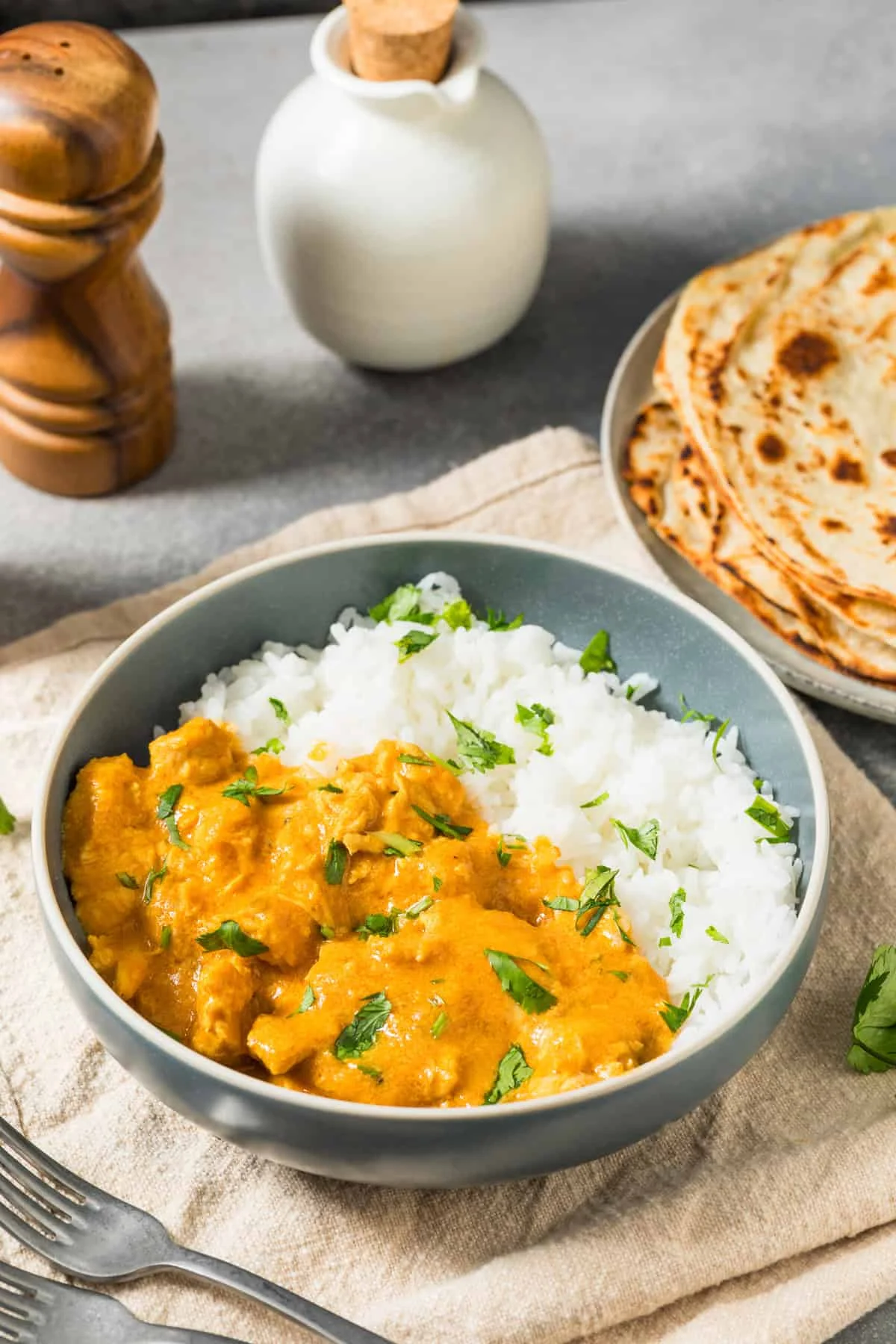
In the landscape of modern home cooking, few dishes have managed to bridge the gap between exotic flair and weeknight accessibility as effectively as the Mango Chicken Curry. A vibrant, aromatic, and deeply satisfying creation, this one-pot wonder has surged in popularity, becoming a staple for families seeking to elevate their dinner routines without the burden of complex preparation. By marrying the velvety, tropical sweetness of fresh mango with the deep, savory umami of traditional Thai-inspired aromatics, this dish represents the pinnacle of modern culinary fusion.
Main Facts: The Anatomy of a Perfect Curry
At its core, the Mango Chicken Curry is a study in balance. The secret to its success lies in the interplay between ingredients that, at first glance, might seem disparate. Mango, often relegated to the realm of desserts or salads, reveals its true potential when simmered into a savory base. Its natural profile—reminiscent of peach, pineapple, and apricot—acts as a counterpoint to the heat of red curry paste and the richness of coconut milk.
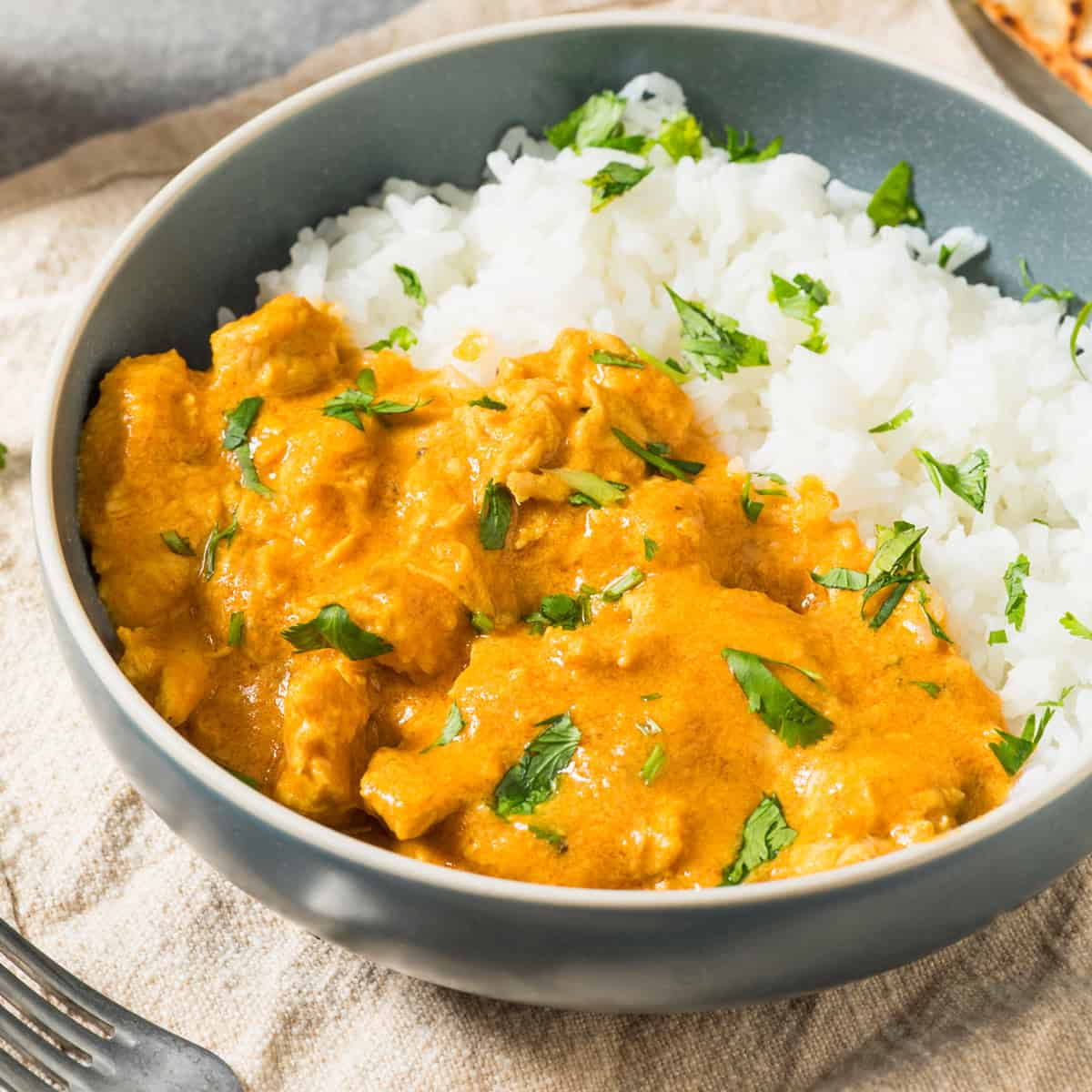
This dish is naturally dairy-free and gluten-free, making it an inclusive centerpiece for gatherings where dietary restrictions are a factor. The result is a meal that provides a complex flavor profile while remaining remarkably simple to execute. Whether one is a novice cook or a seasoned home chef, the methodology remains forgiving, relying on the quality of ingredients rather than high-level technical skill.
Chronology: From Prep to Plate
The efficiency of the Mango Chicken Curry is one of its most cited benefits. A typical preparation, requiring roughly 40 minutes from start to finish, follows a precise, logical flow designed to build layers of flavor.
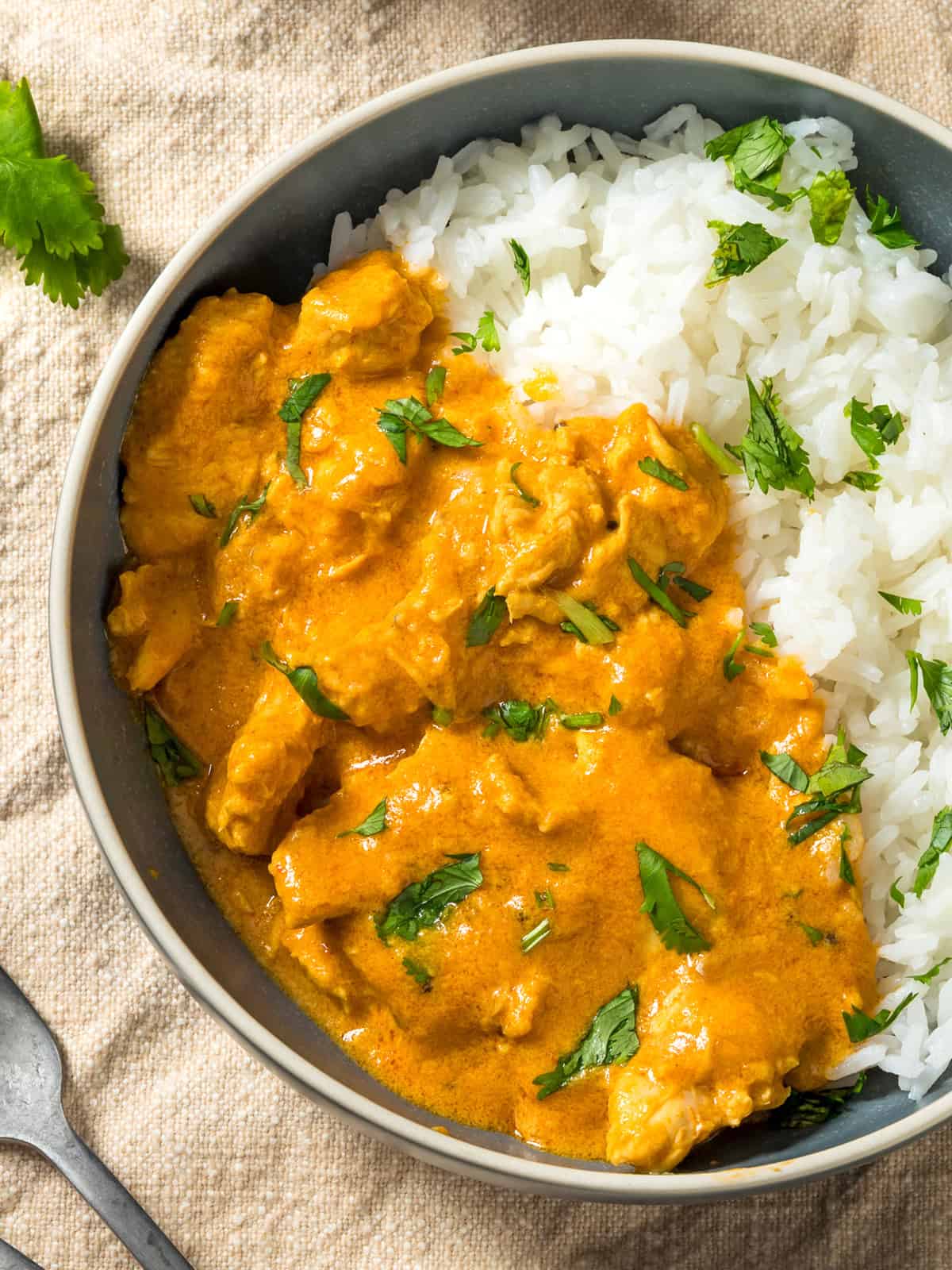
- The Foundation (0–5 minutes): The process begins with the gentle sweating of onions in coconut oil within a high-sided skillet or Dutch oven. This foundational step establishes the aromatic base.
- The Aromatic Bloom (5–7 minutes): Garlic, ginger, fresh chili, and the essential spice blend—curry powder and red curry paste—are introduced. Cooking these for a minute allows the essential oils to release, creating a fragrant "bloom" that defines the dish’s identity.
- The Mango Infusion (7–10 minutes): Mango chunks are added, allowing them to soften slightly. This is the crucial moment where the fruit begins to dissolve into the sauce, creating a thick, buttery texture.
- The Simmer (10–20 minutes): Coconut milk and fish sauce are whisked in. At this stage, the mixture is traditionally pureed to achieve a smooth, velvety consistency. After blending, the chicken and kaffir lime leaves are introduced, simmering together until the protein is tender and fully infused with the aromatic broth.
- Final Touches (35–40 minutes): The final seasoning—a squeeze of fresh lime juice to cut the richness, and a pinch of sugar or extra fish sauce to taste—allows for the final adjustment of the flavor profile before serving.
Supporting Data: Nutritional Density and Culinary Appeal
For those monitoring their nutritional intake, the Mango Chicken Curry offers a robust profile. A standard serving provides approximately 455 kcal, with a significant 39 grams of protein per serving, making it an excellent choice for those seeking sustained energy.
- Macronutrient Profile: With 25g of carbohydrates and 22g of fat (largely derived from heart-healthy coconut fats), the dish is balanced.
- Micronutrient Wealth: The inclusion of fresh mango ensures a significant boost in Vitamin A and Vitamin C, contributing to the dish’s overall health profile.
- Accessibility: The 10-minute prep time versus the 30-minute cook time highlights its utility for busy professionals and families. Furthermore, the dish is inherently suited for meal prep; its flavor profile deepens over 24 hours, and it remains stable in the freezer for up to three months.
Culinary Implications: Why This Dish Matters
The rise of the Mango Chicken Curry speaks to a larger shift in global culinary trends. Consumers are increasingly seeking "approachable globalism"—flavors that are rooted in specific cultural traditions (in this case, Thai influences) but adapted for the pantry of the average western home.
The Role of Ingredient Substitution
The dish’s resilience is a testament to its design. Should a cook lack specific ingredients, the framework allows for improvisation.
- The Mango: While fresh, ripe mango is ideal, frozen chunks are a perfectly acceptable substitute, ensuring the dish remains seasonal-proof.
- The Protein: While chicken is the traditional choice, the sauce base is robust enough to pair with chickpeas for a vegetarian alternative or white fish for a lighter, coastal interpretation.
- The Heat: By adjusting the volume of Thai red curry paste, the dish can be scaled from mild enough for children to a fiery, authentic heat level suitable for spice enthusiasts.
The Art of the Garnish
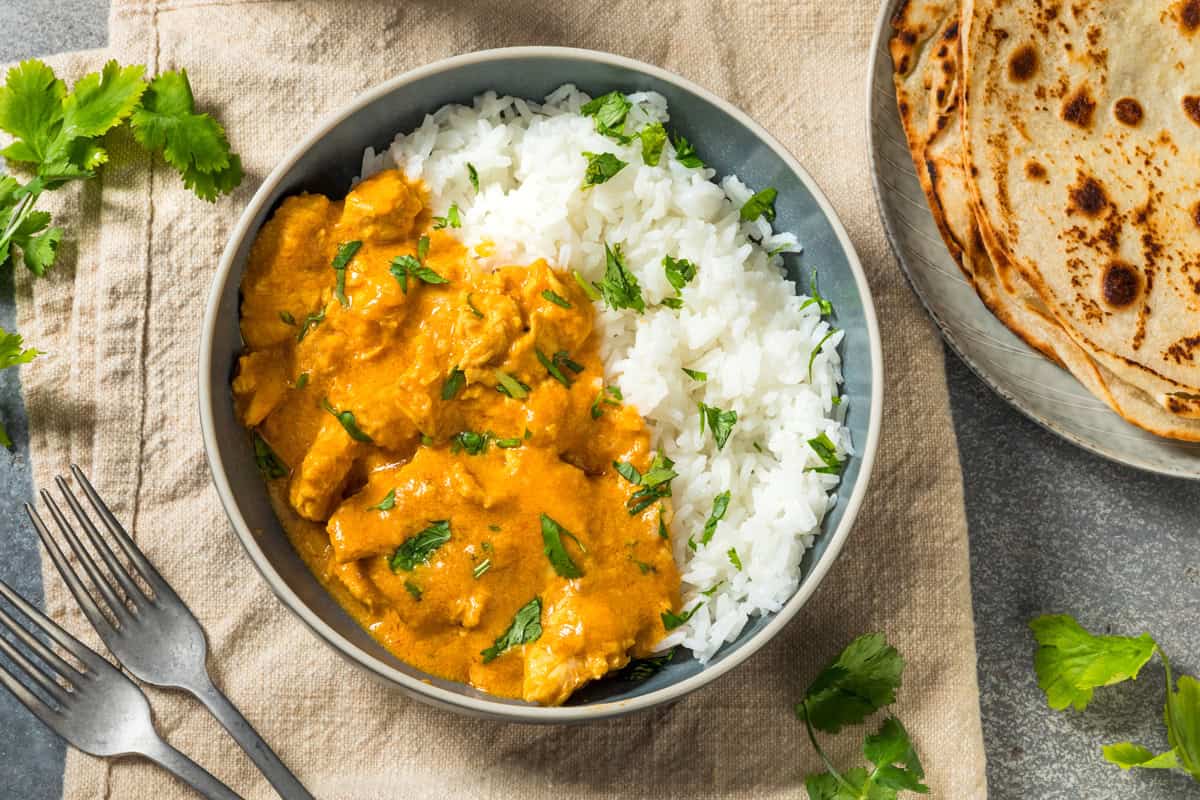
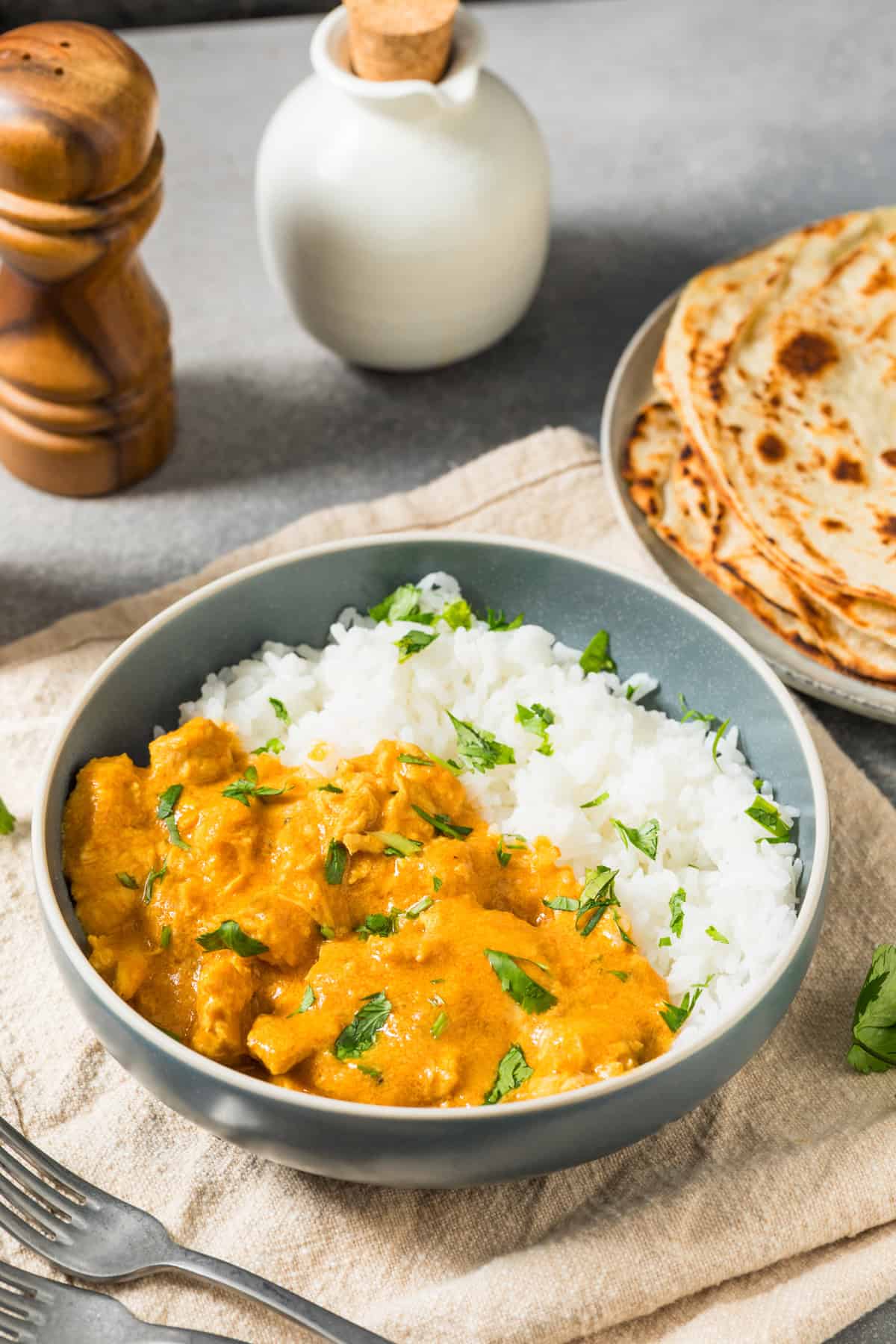
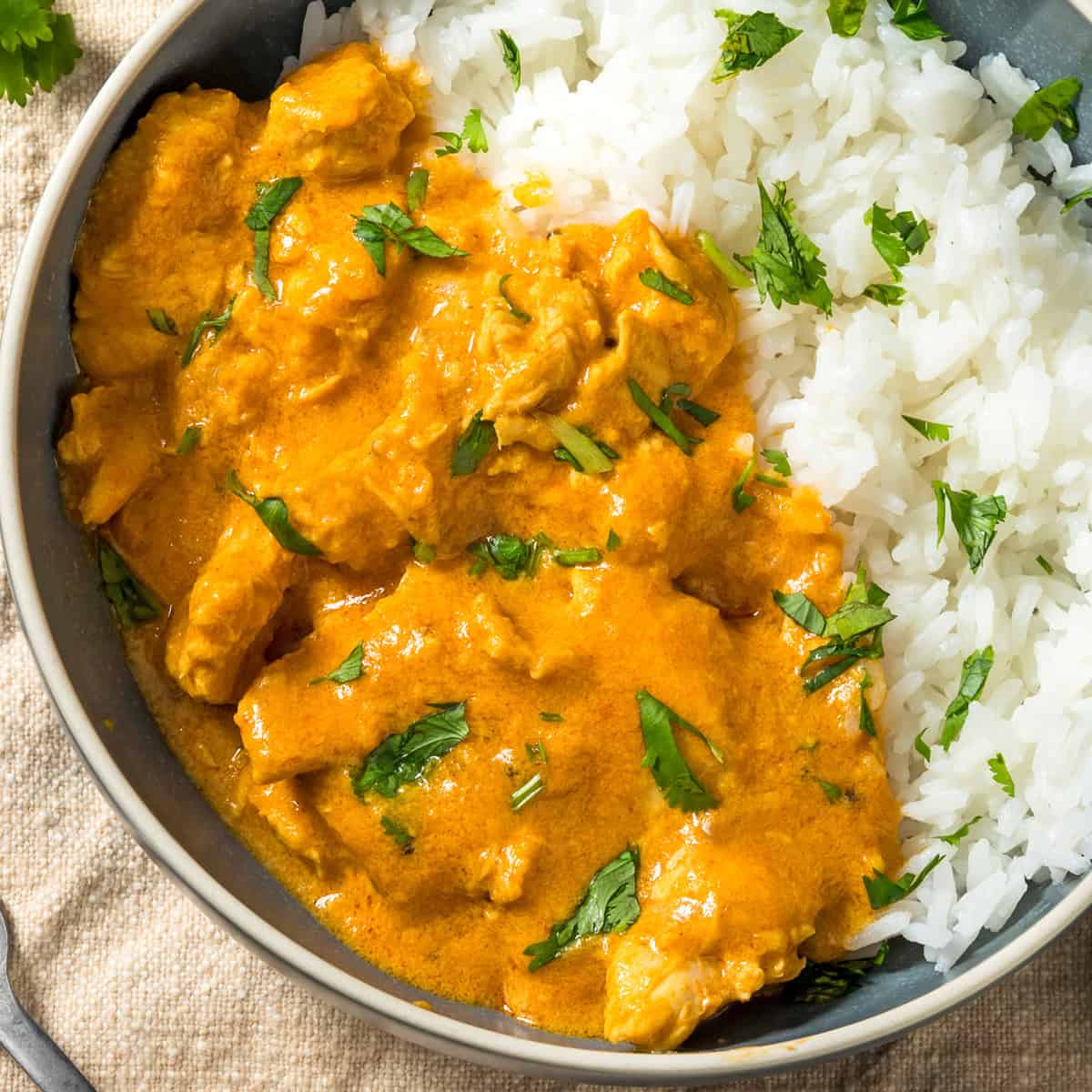
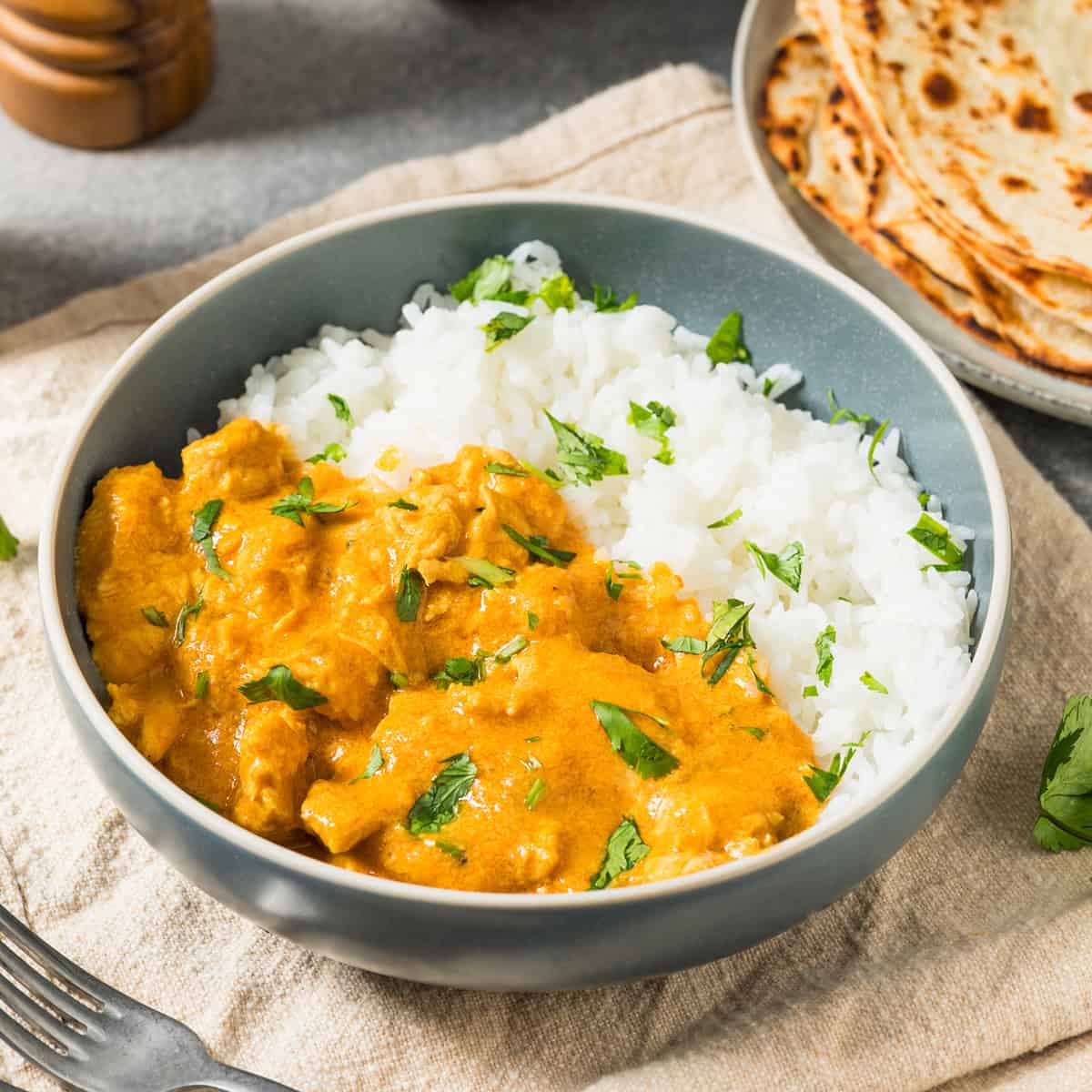
The final presentation of the curry is where the cook can express individual creativity. Serving the dish alongside jasmine rice is standard, but the addition of crushed, dry-roasted salted cashews provides a necessary textural contrast to the velvety sauce. The inclusion of fresh cilantro and sliced red Thai chilies adds a visual pop that elevates the meal from a simple weeknight dinner to a restaurant-quality presentation.
Expert Perspectives and Chef’s Tips
Culinary experts emphasize that the texture of the mango is a variable that can be manipulated to change the diner’s experience. If a diner prefers a more rustic, chunky texture, they should set aside a portion of the fruit to stir in during the final minutes of simmering, rather than pureeing all of it into the sauce.
Furthermore, the "rest" period is vital. As with many curries, the proteins and aromatics require time to meld. When the dish is reheated, the sauce may thicken; this is not a sign of spoilage, but a natural result of the starches and fats settling. A simple splash of coconut milk or chicken broth will restore the desired consistency without compromising the integrity of the dish.
Conclusion: A New Classic for the Modern Kitchen
As we navigate an era where home cooking is being redefined by convenience and the desire for high-quality, globally-inspired meals, the Mango Chicken Curry stands out as a triumph of practical gastronomy. It requires no specialized equipment beyond a blender and a Dutch oven, yet it delivers a complexity of flavor that feels remarkably professional.
Whether it is served at a formal dinner party with a side of homemade sourdough naan or reheated as a quick, nutritious lunch, this dish fulfills the promise of modern cooking: that we can enjoy the vibrant, nuanced tastes of the world without sacrificing our time or our health. It is not merely a recipe; it is a template for the future of home dining—efficient, bold, and universally loved.
For those looking to explore similar flavor profiles, consider integrating more Thai-inspired curries into your repertoire, such as those utilizing green curry pastes or variations involving shrimp and bamboo shoots. The path to mastering global cuisine begins with these fundamental, one-pot foundations.


 Azzam Bilal Chamdy
 Sagoh
Sagoh