
 Dwi Wanna
 Nana Wu
 Muslim
 Reynand Wu
 Ammar Sabilarrohman
 Asep Darmawan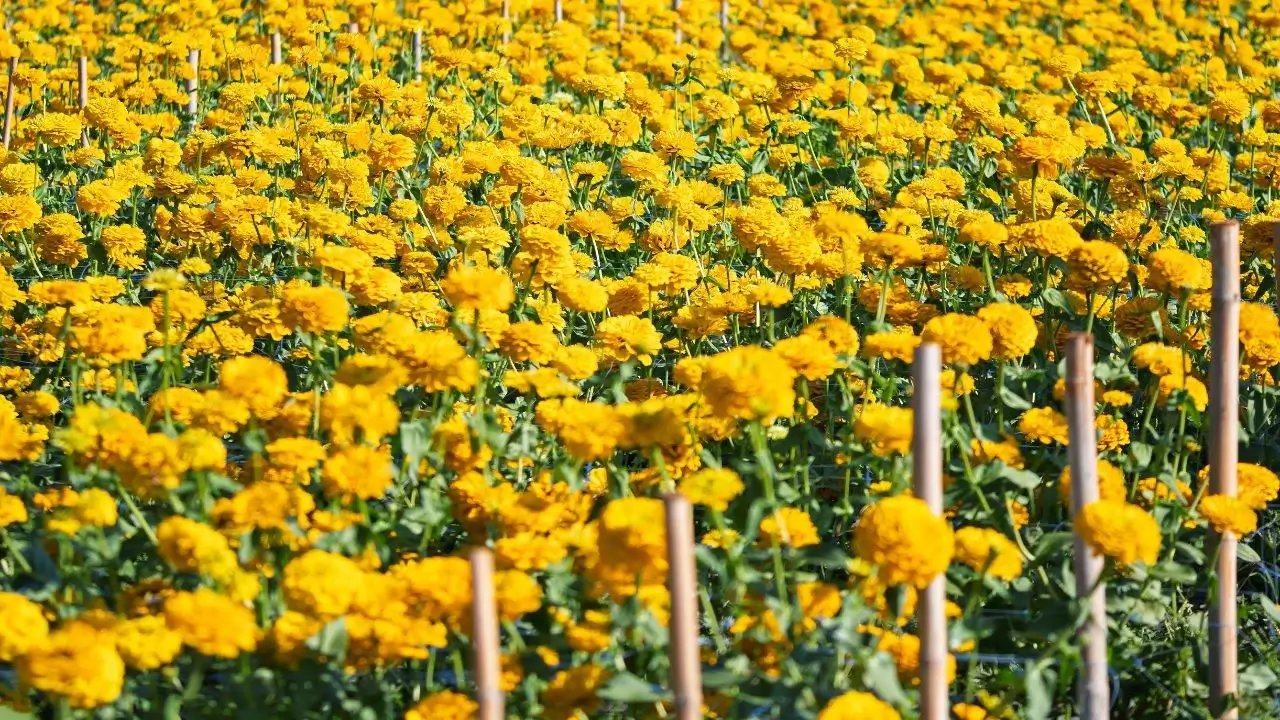
As the frost recedes and the soil warms across North America, the month of May emerges as a critical junction for agricultural production. For the modern farmer, this period is a delicate balancing act: it is the final window for many to establish their primary summer crops, yet it also serves as an early start for those looking toward the autumn harvest. Whether you are operating a high-intensity market garden or managing a sprawling family farm, the choices made this month will define your productivity and profitability through the coming seasons.
The Strategic Importance of May Planting
The primary challenge of May is the geographical diversity of the North American climate. While growers in the South may be contending with the onset of intense, moisture-sapping heat, those in the North are often just emerging from their final frost dates. Despite these regional variances, success in May is universally driven by two factors: selecting the right crop for your specific microclimate and understanding the logistical requirements of your operation.
For commercial farmers, this month is less about hobby gardening and more about strategic resource allocation. If your primary goal is maximizing revenue at the local market, the focus should be on "tried-and-true" cultivars that have proven their mettle in your region. However, there is a strong case to be made for controlled experimentation. Integrating an atypical crop into your rotation—provided you have the spare acreage—can offer insights that transcend mere market value, potentially unlocking new niches for future seasons.
Chronology: The Seasonal Transition
To understand the timing of May, one must view the agricultural calendar as a series of overlapping waves.
- Early May (The Window of Opportunity): This is the time for direct-sowing heat-loving crops and final transplanting of solanaceous vegetables. It is also the ideal time to ensure your soil moisture levels are stabilized before the heat of June arrives.
- Mid-May (Maintenance and Succession): As the first sowings take hold, this period is dedicated to the "succession planting" of fast-maturing crops like beans and squash. This strategy ensures a steady supply of produce for the market throughout the mid-summer slump.
- Late May (Preparing for the Autumn Turn): In many regions, the end of May marks the absolute deadline for long-season crops like winter squash and pumpkins. Decisions made now will dictate what reaches the cellar in October.
Supporting Data: Key Crops for the May Rotation
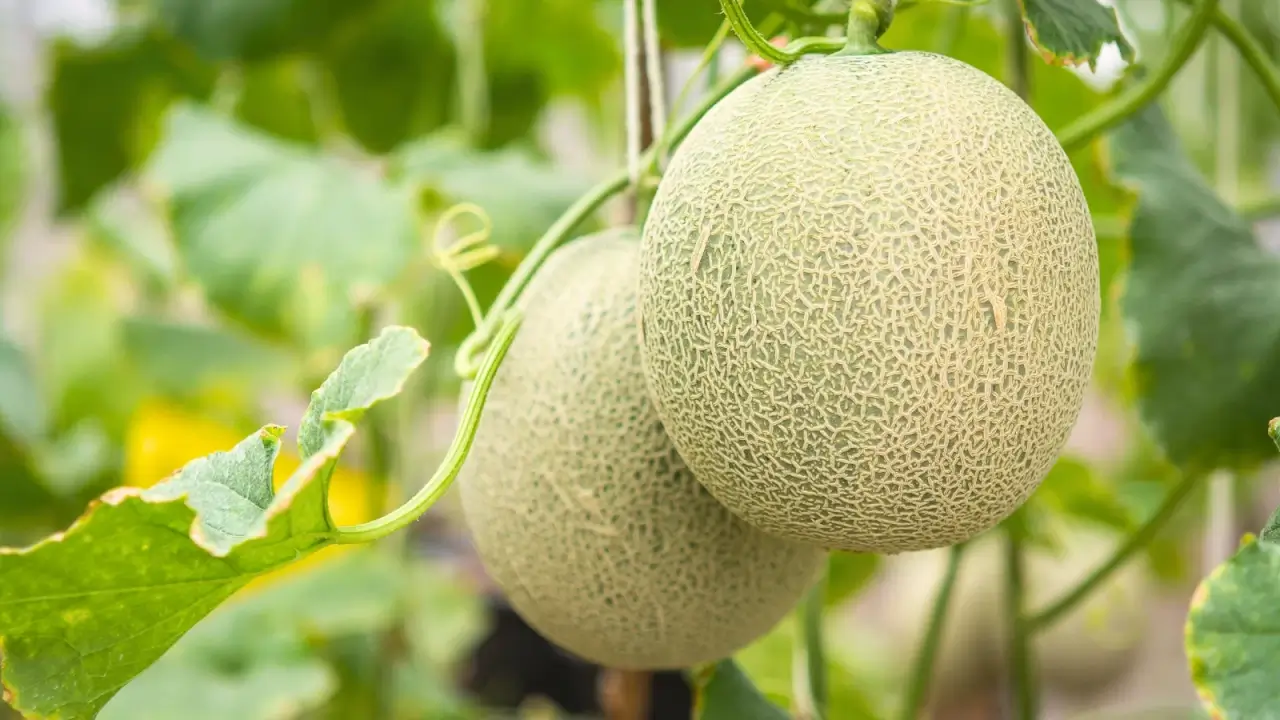
1. The Melon Family (Cucurbitaceae)
Watermelons, cantaloupes, and honeydews are the quintessential summer fruits. For farmers, success with melons is largely dependent on soil warmth.
- Management: These vines require significant space. Utilizing a trellis system can save ground space and improve air circulation, reducing the risk of fungal disease.
- Nutrient Needs: Weekly applications of diluted, balanced fertilizer are recommended to sustain the heavy fruit load.
- Soil Preference: Watermelons thrive in sandy, well-draining soils and possess a high tolerance for the saline conditions often found in coastal regions.
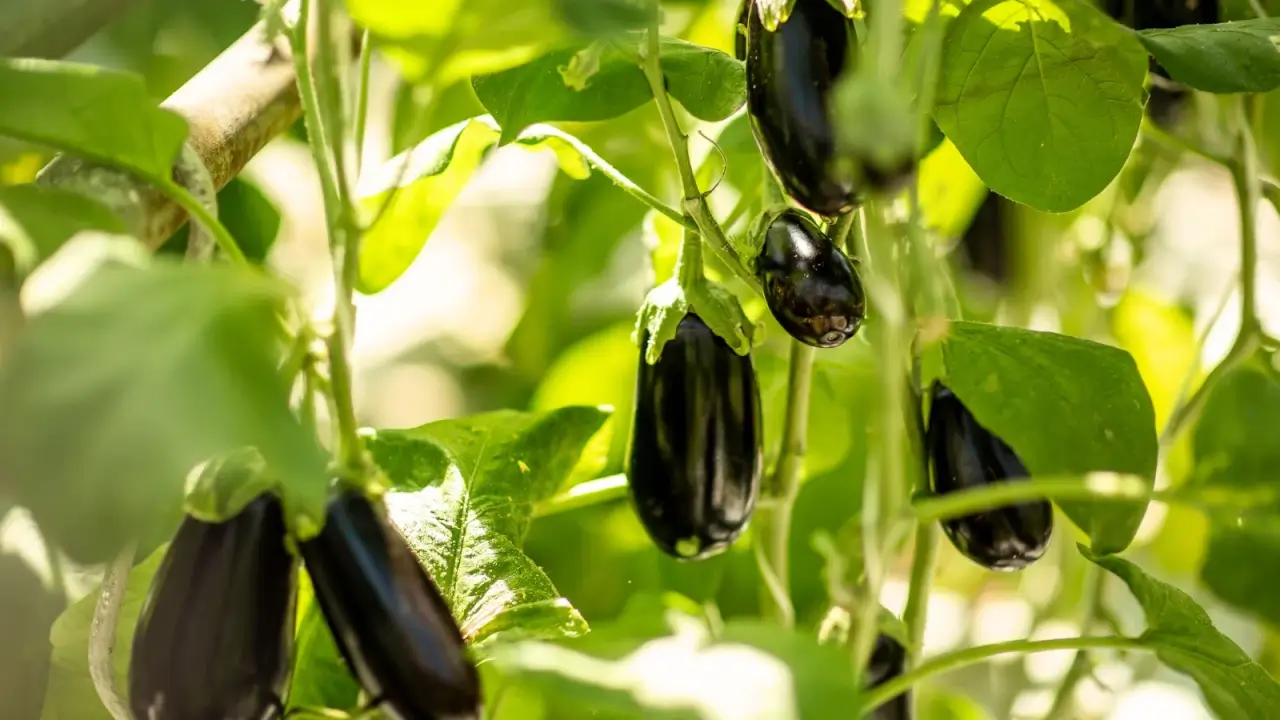
2. Eggplant (Solanum melongena)
Unlike many of the direct-sown crops on this list, eggplants almost always require transplanting to meet their maturity window.
- Variety Selection: For high-volume producers, the ‘Epic’ variety is prized for its heat tolerance and heavy production. If your region experiences volatile temperatures, ‘Orient Express’ or ‘Elondo’ are reliable workhorses that continue to set fruit even when conditions are less than optimal.
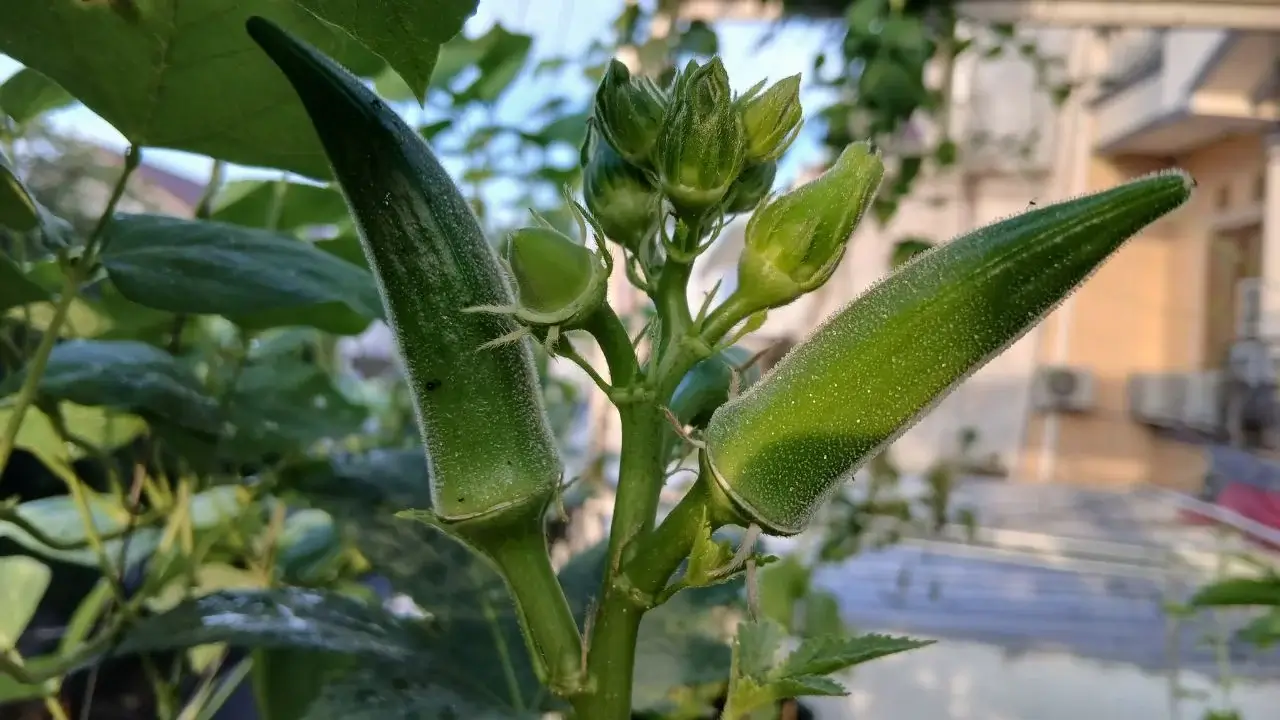
3. Okra (Abelmoschus esculentus)
Okra is the undisputed champion of heat-hardy crops. For growers in the southern United States or regions with long, brutal summers, okra is a low-maintenance, high-yield insurance policy.
- Pro-tip: The industry standard remains the ‘Clemson Spineless 80.’ Selecting spineless varieties is not merely a matter of convenience; it significantly increases harvest speed and reduces labor costs during the peak of the season.
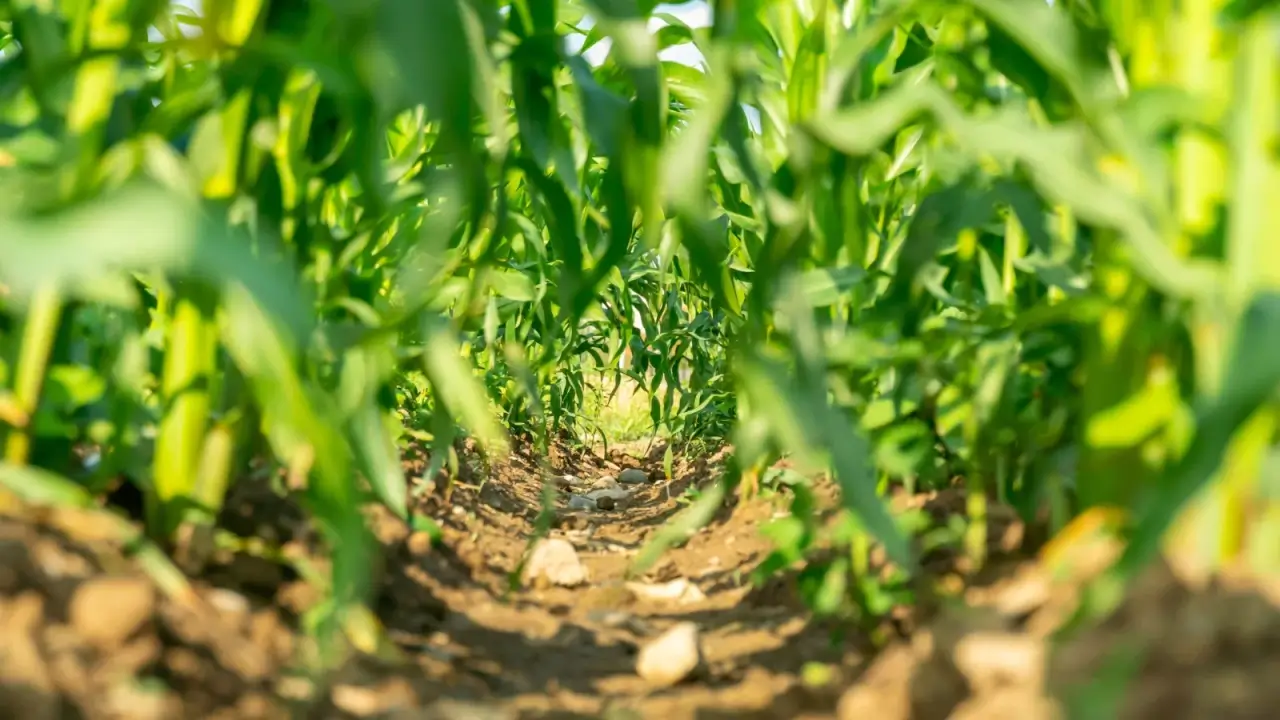
4. Corn (Zea mays)
Whether growing sweet corn for direct sales, dent corn for masa and meal, or popcorn for value-added products, corn is a long-term commitment.
- Strategic Planning: You must have a growing season of at least 75 to 90 days. For those interested in preserving agricultural heritage, look into open-pollinated, heirloom varieties. These provide a unique market edge, offering flavors and culinary uses that mass-produced hybrid corn cannot match.
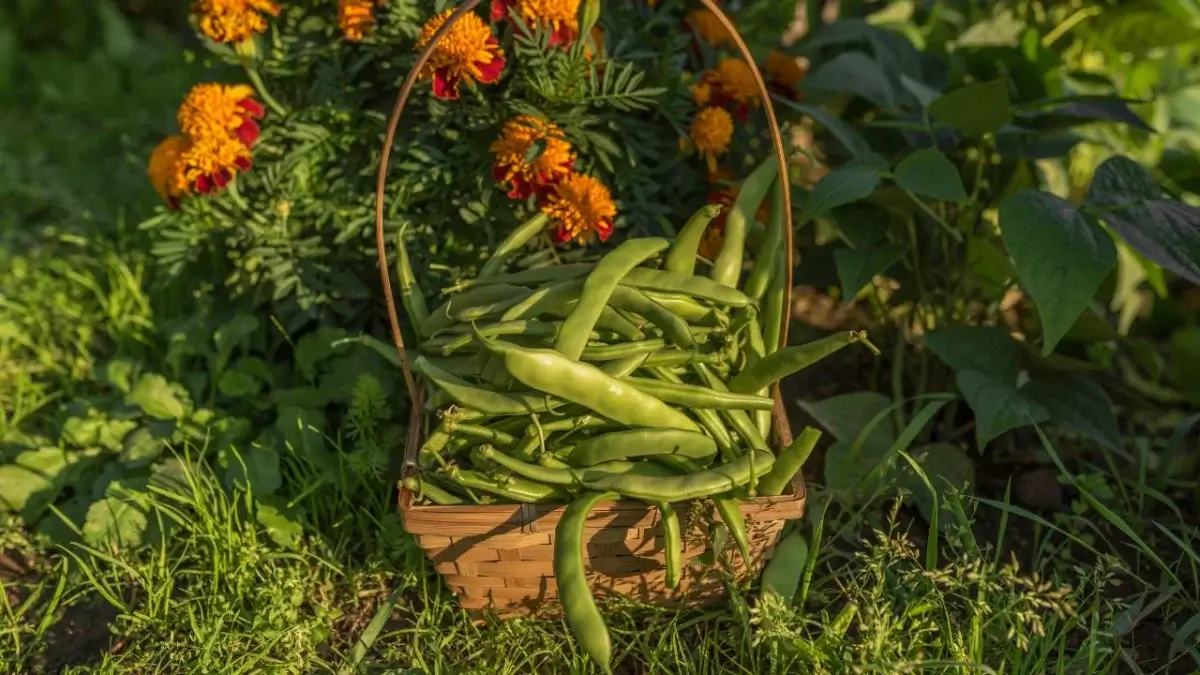
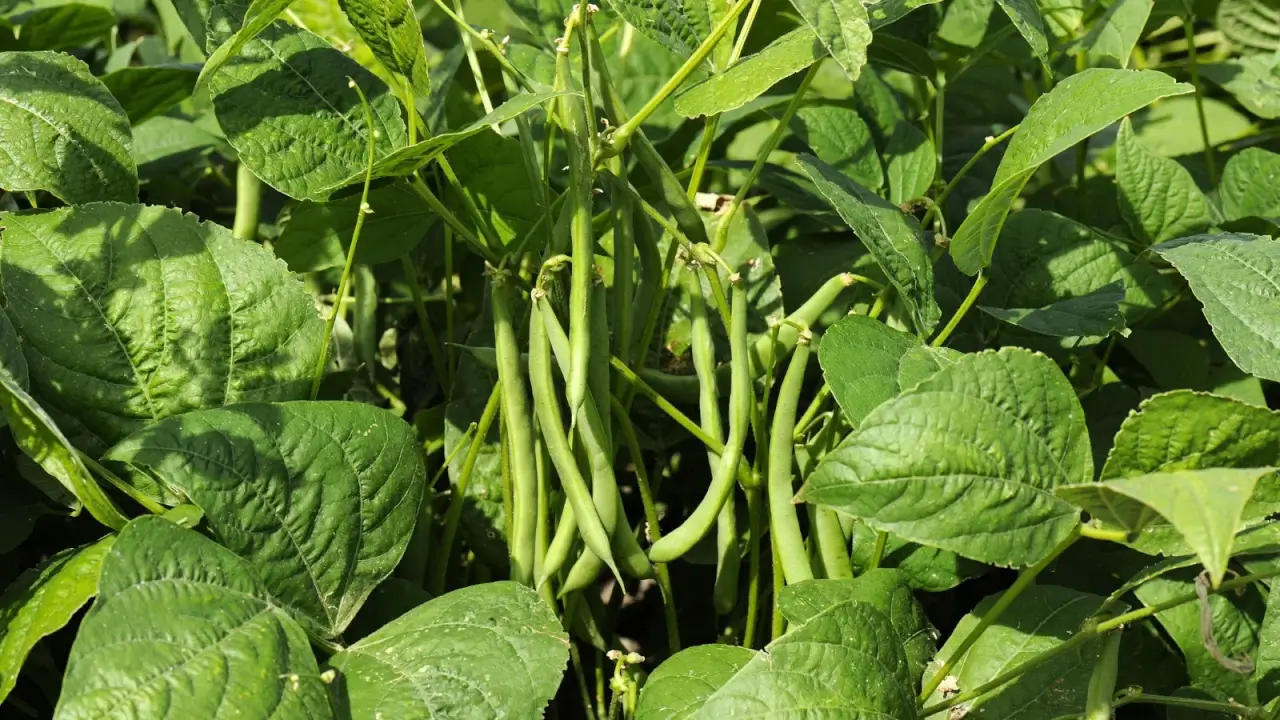
5. Legumes (Beans)
Beans offer the most flexibility in the May planting schedule.
- Cool-Climate Options: Fava beans are ideal for regions with shorter summers.
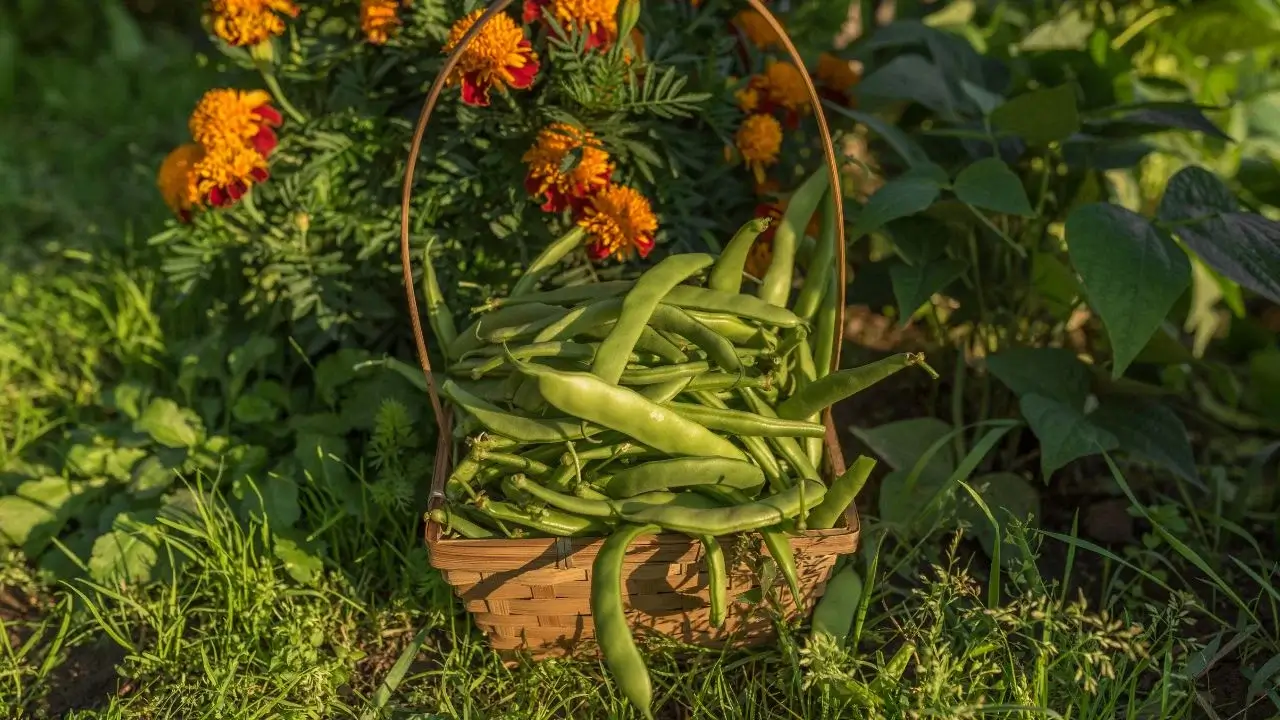
- Hot-Climate Options: Cowpeas and the traditional tepary beans of the Southwest are remarkably drought-tolerant. Tepary beans, in particular, are a masterclass in adaptation, having been bred by Indigenous peoples over centuries to thrive in arid conditions with high daytime heat and cool nights.
Implications for Resilient Food Systems
The decision to diversify your plantings has broader implications for the resilience of the local food system. By incorporating "orphan crops" or heirloom varieties alongside high-yield commercial hybrids, farmers create a biological buffer. A monoculture is vulnerable; a polyculture—or at least a farm with a diverse, multi-varietal rotation—is capable of surviving the unpredictable weather patterns that have become more common in recent years.
Furthermore, the integration of flowers is not purely aesthetic. Marigolds, zinnias, cosmos, and borage act as "pollinator magnets." By planting these alongside your vegetables, you are effectively outsourcing pest control to beneficial insects. A farm that integrates these biological allies often sees higher fruit set rates and a reduced reliance on chemical inputs.
Official Perspectives: Expert Recommendations
Agricultural extension offices and long-term sustainable farming institutes consistently emphasize the "Soil-Climate-Market" triad. Before planting, farmers are urged to:
- Assess the Soil: If the soil temperature is below 60°F, many summer crops will remain dormant, leaving the seed vulnerable to rot.
- Review Historical Data: Use your own farm’s records—or those of local university extension programs—to map your frost dates accurately.
- Focus on Value-Added: As noted by experts in the field, growing a crop is only half the battle. The most successful farms are those that have a clear plan for the harvest, whether that is fresh market sales, storage, or processing.
Expanding the Horizon: Beyond the Basics
While the aforementioned crops form the backbone of May planting, the most innovative farmers are looking at the "Solutions Hub" of modern agriculture. This includes:
- Water Conservation: In arid regions, implementing drip irrigation at the time of planting is non-negotiable for crop survival.
- Carbon Sequestration: Crops like sorghum and millet are not just efficient producers; they are excellent at soil structure improvement and carbon capture.
- Community Engagement: Inviting the community to understand why certain crops are planted in May—and how they connect to local food security—can build a loyal customer base that supports the farm through lean years.
Conclusion
May is the month of ambition. It is the time when the plans drafted in the quiet of winter finally meet the reality of the soil. By carefully selecting varieties that match your climate, managing your soil health, and welcoming beneficial biodiversity into your fields, you position your farm for a productive summer. Whether you are aiming for the high-volume output of a market garden or the diverse sustainability of a diversified farm, the principles remain the same: plan with intent, plant with precision, and remain adaptable to the rhythms of the earth.
As we look toward the harvest, remember that every seed sown in May is an investment in the health of your soil, the strength of your business, and the vitality of your community. Stay consistent, monitor your progress, and be prepared to pivot as the summer heat begins to set in.


 Azzam Bilal Chamdy
 Ali Ikhwan