

 Raul Delapena Setiawan

 Ammar Sabilarrohman
 Lina Irawan
 Suro Senen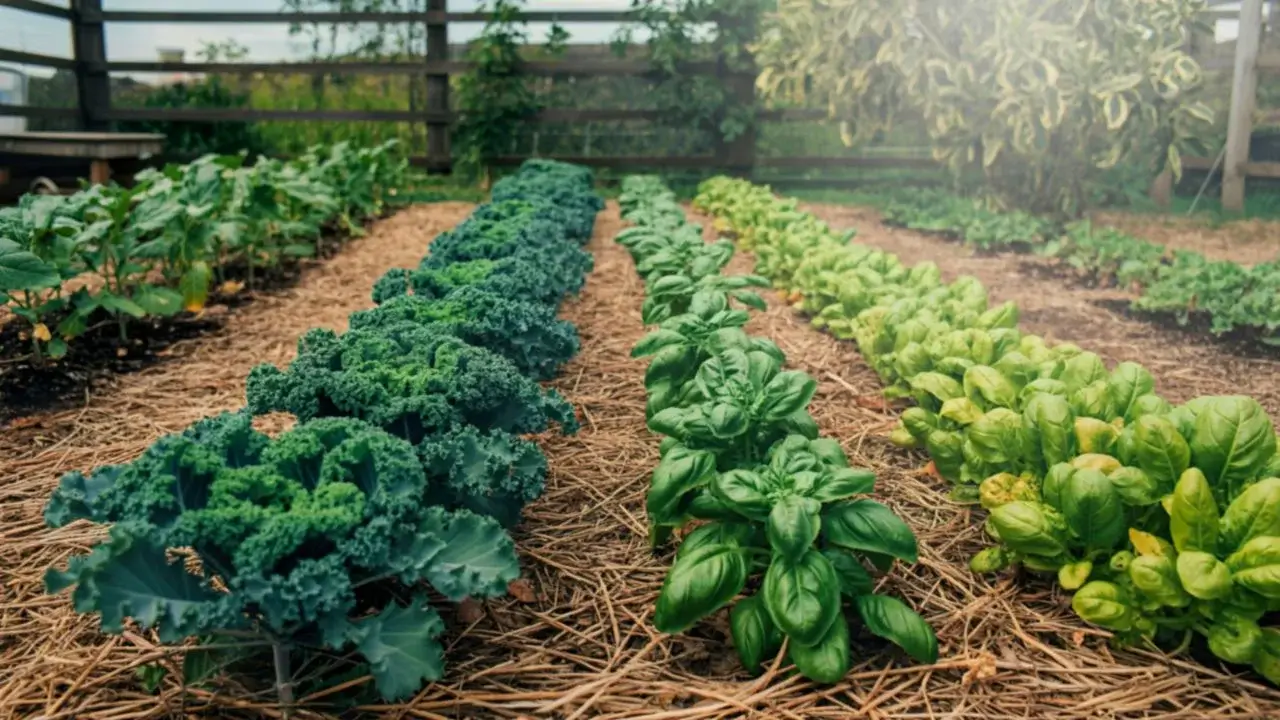
In the competitive landscape of modern agriculture, the margin between a profitable season and a break-even year often rests on land-use efficiency. For small-scale farmers, the challenge is not just growing enough food, but ensuring that the soil remains productive from the first thaw of spring to the final frost of autumn. Succession sowing—the practice of planting crops in continuous, staggered intervals—has emerged as the gold standard for growers looking to maximize productivity, minimize waste, and maintain a consistent stream of revenue.
By moving away from the traditional "all-at-once" planting model, farmers can transform their plots into high-output engines that provide a steady supply of fresh produce for market stands and local consumers throughout the entire growing season.
The Core Philosophy: Timing as Capital
At its heart, succession sowing is an exercise in logistical management. It requires a deep understanding of "days to maturity" (DTM) and local microclimates. Rather than viewing the growing season as a single window, successful farmers view it as a series of overlapping cycles.

When a farmer plants an entire field of lettuce on the same day, they face the "glut and famine" cycle: a massive, unmanageable harvest followed by weeks of empty beds. Succession sowing mitigates this by distributing labor and yield. By staggering plantings—for example, sowing a new row of carrots every 14 days—the farmer ensures a continuous, manageable harvest that aligns perfectly with consumer demand.
Chronology of Implementation: A Seasonal Roadmap
Effective succession sowing is not random; it is highly structured. To begin, farmers should categorize their crops into "early," "mid," and "late" season cohorts.
Phase 1: Early Season Foundation
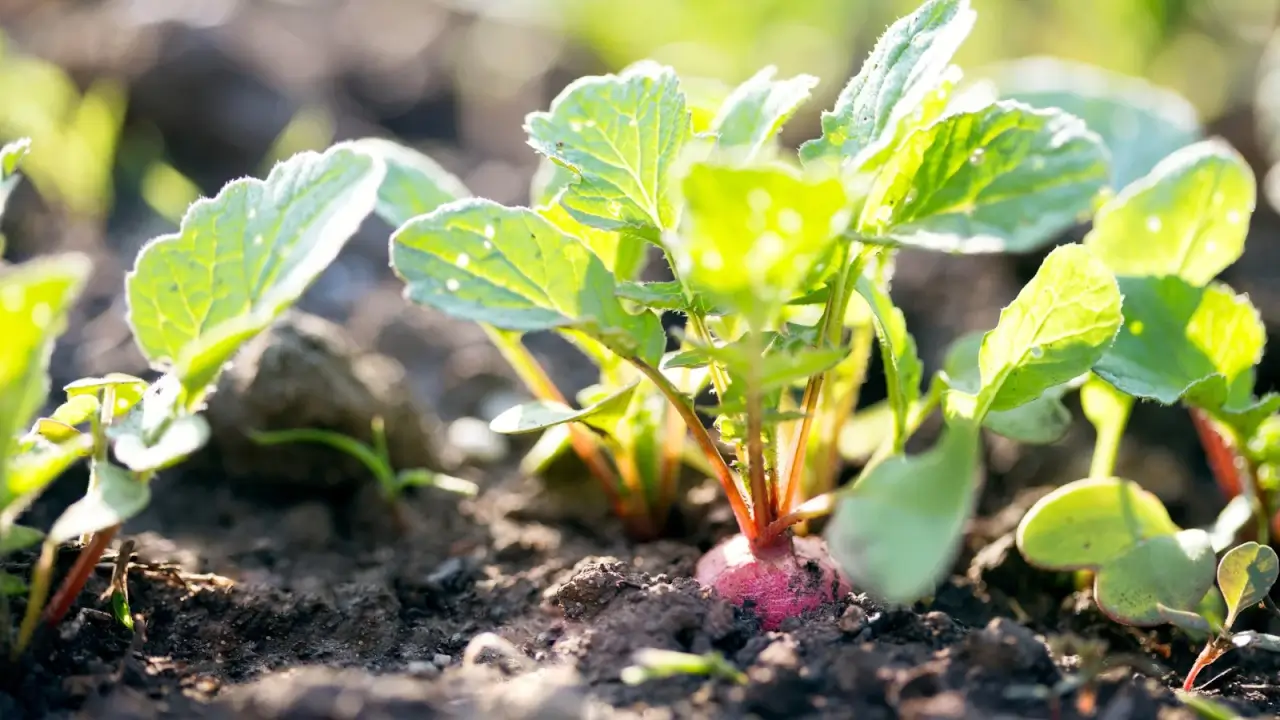
The season begins with cool-season crops such as radishes, spinach, and snap peas. Because these crops mature quickly, they are the ideal candidates for "training" the succession system. By planting small, incremental rows every ten days in early spring, a farmer can secure a constant supply of greens well before the heat of summer sets in.

Phase 2: Mid-Season Transition
As temperatures rise, the strategy shifts. Fast-maturing varieties of beans and summer squash take over. During this period, the focus turns to replacing spent crops. As soon as a spring crop is harvested, the soil is amended and immediately replanted with a mid-summer variety. This "relay" approach ensures that no square foot of soil remains idle for more than a few days.
Phase 3: Late Season Extensions
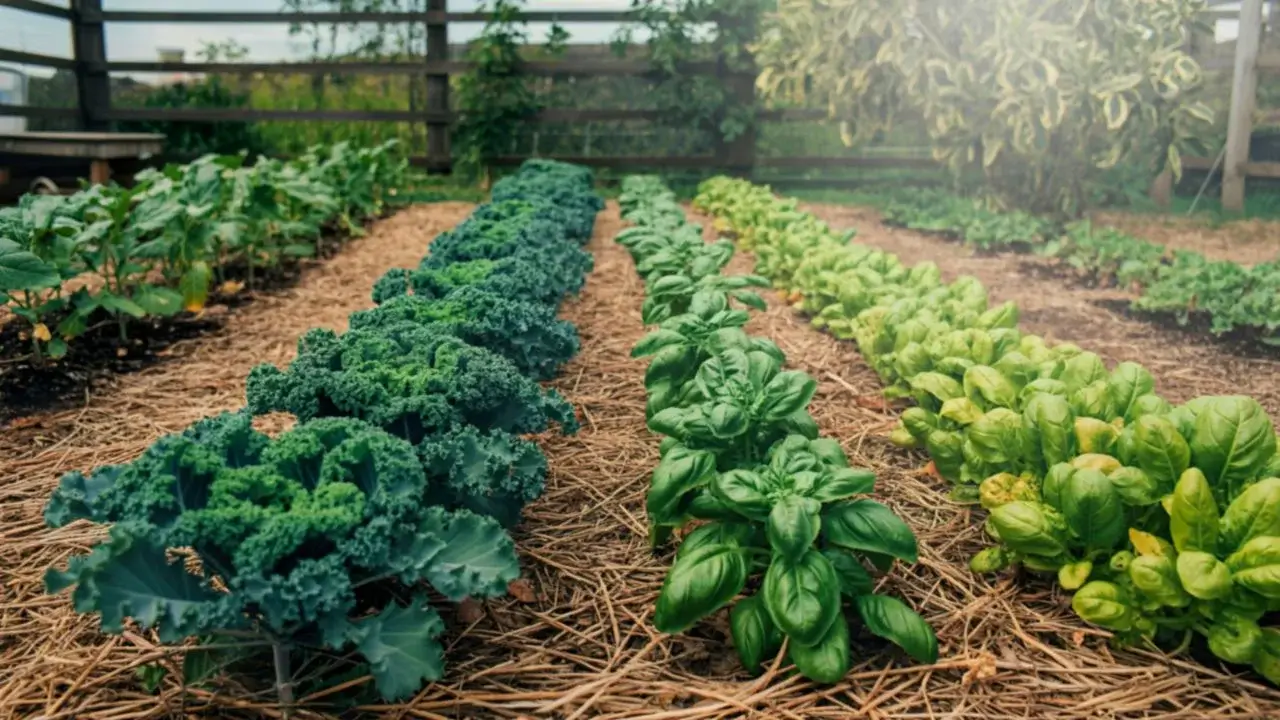
The final phase of the season involves preparing for the autumn harvest. Using season-extension tools—such as cold frames, low tunnels, and frost blankets—farmers can push the limits of their climate. By planting hardy, cold-tolerant crops like kale and winter beets late in the summer, farmers can continue harvesting well into the months that traditionally see the end of agricultural production.
Supporting Data: Why This Method Works
Agricultural data consistently shows that farms utilizing intensive succession techniques outperform traditional monoculture plots in both land-use efficiency and economic output.
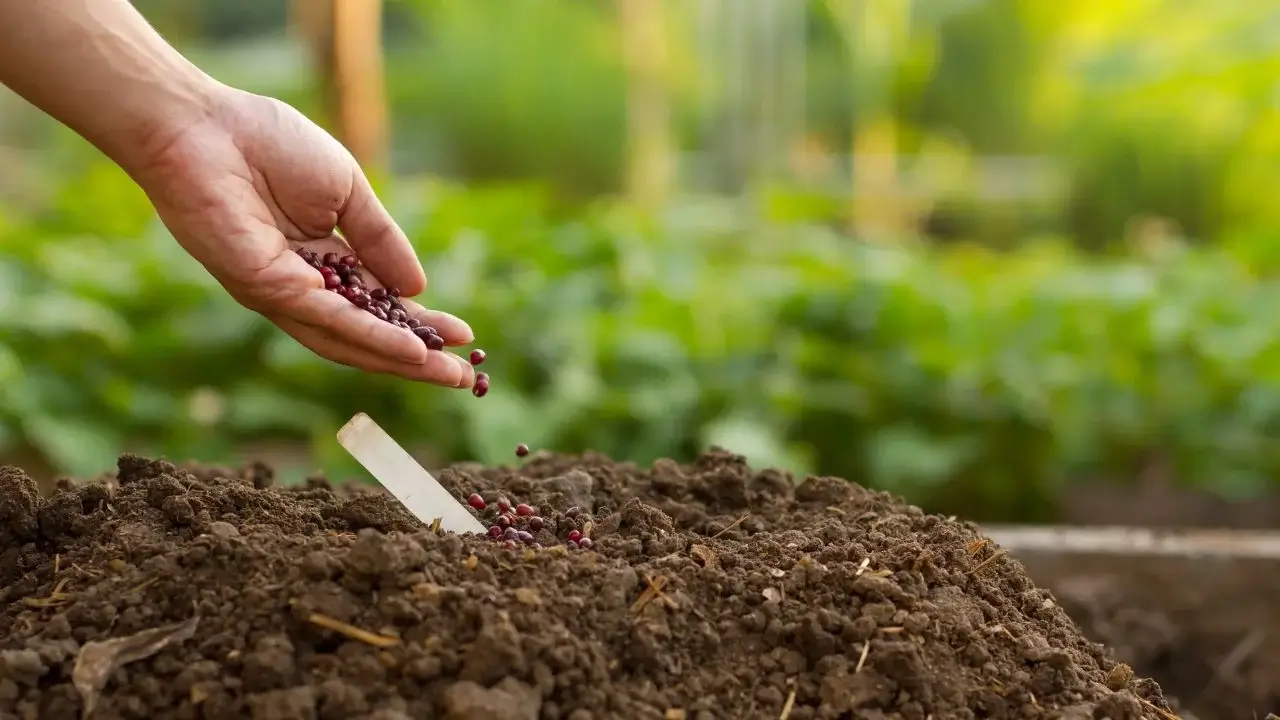
- Yield Density: By keeping the soil constantly occupied, farmers can increase their net yield by 30% to 50% per acre.
- Revenue Smoothing: Market volatility is often tied to product availability. By providing a consistent supply, farmers build brand loyalty and secure higher price points, as they become a reliable destination for buyers rather than a seasonal "hit-or-miss" vendor.
- Waste Reduction: A primary cause of on-farm food waste is the inability to process a massive, simultaneous harvest. Succession sowing turns this "harvest wall" into a steady flow, allowing for better post-harvest handling and fresher product on the shelf.
Four Proven Methods for Modern Growers
1. Same-Crop Intervals
This is the most straightforward method: planting the same variety every two to three weeks. It is best suited for quick-maturing vegetables like radishes, lettuces, and bush beans. The key here is to keep meticulous records of when each row was planted to predict harvest dates accurately.
2. Diverse Succession in Shared Spaces
This involves rotating different families of crops within the same bed. For instance, after early-season brassicas (like cabbage) are cleared, the soil is enriched and replanted with legumes (like bush beans) to fix nitrogen for the next cycle. This practice mimics natural ecosystem diversity and reduces the need for heavy chemical fertilization.
3. Intercropping and Strategic Pairing
Intercropping is the art of planting two or more crops in the same space at different times. A common example is planting a tall-growing crop (like corn or trellised peas) before a shade-tolerant ground cover (like spinach or lettuce). As the taller plant grows, it provides a microclimate for the secondary crop, essentially doubling the output of a single patch of ground.
4. Varietal Diversification
Not all seeds of the same species are created equal. By planting an early-maturing tomato variety alongside a late-maturing variety, a farmer can effectively "stretch" the harvest of a single crop type. This allows the farmer to maintain a presence in the market for that specific commodity for months rather than weeks.
Implications for the Modern Food System
The shift toward succession sowing has profound implications for the broader food system. As climate patterns become more unpredictable, the ability to manage a garden or farm as a series of small, responsive units is a vital resilience strategy.
Improving Soil Health
Continuous cropping requires a rigorous approach to soil fertility. Because the land is rarely left fallow, farmers must become experts in nutrient management. Incorporating compost, cover crops, and organic amendments between successions is not optional—it is a requirement. This focus on soil health ultimately results in more nutrient-dense produce and a more resilient landscape.
Pest and Disease Management
Monocropping invites pest outbreaks; when an entire field consists of one crop, a single pest can devastate the entire harvest. Succession sowing naturally disrupts these cycles. By planting in smaller, varied intervals and rotating crops, the farmer creates a "moving target" for pests, significantly reducing the reliance on pesticides and increasing the biodiversity of the farm ecosystem.
The Human Element
Beyond the metrics and the logistics, succession sowing rewards the farmer with a more manageable workload. Rather than facing a singular, back-breaking harvest week, the labor is spread throughout the season. This allows for a more sustainable lifestyle for the small-scale farmer, reducing burnout and allowing more time for critical observation—the "farmer’s eye" that leads to long-term success.
Conclusion: A Path Toward Future Growth
For the aspiring farmer, succession sowing is a gateway to professionalization. It moves the practice from a hobbyist’s endeavor to a sophisticated, market-ready operation. While it requires discipline, record-keeping, and a willingness to learn the specific rhythms of one’s own land, the rewards are clear: a more productive, more profitable, and more resilient farm.

As we look toward a future where local food systems must become more efficient and capable, the humble practice of staggered planting stands out as one of the most effective tools in the modern farmer’s arsenal. Whether managing a backyard plot or a multi-acre market farm, the principle remains the same: treat time as your most valuable crop, and the harvest will follow.
As you plan your next season, begin by selecting one or two crops to trial with this method. Observe the results, adjust your timing, and slowly weave the practice into the fabric of your farm. The goal is not just to grow more, but to grow smarter—ensuring that every day of the season counts toward a more sustainable and prosperous future.


 Azzam Bilal Chamdy