 Dwi Wanna
 Nana Wu
 Muslim
 Reynand Wu
 Ammar Sabilarrohman
 Nila Kartika Wati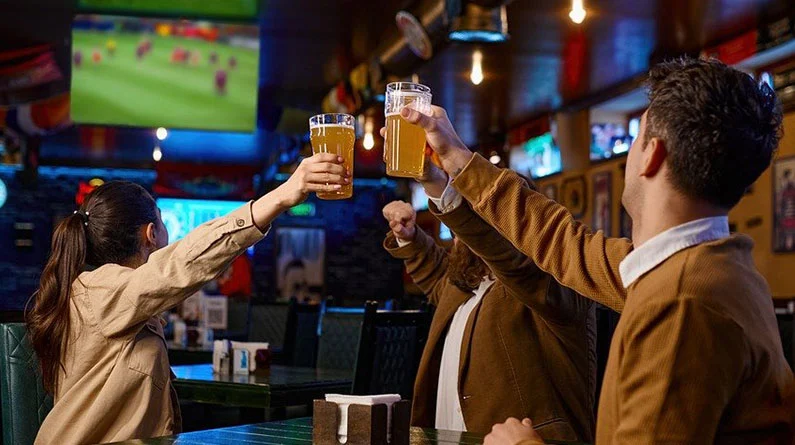
As the global football community turns its eyes toward this summer’s World Cup, the British government has launched a concerted effort to ensure that the tournament is defined by community spirit rather than administrative hurdles. In a move designed to boost the hospitality sector and protect the quintessential British tradition of watching the match at the local, ministers are calling on local authorities to adopt a "common sense" approach to licensing, while simultaneously rolling out national extensions for the tournament’s high-stakes knockout stages.
The initiative aims to prevent the "fun police" from stifling the celebrations of millions of fans, ensuring that whether it is the agony of a penalty shootout or the jubilation of a last-minute winner, supporters can remain in their local pubs to see the action unfold.
The Landscape of the Tournament: A Tale of Two Stages
For football fans, the World Cup is more than a sporting event; it is a cultural phenomenon that demands a shared viewing experience. However, the geographic disparity of this year’s tournament presents a unique challenge for UK-based venues.
The Group Stage Reality
The group stage fixtures present a complex scheduling landscape for venue operators. England’s highly anticipated matches against Croatia, Ghana, and Panama are slated for prime-time viewing, kicking off at 21:00 or 22:00 BST. While these times are manageable for most venues operating under a standard 11:00 PM licence, they do not leave much margin for error, particularly if matches head into extra time or if fans wish to soak in the post-match atmosphere.
Other international fixtures—including Scotland’s opening match against Haiti—are scheduled for midnight, 02:00, or even 03:00 BST. Under current regulations, there is no "blanket" national extension for these group-stage games. Consequently, publicans who wish to screen these late-night matches must navigate the existing licensing framework. For many, this means applying for a Temporary Event Notice (TEN) through their local council. Industry analysts have noted that while the process is standard, the requirement to apply for individual licenses can be an expensive and time-consuming burden, particularly for smaller independent venues.
The Knockout Stage: A Government-Backed Boost
The atmosphere shifts significantly should England or Scotland advance to the knockout stages. Recognizing the surge in national pride and customer demand, the government has authorized a national relaxation of licensing hours for venues in England and Wales.
This measure serves as a blanket extension, allowing premises that hold a standard 11:00 PM alcohol licence to remain open significantly later for matches involving the home nations. Under the new rules:
- Matches kicking off between 17:00 and 21:00: Venues may extend their hours until 01:00.
- Matches kicking off between 21:00 and 22:00: Venues may extend their hours until 02:00.
This policy effectively removes the requirement for thousands of individual pub owners to file for TENs, allowing them to focus on service rather than paperwork.
Official Responses: From Whitehall to the High Street
The government’s intervention is being framed as a vital support mechanism for an industry that has faced years of economic volatility. By cutting red tape, officials hope to inject life back into high streets and local communities.
Prime Minister Keir Starmer’s Vision
Prime Minister Keir Starmer has been vocal in his support for the initiative, emphasizing the social value of the "pavement pint" and the communal experience of the pub. "Nothing brings us all together like a World Cup summer and cheering on England in a packed pub with everyone glued to the game," the Prime Minister stated. "Red tape should not get in the way of fans enjoying the game with friends and local pubs doing a great trade too."
He added that the experience of discussing the highs and lows of the tournament in a beer garden is central to the national character, and the government is committed to ensuring that pubs are empowered to host these moments.
The "Red Card" for Bureaucracy
Communities Secretary Steve Reed has adopted a more combative tone regarding local councils that might stand in the way of festive screenings. Addressing local leaders directly, Reed urged them to approve applications for special events and outdoor screenings swiftly.
"The best World Cup moments are the ones we watch together," Reed noted. "We’re asking councils to support as many applications for special events as possible, because the last thing any of us want to see is people being turfed indoors half-way through penalties. So let’s show the fun police the red card, get behind England and back our pubs."
A Pragmatic Approach to Noise and Licensing
Environment Secretary Emma Reynolds has addressed the delicate balance between local residents’ peace and the needs of hospitality venues. Acknowledging that some councils have historically used strict noise concerns to curtail late-night activities in beer gardens, Reynolds urged a "common sense" approach.
"Local leaders are being asked to sign-off as many requests for Temporary Event Notices as possible," Reynolds said. "It will be for councils to ultimately make these decisions… but authorities who unnecessarily block people from getting together or holding things up will be held to account by the government."
Beyond the Pitch: Structural Reforms for Hospitality
The push to accommodate the World Cup is part of a broader, more permanent strategy to deregulate the hospitality sector. Recognizing that the £350 cost to renew pavement licences acts as a significant barrier to entry and a recurring headache for business owners, the government has proposed a series of reforms to make outdoor dining and drinking a permanent fixture of the British high street.
Cutting the Cost of "Pavement Pints"
The current system, which often forces businesses to reapply for pavement licences on an annual basis, is being reviewed. The government plans to increase the maximum term length for these licences, effectively reducing the administrative burden on small businesses. While local councils will retain the final say on the duration of specific licences, the move towards longer-term permits is expected to save the industry millions in fees and administrative costs over the coming years.
The Pride in Place Programme
These regulatory changes are intrinsically linked to the government’s wider £5.8 billion "Pride in Place" programme. By streamlining the rules governing how public spaces are used, the government aims to restore the vibrancy of town centres. The logic is clear: when pubs are allowed to flourish and serve as community hubs, the surrounding high street benefits from increased footfall and local economic activity.
Implications for Fans and Venue Operators
For the average football fan, the message is clear: check before you travel. While the national extensions for knockout games are a significant victory for supporters, opening hours during the group stages remain at the discretion of individual venues and their existing licences.
Advice for Consumers
Fans are encouraged to contact their chosen venue ahead of match day. Because licensing permissions can vary significantly between local authorities and even between neighbouring streets, it is essential to confirm whether a venue has secured the necessary permissions to stay open for late-night fixtures.
Advice for Operators
Hospitality businesses are urged to review their current premises licences against the fixture schedule immediately. For those planning to host large-scale events or utilize outdoor areas for screenings, the government’s recent guidance provides a strong mandate to engage with local councils. Operators are advised to:
- Map the Schedule: Cross-reference every England and Scotland match against their current licensing limits.
- Engage Early: If a match falls outside of current licensing hours during the group stages, submit a Temporary Event Notice (TEN) application as early as possible.
- Leverage Government Guidance: If an application faces pushback, operators are now empowered to reference the government’s official call for a "common sense" approach to local licensing, which specifically highlights the importance of supporting hospitality venues during the tournament.
Conclusion: A Summer of Shared Ambition
As the tournament approaches, the intersection of national pride and local business interests has rarely been more visible. The government’s decision to prioritize the fan experience over bureaucratic inertia marks a significant shift in how the UK handles large-scale public events.
Whether the summer culminates in a historic trophy lift or a heartbreaking exit, the focus of the government’s policy is to ensure that the journey is taken together. By backing the pubs, the government is essentially betting on the enduring power of the communal experience. As Steve Reed aptly put it, "This time, it really could be coming home"—and for the sake of the nation’s publicans and fans alike, the doors will be kept open to welcome that possibility.