 Lina Irawan
 Lina Hope
 Rifan Muazin
 Neng Nana
 Jia Lissa
 Nana Muazin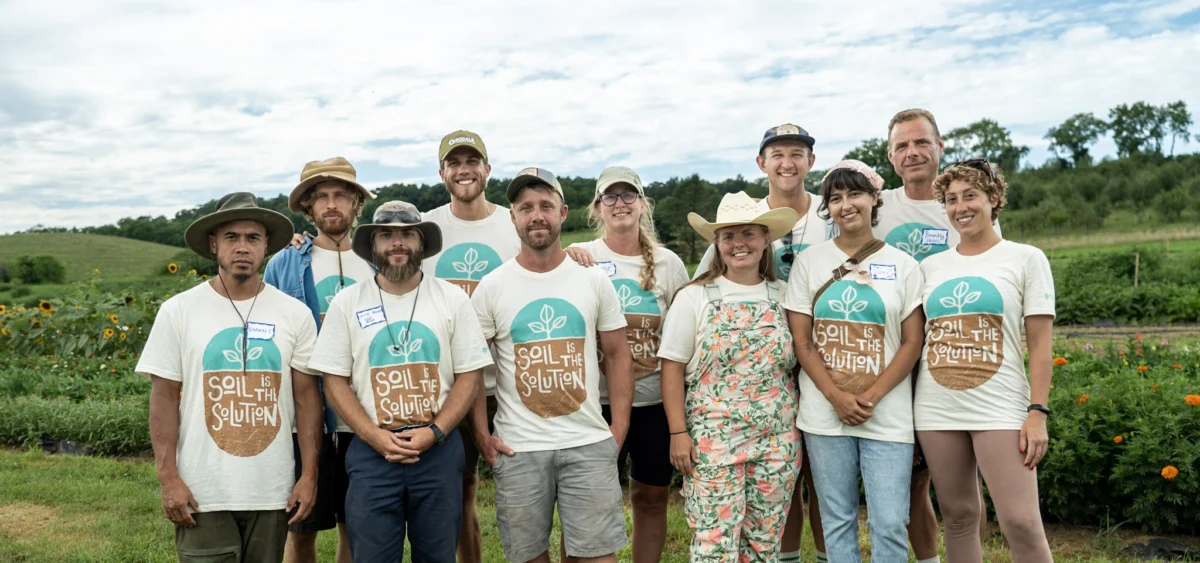
In an era defined by climate volatility, industrial food insecurity, and a widening gap between consumers and the sources of their sustenance, a quiet revolution is taking root in the soil of Pennsylvania. The Rodale Institute, long regarded as the global pioneer of organic research, is spearheading a critical effort to address the looming “farmer retirement crisis” by training the next generation of regenerative organic stewards.
At the heart of this movement is the Rodale Institute Farmer Training (RIFT) program, a rigorous nine-month immersion course that transforms novices into agricultural entrepreneurs. By bridging the gap between ecological theory and the gritty reality of day-to-day farm management, RIFT is not just teaching people how to grow food—it is providing the blueprint for a resilient, sustainable, and localized food system.
The State of the American Farm: A Demographic Shift
To understand the necessity of the RIFT program, one must first confront the stark reality of the modern American agricultural landscape. Historically, farming was an inherited vocation; technical knowledge and land tenure were passed down through bloodlines. However, that traditional pipeline has all but evaporated.
Today, the average age of an American farmer is 58 years old. As the children of traditional farm families increasingly migrate toward urban centers and less physically demanding industries, a massive transfer of land and agricultural knowledge is in jeopardy. This demographic cliff threatens not only food production but the very existence of small-to-mid-sized family farms.
Yet, a counter-narrative is emerging. A new, diverse cohort of aspiring farmers—ranging from mid-career professionals in the tech sector to community-minded activists—is turning to the land as a deliberate act of purpose. These individuals are not inheriting farms; they are building them from the ground up, fueled by a desire to address environmental degradation and restore the health of the soil.
The RIFT Methodology: A Comprehensive Curriculum
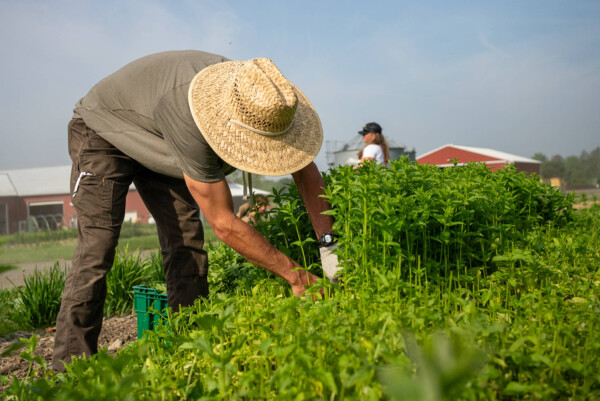
The RIFT program is designed to move beyond mere "gardening." It is a professionalized, intensive incubator. Over 35 weeks, participants are immersed in the complete seasonal cycle, from the first dormant seeds of early spring to the final harvest of autumn.
The curriculum is holistic, covering:
- Regenerative Soil Management: Learning how to treat soil as a living, carbon-sequestering ecosystem rather than a medium for chemical inputs.
- Agricultural Business Operations: Training in grant writing, financial modeling, organic certification processes, and regulatory compliance.
- Operational Resilience: Managing the physical, logistical, and mental demands of running a commercial agricultural enterprise.
Perhaps the most significant milestone in the program is the "Capstone Project." Each student is required to draft a comprehensive, actionable business plan. This document acts as their launchpad, providing the necessary data to apply for government grants, secure loans, and navigate the complex legal hurdles of achieving USDA organic certification.
Profiles in Purpose: The 2025 Cohort
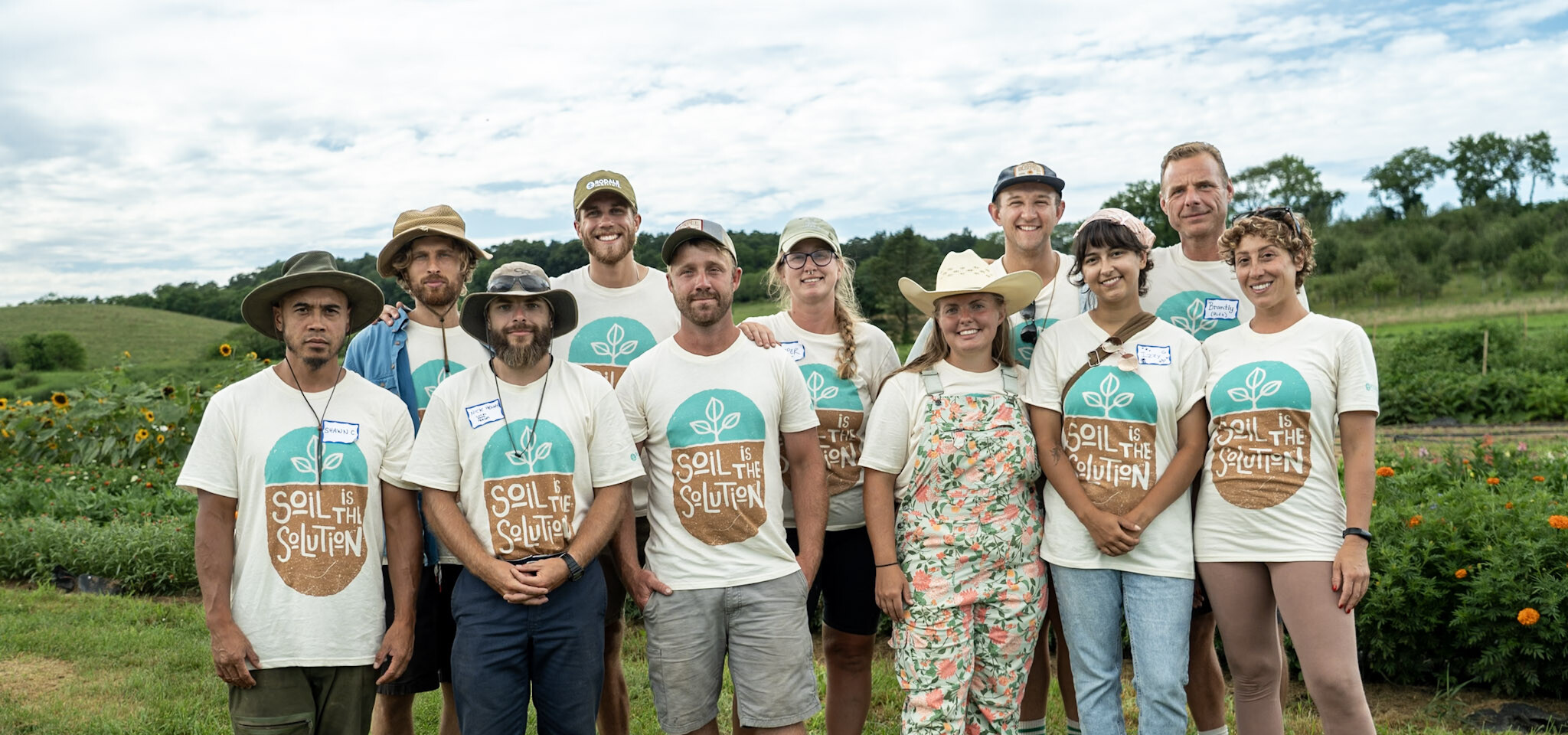
The 2025 RIFT cohort is a testament to the diverse motivations driving this new wave of agriculture.
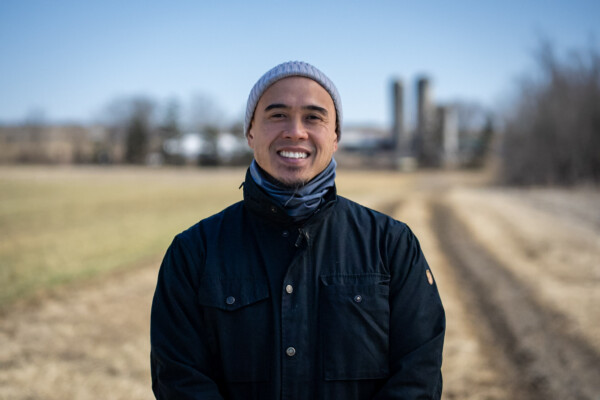
Shawn Cabalsi: From Tech to Transformation
Shawn Cabalsi, 43, exemplifies the career-pivot phenomenon. Having spent years in the technology sector, Cabalsi found himself increasingly disconnected from his work. "I got really interested in how to live more naturally, more ethically, more morally," he says. His journey from reading agrarian philosophers like Wendell Berry and Masanobu Fukuoka to managing an 11-acre farm in Macungie, Pennsylvania, highlights a growing trend: the search for harmony between human civilization and the natural world. Cabalsi is now leveraging his RIFT training to provide fresh, organic produce to food-insecure populations in his local community.
Samantha Cooper: Healing the Land and the Self
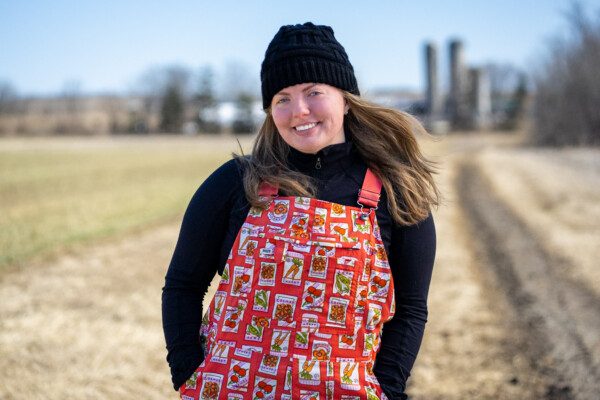
For Samantha Cooper, farming is an act of restoration. Transitioning from a senior management position at a major retail chain, Cooper has found in the soil a path toward personal and community healing. As she works toward becoming a professional herbalist, she uses her RIFT experience to cultivate medicinal herbs like borage and calendula. "It’s healing for me to grow the product, use it, and benefit from it—and then use what I’ve learned to educate other people," she notes. Her goal is to bring the organic movement to Central Indiana, a region currently dominated by chemical-heavy industrial soy and corn production.
Kade Eckert: The Circular Economy Advocate
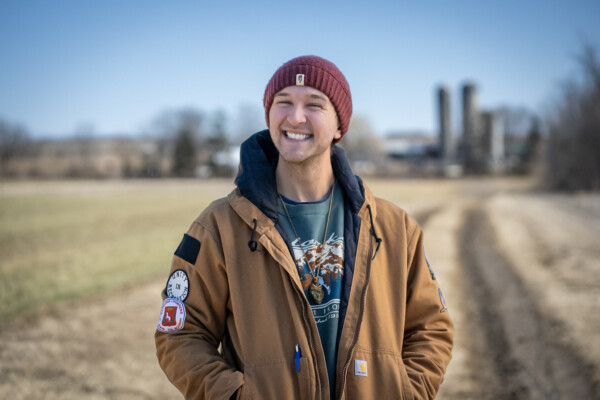
Kade Eckert brings a unique perspective on waste. Drawing from his background as a chef and his experience with large-scale composting operations in Sweden, Eckert views the farm as a closed-loop system. He is currently focused on the challenge of "restoring degraded ecosystems to equilibrium." By utilizing waste streams from schools and hospitals to create compost, he aims to prove that sustainable farming is not only ecologically vital but economically viable.
Supporting Data and Institutional Evolution
The success of RIFT is not anecdotal; it is measurable. Since its inception in 2011, more than 100 individuals have graduated from the program, many of whom have gone on to establish independent agricultural businesses or manage farms across the country.
The program has also gained academic legitimacy. Through a partnership with Northampton Community College, students can now earn college credits for their fieldwork. Furthermore, graduates like Cabalsi are applying these credits toward advanced degrees, such as the Master of Arts in Regenerative Design at Prescott College. This institutional integration marks a turning point for organic farming: it is no longer relegated to the fringes of "back-to-the-land" hobbyism but is being treated as a rigorous, scholarly, and professional discipline.
Official Perspective: The Operations Manager’s View
Justin Barclay, the Rodale Institute’s global education operations manager, emphasizes that the program is designed to filter for long-term viability. "Successful participants have the goal of starting an agricultural business, can work in a team environment, and are willing to be coached," Barclay explains.
The structure of the program is uniquely generous, providing a $600 weekly stipend and housing. This financial support is a critical component that separates RIFT from traditional, often exclusionary, vocational programs. By lowering the barrier to entry, the Institute ensures that talent—not just personal wealth—dictates who can become a farmer.
Implications for the Global Food System
The rise of the "new farmer" represents a fundamental shift in how we view the relationship between the economy and the earth. By training practitioners in regenerative methods, the Rodale Institute is addressing several systemic risks:
- Climate Mitigation: Regenerative agriculture utilizes soil health to sequester atmospheric carbon, turning farms into active participants in climate change mitigation.
- Food Sovereignty: As seen in the stories of Cabalsi and Cooper, these new farmers are prioritizing local food networks, reducing reliance on long-distance, fossil-fuel-intensive supply chains.
- Economic Resilience: By focusing on diversified production and small-scale operations, these farmers are less susceptible to the boom-and-bust cycles of industrial commodity farming.
Conclusion: A Seedling of Hope
The 2025 RIFT cohort is more than just a class of students; they are the front line of a necessary transition. They are learning that farming is not merely the production of calories, but the orchestration of ecological, social, and economic systems.
As they finalize their farm plans and prepare to enter the field, their collective impact promises to be far-reaching. By restoring soil, feeding communities, and modeling ethical business practices, these farmers are demonstrating that the future of food is not just about survival—it is about thriving in harmony with the planet. Through the work of the Rodale Institute, the path to a regenerative future is being paved, one field at a time.


 Sagoh
Sagoh