

 Dwi Wanna
 Nana Wu
 Muslim
 Reynand Wu
 Ammar Sabilarrohman
Despite the United States’ status as a global economic powerhouse, a persistent and often invisible crisis continues to plague millions of households: food insecurity. While the grocery store aisles of America are stocked with an abundance of resources, millions of citizens still struggle to access the nutrition they need to thrive. Addressing this disparity requires not just government policy, but grassroots mobilization and community-driven action.
The Reality of Hunger: Main Facts and Data
The United States Department of Agriculture (USDA) defines food insecurity as a condition where households lack consistent access to enough food for an active, healthy life for all members. This is rarely a reflection of total food supply, but rather a direct byproduct of systemic poverty, wage stagnation, and rising costs of living.
Data from recent years paints a sobering picture. In 2014, an estimated 48.1 million Americans lived in food-insecure households, including 32.8 million adults and 15.3 million children. When children are involved, the stakes rise exponentially; the psychological and physiological impact of developmental malnutrition can have lifelong consequences. The "hunger map" of the United States often overlaps with neighborhoods that are otherwise considered thriving, proving that hunger does not discriminate by zip code.
A Chronology of Action: How to Initiate Change
For those looking to transition from awareness to action, the process of organizing a food drive or hunger-relief event requires deliberate, phased planning.
Phase 1: Conceptualization and Strategy
Before launching a project, define the scale of your ambition. A neighborhood-level collection is significantly different from a corporate-wide initiative. Identify your target demographic: is it your coworkers, your classmates, or your neighbors? Your communication strategy must align with your audience. For instance, a workplace drive relies heavily on internal email chains and intranet announcements, while a neighborhood drive thrives on door-to-door flyers and local social media groups.
Phase 2: Logistics and Timeline
Establish a firm timeline. Will this be a single-day “blitz” or an extended campaign? Avoid scheduling conflicts—conducting a school-based drive during spring break is a recipe for low engagement. Once your dates are set, decide on the collection method. Will you facilitate drop-off points, or will you coordinate a team to collect donations?
Creative event structures can significantly boost participation. Consider:
- The "Fill-the-Truck" Challenge: Aim to fill a specific vehicle, providing a visual goal that inspires collective effort.
- The $5 Party: Guests are asked to contribute $5 worth of non-perishable goods. This creates a low barrier to entry while ensuring consistent, high-quality donations.
- The "Entry-Fee" Model: Use non-perishable goods as the "price of admission" for social events or company parties.
Phase 3: The Planning Committee
Never work in a vacuum. Form a committee with clear leadership roles:
- The Coordinator: Oversees the project roadmap.
- Logistics Lead: Manages the storage and transportation of goods.
- Marketing Lead: Handles advertising, media outreach, and social media engagement.
- Community Liaison: Maintains communication with the local food bank or pantry.
Strengthening the Impact: Official Guidance and Best Practices
The most effective food drives are those coordinated directly with the end-destination—the food bank. Before you begin collecting, call the organization to ask what they specifically need. While canned corn is a staple, many pantries are chronically short on high-demand items like baby formula, peanut butter, and low-sodium proteins.
The Power of Advertising
An event is only as successful as its reach. Utilize every channel available:
- Traditional Media: Reach out to local newspapers and radio stations. Even a small mention in a community calendar section can drive significant traffic.
- Digital Advocacy: Create a dedicated social media page. Documenting your progress with photos and "thermometer-style" goal trackers keeps the community invested.
- Incentivization: Gamify the experience. Whether it is a "casual dress day" for employees who hit their donation goals or a raffle for students, incentives act as a powerful catalyst for participation.
The "Swear Jar" Concept
Inject humor and accountability into your workplace or group. Implement a "donation jar" where small infractions—like a cell phone ringing during a meeting or arriving late—require a donation of a canned good. This keeps the cause top-of-mind in a lighthearted, consistent manner.
Thinking Outside the Box: Alternatives to the Traditional Drive
If the logistics of a large-scale food drive are too daunting, consider alternative avenues for advocacy:
- Couponing and Bulk Buying: Use your clipping skills to purchase items on sale, maximizing the impact of every dollar spent.
- Community Meals: Organize a potluck or a large-scale community dinner. Partnering with local chefs who are willing to donate their time and expertise can elevate a simple meal into a significant community event.
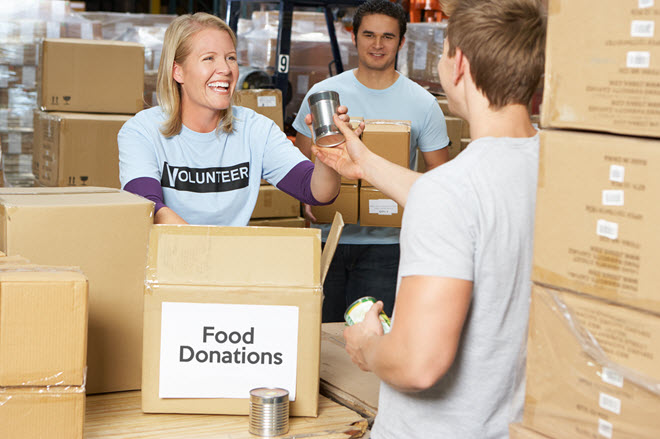
- Soup Kitchen Volunteering: Sometimes the most valuable donation is not a can of soup, but a few hours of labor. Helping sort inventory, fold linens, or serve meals provides direct, immediate relief to the population you aim to support.
Nutritional Priorities: Shopping Smart
When curating your donation list, aim for nutrient-dense, non-perishable items. The "Food Bank Gold Standard" includes:
- Proteins: Canned tuna, salmon, chicken, peanut butter, and dried lentils.
- Grains: Whole-grain pasta, brown rice, and oats.
- Fruits/Vegetables: Canned fruit in 100% juice (avoiding heavy syrups) and low-sodium vegetables.
- Essentials: Evaporated milk, chicken/vegetable broths, and unsweetened applesauce.
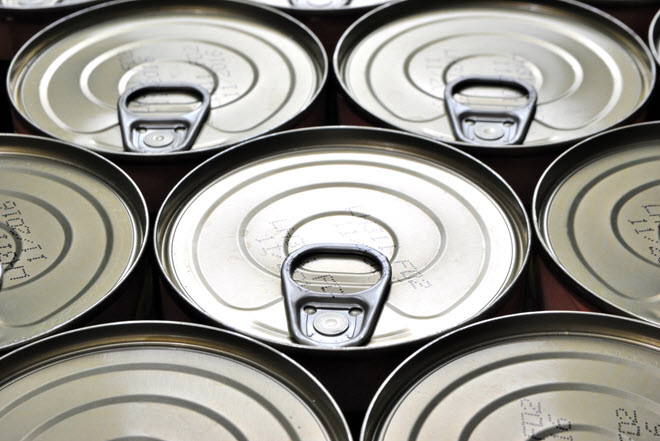
A note on packaging: Prioritize pop-top lids. Many individuals utilizing food pantries may lack reliable access to a kitchen or even a manual can opener. Furthermore, avoid glass containers whenever possible, as they are heavy and prone to breakage during transit.
Implications: The Long-Term Impact of Community Advocacy
The implications of food insecurity are vast, affecting public health, academic performance, and economic stability. By hosting a food drive or volunteering, you are doing more than filling a shelf; you are providing a safety net for your neighbors.

The cumulative effect of these small, local efforts is substantial. When individuals take responsibility for the well-being of their community, they foster a culture of empathy and resilience. While the broader issue of poverty requires structural, policy-level intervention, the immediate relief provided by community-led food initiatives remains a cornerstone of the American social fabric.
Conclusion: Your Role as an Advocate
Becoming a hunger advocate is a commitment to the principle that no one in your community should have to worry about their next meal. Whether you choose to organize a massive "Fill-the-Truck" event, facilitate a small office donation bin, or simply dedicate your weekends to a local soup kitchen, your efforts matter.
By following these structured planning steps—defining your goals, building a strong committee, communicating with local pantries, and shopping with nutritional density in mind—you can maximize your impact. The crisis of hunger in America is significant, but it is not insurmountable. With collective action, strategic planning, and a sustained commitment to the common good, we can build a future where food security is a reality for all.
For more information on starting your own hunger-relief initiative, consult local resources such as Feeding America or reach out to your municipal community health department to find a list of food pantries in your area in urgent need of support.

 Lina Irawan
 Evan Lee Salim