 Dwi Wanna
 Nana Wu
 Muslim
 Reynand Wu
 Ammar Sabilarrohman
 Suro Senen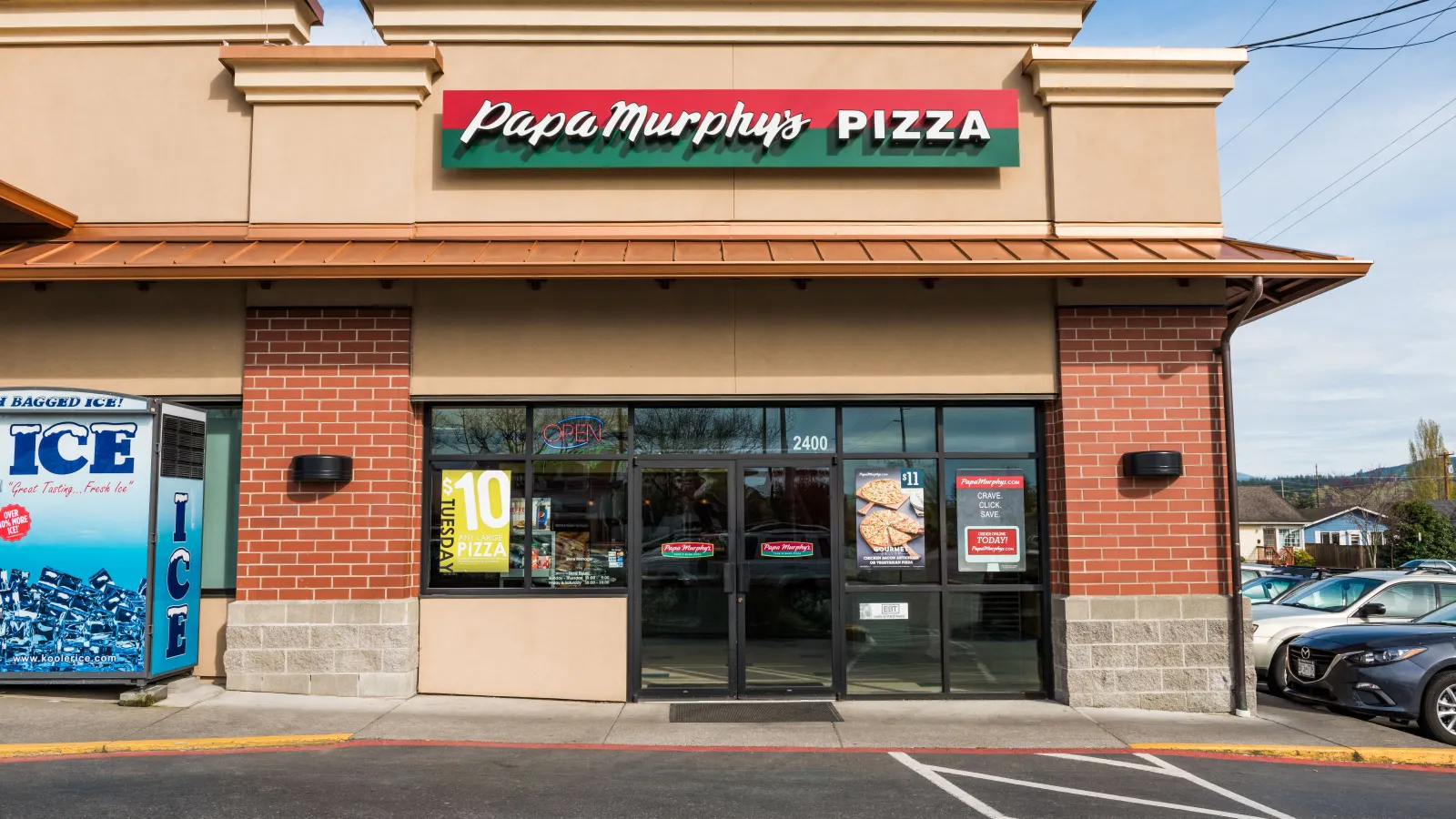
In a calculated move to recalibrate its massive multi-brand portfolio, MTY Group, the restaurant conglomerate behind numerous quick-service and fast-casual chains, has announced a series of systematic store closures. While the move will see a reduction in the company’s physical footprint, leadership describes the decision as a necessary "long-term action" aimed at purging underperforming assets and bolstering the health of its remaining corporate locations.
The initiative, which will affect approximately 1% of the company’s total store base, is largely centered on addressing persistent weaknesses in key brands, most notably the take-and-bake pizza chain Papa Murphy’s. As MTY moves forward, the company is shifting its focus toward high-return locations, signaling a broader industry trend where efficiency and profitability are being prioritized over sheer store volume.
Main Facts: The Strategic Reorganization
MTY Group, which manages a diverse portfolio of over 7,000 restaurants, confirmed that the upcoming closures are not a reactionary “fire sale” but a deliberate operational refinement. CEO Eric Lefebvre noted that while the closures will decrease the company’s total store count in the immediate term, they are expected to yield long-term gains by reducing operational losses and reallocating resources to brands with stronger growth potential.
The closures are scheduled to commence during the week of July 13. The company is approaching the transition with caution, emphasizing that the process will be methodical to minimize disruption. Specifically, MTY management aims to navigate the shuttering of these units by prioritizing staff support, negotiating exit terms with landlords, and proactively managing supply chain and distribution contingencies.
Crucially, management believes these closures will have a negligible impact on same-store sales (SSS). Because the units slated for closure were consistently underperforming compared to the corporate average, their removal is expected to "cleanse" the balance sheet without significantly harming the company’s top-line revenue performance.
Chronology of Contraction
The path to this decision was not sudden. MTY Group has been quietly disposing of underperforming stores for several quarters, a process that has now gained momentum.
- 2023–2024: Papa Murphy’s, a centerpiece of MTY’s U.S. QSR division, began experiencing accelerated store closures. The total store count for the brand fell from 1,168 in 2023 to 1,014 by 2025.
- November 2025: MTY leadership began publicly addressing the need for better franchisee engagement, particularly regarding marketing contributions and digital transformation efforts.
- Q2 2026: MTY Group reported a 2.1% decline in companywide same-store sales, intensifying the pressure to optimize the portfolio.
- July 2026: The official announcement of the systematic closure program was made following the release of the fiscal second-quarter earnings, with the first wave of closures set for mid-July.
Looking ahead, management has signaled that the current program is not necessarily the end of the consolidation. Further sales or closures of corporate-owned units remain a possibility as the company continues to evaluate the “quality” of its corporate store portfolio.
Supporting Data: The Papa Murphy’s Predicament
The data paints a clear picture of why Papa Murphy’s has become the primary focus of this restructuring. The brand, which operates a unique “take-and-bake” model, has struggled to maintain relevance in a competitive QSR pizza market dominated by giants like Domino’s.
According to franchise disclosure documents (FDDs), the reduction in Papa Murphy’s store count has been dramatic. While the majority of the 154 stores lost between 2023 and 2025 were franchised, the current round of corporate-led closures is expected to hit the remaining 49 company-owned locations particularly hard. Estimates suggest that this new wave of shuttering could effectively eliminate nearly all remaining corporate-owned Papa Murphy’s units.
The broader MTY Group picture is one of extreme franchising density. As of the second quarter of 2026, MTY operated 7,040 locations, with approximately 97% of these units being franchised or under operator agreements. This heavy reliance on the franchise model makes the corporate-owned units a disproportionate "weight" on the company’s internal P&L statements. By shedding these corporate liabilities, MTY aims to improve its overall margins, even if the absolute number of restaurants decreases.
Official Responses and Leadership Vision
In addressing investors and the public, CEO Eric Lefebvre was candid about the challenges facing the firm.
“The decision will reduce our store count in the near term, but we believe it is the right long-term action for the business,” Lefebvre stated. “It will allow us to reduce losses, improve the quality of the corporate store portfolio, and focus our resources on locations and brands with stronger return potential.”
Lefebvre acknowledged that Papa Murphy’s has been a significant drag on the company’s Quick Service Restaurant (QSR) segment. “Papa Murphy’s, certainly in the U.S., has been struggling more than our other brands as of recent. So that’s a significant weight on QSR,” he noted.
While the company is working on recovery initiatives—including menu optimization, new product launches, and an updated rewards program to drive digital engagement—the magnitude of the struggle at Papa Murphy’s has outpaced the speed of those interventions. Lefebvre emphasized that while other brands within the MTY ecosystem have faced exposure, none are currently suffering to the same extent as the pizza chain.
Regarding the process of closing units, the CEO maintained a measured tone: “We’ve been slowly but gradually disposing of some stores where it makes sense for us. It’s not a fire sale, but we’re also in a process where we can reduce the corporate store portfolio.”
Implications: A Shifting QSR Landscape
MTY Group’s decision to prune its portfolio reflects a wider trend currently sweeping through the U.S. restaurant industry. As inflation, labor costs, and changing consumer habits continue to squeeze profit margins, restaurant operators are moving away from the "growth at all costs" mentality that defined the post-pandemic recovery.
The Domino’s Effect
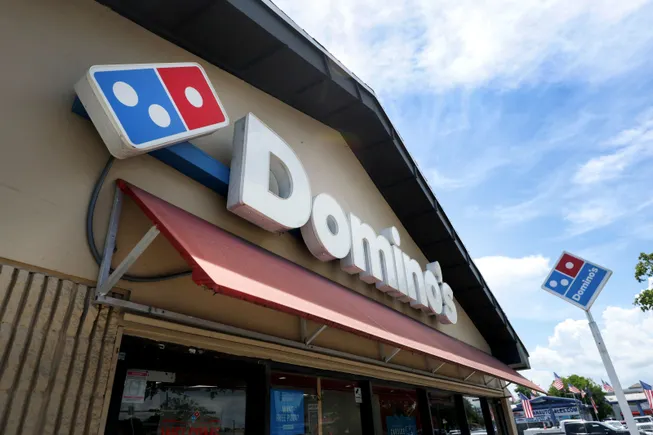
The broader pizza segment is in a state of flux. Domino’s has successfully leveraged its massive investment in digital infrastructure and delivery logistics to grow its market share, often at the expense of its competitors. Brands like Pizza Hut and Papa Johns have also been forced to announce significant store closures this year, suggesting that the "pizza wars" are increasingly favoring large, tech-integrated chains over smaller or legacy-model competitors.
The Franchise Model under Scrutiny
MTY’s struggles are not unique. Major players like Wendy’s and Jack in the Box have also signaled plans to shutter underperforming units. The implication is that the franchising model—once seen as a low-risk way to expand rapidly—is now facing a "quality control" crisis. Franchisors are increasingly terminating agreements with operators who fail to meet marketing standards or digital participation requirements, leading to a net reduction in store counts across the industry.
What Lies Ahead for MTY
For MTY Group, the path forward involves a delicate balancing act. By trimming the fat of its corporate-owned portfolio, the company hopes to stabilize its earnings per share and prove to the market that it can manage its vast, multi-brand platform more effectively.
However, the risk remains that continued closures could signal deeper brand malaise. Investors will be watching closely to see if the proposed "initiatives" for the remaining brands, such as the rewards program upgrades and menu innovation, can actually reverse the downward trend in same-store sales.
In the short term, MTY is choosing to prioritize the health of the collective over the size of the footprint. As the industry continues to consolidate, the ability to identify and shed dead weight while fostering high-growth, high-margin locations will likely be the primary determinant of which restaurant conglomerates survive the next decade. The week of July 13 will mark the start of a new chapter for MTY—one defined by discipline, skepticism of legacy assets, and a renewed focus on long-term sustainability.

 Lina Irawan
 Evan Lee Salim