
 Raul Delapena Setiawan
 Ammar Sabilarrohman
 Lina Irawan
 Suro Senen
 Pevita Pearce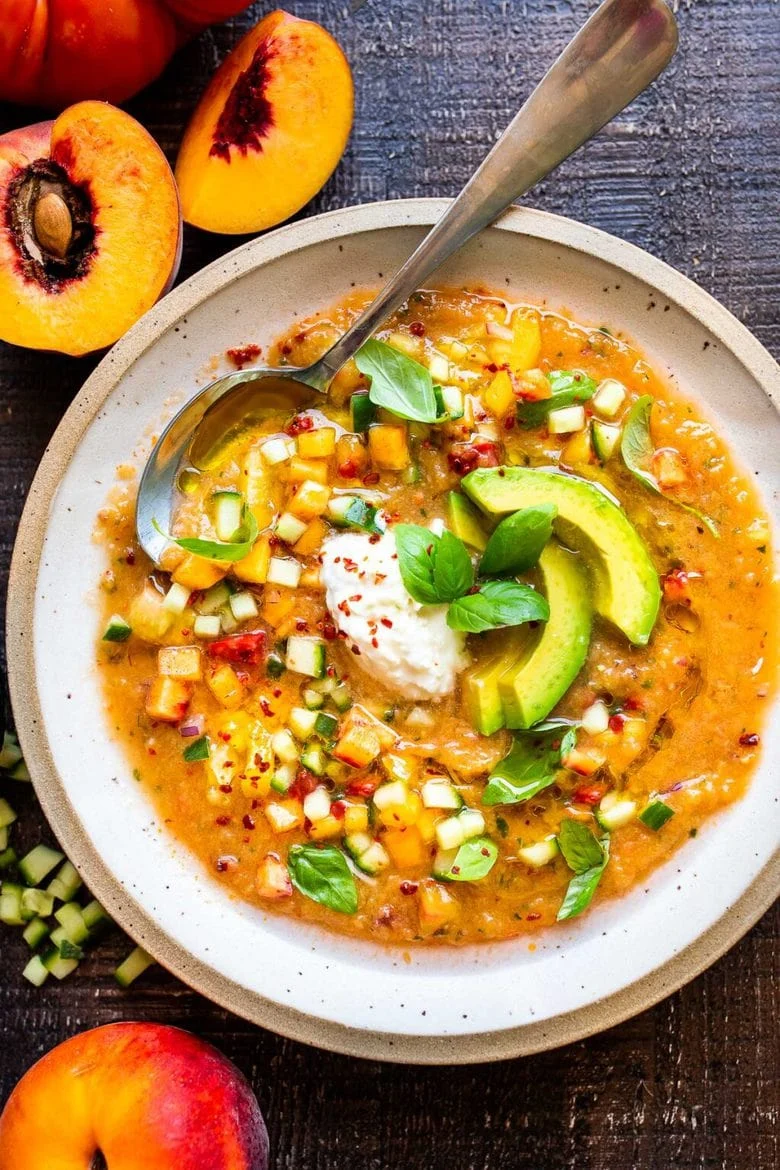
As the summer solstice wanes and the thermometer climbs, the culinary world often shifts its focus away from the heavy, braised comfort foods of winter and toward the vibrant, unadulterated bounty of the garden. Among the most sophisticated yet deceptively simple responses to the heat is the Peach Gazpacho—a chilled, blended soup that bridges the gap between savory nourishment and the fleeting sweetness of peak-season stone fruit.
While traditional gazpacho has roots in the sun-drenched regions of Andalusia, Spain, the modern interpretation has evolved into a canvas for seasonal creativity. By substituting the traditional base with the lush, floral notes of ripe peaches, chefs and home cooks alike are discovering a dish that is as refreshing as it is complex.
Main Facts: The Anatomy of a Perfect Chilled Soup
At its core, a successful Peach Gazpacho is a study in balance. The recipe relies on the harmony between acidity, sweetness, and the savory undertones provided by fresh vegetables. The primary components include:
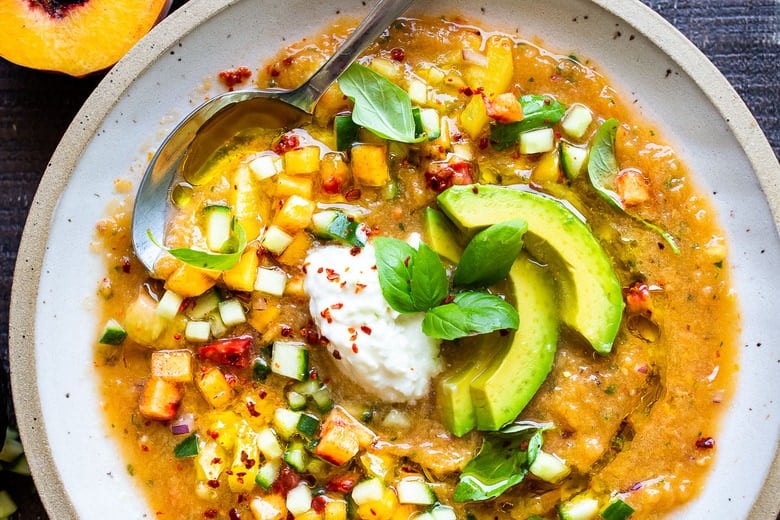
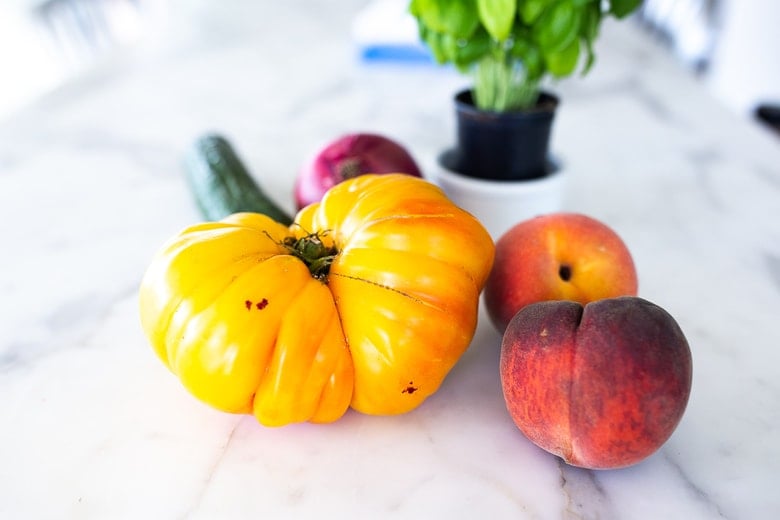
- Ripe Peaches: The soul of the dish. They provide the necessary sugar and a velvety texture that binds the soup.
- Heirloom Tomatoes: These offer a deep, umami-rich acidity that prevents the soup from becoming a dessert-like smoothie.
- Cucumber: Essential for hydration and a clean, crisp finish.
- Aromatic Herbs: Basil is the standard partner here, providing a peppery, anise-like counterpoint to the fruit.
- The Emulsifier: A high-quality extra virgin olive oil is non-negotiable. It creates a silken mouthfeel and carries the flavors across the palate.
- Acid: A splash of high-quality vinegar (white balsamic or sherry vinegar are preferred) acts as a preservative and a sharp, necessary spark.
This is a "no-cook" dish, meaning it preserves the integrity of the vitamins, enzymes, and volatile compounds that are often lost during high-heat processing. It is inherently vegan and gluten-free, making it an inclusive centerpiece for any summer gathering.
A Chronology of the Modern Gazpacho Evolution
The history of cold soups is as old as the Mediterranean trade routes, but the evolution of the fruit-forward gazpacho is a relatively recent phenomenon.
The Early Days: Originally, gazpacho was a humble meal for laborers, consisting of bread, garlic, olive oil, and vinegar pounded in a mortar. It was a utilitarian way to consume calories without the need for an open flame.
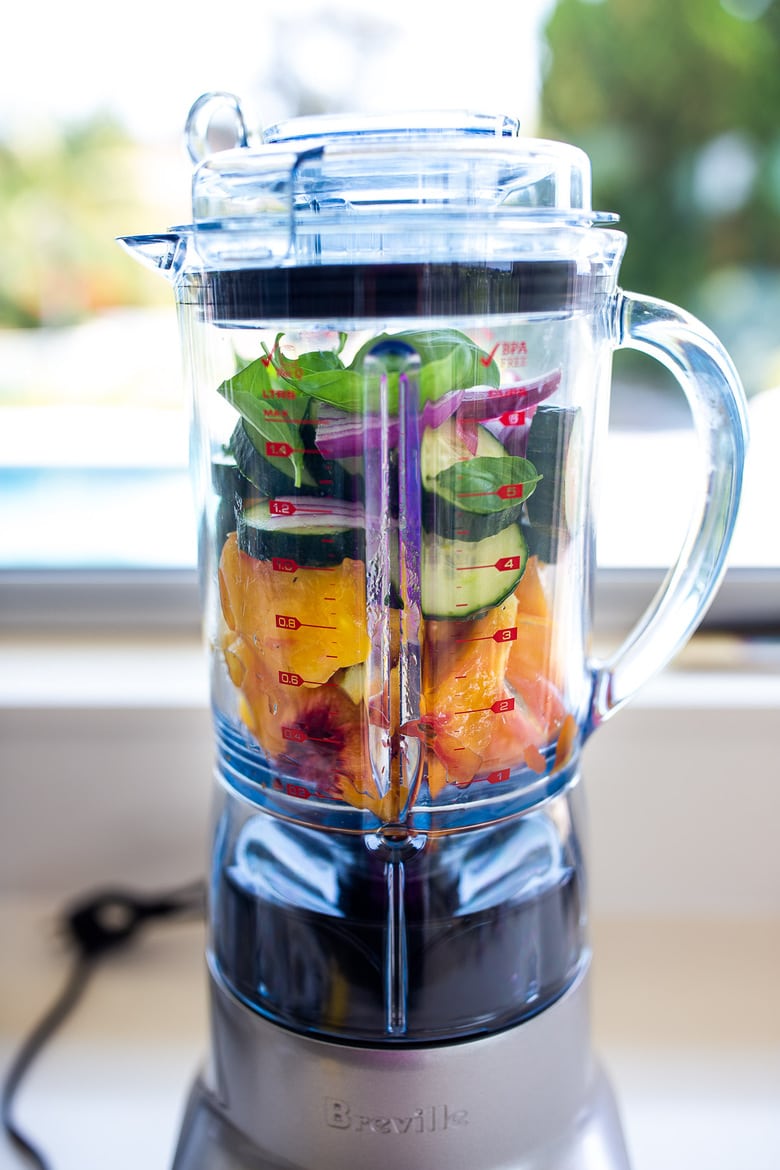
The 20th Century Shift: As refrigeration became a staple in the modern kitchen, the texture of gazpacho changed. The mortar and pestle gave way to the high-speed blender, allowing for a smoother, more refined consistency that appealed to a broader audience.
The "New Wave" Incorporation (2010–Present): Within the last decade, high-end gastronomy began experimenting with "sweet-savory" profiles. The integration of peaches, cherries, and strawberries into tomato bases transformed the soup from a functional starter into a curated, elegant experience. This specific recipe has emerged as a favorite among culinary bloggers and home chefs for its ability to turn the "ugly" or overripe produce of mid-summer into something restaurant-quality.
Supporting Data: The Nutritional Case for "Living Foods"
Beyond the immediate sensory pleasure, there is a strong nutritional argument for incorporating cold, raw soups into one’s summer diet. Nutritionists have long advocated for the "living food" philosophy—a concept rooted in the idea that raw fruits and vegetables retain their full spectrum of antioxidants and phytonutrients.
- Hydration: With a water content often exceeding 90% in the cucumber and tomato components, this soup functions as a hydrating meal, which is critical during the intense heat of July and August.
- Fiber and Prebiotics: The raw plant matter provides a high density of insoluble fiber, which supports gut health and microbiome diversity.
- Caloric Efficiency: A serving of Peach Gazpacho offers a high volume of food with a low caloric density, allowing for a feeling of fullness without the lethargy often associated with heavier summer fare.
When compared to processed, shelf-stable soups, a homemade gazpacho contains zero preservatives and no hidden sodium spikes, allowing the natural sweetness of the fruit to take center stage.
Professional Perspectives and Culinary Implications
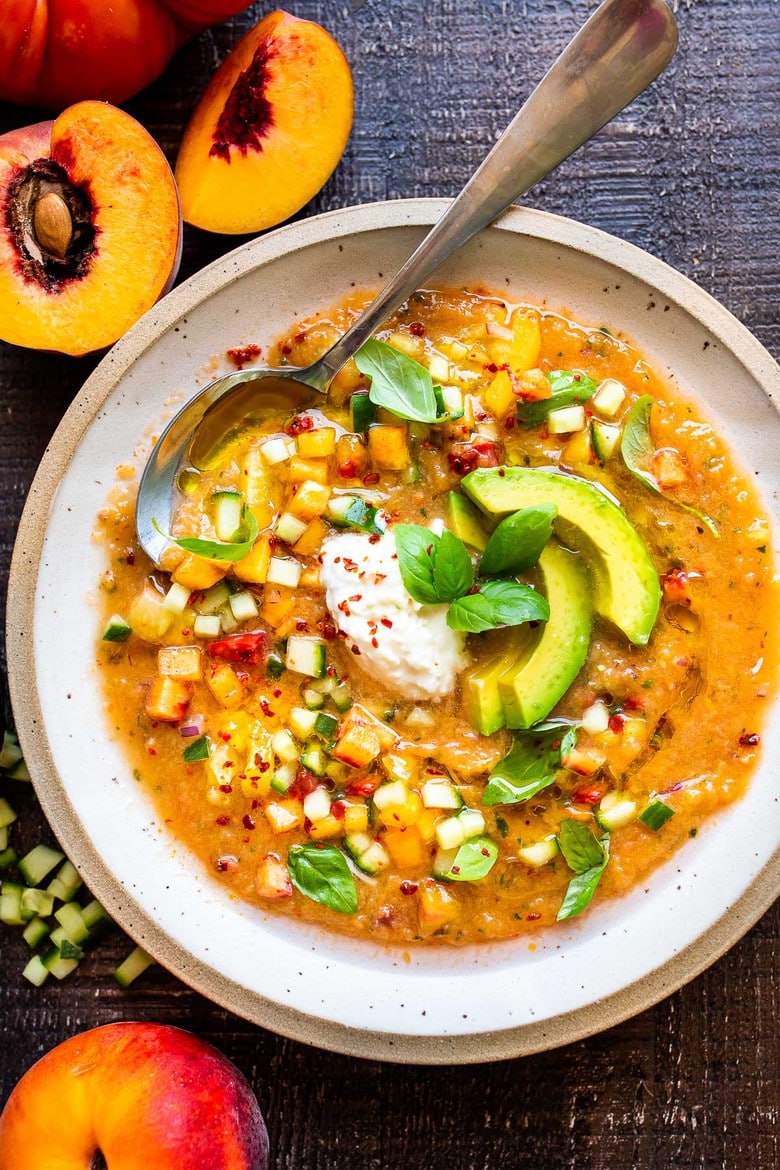
For professional chefs, the challenge of gazpacho lies in the "garnish architecture." Because the soup itself is a uniform, liquid texture, the garnish serves as the sensory anchor.
"The secret is the contrast," says one culinary expert. "When you have a silky, chilled base, you need texture. Dicing the cucumber into a fine brunoise or adding a dollop of creamy burrata creates a ‘bite’ that prevents the dish from being monotonous."
The "Hospitality" Factor
From a hosting perspective, this dish offers significant advantages. Unlike a hot soup that requires precise timing to serve at the correct temperature, gazpacho is a "make-ahead" miracle.
- The 48-Hour Rule: Culinary testing shows that the flavors of a Peach Gazpacho actually improve after 24 to 48 hours in the refrigerator. This "marination" period allows the vinegar to soften the acidity of the tomatoes and the sugar of the peaches to fully permeate the cucumber.
- Versatility: The dish is a chameleon. It can be served as an amuse-bouche in a small shot glass at a cocktail party, or as a substantial main course when paired with crusty, toasted sourdough bread or a protein-rich topping like crab or tofu-ricotta.
Implications for the Home Kitchen: Why It Matters
The enduring popularity of this recipe speaks to a broader cultural shift. We are moving away from complex, high-effort cooking and toward "ingredient-forward" preparation. The Peach Gazpacho demands nothing more than fresh, high-quality produce and a reliable blender.
However, the simplicity is a trap for the uninitiated. If the ingredients are lackluster, the soup will be lackluster. It forces the cook to engage with the season. It necessitates a visit to the farmer’s market to find the peach that is soft to the touch and the tomato that smells of the vine. It turns cooking into a hunt for the best of the season.
Practical Tips for the Perfect Batch
- Temperature is Everything: Chill your serving bowls in the freezer for 15 minutes before plating. Even a cold soup can lose its charm if it hits a warm ceramic vessel.
- The Acid Balance: If the soup feels too sweet, do not add more salt. Instead, increase the acidity with a few drops of white balsamic or sherry vinegar. This "brightening" effect is what separates a mediocre soup from a professional one.
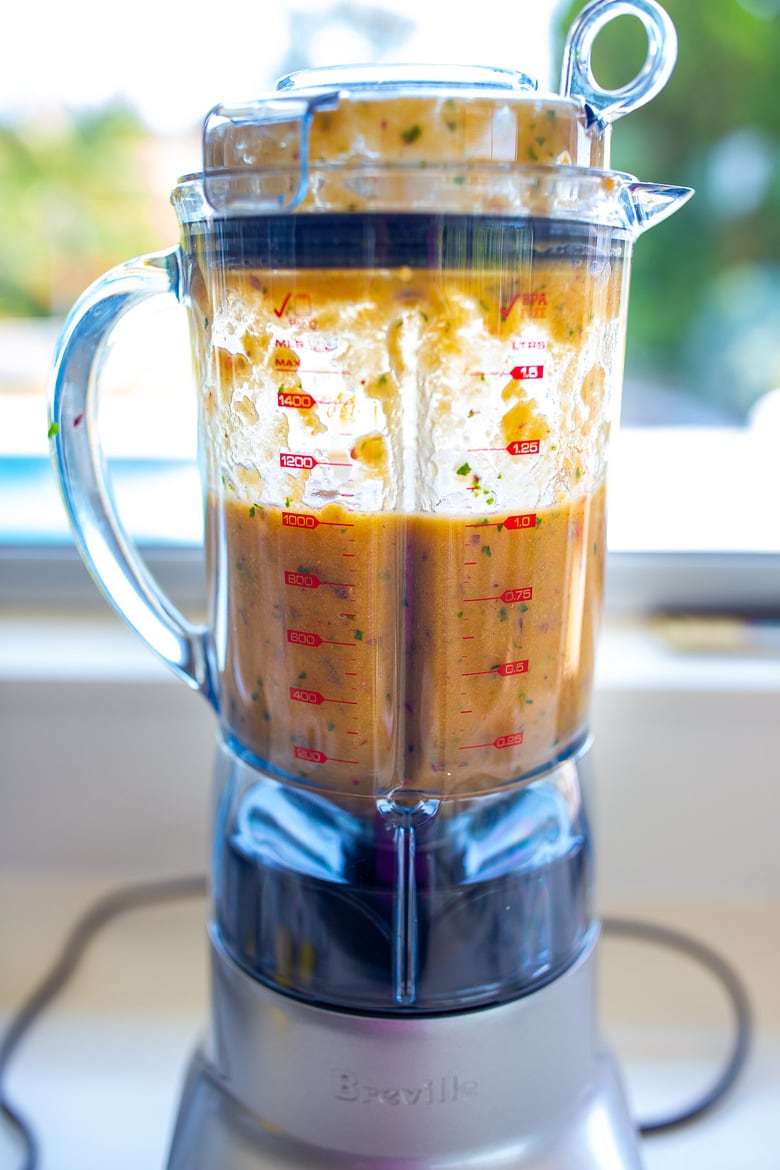
- Texture Control: If you prefer a rustic feel, pulse the blender rather than letting it run continuously. Some small chunks of cucumber or tomato add a necessary tactile experience.
- Avoid Freezing: While the soup keeps for three days in the refrigerator, freezing it will destroy the delicate cell structures of the fresh produce, resulting in a watery, separated mess upon thawing.
Conclusion: A Symphony of the Season
The Peach Gazpacho is more than just a recipe; it is a manifestation of the summer spirit. It captures the fleeting nature of stone fruit season and the abundance of the tomato harvest in one coherent, cooling vessel. Whether you are a dedicated fan of chilled soups or a skeptic looking for a reason to change your mind, this dish offers a profound reminder of why we cook: to celebrate the ingredients we have, to nourish the body, and to savor the fleeting moments of summer.
As the poet Rabindranath Tagore famously noted, "The butterfly counts not months but moments, and has time enough." In the rush of our modern lives, taking the time to prepare a bowl of Peach Gazpacho—and then taking the time to actually sit and eat it—is an act of radical presence. It is a moment of coolness in the heat, a moment of sweetness in the savory, and above all, a moment of pure, seasonal grace.
So, head to the market, find the reddest tomatoes and the juiciest peaches you can find, and allow yourself to be transported by the simplicity of the season. Your palate, and your summer, will be all the better for it.


 Evan Lee Salim
 Azzam Bilal Chamdy