

 Raul Delapena Setiawan
 Ammar Sabilarrohman
 Lina Irawan
 Suro Senen
 Nana Muazin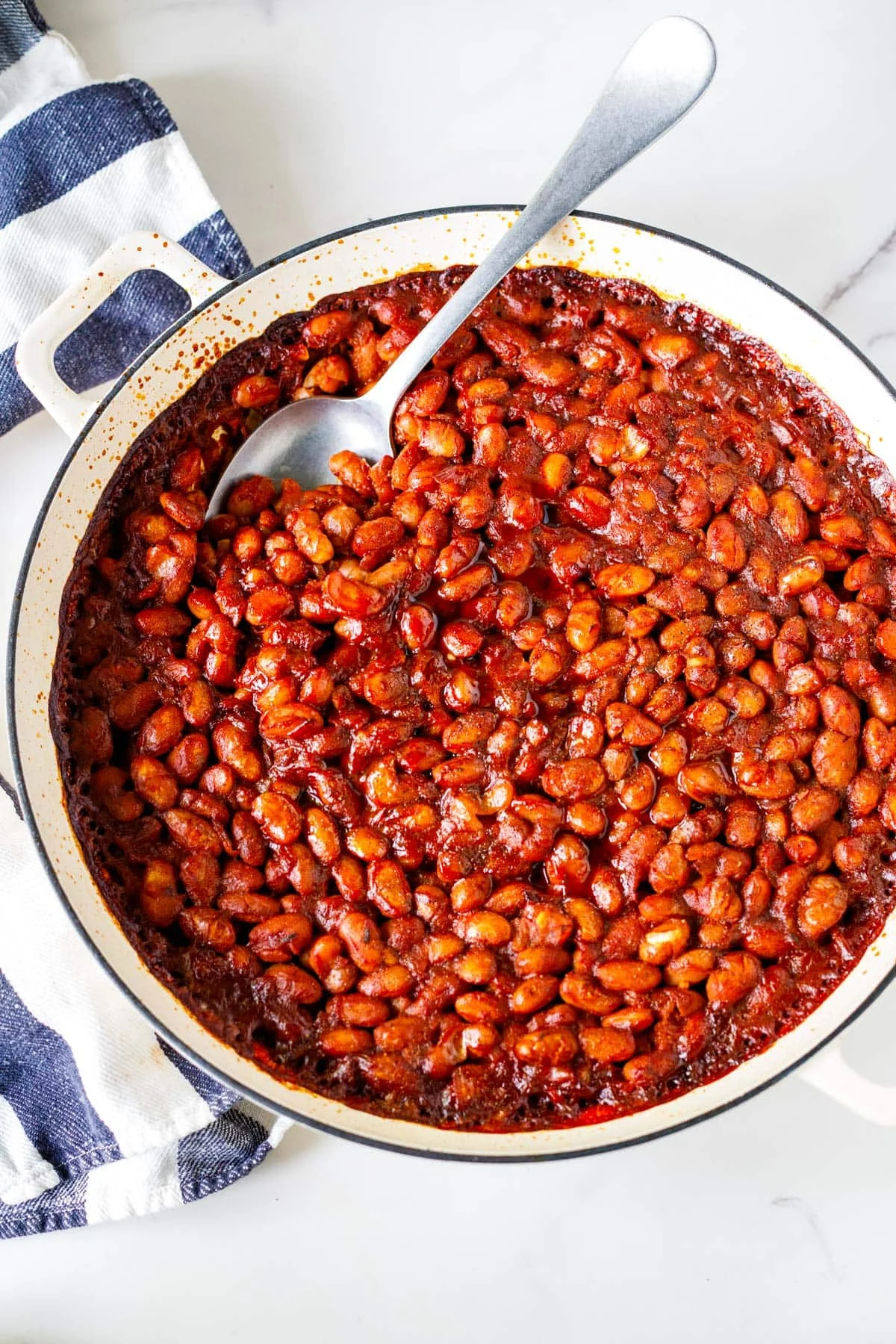
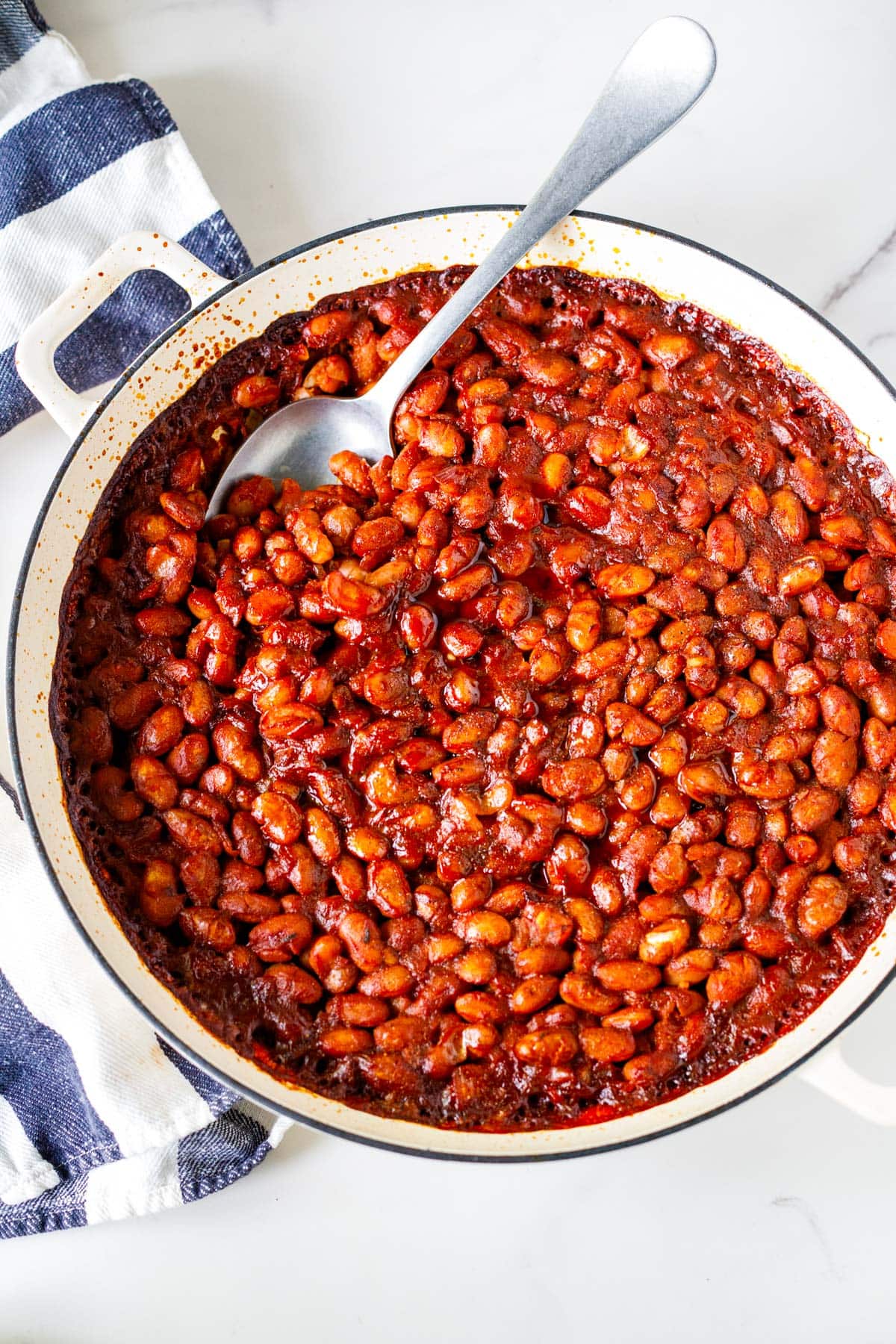
In the pantheon of backyard cookout side dishes, few items command as much respect and nostalgic affection as a bubbling, cast-iron skillet of baked beans. While many home cooks reach for store-bought cans, the artisanal movement toward scratch-made legumes has transformed this humble dish from a secondary afterthought into a culinary centerpiece. Today, we explore how to elevate your next gathering with smoky, savory, homemade baked beans—a plant-based masterpiece that proves simple, wholesome ingredients can outperform processed alternatives every time.
Main Facts: The Anatomy of a Perfect Pot
At its core, a superior batch of baked beans relies on the marriage of texture and depth of flavor. The dish, popularized in American cuisine through long-standing regional traditions, traditionally relies on slow cooking to allow the sugars in the sauce to caramelize and the starches in the beans to break down into a creamy consistency.
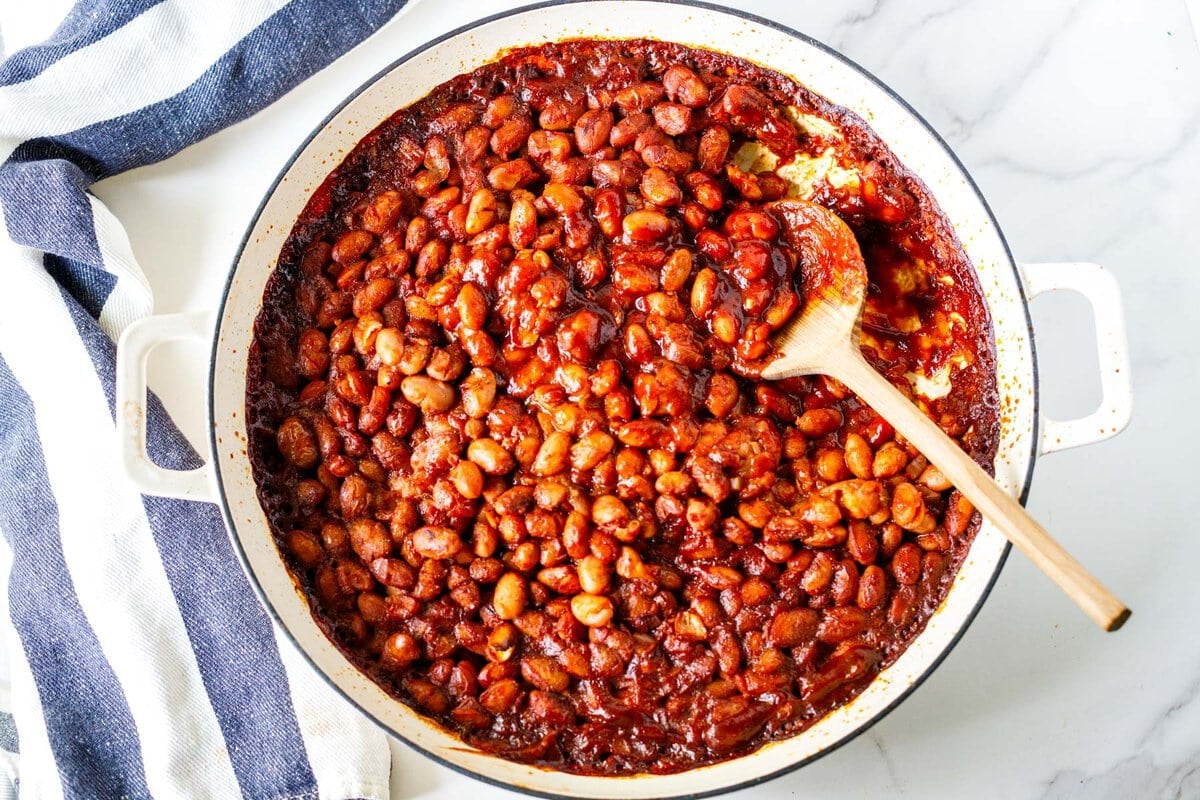
This specific preparation distinguishes itself through its versatility. Whether utilizing dry beans—which offer a superior bite and a richer cooking broth—or convenient canned alternatives, the key lies in the "sauce profile." By utilizing a base of high-quality BBQ sauce, smoked paprika, and a touch of maple syrup, the recipe balances acidity, sweetness, and deep, wood-fired notes. Crucially, this recipe is inherently vegan, catering to modern dietary preferences without sacrificing the "meaty" satisfaction typically associated with pork-laden versions.
Chronology: From Pantry to Oven
The process of creating these beans is a study in patience and preparation, designed to fit into a modern, busy lifestyle.
1. Preparation and Aromatics
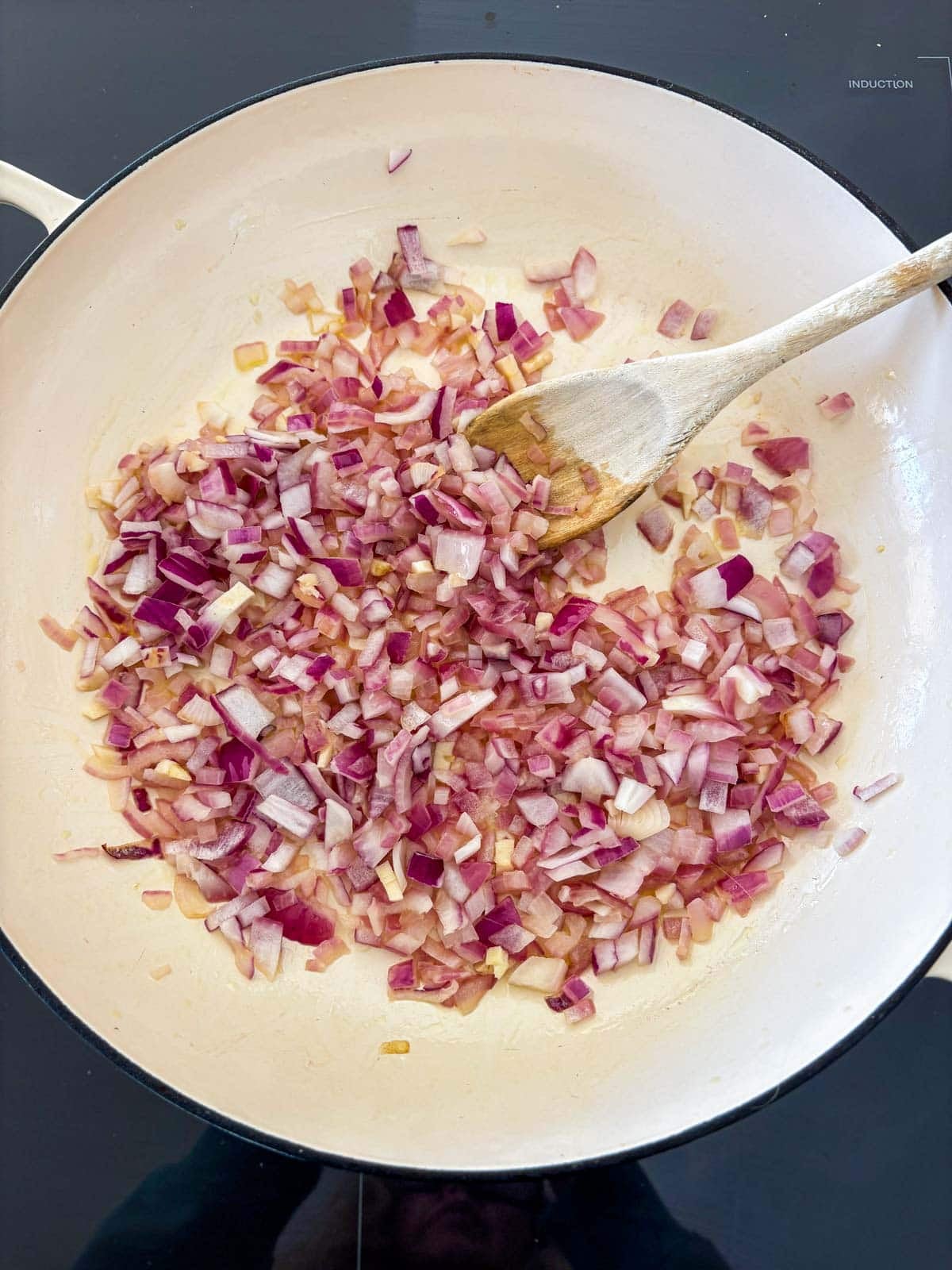
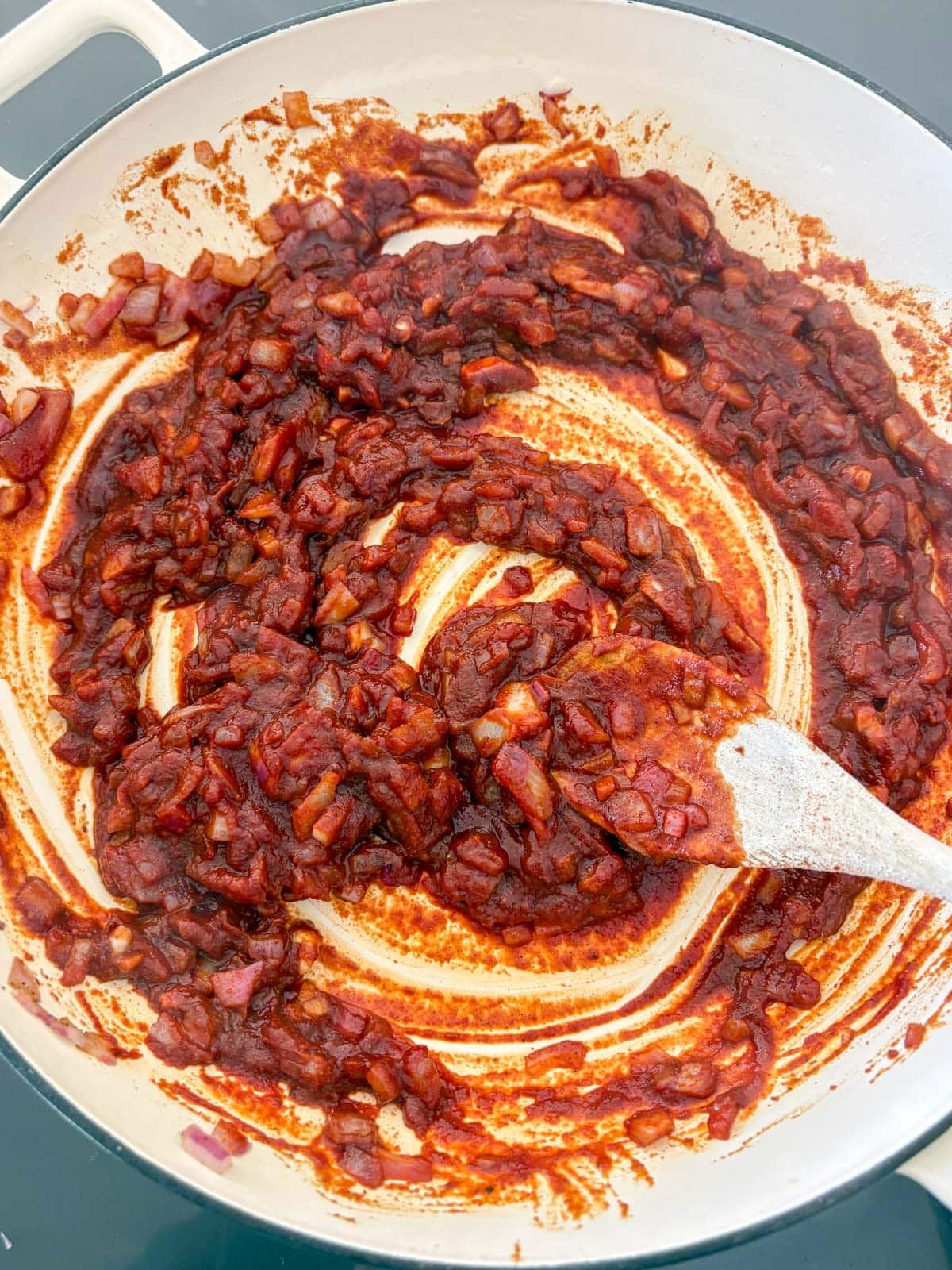
The foundation begins with the aromatics. In a high-quality oven-proof braiser, sautéing finely diced onions and minced garlic in olive oil creates the necessary base. The introduction of tomato paste and spices—specifically smoked paprika and a touch of cayenne—is a critical step known as "blooming." By cooking the spices in fat for approximately one minute, the volatile oils are released, ensuring the flavor profile permeates the dish rather than sitting on the surface.
2. Building the Sauce
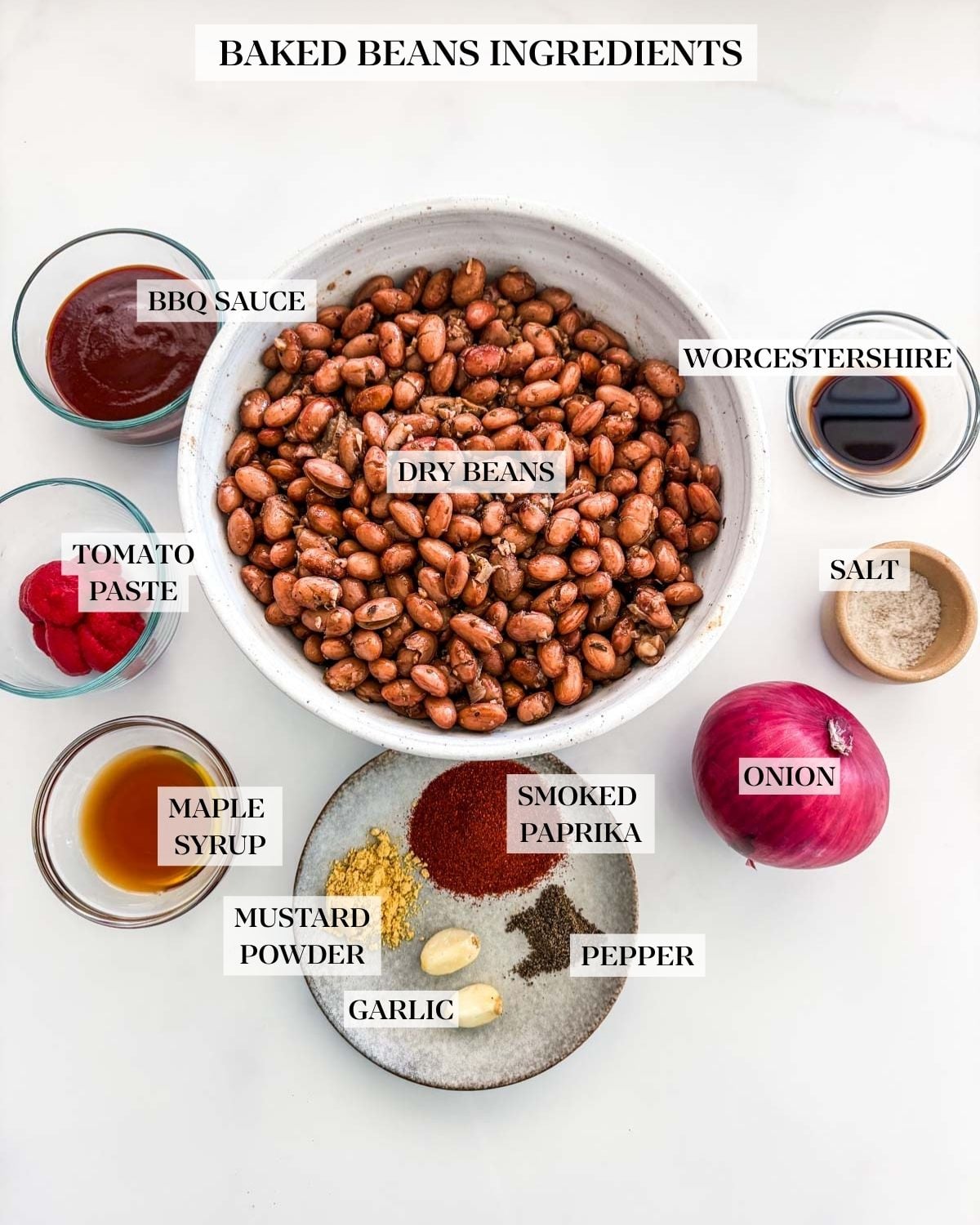
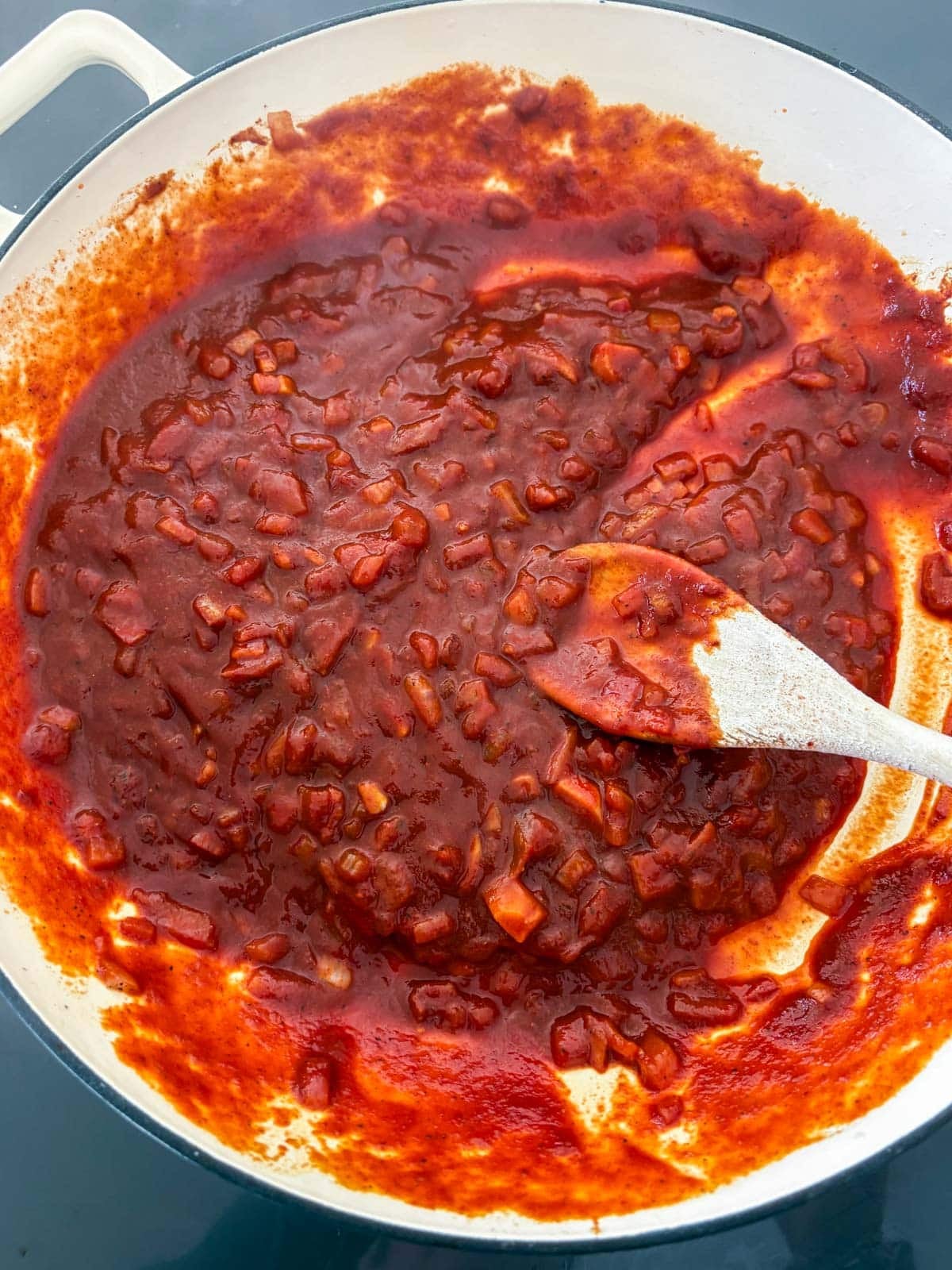
Once the aromatics are fragrant, the liquid components are introduced. BBQ sauce provides the tangy, complex backbone, while Worcestershire sauce (ensure a vegan-certified brand is used) and maple syrup add the necessary umami and subtle sweetness. The inclusion of "bean water"—the starchy liquid resulting from cooking dry beans—is the "chef’s secret." It acts as a natural thickener, ensuring the final product possesses a glossy, clinging texture rather than a watery consistency.
3. The Bake
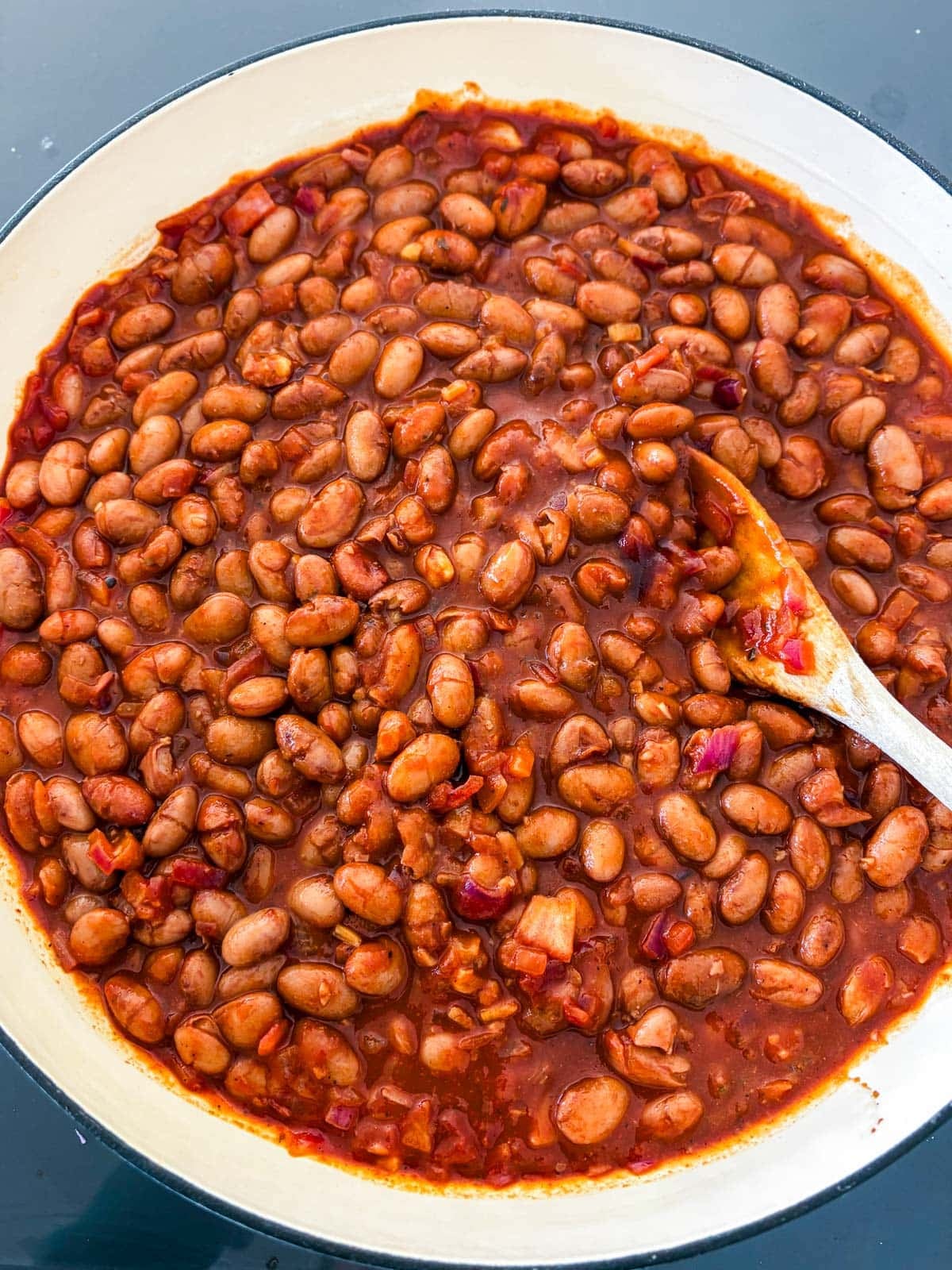
The final phase takes place in a 375°F oven. The dish is baked uncovered for 40 to 50 minutes. This exposure allows for evaporation, which concentrates the flavors, and the creation of a caramelized crust on the top layer, providing a delightful textural contrast to the tender, creamy beans beneath.
Supporting Data: Why Legumes Matter
The shift toward homemade beans is backed by compelling nutritional and economic data. Legumes are a nutritional powerhouse, offering high levels of plant-based protein, dietary fiber, and essential minerals such as iron and potassium.
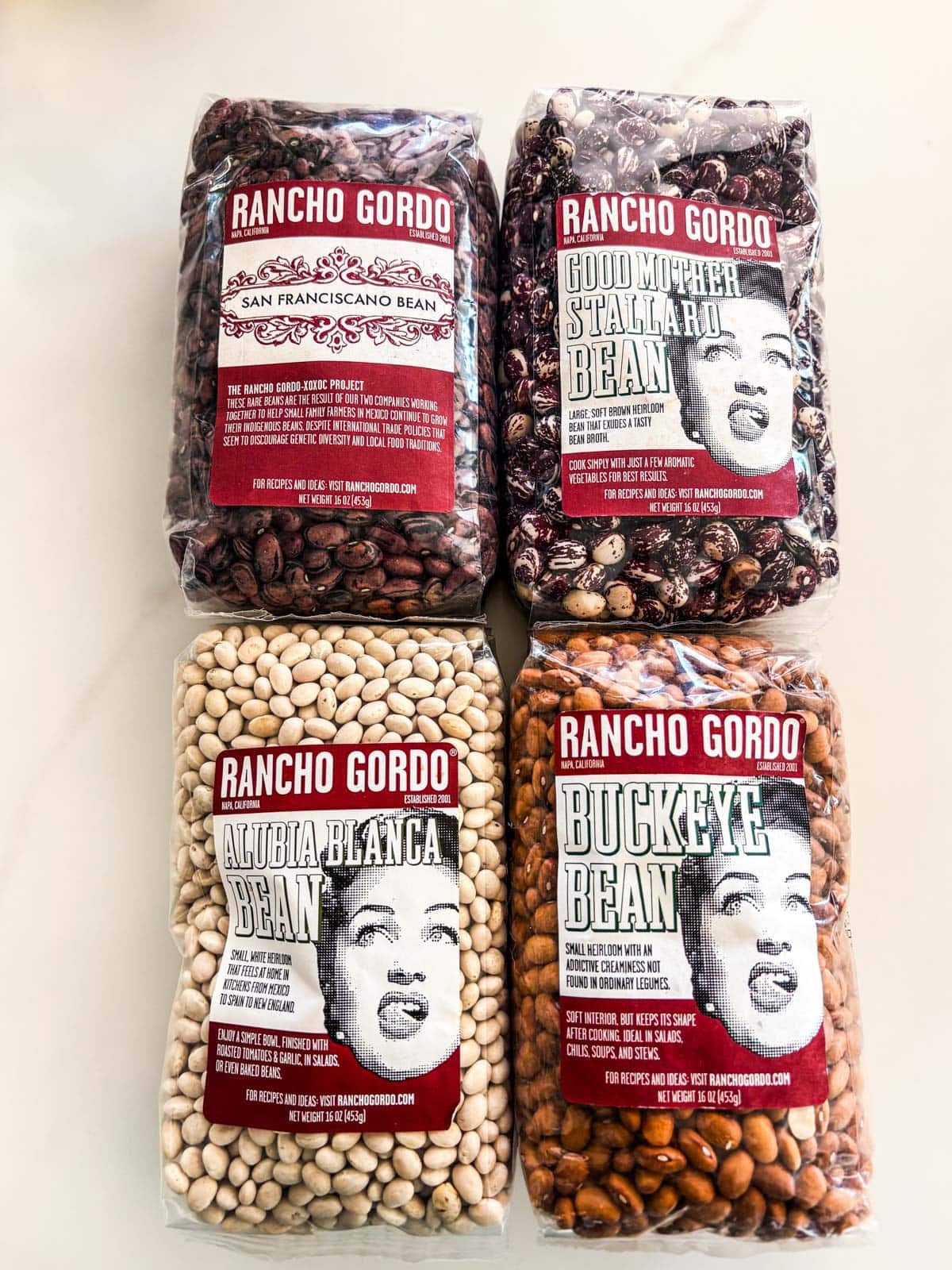
For the home cook, the economic incentive is equally persuasive. A one-pound bag of heirloom beans, such as those from reputable sources like Rancho Gordo, yields a significant volume of food for a fraction of the price of premium canned goods. Moreover, the ability to control the salt and sugar content allows for a healthier, more customizable outcome. Culinary studies suggest that beans cooked from dry possess a lower glycemic index and a more robust flavor profile compared to their mass-processed counterparts, which are often treated with preservatives to maintain shape during canning.
Official Perspectives: The Philosophy of the "Slow" Kitchen
Culinary experts and nutritionists alike have begun advocating for the return to "slow-prep" pantry staples. As Sylvia Fountaine, a proponent of this approach, notes, the act of soaking and simmering beans provides a meditative rhythm to kitchen work that is often lost in modern convenience culture.
"Cooking a pound of dry beans every week isn’t just about nutrition; it’s about reclaiming the flavor of real food," Fountaine explains. The "official" consensus in the culinary world is that beans should be treated as a canvas. Whether you choose to add bacon, jalapeños, or additional spices, the base recipe remains a reliable anchor for experimentation.
Implications for the Modern Host
Hosting a successful event in the 21st century requires an acute awareness of dietary inclusivity. The beauty of this vegan baked bean recipe is that it satisfies the traditional palate while remaining inclusive of vegetarians, vegans, and those looking to reduce their meat consumption.
Flavor Variations and Customization
One of the most significant implications of this recipe is its adaptability:
- The Spicy Kick: For those who prefer a "Texas-style" heat, stirring in diced chipotles in adobo or fresh jalapeños before baking adds a complex, creeping heat that pairs perfectly with the sweetness of the maple syrup.
- The Savory Depth: If you are not strictly vegan, adding crispy pancetta or bacon lardons can introduce a saltiness that highlights the natural nuttiness of beans like Borlotti or Cannellini.
- The Acid Balance: If the beans taste too one-note or overly sweet, a splash of apple cider vinegar or even a squeeze of fresh lime juice can brighten the entire dish, cutting through the heavy BBQ profile.
Storage and Scalability
This dish is a "force multiplier" for meal planning. Because the flavors deepen as they sit, these beans are arguably better on day two or three. The ability to freeze the cooked product for up to three months means that a single, large-batch cooking session can serve as a "convenience store" of high-quality sides for multiple future dinners. When reheating, the simple addition of a splash of water or broth ensures the sauce returns to its original, velvety consistency.
Serving Suggestions
To truly elevate your next barbecue, consider the context of the plate. These baked beans act as the perfect foil to the char and smoke of grilled meats or plant-based alternatives.
- The Classic Pairing: Serve alongside a grilled bison burger or a slow-smoked BBQ chicken breast. The acidity of the beans cuts through the richness of the proteins.
- The Vegetarian Spread: Pair with a hearty chickpea burger or a grilled tofu slab. The texture of the beans provides a satisfying "main dish" feel, ensuring that vegetarian guests feel prioritized rather than accommodated.
- The "Picnic Plate": Complement the beans with crisp coleslaw, charred corn on the cob, and potato salad. The combination of textures—creamy beans, crunchy slaw, and smoky corn—is the definition of a balanced summer meal.
Conclusion
The humble baked bean, when treated with care and attention, is a testament to the fact that you do not need expensive ingredients to create a memorable meal. By focusing on high-quality beans, a well-balanced sauce, and the patience of the oven, you can create a side dish that serves as the heart of your next gathering. Whether you are a seasoned chef or a home cook looking to expand your repertoire, this recipe offers a reliable, delicious, and deeply satisfying way to honor the tradition of the American BBQ.
Remember: the magic is in the simmer. Take the time to toast those spices, respect the cooking time, and allow the flavors to develop. Your guests—and your pantry—will thank you for it.


 Evan Lee Salim
 Azzam Bilal Chamdy