

 Azzam Bilal Chamdy
 Neng Nana
 Nana Muazin
 Dwi Wanna
 Raul Delapena Setiawan
 Nana Wu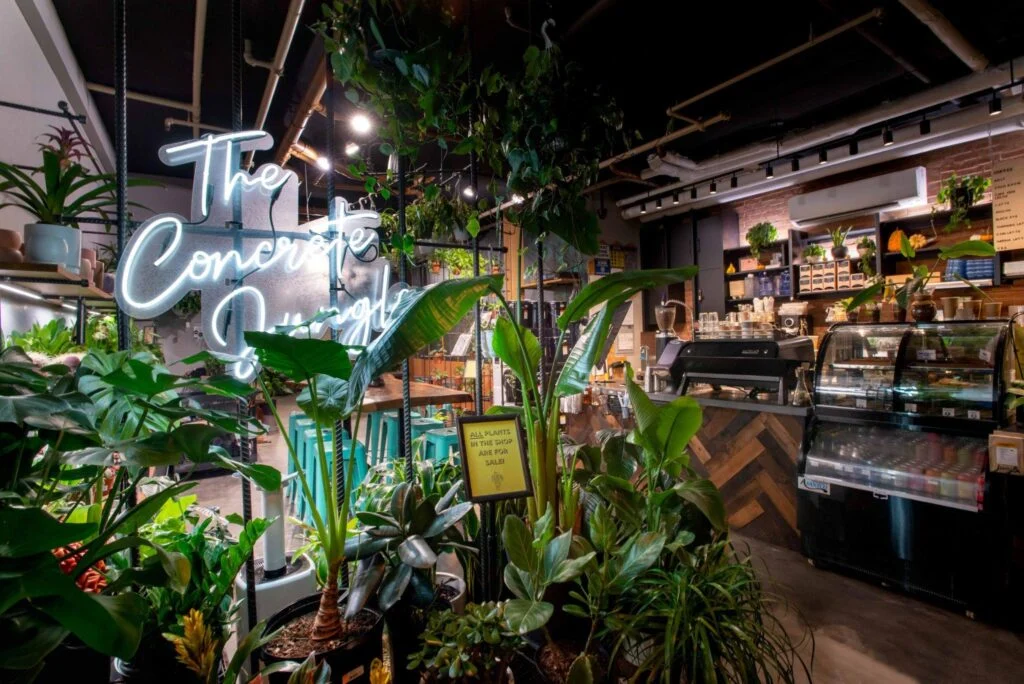
For nearly a century, the neighborhood bar has served as the social anchor of American life. It was the default venue for post-work decompression, the setting for first dates, and the reliable backdrop for milestone celebrations. However, the cultural landscape is undergoing a tectonic shift. According to a 2025 Gallup poll, only 54 percent of U.S. adults now admit to consuming alcohol—a figure representing the lowest level of drinking in nearly 90 years.
As the influence of the traditional tavern wanes, a new question emerges for the hospitality and retail sectors: If the desire for social connection remains as potent as ever, where will people go when they no longer revolve their evenings around a glass of wine or a pint of beer?
The Historic Decline of Alcohol Consumption
The data is unambiguous. The era of alcohol-centric socialization is receding, driven largely by shifting attitudes among Gen Z and Millennials. While the mid-20th century saw the cocktail hour cemented as a staple of the American routine, today’s consumers are increasingly prioritizing wellness, mental clarity, and intentionality in their social lives.
This decline is not merely a statistical anomaly; it is a fundamental behavioral adjustment. The "sober-curious" movement, once a niche lifestyle choice, has matured into a mainstream consumer preference. This demographic shift is forcing a massive recalibration across the service industry. From corner cafes to high-end restaurants, businesses are realizing that the "default" gathering place is no longer guaranteed to be a bar.
A Chronology of the Social Pivot
The transition away from alcohol-fueled socialization did not happen overnight. To understand the current landscape, one must look at the recent evolution of consumer behavior:
- 2018–2020: The rise of the "sober-curious" movement gains traction on social media, fueled by wellness influencers who highlight the physical and mental benefits of reducing alcohol intake.
- 2020–2021: The pandemic serves as a major catalyst. With bars closed, consumers experiment with home-based social rituals, discovering that connection can exist without alcohol. Simultaneously, the growth of the non-alcoholic beverage market begins to accelerate.
- 2022–2024: The "mocktail" becomes a standard menu item in high-end dining. Major alcohol brands begin investing heavily in non-alcoholic spirits and craft sodas, signaling that the industry itself recognizes the long-term trend.
- 2025–2026: The Gallup poll confirms the trend is entrenched. The National Restaurant Association’s What’s Hot 2026 forecast officially identifies "low- and no-alcohol drinks" as a top priority for diners, moving the concept from a trend to a business necessity.
Supporting Data: The New Culinary Forecast
The National Restaurant Association (NRA) underscores that this is a critical juncture for operators. Their What’s Hot 2026 report suggests that diners are not just cutting back; they are actively seeking establishments that cater to their new lifestyle. For businesses that have relied on the high profit margins of alcohol, the imperative is clear: adapt or face obsolescence.
The data suggests that the "Third Place"—a term coined by sociologist Ray Oldenburg to describe social environments separate from the home and the workplace—is being reclaimed. It is moving into spaces that offer community, safety, and engagement, rather than mere intoxication. Libraries, cafes, and creative retail spaces are increasingly filling the vacuum left by the shrinking presence of the neighborhood bar.
Strategic Imperatives: What Customers Want
As the social landscape shifts, operators must pivot their business models to remain relevant. Based on current market analysis, three primary strategies have emerged for capturing the "sober social" market.
1. The Power of Differentiation
In a saturated market, "good enough" is no longer sufficient. Businesses that have traditionally relied on alcohol must innovate, while non-alcohol-serving businesses must identify their "hook."
Whether it is a cafe that roasts its beans in-house to create a unique flavor profile or an ice cream parlor that introduces a "flavor of the month" to drive repeat visits, the goal is to provide an experience that cannot be replicated at home or at a chain store. Customers are looking for "talkable" experiences—something unique that warrants a social media share and provides a reason to choose one destination over another.
2. Expanding the Daypart
Many businesses operate under the assumption that their peak hours are fixed. However, the most successful establishments are those that look at their community’s needs and expand their availability accordingly. If a cafe is a morning hotspot, how can it transform into a vibrant evening destination? By extending hours, offering a dedicated "evening menu," or creating a comfortable environment for late-night collaboration, businesses can tap into social occasions that were previously dominated by bars.
3. Programming for Connection
The most effective way to secure customer loyalty is to foster a sense of belonging. Generic background music is no longer enough. Successful venues are curating programming that reflects the specific demographics of their neighborhood. Whether it is hosting local sports viewing parties in a college town, organizing parenting workshops, or inviting local creators for craft nights, the programming must act as a natural extension of the community.
Case Study: Concrete Jungle and the Future of Retail
A prime example of this evolution is Concrete Jungle, a cafe and plant shop in Brooklyn. By blurring the lines between a retail environment and a community center, the business has successfully created a "third place" that thrives without alcohol.
The genius of the Concrete Jungle model is its holistic approach. The lush, plant-filled environment provides a distinctive aesthetic that draws people in. However, it is the programming—such as "Jungle Boogie Saturdays" featuring local DJs, or weekend re-potting workshops—that keeps them there. These events do not just sell coffee or plants; they sell a social occasion. They provide a reason for customers to gather, connect, and, most importantly, return.
Implications for the Industry
The shift away from alcohol is not a death knell for the hospitality industry; it is a call for reinvention. The desire to gather is an intrinsic human need that will not disappear, but the container for that gathering is changing.
For operators, the implications are profound. To compete with the neighborhood bar, businesses must move beyond the transactional nature of serving food and drinks. They must become facilitators of connection. This requires:
- A Shift in Mindset: Operators must stop viewing themselves as "bar owners" or "coffee shop owners" and start viewing themselves as "community architects."
- Curated Experiences: The product—be it a mocktail, a pour-over coffee, or a pastry—is only part of the equation. The environment and the activity are the primary drivers of long-term success.
- Community-Centric Growth: By listening to the needs of the local neighborhood and creating events that serve those specific interests, businesses can build a moat of loyalty that alcohol-based establishments cannot easily replicate.
Conclusion: The New Social Routine
As we look toward the latter half of the decade, it is clear that the traditional bar is no longer the sole gatekeeper of social life. A significant portion of the population is voting with their feet, choosing environments that prioritize health, connection, and distinctive experiences over the consumption of spirits.
The businesses that succeed in this new era will be those that understand this evolution. They will recognize that the "sober social" trend is not a fleeting fad, but a structural shift in how Americans spend their leisure time. By creating welcoming spaces that offer a unique identity, flexible dayparts, and meaningful programming, these operators are not just filling a gap in the market—they are defining the next century of American social life.
The neighborhood bar may be in decline, but the neighborhood gathering place is being born anew, and it looks more diverse, more creative, and more inclusive than ever before.
Jonathan Bass is the EVP of Marketing & Communications at Bellwether Coffee. With over 25 years of experience in marketing and communications, having held leadership roles at Google, Tesla, and SolarCity, Bass brings a unique perspective on how emerging consumer trends are shaping the future of retail and hospitality.

 Rifan Muazin
 Ali Ikhwan
