

 Azzam Bilal Chamdy
 Neng Nana
 Nana Muazin
 Dwi Wanna
 Raul Delapena Setiawan
 Basiran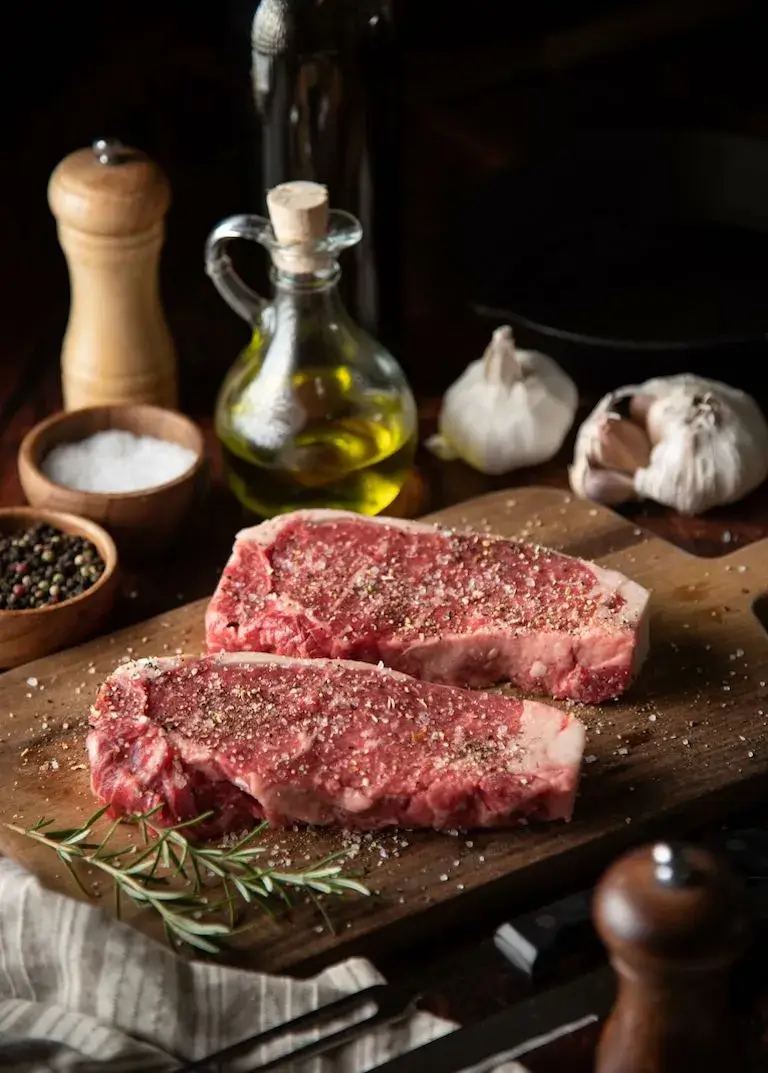
Listen to This Article:
For both novice and seasoned cooks, the path to consistently delicious meals often feels shrouded in mystery, a delicate dance of intuition and precise measurements. Yet, beneath the surface of countless successful dishes lies a surprisingly simple, foundational framework: the masterful interplay of salt, fat, acid, and heat. This quartet of culinary elements, popularized by chef and author Samin Nosrat, serves as the universal language of flavor, guiding cooks to balance, enhance, and transform ingredients with confidence.
Consider a perfectly roasted chicken: the skin crackles into a crisp, golden crust thanks to precise heat application; savory pan drippings, rich with fat, carry deep flavors; a bright squeeze of lemon cuts through the richness, while a judicious sprinkle of salt brings every other flavor into vivid focus. These are not mere ingredients to be added in equal measure, but rather dynamic levers a cook learns to adjust, creating harmony in every bite.
This article delves into the profound impact of salt, fat, acid, and heat, demystifying their individual roles, equipping aspiring chefs and home cooks alike with the tools to recognize when a dish falls short, and providing practical strategies to restore its balance. Whether you dream of a professional culinary career or simply desire more vibrant weeknight dinners, understanding these four elements is the key to cooking with unparalleled confidence and creativity.
The Foundational Pillars of Flavor: Salt, Fat, Acid, and Heat
The concept that underpins the "Salt, Fat, Acid, Heat" framework is not a recent invention but a distillation of age-old culinary wisdom. Chefs have instinctively understood these principles for centuries. However, Samin Nosrat, through her acclaimed book and Netflix series, brought this powerful analytical tool to a broader audience, demonstrating how these seemingly simple components are the bedrock of deliciousness across diverse cuisines. Her work offers a practical, sensory-driven approach to understanding the food science happening in a pan, allowing cooks to taste, evaluate, and adjust without being slavishly tied to a recipe.
This framework encourages a shift from rote following to critical thinking, transforming cooking from a set of instructions into an art of improvisation and informed decision-making. It teaches that while the five basic tastes are sweet, sour, salty, bitter, and umami, these four elements are the mechanisms through which those tastes, along with texture, aroma, and mouthfeel, are sculpted and perfected.

Table: Salt, Fat, Acid, and Heat: What Each One Does
| Element | What It Brings to a Dish | Where You’ll Find It |
|---|---|---|
| Salt | Enhances existing flavors, tempers bitterness, and brings ingredients into focus | Kosher salt, Parmesan, soy sauce, miso, anchovies |
| Fat | Carries flavor and contributes richness, moisture, tenderness, or crispness | Butter, olive oil, cream, eggs, nuts |
| Acid | Adds brightness, balances richness and sweetness, and can change texture | Citrus, vinegar, tomatoes, yogurt, buttermilk |
| Heat | Transforms flavor, aroma, color, moisture, and texture through cooking | Searing, roasting, simmering, frying, baking |
The Culinary Journey: Learning to Balance Flavor with Intuition
The mastery of salt, fat, acid, and heat is not about adhering to rigid measurements but about developing an intuitive understanding—a "muscle memory" of taste, as Escoffier Chef Instructor Dawn DeStefano describes it. It’s about recognizing the subtle cues a dish offers and responding with precision.
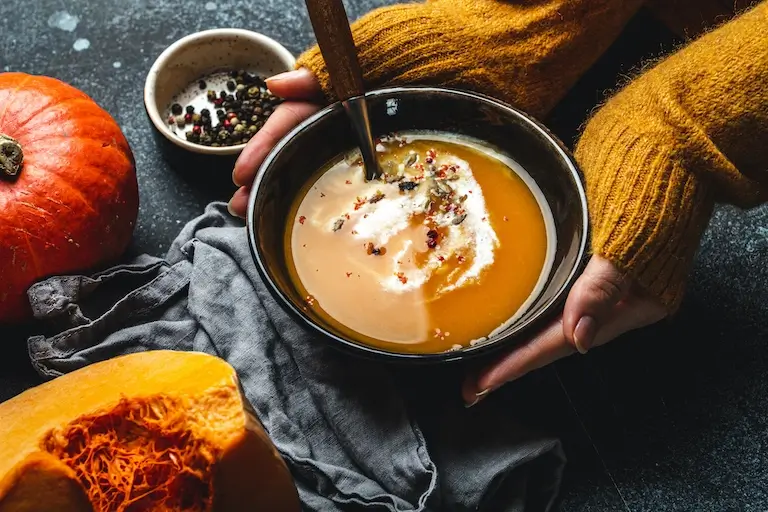
Nosrat’s framework, exemplified by her thought process for a simple bowl of tomato soup, perfectly illustrates this:
- Muted tomato flavor? It likely needs salt to amplify its natural sweetness and depth.
- Thin or sharply acidic soup? A swirl of olive oil or a dollop of cream could add body, richness, and soften the edges.
- Rich but dull? A splash of vinegar might cut through the richness, restoring brightness and definition.
- Raw or underdeveloped flavors? More time over the heat is required to coax out their full potential.
This critical tasting is paramount. It involves moving beyond merely liking or disliking a dish to articulating why it works or fails, identifying the specific quality that is missing. A cook who can pinpoint the need for acid over salt, or a longer cook time over more fat, saves time and consistently achieves superior results.
Chef DeStefano’s teaching methodology at Escoffier mirrors this approach. Students are encouraged to taste ingredients in their pure form, maintain flavor journals to document their sensory observations, and utilize tools like flavor wheels to articulate tastes, aromas, and textures with greater precision than simple "good" or "off." This systematic approach builds a robust vocabulary of flavor, allowing cooks to diagnose and correct imbalances with expert confidence. Crucially, DeStefano emphasizes that this framework is not limited to savory cooking; "savory cooking and pastry are different branches of the same tree," meaning the principles apply equally to the delicate art of baking.
Salt: The Universal Amplifier and Essential Harmonizer
Often taken for granted, salt is perhaps the most fundamental and misunderstood ingredient in a cook’s arsenal. Beyond simply making food "salty," it possesses an extraordinary ability to transform and elevate. Author Tamar Adler, in An Everlasting Meal: Cooking with Economy and Grace, eloquently captures its essence: "All ingredients need salt…it doesn’t reflect badly on pea or person that either needs help to be most itself." Salt allows ingredients to shine, revealing their truest, most vibrant selves.
What Salt Does to Food
Salt’s primary function is to enhance existing flavors. It intensifies sweetness, mellows bitterness, and makes the inherent characteristics of an ingredient more discernible. A properly salted tomato tastes more intensely of tomato, and the complex flavors developed during bread fermentation are brought into sharper relief by the presence of salt.
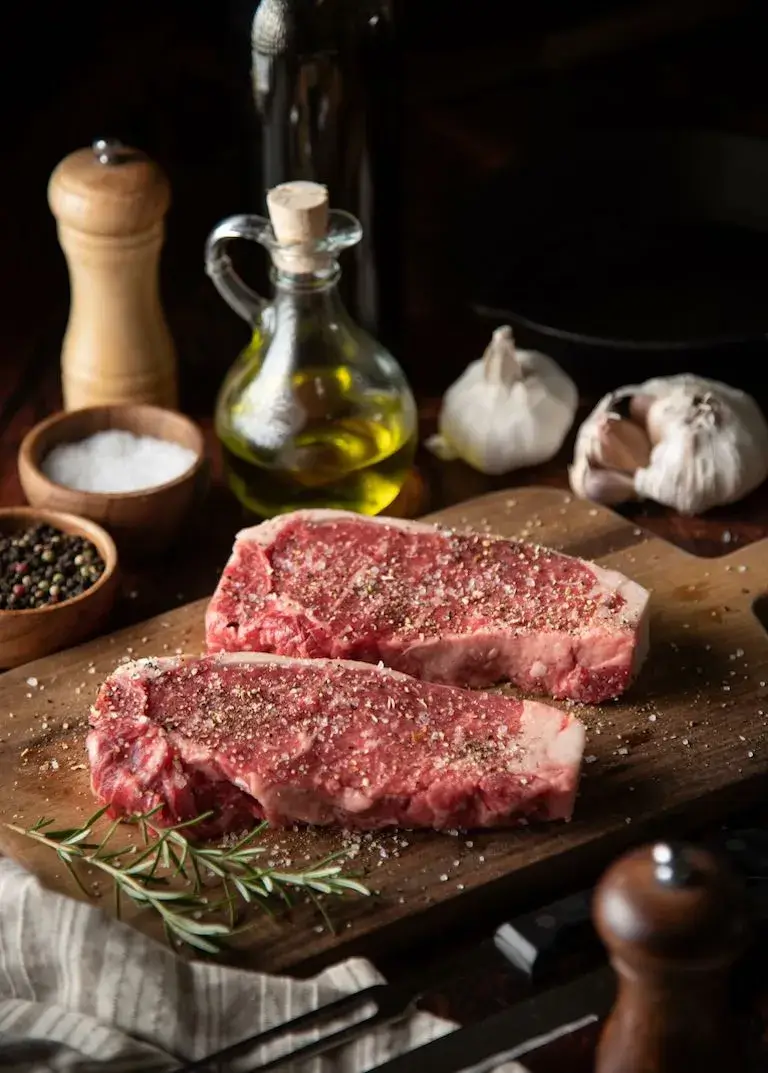
Beyond flavor, salt exerts significant physical effects on food. It can draw moisture from vegetables, essential for achieving crispness or concentrating flavor. In brining, salt helps proteins retain moisture, resulting in juicier meats. It also plays a critical role in gluten development in bread dough and influences fermentation processes, contributing to structure and flavor. The timing of salt application is also crucial: salting meat in advance allows the seasoning to penetrate deeply, while gradual additions to a soup or sauce build layers of flavor throughout cooking.
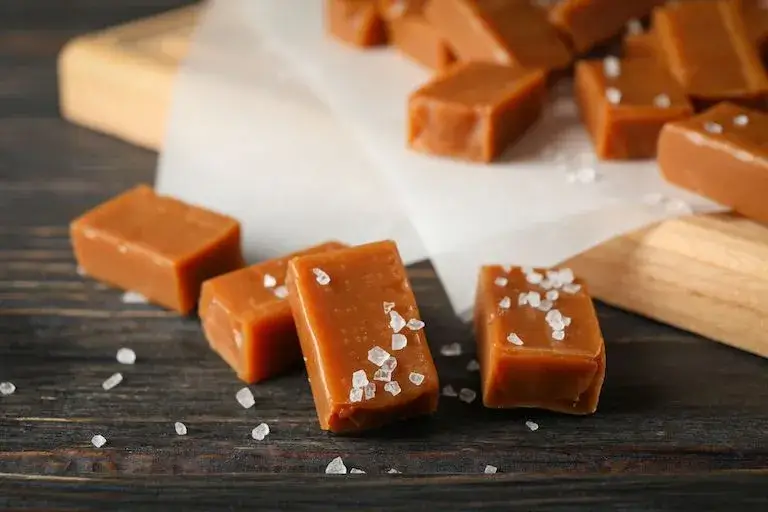
In pastry, salt is equally indispensable. It acts as a counterpoint to sweetness, preventing desserts from becoming cloyingly sugary. It amplifies the rich notes of chocolate, caramel, and butter, and enhances spices. A sprinkle of flaky sea salt on caramel, for instance, provides a delightful contrast, highlighting the caramel’s toasted, buttery dimensions. As Chef DeStefano notes, "If you’ve ever had bread (baked) without salt, you’d be like, ‘What is this? Something’s missing.’"
Salt Can Come From More Than the Salt Cellar
The art of seasoning involves more than just reaching for the shaker. Many ingredients naturally contribute saltiness while also adding layers of flavor. Parmesan offers saltiness alongside nutty and umami notes; soy sauce provides savory depth and fermented complexity; fish sauce, anchovies, olives, capers, miso, and cured meats all serve a similar purpose.
The choice of salty element depends on the dish’s needs. A pinch of kosher salt might subtly season a tomato sauce, while Parmesan or anchovies could add both salt and a profound savory character. Soy sauce is ideal for stir-fries or marinades but might clash with a delicate cream sauce. It is vital to consider these ingredients as part of the dish’s overall seasoning. Always taste before adding more salt, especially when cooking with concentrated ingredients like stocks or cheeses, which become saltier as moisture evaporates.
How to Tell When a Dish Needs Salt
A dish needs salt when it tastes flat, muted, unusually bitter, watery despite the correct consistency, or simply less flavorful than its components suggest. The goal is completion, not overt saltiness. Add small amounts, stir thoroughly, and taste again, allowing the salt time to disperse and integrate before making further adjustments.
How to Fix a Dish That Is Too Salty
Dilution is generally the most effective remedy for an oversalted dish. This might involve adding more unsalted stock, vegetables, grains, dairy, or additional portions of the dish’s base ingredients. For soups or stews, simmering with a raw, peeled potato can absorb some excess salt, though it won’t salvage a heavily oversalted creation. While fat, acid, and sweetness can soften the perception of saltiness, they cannot physically remove the salt. Staged seasoning—tasting after each major addition and considering the concentrating effect of simmering—is the best preventative measure.
Common Sources of Salt: Kosher salt, sea salt, Parmesan and other aged cheeses, soy sauce, fish sauce, miso, anchovies, olives, capers, cured meats, salted butter, and prepared stocks or broths.
Fat: The Conductor of Flavor and Sculptor of Texture
Fat is often associated with richness, but its role in cooking is far more expansive and nuanced. It acts as a crucial flavor carrier, a modulator of texture, and a key determinant of a dish’s overall mouthfeel and satisfaction. Different fats possess distinct flavor profiles, melting points, and smoke points, making the choice and quantity of fat a deliberate decision in achieving culinary balance.
What Fat Does to Food
Fat is a powerful solvent for many flavor and aroma compounds found in herbs, spices, and other ingredients. It helps distribute these compounds evenly throughout a dish, ensuring a consistent and lingering taste experience. For example, "blooming" spices in hot oil releases their fat-soluble essences, intensifying their aromas and flavors far more effectively than adding them directly to a liquid. Similarly, incorporating vanilla extract into butter or a fat-rich batter ensures its aromatic compounds are dispersed, contributing to a fuller, more evenly pronounced vanilla flavor in baked goods.
Beyond flavor, fat significantly influences texture. Butter lends a silky finish to sauces, olive oil provides body to a vinaigrette, and cream or coconut milk can mellow the sharpness of an acidic soup, creating a luxurious mouthfeel. In baking and pastry, fat’s role is multifaceted: it can create tenderness, flakiness (as seen in the distinct layers of a croissant from cold butter), moisture, or contribute to overall structure, depending on how and at what temperature it is incorporated. As Chef DeStefano emphasizes, "Fat gives everything that mouthfeel," a quality that is as vital in a delicate custard as it is in a robust roast. The specific type of fat—be it butter, olive oil, coconut milk, bacon fat, or sesame oil—imparts its unique character, further shaping the dish.
How to Tell When a Dish Needs More Fat
A dish lacking sufficient fat may present as thin, dry, overly sharp, or simply incomplete. Aromatics and spices might register initially but quickly fade, leaving a hollow impression. Lean proteins, vegetables, or sauces may lack moisture, succulence, or the desirable body that fat provides.
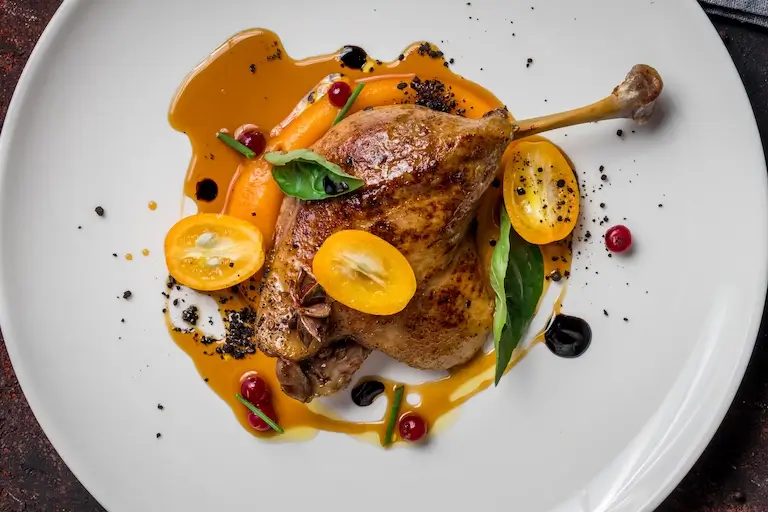
The corrective action depends on the dish. A knob of butter can beautifully round out a pan sauce, a drizzle of high-quality olive oil can impart a smoother consistency to a vegetable purée, and a touch of cream or coconut milk can soften and enrich a soup or curry. Given fat’s potent ability to carry flavor and create a sense of fullness, it should be added judiciously, in small increments, with careful tasting along the way to avoid overwhelming the dish.
How to Balance a Dish With Too Much Fat
Conversely, an excess of fat can render food greasy, heavy, or cloying, creating an unpleasant coating sensation in the mouth. Flavors can become muddled and indistinct, making the dish tiresome to eat after just a few bites.
When possible, the most direct solution is to physically remove excess fat—draining fried foods, blotting greasy surfaces, or skimming fat from the surface of soups, stews, or sauces. When removal isn’t feasible, strategic additions can help rebalance the perception of richness. Acidic ingredients like citrus juice or vinegar provide a welcome contrast, cutting through the fat and refreshing the palate. Fresh herbs, bitter greens, pickled vegetables, or crisp garnishes can also introduce bright, contrasting textures and flavors that lighten the overall impression, making the dish feel more balanced without actually removing the fat itself.
Common Sources of Fat: Butter, olive oil, vegetable oil, cream, cheese, eggs, coconut milk, avocado, nuts, seeds, fatty meats, and oily fish.
Acid: The Brightener and Counterpoint
When a dish is adequately salted but still feels flat, dull, or heavy, acid is often the missing piece. By introducing tartness, tang, and a vibrant contrast, acid breathes life into rich, sweet, or earthy foods, making them taste lighter, more complex, and perfectly balanced.
What Acid Does to Food
Acid provides a crucial counterpoint, particularly to richness and sweetness. Squeezing lemon into a buttery sauce or stirring vinegar into a slow-cooked stew creates a delightful tension on the palate, making the dish feel less heavy and more dynamic. This balancing act is why citrus, cultured dairy, and tart fruits are frequently found in pastries and desserts. Chef DeStefano highlights lemon meringue pie as a prime example: the sharp acidity of the lemon filling is harmonized by the sweetness of the meringue and the richness of the crust, allowing each component to be distinctly appreciated without any single element dominating.
Acid also plays a transformative role in texture. Citrus juice, vinegar, wine, yogurt, and buttermilk are common marinade ingredients because their acidity begins to denature proteins, tenderizing meats and seafood. However, precision is key; prolonged exposure to strong acids can lead to a mushy exterior rather than uniformly tender results. Nosrat’s popular buttermilk-marinated roast chicken effectively leverages the gentle acidity of buttermilk, combined with salt, to yield exceptionally tender and flavorful meat. Another striking example is a lemon posset, where the acid in lemon juice causes milk proteins to coagulate, thickening sweetened cream into a smooth, spoonable dessert. This contrasts with a panna cotta, which achieves a similar creamy texture through the addition of gelatin, illustrating the diverse applications of food science in the kitchen.
How to Tell When a Dish Needs Acid
A dish may signal a need for acid if it tastes muddy, heavy, overly rich, or one-dimensionally sweet. If you’ve ensured proper seasoning with salt but the flavors still seem muted or lack vibrancy, a small amount of acid is often the answer before resorting to more salt. Imagine a slow-braised meat stew—deeply savory and rich, but after hours of cooking, it might feel heavy. A splash of vinegar added just before serving can "wake up" those concentrated flavors, providing definition and lift.
Acid often makes its most impactful contribution when added toward the end of cooking. Delicate fresh flavors of lemon, lime, and many vinegars can diminish or change with prolonged heat. While wines typically need to be added earlier to allow their alcohol to cook off and flavors to integrate, certain fortified wines or specific vinegars can also function as potent finishing agents.
How to Balance Too Much Acid
If your food tastes sharply sour, puckering, or harsh, it likely contains too much acid. The most effective solution, when possible, is to dilute the dish by adding more of its unsalted or unacidified base ingredients. Alternatively, incorporating fat can soften the perception of acidity, or a small amount of sweetness can round off a sharp edge. It is crucial to make one adjustment at a time and re-taste, as adding too much sugar can simply exchange one imbalance for another, resulting in a dish that is both sour and cloyingly sweet.
Common Sources of Acid: Lemon and lime juice, vinegar, tomatoes, wine, buttermilk, yogurt, sour cream, crème fraîche, pickles, fermented vegetables, mustard, and tart fruits.
Heat: The Catalyst of Transformation
Unlike salt, fat, and acid, which are ingredients, heat is the fundamental force that transforms raw components into cooked food. It is the catalyst that changes flavor, aroma, color, moisture, and texture. Mastering heat control is paramount, determining the difference between a pale, uninspiring surface and a crisp, deeply flavorful crust, or between a perfectly silky custard and a scrambled, unappetizing mess.

What Heat Does to Food
As heat is applied, a cascade of chemical and physical changes occurs. Proteins firm and coagulate, starches absorb liquid and swell, water evaporates, and food begins to brown, developing complex flavors. Two key processes are particularly vital for flavor development: caramelization and the Maillard reaction.
Caramelization is the process where sugars break down under heat, leading to deeper colors and an increasingly complex spectrum of sweet, nutty, and sometimes slightly bitter flavors. This is vividly seen when torching the sugar on a crème brûlée, transforming it into a thin, brittle, toasted crust that provides a delightful textural and flavor contrast to the creamy custard beneath.
The Maillard reaction is a far more complex chemical reaction between amino acids and reducing sugars under heat. It is responsible for the rich brown colors, savory aromas, and deeply complex flavors found on seared meats, toasted bread, roasted coffee beans, and browned butter. Moisture is a significant inhibitor of the Maillard reaction; hence, drying the surface of an ingredient and avoiding an overcrowded pan are crucial techniques to achieve efficient and desirable browning.
How to Tell When You Need More Heat
Insufficient heat or improper heat application can lead to several undesirable outcomes. If food steams rather than sears, remains pale, absorbs too much frying oil, or becomes soft before it browns, your cooking temperature is likely too low. A similar problem arises when a pan is overcrowded; the ingredients release moisture faster than it can evaporate, creating steam that prevents browning.
Consider a steak placed into a pan that hasn’t been adequately preheated. Its surface will likely turn a dull gray and cook through without developing a flavorful crust. The same steak, placed into a thoroughly heated pan, will quickly achieve a beautiful, browned exterior through the Maillard reaction, yielding a deeper aroma, more complex flavor, and a satisfying textural contrast between the crust and the juicy interior.
How to Tell When You Need Less Heat
Conversely, excessive heat can cause the exterior of food to burn before the interior is cooked. Delicate ingredients like butter, garlic, and certain spices can quickly develop acrid, bitter flavors. Sauces may scorch or separate, and proteins can become dry, tough, or rubbery.

The key is to match the heat level to the specific cooking technique and the ingredient. Higher heat is appropriate for searing, sautéing, and crisping, where rapid browning is desired. However, simmering, braising, melting chocolate, thickening custards, and cooking delicate proteins typically require a gentler, more controlled heat. Attentive observation is paramount: watch for rapid darkening, excessive smoking of oil, or acrid smells. These sensory cues often provide more immediate and accurate feedback about the cooking process than a timer alone, prompting you to lower the temperature or briefly remove the pan from the heat.
Common Sources of Cooking Heat: Stovetop burners, ovens, grills, broilers, fryers, steamers, microwaves, open flames, hot pans, cooking oil, and simmering or boiling liquids.
Recognizing and Rectifying Imbalances in Your Dish
When a dish tastes "off," the instinct might be to automatically reach for the salt shaker. However, true culinary mastery lies in a more discerning approach. Pay close attention to its flavor profile, aroma, texture, and visual cues. These clues will help you diagnose which element—salt, fat, acid, or heat—requires adjustment. Always make one small adjustment at a time, allow it to integrate, and taste again before making another change.
Table: Troubleshooting Flavor Imbalances
| If your dish tastes or looks… | Likely issue | Try… |
|---|---|---|
| Flat, muted, or watery | Too little salt | Add a small pinch of salt, stir, and taste again |
| Properly salted but still dull | Too little acid | Add citrus juice, vinegar, or another acidic ingredient |
| Heavy, greasy, or overly rich | Too much fat or too little acid | Remove excess fat when possible or add a bright, acidic ingredient |
| Thin, dry, or sharply flavored | Too little fat | Add an appropriate fat in a small amount |
| Sour, puckering, or harsh | Too much acid | Add more base ingredients, fat, or a small amount of sweetness |
| Pale, soft, or steamed rather than browned | Too little heat | Raise the temperature, reduce crowding, or cook longer |
| Burned, bitter, scorched, or dry | Too much heat | Lower the temperature or shorten the cooking time |
| Overwhelmingly salty | Too much salt | Dilute with unsalted base ingredients when possible |
At home, this critical instinct develops through repeated cooking, remembering what worked, what needed fixing, and how you adjusted. This trial-and-error method, while effective, limits learning to the specific dishes you prepare. A structured culinary program, however, offers a more accelerated and comprehensive path. It allows students to compare preparations side-by-side, learn a shared vocabulary for describing flavor and texture, and receive direct, expert feedback from chef instructors, significantly fast-tracking the development of this invaluable culinary intuition.
Learn to Cook Beyond the Recipe: Implications for Culinary Excellence
The "Salt, Fat, Acid, Heat" framework represents more than just a set of cooking guidelines; it’s a paradigm shift that empowers cooks to transcend the limitations of recipes and cultivate true culinary artistry. It fosters a deep understanding of ingredients and processes, enabling informed decision-making in the kitchen.
For aspiring professionals, mastering these elements is non-negotiable. It underpins all foundational culinary techniques and allows for creative adaptation across cuisines and cooking styles. From crafting savory sauces to delicate pastries, the ability to intuitively balance these forces is the hallmark of a skilled chef. For the home cook, it transforms cooking from a chore into an exciting exploration, liberating them from rigid instructions and fostering a deeper, more satisfying connection with their food.
The next time you cook, pause, taste, and critically evaluate. Does your dish need a sharper contrast, greater richness, clearer seasoning, or simply more time to develop over heat? By engaging with these questions, you’ll not only improve your immediate meal but also refine your understanding of the universal principles that govern all great cooking.
If you are ready to develop these skills through a structured, guided approach, institutions like Escoffier offer comprehensive culinary arts and pastry programs. These programs are designed to build a strong foundation in flavor, technique, and sensory evaluation, providing the expertise needed to cook with confidence and creativity, truly learning to cook beyond the recipe.
FAQs
What are salt, fat, acid, and heat in cooking?
Salt, fat, acid, and heat are four foundational elements chefs consider when building and balancing flavor. Salt enhances flavor, fat carries flavor and shapes texture, acid creates brightness and contrast, and heat transforms ingredients through cooking. This framework, popularized by Samin Nosrat, helps cooks understand the fundamental principles behind delicious food.
Do I need to add separate ingredients for each element in every dish?
Not every dish requires four separate ingredients representing each element, nor should they be added in equal amounts. Many ingredients naturally embody one or more of these elements. For instance, salmon contains fat, tomatoes provide acid, and Parmesan contributes both saltiness and fat. The balance depends on the ingredients, technique, and desired outcome for the specific dish.
Does "heat" refer to chile heat?
In this framework, "heat" refers to cooking temperature and the energy applied to ingredients, rather than the spiciness of chiles. It encompasses how you control temperature, time, and cooking methods to affect texture and flavor through processes such as browning, caramelization, simmering, roasting, and frying.

How do I know if my dish needs salt or acid?
A dish may need salt when its individual flavors taste muted, flat, or difficult to distinguish. It may need acid when it is adequately seasoned with salt but still tastes dull, heavy, overly rich, or one-dimensionally sweet. Always add a small amount of one element, mix thoroughly, and taste again before making another adjustment.
Are salt, fat, acid, and heat the same as the five basic tastes?
No. The five generally recognized basic tastes are sweet, sour, salty, bitter, and umami. Salt, fat, acid, and heat form a cooking framework that helps chefs manipulate and balance these tastes and other sensory qualities. While salt and acid directly affect taste (salty and sour, respectively), fat influences flavor and mouthfeel, and heat fundamentally changes the physical and chemical properties of food, thereby creating and enhancing flavors and textures.
Do these principles apply to baking and pastry?
Yes, absolutely. Salt balances sweetness, while fat contributes flavor, moisture, tenderness, or flakiness. Acid can tenderize baked goods, react with leavening agents, or help set desserts like posset. Heat controls rise, structure, browning, and caramelization. Learning to balance these elements is crucial for creating desserts with greater complexity, depth, and texture beyond mere sweetness.


 Iffa Jayyana
 Ali Ikhwan
