

 Azzam Bilal Chamdy
 Neng Nana
 Nana Muazin
 Dwi Wanna
 Raul Delapena Setiawan
 Ammar Sabilarrohman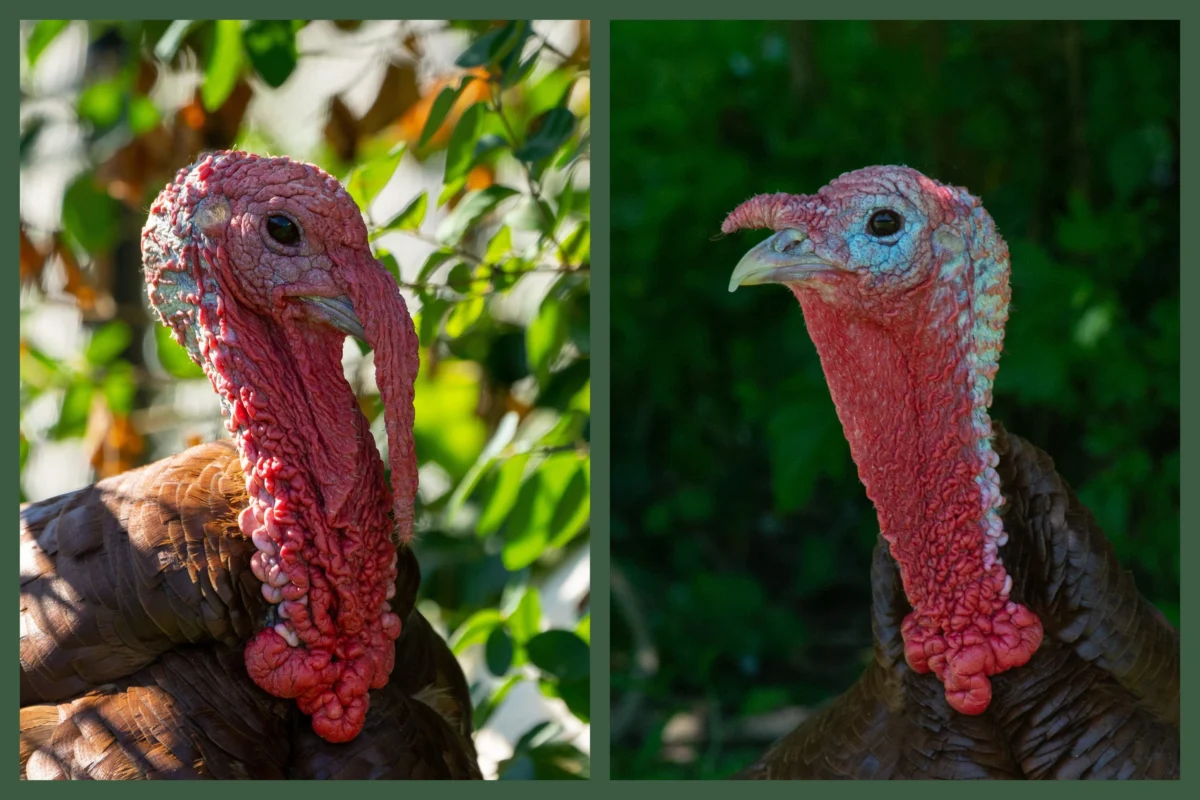
October 2, 2026 — In the sanitized, high-volume environment of industrial animal agriculture, millions of turkeys are relegated to the status of commodities. Behind the closed doors of "factory farms," these sentient, highly social birds are often viewed merely as seasonal products rather than individuals with distinct personalities, complex social hierarchies, and deep emotional capacities. As the United States approaches another holiday season—a time when approximately 46 million turkeys are slaughtered for Thanksgiving alone—it is critical to examine the reality of these birds beyond the dinner table.
The Misunderstood Aviator: Main Facts About Turkey Biology
While popular culture often depicts birds as symbols of freedom, the image of the turkey has been unfairly tethered to the ground. In reality, the domestic turkey’s wild ancestors are masters of the air. Despite their robust frames, wild turkeys are surprisingly agile, capable of reaching flight speeds of up to 55 miles per hour. They utilize this mobility to escape predators and, perhaps most notably, to reach the safety of high treetops where they roost together in protective family groups.
Their physical complexity extends beyond locomotion. Like octopuses or chameleons, turkeys are masters of visual communication. The skin on their heads and necks acts as an emotional barometer; through a process of vascular change, they can shift colors—from vibrant red to stark white or deep blue—based on their internal state. Whether a male is courting a potential mate or signaling dominance to a rival, his skin acts as a living, breathing canvas that broadcasts his mood to the rest of the flock.
A Social Tapestry: The Emotional Lives of Turkeys
At sanctuaries like Farm Sanctuary, where rescued turkeys are granted the opportunity to live out their natural lives, researchers and caregivers have documented behaviors that challenge the "mindless livestock" narrative.
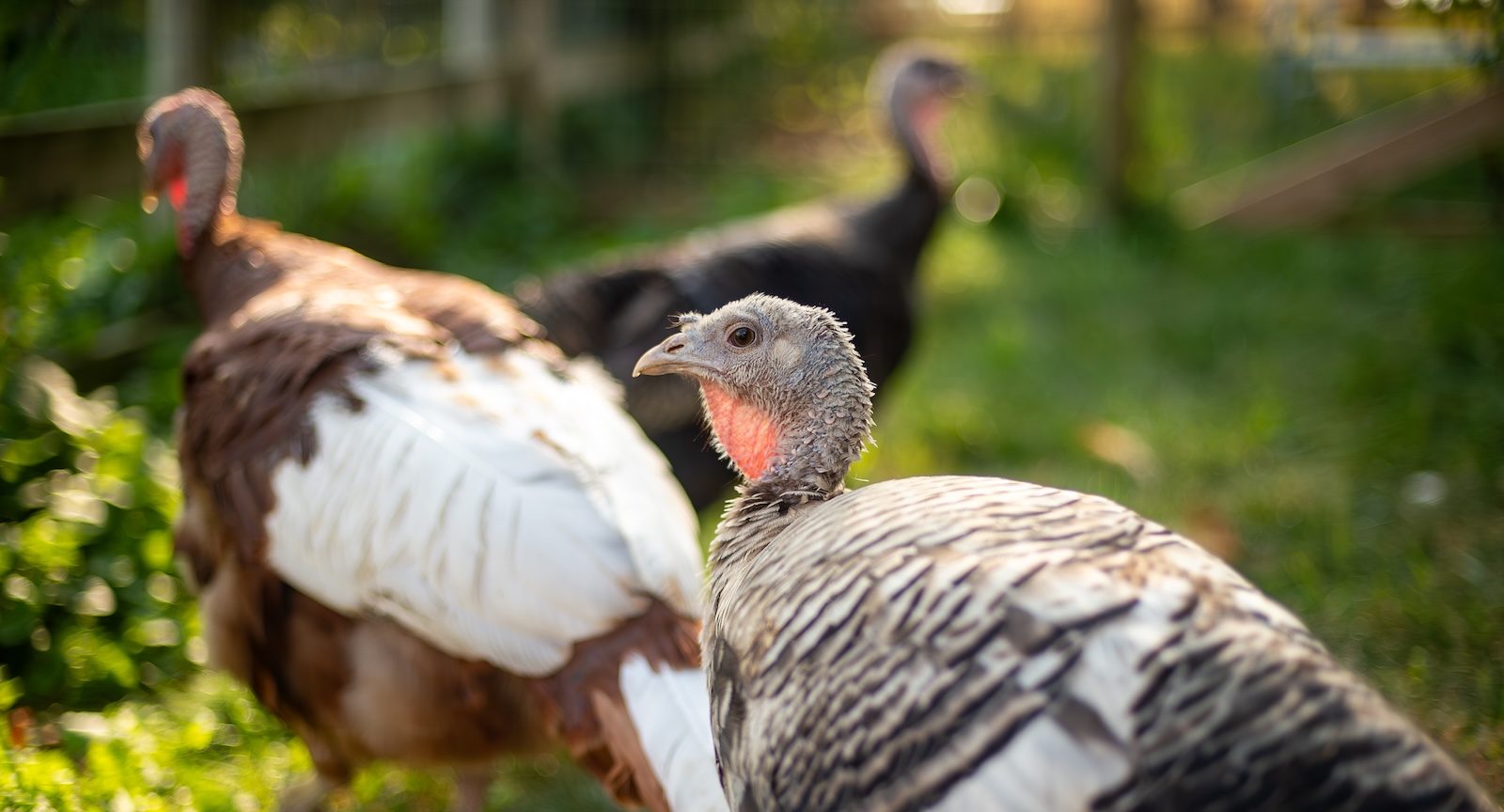
Turkeys are profoundly social creatures. They form deep, lasting bonds with their peers, choosing specific companions with whom they share their daily lives. These relationships are not merely incidental; they are intentional, trust-based connections that extend to humans. Caregivers report that turkeys recognize their names, seek out affection, and even enjoy being serenaded or listening to music, which serves as a vital form of sensory enrichment.
The Power of Vocalization
The auditory world of a turkey is just as complex as its visual one. Turkeys utilize a vocabulary of at least 28 distinct calls, each serving a specific function in their social structure. Most remarkably, this communication begins before the bird even breaks its shell. Mother turkeys establish a vocal connection with their chicks—known as "poults"—while they are still developing inside the egg. This early dialogue ensures that, upon hatching, the mother and her young can identify one another by sound, a fundamental survival mechanism that underscores the depth of their maternal instincts.
Chronology of a Systemic Issue
The disparity between the natural potential of a turkey and the reality of the food system is staggering.
- Birth and Early Development: In industrial settings, the natural bond between mother and chick is severed immediately, as eggs are hatched in massive incubators without maternal guidance.
- The Growth Cycle: Selective breeding has resulted in birds that grow at a rate their skeletal structures often cannot support. While a turkey’s natural lifespan is roughly three to four years, the industrial timeline truncates this significantly.
- The Five-Month Mark: Meat-breed turkeys are typically slaughtered at four or five months of age.
- The Layer Cycle: Hens used for egg production face a similarly abbreviated existence, often culled after just 25 weeks when their output is deemed no longer profitable.
Supporting Data: A Lack of Federal Protection
The scale of this industry is difficult to comprehend. Each year, over 200 million turkeys are raised and slaughtered in the United States. Despite this massive volume—representing roughly 98% of all land animals slaughtered for food in the U.S.—turkeys are conspicuously absent from federal animal welfare mandates.
The Humane Methods of Slaughter Act, which outlines requirements for the handling and slaughtering of livestock, explicitly excludes poultry. This regulatory gap means that in slaughterhouses, chickens and turkeys are denied even the most basic protections, leaving them vulnerable to practices that would be considered illegal if applied to cattle or pigs.
Official Perspectives and Ethical Implications
Animal welfare organizations and agricultural ethicists argue that the exclusion of turkeys from the Humane Methods of Slaughter Act is a systemic failure that ignores the scientific consensus on avian cognition and pain perception.
"When you observe a bird like Mateo or Julie in a sanctuary setting, you aren’t just seeing a bird—you are seeing an individual who experiences joy, grief, and fear," says a spokesperson for Farm Sanctuary. "The current food system relies on the consumer’s inability to see these birds as individuals. Our goal is to shift that narrative. By understanding their capacity for emotion, we move from a system of exploitation to one of stewardship."
The implications of this shift are profound. As plant-based food systems gain traction and public awareness regarding the sentient nature of farm animals increases, the pressure on policymakers to revisit the Humane Methods of Slaughter Act is mounting. Critics of the status quo argue that as long as these birds are classified as products rather than beings, the cycle of institutionalized suffering will continue.

A Call to Compassion: The 2026 "Adopt a Turkey" Initiative
Recognizing the need for change, advocacy groups are launching initiatives designed to bridge the empathy gap. The "Adopt a Turkey" project, which launches on October 23, offers a symbolic alternative to traditional holiday consumption. By "adopting" a rescued turkey, participants fund the daily care of these animals at sanctuaries and contribute to a broader educational campaign aimed at dismantling the industrial farming model.
The initiative serves as more than a donation drive; it is a movement to humanize the species. Furthermore, community events, such as the upcoming "Celebration for the Turkeys" in New York and California, invite the public to interact with rescued residents. These gatherings serve as a counter-narrative to the holiday tradition of consumption, offering a space where, for once, the turkey is the guest of honor rather than the center of the meal.
The Path Forward
The journey toward a more compassionate food system requires more than just policy changes; it requires a fundamental shift in how society perceives the "other." When we recognize that a turkey has a voice, a personality, and a need for companionship, the act of mass-producing them for consumption becomes increasingly difficult to justify.
As we move toward the end of 2026, the question remains: will the cultural traditions of the future be built on the exploitation of the vulnerable, or on the celebration of life? The tools for change exist—in the form of plant-based alternatives and increased public advocacy—but the true catalyst remains the individual consumer’s willingness to see the turkey for who they really are.
For those looking to make a tangible impact, the message is clear: the life of a turkey is defined not by the industry that seeks to consume it, but by the complex, social, and emotional life it lives when given the chance. To learn more about how you can support this transition and participate in the 2026 Adopt a Turkey project, visit AdoptaTurkey.org.



 Siti Muinah
