

 Azzam Bilal Chamdy
 Neng Nana
 Nana Muazin
 Dwi Wanna
 Raul Delapena Setiawan
 Nana
Nana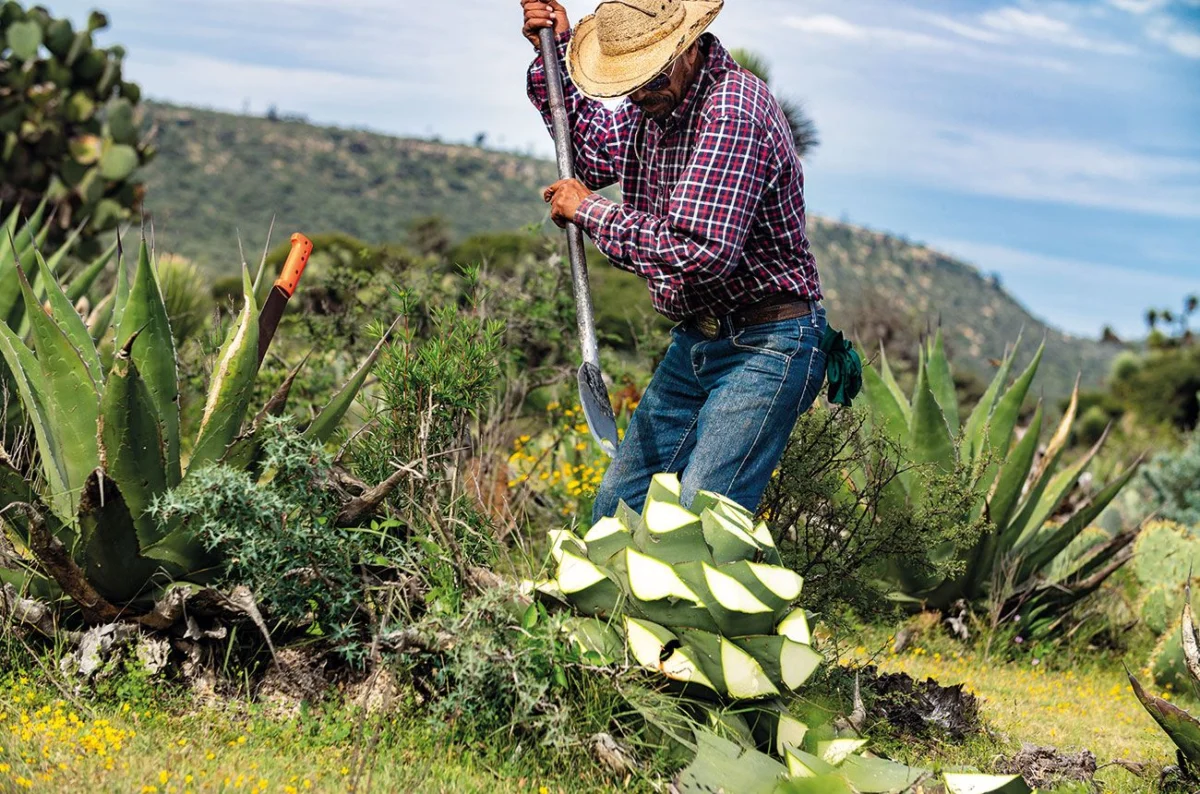
Since its formal market emergence in March 2025, Zacal Mezcal has positioned itself as more than just a high-end spirit; it has branded itself as “the spirit for wine lovers.” This marketing strategy is not merely a play for shelf space in premium boutiques; it represents a fundamental shift in how the industry discusses the complexities of agave. As consumers become increasingly sophisticated, the central debate within the artisanal spirits world has shifted toward a familiar wine-centric question: Is it the DNA of the plant, or the soul of the soil that dictates the flavor profile of a world-class mezcal?
Main Facts: The Intersection of Plant and Place
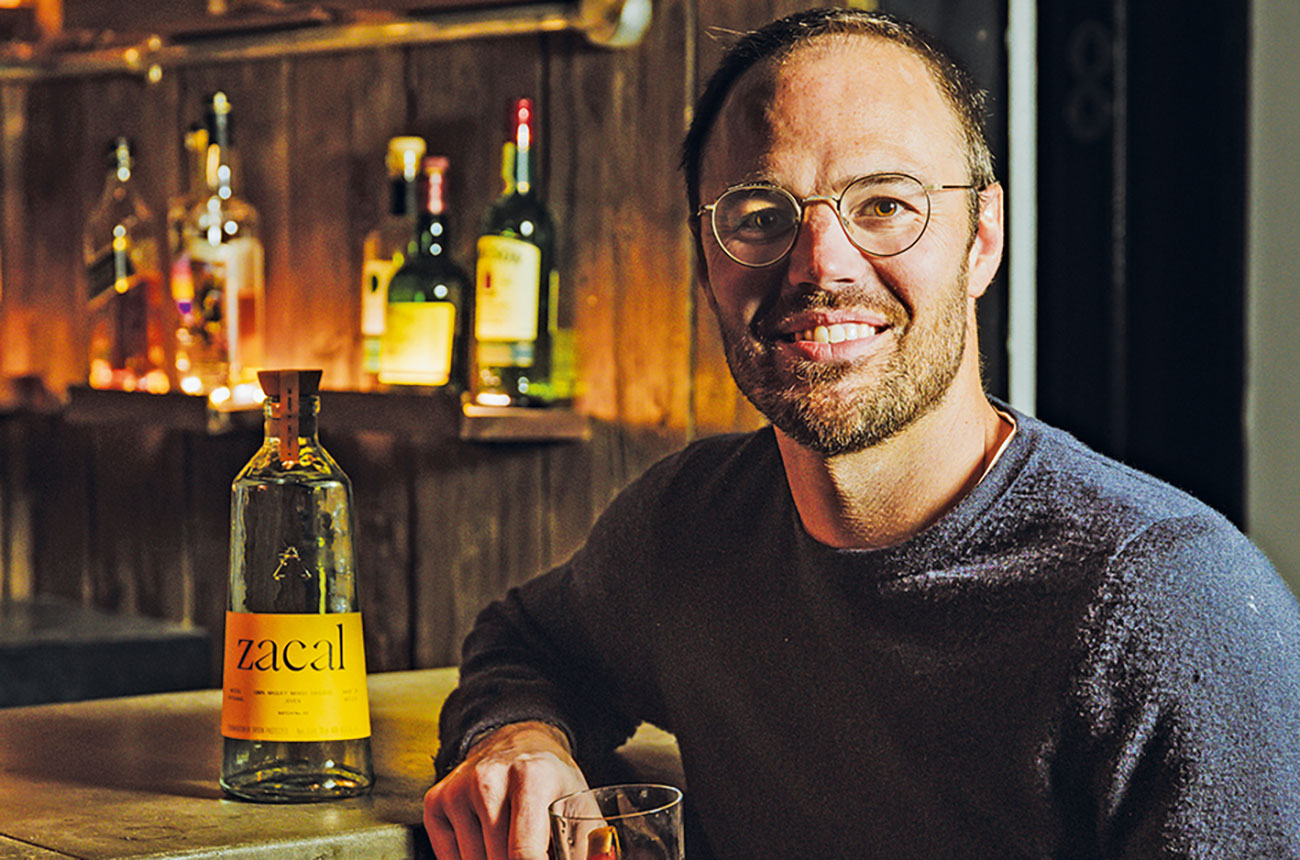
At the heart of this discourse is the comparison between the biological expression of the agave plant—the varietal—and the environmental conditions in which it matures—the terroir. Andrew Maidment, co-founder of Zacal Mezcal, is a vocal proponent of the wine-like complexity of the spirit.
“Like with wine, a mezcal’s identity is shaped by soil, altitude, and climate,” Maidment explains. “It possesses a remarkably nuanced varietal expression that rewards the same analytical approach one would apply to a Pinot Noir or a Riesling.”
However, the industry is far from a consensus. For producers like Esteban Morales, the architect behind the celebrated Derrumbes label, the plant remains the primary protagonist. Derrumbes, known for producing its mezcals across distinct Mexican states to highlight geographical variation, argues that while terroir provides the context, the species of agave provides the text.
Chronology: The Evolution of Mezcal Appreciation
The journey of mezcal from a regional, often misunderstood distillate to a global connoisseur’s obsession has been rapid.
- Pre-2020: Mezcal was largely categorized by broad strokes: “Smoky” or “Not Smoky.” The industry focused heavily on production methods, such as pit-roasting, rather than the specific raw materials.
- 2021–2024: The "Agave Education" phase. As exports surged, importers and sommeliers began emphasizing the different species (e.g., Agave potatorum vs. Agave angustifolia). The narrative shifted from the how of production to the what of the plant.
- March 2025: The launch of Zacal Mezcal marks a maturation point where the industry begins to borrow the vocabulary of viticulture to describe the nuances of the landscape.
- Late 2025 – 2026: A secondary shift occurs as producers and enthusiasts begin to reconcile the biological diversity of over 200 species of agave with the environmental impact of the microclimates in which they grow, leading to the current "Terroir-First" movement.
Supporting Data: The Biological Complexity of Agave
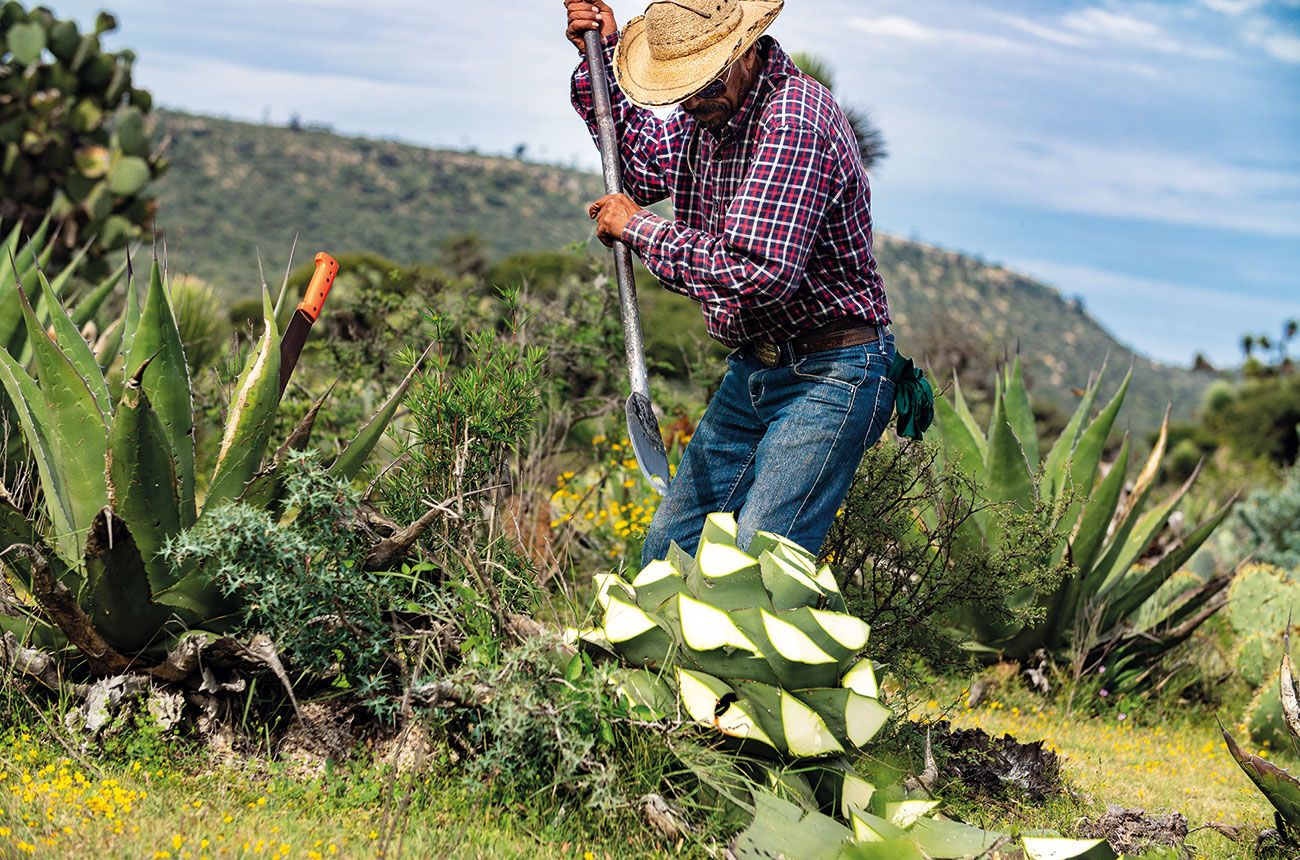
To understand the complexity of this debate, one must look at the sheer biological scope of the agave genus. Unlike Vitis vinifera, the singular species from which almost all fine wine is produced, the agave plant exists as a vast genus with more than 200 distinct species.
Beneath these species lie sub-varieties, often totaling as many as 80 variations per species. This provides a scope of flavor potential that dwarfs the world of wine. Despite this, the industry has historically relied on espadín (Agave angustifolia) as the workhorse of production due to its ease of cultivation and predictable maturation.
However, the market’s growing sophistication is pushing distillers to experiment with more exotic, wild-harvested species. Tom Bartram of Speciality Brands, the UK importer of Derrumbes, highlights the dramatic sensory difference:
- Agave karwinskii: Known for its vegetal profile, characterized by green grass notes and a distinct bark-like bitterness.
- Agave marmorata (Tepeztate): Highly sought after for its floral, high-toned aromatics, often underpinned by a "funky" or savory depth.
- Agave durangensis: Found in the Derrumbes Durango bottling (Alc 45%), this variety is noted for its surprising citrus-led profile and a creamy texture that many critics have likened to stone-fruit dairy products.
Official Responses and Philosophical Divides
The divide between the "Varietalists" and the "Terroirists" is most evident in the statements of industry leaders.
The Case for Terroir
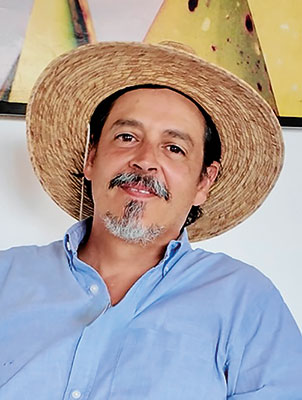
Elia Viramontes, founder of Mezcal Júrame, argues that geography is the ultimate arbiter of flavor. Working with wild Agave salmiana, Viramontes contends that the plant’s biological identity is only one half of the equation.
“Terroir is the most important factor,” Viramontes asserts. “You could plant salmiana in a different region, but it would grow in a different shape and possess a completely different flavor. The plant provides the pepper character, but the herbal notes—the complexity—come from the soil, the cacti, and the bushes it grows alongside.”
Esteban Morales corroborates this, drawing a direct parallel to the life cycle of a grapevine. “Each plant spends eight to twelve years in the ground. It is an act of constant interaction with the soil, the environment, and the microclimate. You cannot rush the harvest; you must wait until the plant truly expresses the terroir of its specific location.”
The Inextricable Link
Zacal Mezcal takes a middle ground, suggesting that for certain varieties, the terroir and the varietal are so deeply intertwined that they become one. Maidment points to their 100% manso de Sahuayo (an A. americana variety) as an example.
“The town is Sahuayo, the land is Sahuayo, the agave is Sahuayo,” Maidment says. “They are indistinguishable. You cannot separate the plant from the specific patch of dirt it calls home.”
Implications for the Future of Spirits
The implications of this debate are profound for the mezcal market. As producers begin to prioritize "Single Origin" and "Single Varietal" bottlings, the consumer experience is becoming more academic and more expensive.
- Premiumization: The emphasis on terroir justifies higher price points. A bottle that expresses a unique microclimate or an endangered, wild-harvested species is increasingly positioned as a "terroir-driven" collectible, similar to single-vineyard Burgundy.
- Sustainability: The focus on wild agave and specific regional varieties raises urgent questions about the environmental impact of high-end mezcal. If terroir is the selling point, how does the industry ensure the survival of the wild ecosystems that create that terroir?
- The Sommelier Effect: The entry of wine-focused producers like Zacal suggests that the future of mezcal distribution will rely heavily on the sommelier channel. By framing the spirit through the lens of soil and climate, brands are successfully bridging the gap between cocktail bars and fine-dining wine cellars.
One to Try: A Benchmark for Complexity
For those looking to experience the intersection of these forces, Júrame Joven (£61.95/70cl) serves as an excellent case study.
While the brand produces an excellent reposado, purists and terroir-enthusiasts argue that the true character of the agave is best experienced in its unaged, "joven" state. The spirit delivers an intense, punchy profile of jalapeño and lime, but the finish reveals a sophisticated, savory layer of garrigue—a clear indicator of the wild landscape in which the salmiana matured. It is a spirit that demands contemplation, effectively proving that whether the secret lies in the DNA or the dirt, the result is a liquid of unparalleled depth.
As we move through 2026 and beyond, the "wine-ification" of mezcal seems inevitable. Whether this trend leads to a homogenization of flavors or a renaissance of hyper-local, artisanally-produced spirits remains to be seen. But one thing is certain: the conversation has moved far beyond the smoke, and the true soul of mezcal is finally being found in the ground.


 Layla Zulfa
 Evan Lee Salim