

 Azzam Bilal Chamdy
 Neng Nana
 Nana Muazin
 Dwi Wanna
 Raul Delapena Setiawan
 Siti Muinah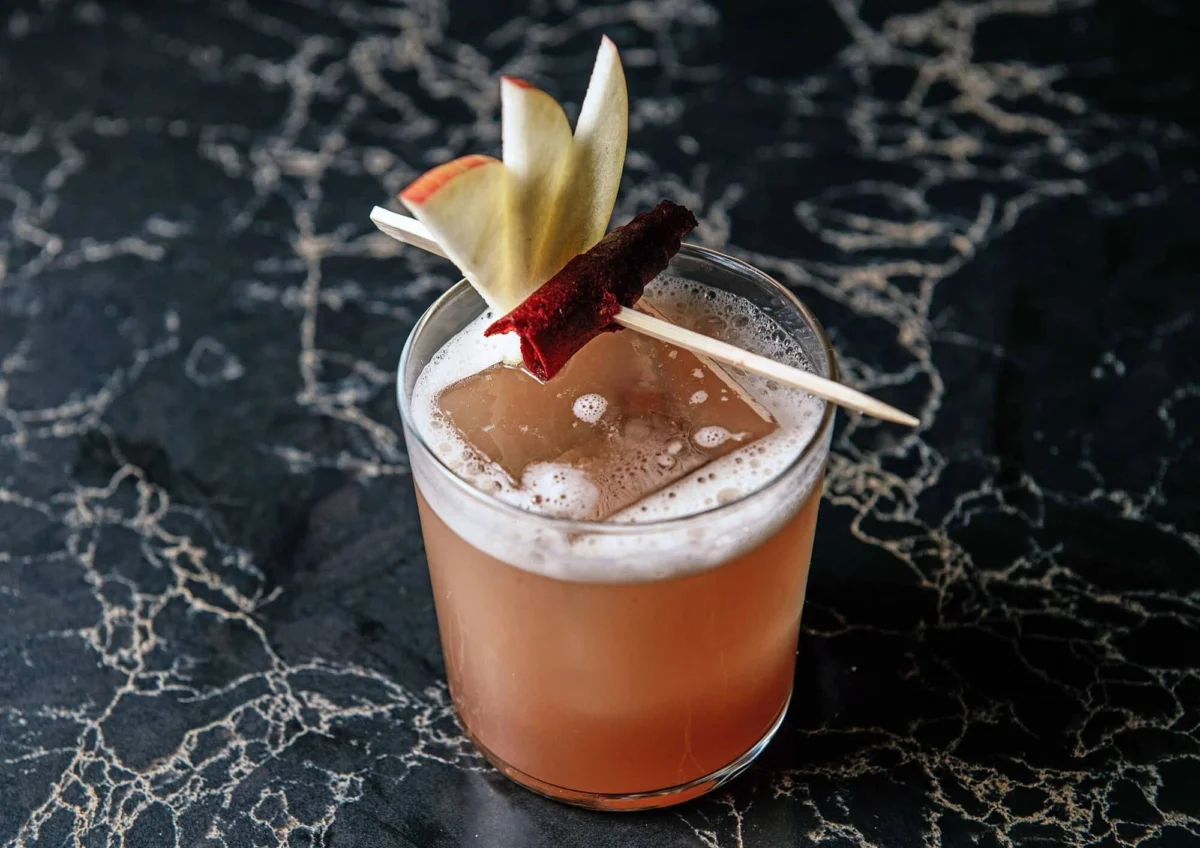
As the temperatures dip and the foliage transitions into a vibrant palette of burnt orange and deep crimson, the seasonal shift inevitably finds its way into the home bar. Apple season is in full bloom, and for the discerning home mixologist, this offers a bounty of flavor possibilities. Whether you are working with fresh, unfiltered juice from a local orchard, hard cider, or a concentrated syrup reduction, the juicy sweetness of apples serves as the perfect canvas for autumnal cocktails.
The versatility of apple cider in mixology cannot be overstated. Its natural acidity balances rich spirits, its fruit-forward profile pairs seamlessly with baking spices, and its ability to be transformed—through reduction or fermentation—makes it an indispensable tool for the fall season.
The Evolution of the Apple Cocktail: A Chronology
The history of apple-based spirits and mixers is deeply intertwined with the development of Western drinking culture. For centuries, cider and apple-based brandies like Calvados were the primary beverages of the agrarian population.
- The Colonial Era: Early American settlers relied heavily on the "Stone Fence," a rudimentary yet potent mixture of rum or brandy and hard cider. It was a staple of the colonial tavern, favored for its accessibility and warming properties.
- The 20th Century Revival: Following the post-Prohibition era, the focus shifted toward high-proof distillates. However, the craft cocktail movement of the early 2000s began to look backward, reclaiming the apple as a sophisticated cocktail ingredient rather than a simple juice mixer.
- The Modern Craft Movement: Today, we see a fusion of global traditions. Recipes like the "Double Apple," inspired by Middle Eastern hookah tobacco, and the sophisticated use of Italian amari in "Flannel Szn," demonstrate that the modern apple cocktail is a global endeavor, drawing on diverse flavor profiles to create complex, multi-layered drinking experiences.
The Anatomy of an Autumnal Drink: Supporting Profiles
To understand why apple cider works so well in a home bar, one must look at the chemistry of the fruit itself. Apples contain a delicate balance of malic acid, sugars, and tannins. When combined with the right modifiers, these elements can be elevated into a masterpiece.
The Warming Classics
For those looking to combat the crisp autumn chill, the Apple Vanilla Chai Toddy provides a masterclass in comfort. By marrying the spicy, tannic notes of chai tea with the sweetness of fresh cider, this cocktail acts as a bridge between a traditional morning brew and a nightcap. Similarly, The Sinsear utilizes the heat of ginger—a classic pairing for apple—to cut through the weight of a high-proof bourbon.
Spirit-Forward Complexity
Not all apple cocktails are meant to be light and sweet. The Cider House Rules cocktail, developed by the experts at Zen and Tonic, proves that tequila—a spirit often relegated to the summer months—can be reimagined for fall. By pairing the agave’s vegetal backbone with the crisp acidity of apple, the cocktail achieves a balance that is both herbaceous and refreshing.
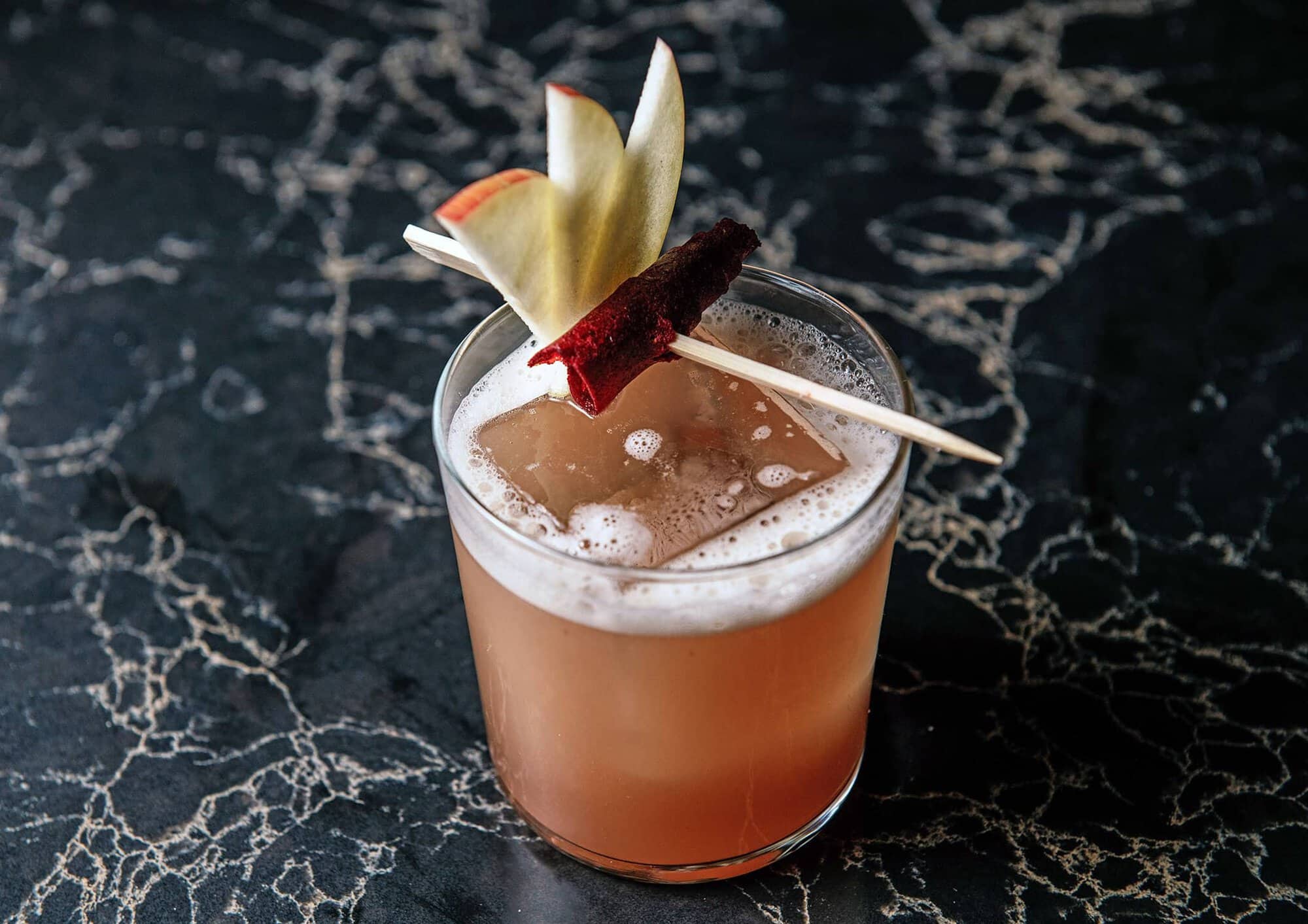
For the serious enthusiast, the Stone Fence remains a standard-bearer. While the original iteration relied on rum, contemporary bartenders like NOLA’s J’Nai Angelle have updated the profile using rye whiskey. The spicy, peppery notes of the rye stand up to the cider, creating a drink that is structurally sound and deeply satisfying.
The Innovation of Texture and Temperature
The most compelling developments in current mixology involve the manipulation of the apple itself:
- Reductions: By simmering cider down to a syrup, you intensify the flavor, allowing you to use it as a sweetener in shaken cocktails without diluting the base spirit.
- Infusions: Incorporating ghost pepper tinctures—as seen in the Maine Hot Fire—introduces a sensory paradox: the initial cooling sweetness of the apple followed by a lingering, warming heat.
- Botanicals: The Snake Bit Sprout demonstrates how floral notes like chamomile can soften the sharp edges of hard cider, adding an aromatic dimension that elevates the drink from a simple highball to a nuanced cocktail.
Expert Perspectives: The Philosophy of Seasonal Mixology
In speaking with industry professionals, a recurring theme emerges: the importance of sourcing. Meaghan Dorman of the acclaimed Raines Law Room emphasizes that in a cocktail like her "Sweater Weather" recipe, the quality of the cider is the deciding factor. "When you are working with fewer ingredients, every single one must be of the highest caliber," Dorman notes.
This sentiment is echoed by contributing editor Wayne Curtis, who famously dubbed the "Flannel Shirt" cocktail—a creation by Jeffrey Morgenthaler—as "Thanksgiving in a glass." The cocktail’s reliance on Scotch whisky, balanced by the fruitiness of cider, creates a profile that is smoky, earthy, and undeniably seasonal. It is a reminder that the best fall cocktails are those that evoke a sense of place and time.
Implications for the Home Bar
As the season progresses, the home bartender is encouraged to move beyond the pre-mixed bottles found on supermarket shelves. The implications of shifting toward fresh, local cider are twofold: it supports regional agriculture and significantly improves the quality of the final product.
Curating Your Fall Toolkit
To build a seasonal menu at home, consider stocking the following categories:
- The Base Spirits: A reliable, high-rye bourbon, a peppery rye whiskey, and a dry tequila blanco.
- The Modifiers: A selection of amari (such as Cynar, used in the Caricofi Shandy) to provide the necessary bitterness to ground the sweetness of the cider.
- The Fresh Additions: Freshly pressed, unfiltered apple cider is non-negotiable. If you cannot find local orchards, look for high-quality, pasteurized, but unpreserved ciders.
The Social Component
The "Central Park to Lumphini" cocktail serves as a perfect example of how complex flavors—smoke, fruit, and herbaceousness—can create a conversational centerpiece for any autumn gathering. By offering a range of drinks, from the gentle warmth of a hot toddy to the bracing chill of a shandy, you cater to the shifting moods of the season.
Conclusion: Crafting Your Own Traditions
The beauty of the apple cocktail lies in its accessibility. You do not need an extensive collection of rare spirits to participate in this tradition. Whether you are blending bourbon with local cider or experimenting with a splash of ginger and a dash of spice, the goal remains the same: to capture the essence of the harvest in a glass.
As you look toward the upcoming winter months, consider how these ingredients can evolve. Perhaps a cider reduction becomes a glaze for a holiday roast, or a spicy hot toddy becomes a post-ski ritual. The apple, in all its forms, is the most versatile inhabitant of the autumn pantry. By experimenting with these recipes, you are not just making a drink; you are participating in a storied lineage of seasonal celebration.
Start with the basics, respect the ingredients, and don’t be afraid to add your own personal touch. After all, the best cocktails are the ones that reflect the personality of the host and the spirit of the season. Happy mixing.


 Layla Zulfa
 Evan Lee Salim