

 Azzam Bilal Chamdy
 Neng Nana
 Nana Muazin
 Dwi Wanna
 Raul Delapena Setiawan
 Pevita Pearce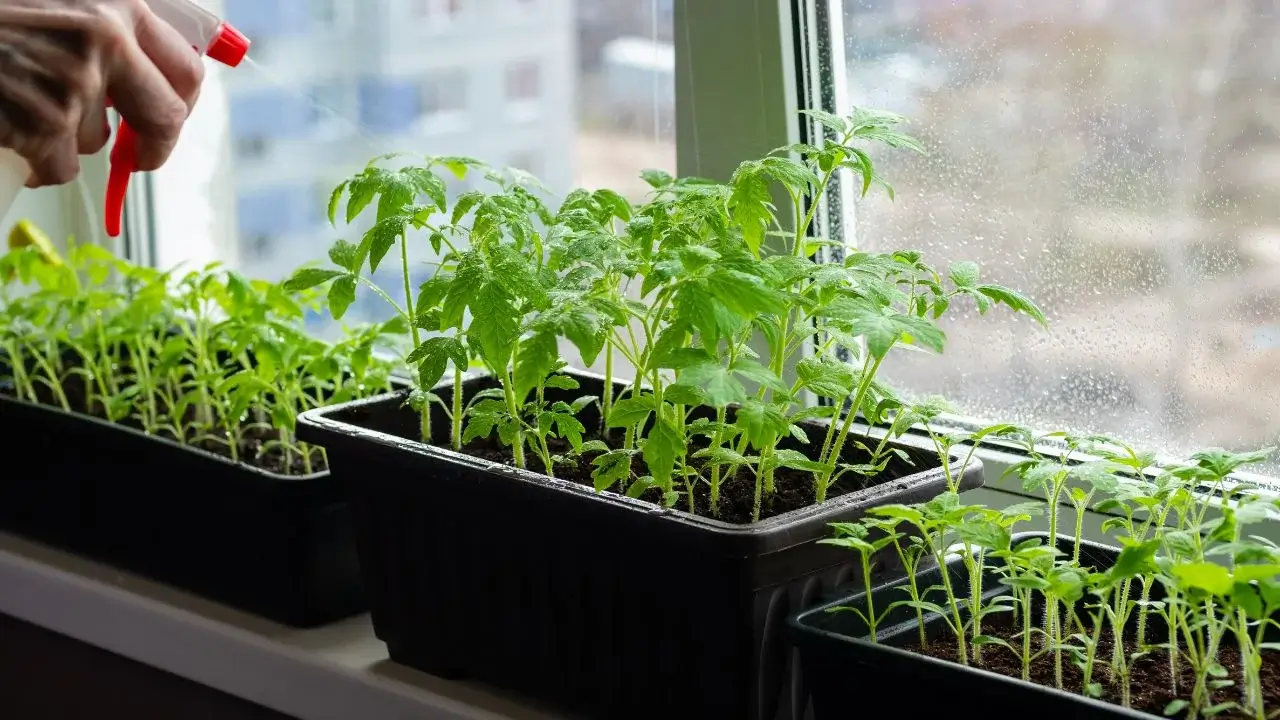
For many, the arrival of late spring and early summer is marked by a singular, sensory experience: the vibrant display of heirloom tomatoes at the local farmers’ market. Whether it is the deep, earthy red of a classic beefsteak, the brilliant yellow of a sun-drenched pear, or the striking, complex patterns of a Green Zebra, these fruits are the undisputed stars of the growing season.
However, the journey from a tiny seed to a bountiful, market-worthy harvest is one that requires precision, patience, and a bit of agricultural strategy. For growers in many regions of North America, where lingering winter frosts dictate the pace of the season, success begins long before the soil warms up. This guide explores the essential techniques for starting tomato seeds indoors, offering expert insights to help you cultivate healthier, more resilient plants.
The Foundations: Understanding Tomato Lifecycle and Timing
The success of a tomato crop is fundamentally rooted in timing. In most temperate regions, the growing season is not long enough to support direct sowing outdoors. Instead, growers must turn to indoor propagation.

The Chronology of Cultivation
- Indoor Initiation: The process typically begins four to six weeks before the anticipated date of the last spring frost. Starting too early can lead to "leggy" or root-bound plants that struggle to recover after transplanting, while starting too late results in a stunted harvest.
- The Transition: Once the danger of frost has passed—usually one to two weeks after the final frost date—the hardened-off seedlings are ready for the garden or high tunnel.
- Environmental Adaptation: Because tomatoes are biologically programmed to thrive in the warm, humid conditions of their native western South America, mimicking these conditions during the indoor phase is critical to their development.
1. Strategic Variety Selection: Indeterminate vs. Determinate
Before a single seed touches the soil, a farmer must decide on the goals of the crop. Are you aiming for high-volume canning, fresh-market sales, or niche heirloom production? The choice between determinate and indeterminate varieties will dictate your entire maintenance schedule.
Determinate Varieties (The "Bush" Tomato)
Determinate tomatoes are the workhorses of the short-season grower. These varieties grow to a pre-determined height and ripen their fruit in a condensed window—often over two to three weeks. Because they require little to no pruning and often remain self-supporting, they are ideal for high-density planting. They provide a massive, manageable harvest that is perfect for those who intend to process their yield into sauces or preserves.
Indeterminate Varieties (The "Vining" Tomato)
For those with longer growing seasons, or those looking to supply the market consistently throughout the summer, indeterminate varieties are the gold standard. These plants continue to grow, flower, and fruit until they are killed by frost. They require robust trellising systems and consistent pruning to ensure airflow and disease prevention. While they demand more labor, their ability to produce throughout the entire season makes them indispensable for professional market farmers.

2. Optimizing Your Indoor Infrastructure
While many beginners start their journey with improvised containers like plastic cups, scaling up requires a more disciplined approach to equipment.
The Case for Specialized Cell Trays
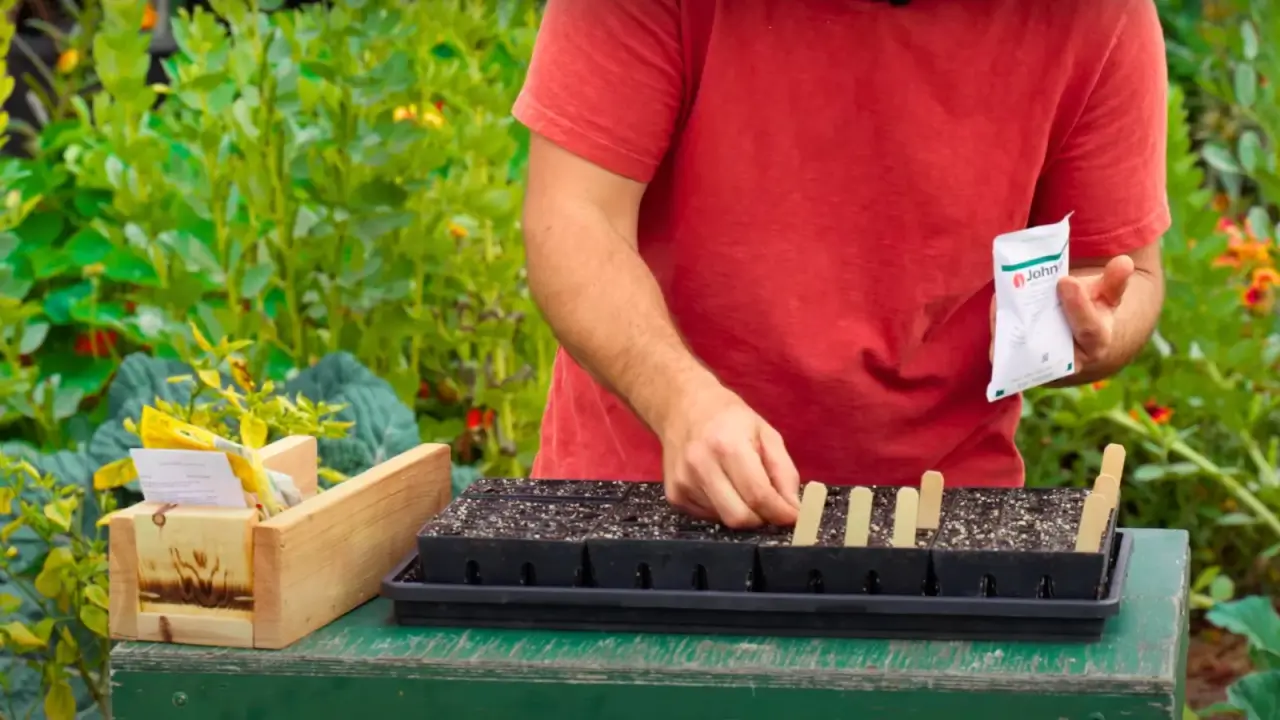
Utilizing professional-grade seed cell trays offers a distinct advantage in root architecture. These trays are designed with specific drainage perforations that promote "air pruning." As roots reach the edge of the cell, the exposure to air causes the root tip to stop growing and instead triggers the development of secondary, fibrous roots. This creates a more dense, robust root system, which leads to a faster and healthier establishment once the plant is moved to the field. Furthermore, selecting high-quality, BPA-free plastic trays allows for years of sanitization and reuse, reducing the farm’s waste footprint.
The Role of Artificial Light
Natural window light is rarely sufficient for the high-energy needs of young tomato seedlings. Growers should invest in full-spectrum LED grow lights that mimic the intensity and color temperature of the sun. Providing 14 to 16 hours of light per day ensures that seedlings develop thick, sturdy stems and lush foliage rather than stretching toward a weak, singular light source.

3. The Power of Heat: Accelerating Germination
Temperature is the invisible hand guiding the germination process. Tomato seeds are sensitive; they require consistent soil temperatures between 65°F and 85°F (18°C–29°C) to break dormancy effectively.
Implementing Heat Mats
The most reliable method for achieving these temperatures is the use of electric heat mats placed beneath the seed trays. By maintaining a constant soil temperature, you not only increase the overall germination rate but also ensure uniformity in growth. This means you won’t have a tray where half the plants are three inches tall and the others have yet to sprout.
Alternatives for the Budget-Conscious
If professional heat mats are not currently in the budget, growers can look to ambient warmth solutions. Some farmers utilize chicken brooder heaters in their indoor starting areas. Unlike space heaters, which can dry out the delicate air and cause erratic moisture loss, these heaters provide a gentle, radiant warmth that protects the seedlings without sacrificing soil moisture levels.
4. Moisture Management and Soil Composition
The fleshy nature of the tomato plant—which is comprised largely of water—means that moisture regulation is non-negotiable. However, there is a fine line between "moist" and "waterlogged."
Balancing Drainage and Retention
Seedlings require a consistent supply of water to support their rapid growth rate, but roots also require oxygen. To achieve this balance, incorporate water-retention amendments into your soil mix. Organic materials such as high-quality coco coir, peat moss, or finely shredded, well-rotted compost are excellent at holding onto hydration. To ensure that the soil does not become compacted or soggy, mix in inorganic drainage materials like perlite, agricultural grit, or coarse sand.
Watering Techniques
Always aim to water the soil, not the foliage. Frequent, light misting can be used during the germination stage, but as the plants mature, move to bottom-watering. By placing your trays in a shallow basin of water for 15–20 minutes, you encourage the roots to grow downward, creating a stronger foundation for the plant.

5. The Art of Up-Potting
A common mistake in tomato production is leaving seedlings in small cell trays for too long. Once the first set of "true leaves" appears and the plant reaches a few inches in height, it is time to up-pot.
The Benefits of Separation
If you have sown multiple seeds per cell, resist the urge to simply "thin" or discard the smaller ones. Instead, gently tease the root systems apart. By up-potting each seedling into its own individual container, you effectively double or triple your inventory for the cost of just a bit of extra potting soil.
Fertilization Strategy
At the transplant stage, caution is required regarding nutrition. Avoid "bloom booster" or high-phosphorus fertilizers at this time, as they can trigger premature flowering, which stunts the plant’s vegetative growth. Instead, opt for a balanced, full-spectrum organic fertilizer. A diluted liquid fish emulsion—applied at one-quarter strength—provides the nitrogen and micronutrients necessary for healthy leaf and stem development without overtaxing the plant.

Implications for the Modern Farmer
The shift toward more precise seed-starting techniques is not merely about increasing yields; it is about building a resilient, sustainable food system. As climate patterns become more erratic, the ability to control the early life stages of a crop provides a buffer against the unpredictability of spring weather.
Furthermore, by selecting open-pollinated and heirloom varieties, farmers are participating in the preservation of biodiversity. These varieties, while sometimes more demanding in their maintenance, offer flavors and textures that modern industrial hybrids simply cannot match. By mastering the art of starting seeds, the modern farmer ensures that they are not just growing produce, but cultivating a legacy of flavor and quality that keeps customers returning to the market week after week.
Whether you are an urban gardener with a small balcony setup or a rural producer managing several acres, the principles remain the same. Respect the biological needs of the plant—warmth, light, moisture, and space—and your tomato harvest will be the envy of the season.



 Siti Muinah
