Trending News:Architectural Resilience: Roland Baldi Architects Unveil the New Civil Protection Centre in OrisThe Invisible Burden: Unmasking the Truth About Microplastics in the Human BodyThe Rise of the Breakfast Pizza: A Culinary Fusion of Sourdough and Global AromaticsStrengthening Global Health Architecture: WHO and Switzerland Formalize Strategic Cooperation for 2024–2028Legal Proceedings Begin as Parents Campaign for National Allergy Safety Standards Following Tragic DeathAn Evening of Culinary Excellence: The Enduring Legacy of Michael Caines MBEThe Golden Renaissance: How Valdeorras Became Spain’s Premier White Wine FrontierThe Gateway City’s Pour: How St. Louis Became America’s Most Underrated Cocktail DestinationBeyond the Shell: Why Moving Toward an Egg-Free Diet is the Future of FoodFrom Lawn to Life: How One Northumberland Garden Became a Permaculture MasterclassThe Plateau of Travel: August 2026 Skift Health Index Reveals a Market at a CrossroadsThe Art of the Perfect Bake: An In-Depth Look at the Ultimate Caramel BrownieThe Art of the Perfect Roast: Mastering the Versatile Sweet PotatoThe Evolution of the Brunch: A 1920s-Inspired Gastronomic RetrospectiveThe Partnership Effect: How Collaborative Action is Redefining Safety in Scotland’s Night-Time EconomyMaster Your Focus: The Science and Strategy of "Spin Ania" for Modern ProductivityBeyond the Menu: Why Open Enrollment is a Strategic Imperative for Restaurant OperatorsThe Thermostat Wars: Inside the Simulation That Exposed a Global Geoengineering Arms RaceMastering the Culinary Departure: How to Exit Your Kitchen with Your Reputation IntactDelta Air Lines Postpones Inaugural Riyadh Service Amid Regional Security ConcernsThe Architect’s Trap: Why Many Restaurant Designs Fail at the Moment of ImpactSweetgreen Appoints Industry Veteran Lauren Crowley as New Chief People OfficerA Symphony of Flame: Thorpe Park Hotel and Spa Unveils Immersive ‘FYR’ Grill ConceptThe Path to Progress: Preparing the Healthcare Ecosystem for Celiac Disease TherapeuticsThe Fragile Harvest: Cuba’s Struggle for Food Sovereignty in an Era of PolycrisisBunkers and Arks: Architecture’s Retreat from the Future We Built OurselvesBrewing Industry in Flux: The Proposed Closure of Burton’s Historic Marston’s BreweryPrecision in the Cold Chain: Mastering Thermometer Validation for Food SafetyStrengthening Global Health Resilience: Belgium and WHO Forge Deeper Strategic AlignmentSalmonella Crisis: UK Authorities Expand Recall Following Discovery of New Outbreak StrainThe Global Cocktail Renaissance: Bar Leone Defends Its Title in MilanThe Sovereign Pour: Indigenous Chefs Navigate the Complex Legacy of AlcoholFrom One Sheep to a Global Movement: Celebrating 40 Years of Farm SanctuaryAccelerating Resilience: How AI and Big Data are Reshaping Global Food SecurityCultivating Resilience: Rachel Kulchin and the Future of Regenerative AgricultureRedefining the Produce Aisle: How CMI Orchards is Revolutionizing Marketing Through Digital InnovationThe Rise of the "Meal Prep Muffin": Why Apple Streusel Has Become the Gold Standard for Modern Morning RoutinesThe Golden Harvest: Why Delicata Squash Is the Culinary Star of AutumnThe Recipe as Knowledge: Gastronomica Explores the Fragility and Future of Culinary TransmissionCulinary Archeology: Unearthing the Legacy of Chef Arthur Leslie Wyman and the 1927 “Sunland” Health RevolutionBeyond the Whey: Verley’s Strategic Pivot to Precision-Fermented BLG at ScaleUnlocking the Grid: The Strategic Evolution of the Classic Mines GameThe Mathematics of the Loaf: Mastering Exponential Growth in Home BakingBeyond the Classroom: Why Informal Mentorship is the Missing Link in Food SafetyThe Future of Food: Navigating the Convergence of Technology, Labor, and Consumer DemandRecalibrating the Mind: The New Era of Neuromodulation for Treatment-Resistant OCDA Spooky Collaboration: Portillo’s and OREO Join Forces for a Limited-Time Dessert RevolutionThe Great Indian Travel Shift: How India Became Skyscanner’s Largest MarketThe Sicilian Butcher Enters a New Era: Industry Veteran Nicole West Appointed as PresidentA Landmark Year for Advocacy: How 30 Proclamations Are Changing the Landscape of Celiac Disease AwarenessBeyond the Fog: Decoding the Hidden Cognitive Impact of MenopauseThe Intersection of Obesity, Chronic Disease, and COVID-19: A Public Health ReckoningThe Kitchen Revolution: How Zero-Waste Cooking is Transforming Our Relationship with FoodThe Architecture of Resilience: Inside the WISE Consultation Office by RVMNA State in Crisis: Iowa’s Cancer Surge Becomes the Defining Issue of the 2026 MidtermsThe Happy Accident: How a Snickerdoodle Experiment Transformed into the "Snickerdonut"The Silent Spread: Understanding the Multidrug-Resistant Campylobacter coli ST10042 Lineage in EuropeStrengthening Resilience: WHO and EIB Global Forge €10 Million Partnership to Revitalize Lebanon’s Healthcare InfrastructureThe Cultivated Meat Reckoning: From Silicon Valley Darling to Industrial MirageThe Golden State’s Autumn Harvest: A Vintage of Substance and SophisticationUncorking History: Reflecting on VinePair’s "The Great American Wine Tour"Beyond the Martini: Rediscovering the Lost Canon of Gin CocktailsThe Ultimate Seasonal Guide: Curating the Perfect Spring BrunchA Sanctuary of Second Chances: Celebrating 40 Years of Compassion at Farm SanctuaryThe Soil-Health Connection: Why Regenerative Healthcare is the Future of MedicineBridging the Gap: How Strategic Marketing Drives Long-Term Growth in the Fresh Produce IndustryReflections from the Canopy: Maddy Harland’s 2025 Vision for Ecology and CommunityThe Art of the Modern Tiramisu: A Masterclass in Texture and TraditionThe Ultimate Autumn Comfort: How to Master the Perfect Pumpkin Chocolate Chip CookieThe Evolution of the Brunch Plate: A Culinary Deep-Dive into Eggs Benedict and the Rise of Meat AlternativesLegal Battle of the Bio-Eggs: Delaware Court Dismisses Onego Bio’s Suit Against The EVERY Co.The Culinary Laboratory: A Curated Guide to the Science of CookingThe Rise of the Crash Casino: Analyzing the Mechanics, Psychology, and Future of High-Stakes Digital GamingApple’s Smart Home Ambitions: A New Era with ‘HomeView’ and Strategic Ecosystem ExpansionDefining the Modern Diet: The Federal Push to Regulate Ultra-Processed FoodsThe Art of the Journey: Curating the Ultimate Travel Gift GuideTwin Peaks Launches "Peaks Elite": A Strategic Evolution in Brand AmbassadorshipNavigating the Fractured World: The 2026 Skift Transatlantic Summit PreviewThe State of the Industry: Trends, Trials, and Transformations in the 2026 Dining LandscapeA New Era for Food Safety: Codex Alimentarius Adopts Global Guidance on Gluten LabelingBeyond the Numbers: How "RPE-Eating" is Replacing Macro-Tracking for Elite Athletes and CoachesBridging the Protein Gap: How SeaShare is Revolutionizing Food Security with Fresh SeafoodBeyond the Plate: Analyzing the 9th Edition of the Dietary Guidelines for AmericansA Grand Tour of Italy: Vinitaly.USA Brings 2,500 Labels to New York CityA Journey from Darkness to Sanctuary: 320 Chickens Rescued from NYC Rental Trucks Find SafetySowing a Brighter Future: The Visionary Growth of Spice Creek FarmThe Signal Revolution: Why Agricultural Marketing Must Evolve Beyond the ClickThe Versatile Staple: A Comprehensive Guide to Cultivating and Understanding CornDelta Air Lines’ High-Stakes Riyadh Gambit: A Strategic Gamble Amid Regional VolatilityThe Art of the Perfect Crust: A Comprehensive Guide to Master-Level Neapolitan Pizza at HomeThe Ultimate Autumn Comfort: Why This Curried Pumpkin Soup Is the Season’s Defining DishThe Sweet Science of Reform: Reimagining the 1920s Health BrunchThe Elephant in the Orchard: How Picker AgRobotics is Rewriting the Rules of Autonomous HarvestingThe Science of the Perfect Pour: A Deep Dive into Coffee ExtractionNavigating the Evolving Landscape of Online Gaming: A Comprehensive Analysis of SpindogsCasinoBeyond the Catch: New Meta-Analysis Examines Zoonotic Risks in Farmed Versus Wild-Caught WildlifeThe Rise of “Vibe Coding”: Inside Google’s Playground and the Future of AI-Generated GamingBeyond the Menu: How Blue Mint Thai & Asian Cuisine Is Redefining Veteran EntrepreneurshipThe AI Visibility Crisis: Europe’s Independent Hotels Struggle to Navigate the New Digital FrontierComfort in Every Bite: Stonefire Grill Unveils Seasonal Menu to Reinvigorate Autumn Dining
Architectural Resilience: Roland Baldi Architects Unveil the New Civil Protection Centre in Oris
The landscape of the Venosta Valley in South Tyrol, Italy, has long been defined by the dramatic interplay between rugged alpine slopes and the quiet, stoic villages that nestle at…
The Invisible Burden: Unmasking the Truth About Microplastics in the Human Body
For over a decade, scientists have tracked the migration of microplastics—tiny polymer fragments less than five millimeters in length—across every corner of the globe. From the deepest ocean trenches to…
The Rise of the Breakfast Pizza: A Culinary Fusion of Sourdough and Global Aromatics
In the evolving landscape of artisanal baking, the traditional boundaries of breakfast are being rewritten. The latest trend capturing the attention of home bakers and professional pâtissiers alike is the…
Strengthening Global Health Architecture: WHO and Switzerland Formalize Strategic Cooperation for 2024–2028
COPENHAGEN, Denmark – In a significant move to reinforce the pillars of global health security and institutional synergy, the World Health Organization (WHO) and the Swiss Confederation have officially renewed…
Legal Proceedings Begin as Parents Campaign for National Allergy Safety Standards Following Tragic Death
CROYDON, LONDON — In a somber appearance at Croydon Magistrates Court, Baris Yucel has pleaded guilty to six charges related to the 2023 death of 12-year-old Mia Shay St Hilaire.…
Trending News:Architectural Resilience: Roland Baldi Architects Unveil the New Civil Protection Centre in OrisThe Invisible Burden: Unmasking the Truth About Microplastics in the Human BodyThe Rise of the Breakfast Pizza: A Culinary Fusion of Sourdough and Global AromaticsStrengthening Global Health Architecture: WHO and Switzerland Formalize Strategic Cooperation for 2024–2028Legal Proceedings Begin as Parents Campaign for National Allergy Safety Standards Following Tragic DeathAn Evening of Culinary Excellence: The Enduring Legacy of Michael Caines MBEThe Golden Renaissance: How Valdeorras Became Spain’s Premier White Wine FrontierThe Gateway City’s Pour: How St. Louis Became America’s Most Underrated Cocktail DestinationBeyond the Shell: Why Moving Toward an Egg-Free Diet is the Future of FoodFrom Lawn to Life: How One Northumberland Garden Became a Permaculture MasterclassThe Plateau of Travel: August 2026 Skift Health Index Reveals a Market at a CrossroadsThe Art of the Perfect Bake: An In-Depth Look at the Ultimate Caramel BrownieThe Art of the Perfect Roast: Mastering the Versatile Sweet PotatoThe Evolution of the Brunch: A 1920s-Inspired Gastronomic RetrospectiveThe Partnership Effect: How Collaborative Action is Redefining Safety in Scotland’s Night-Time EconomyMaster Your Focus: The Science and Strategy of "Spin Ania" for Modern ProductivityBeyond the Menu: Why Open Enrollment is a Strategic Imperative for Restaurant OperatorsThe Thermostat Wars: Inside the Simulation That Exposed a Global Geoengineering Arms RaceMastering the Culinary Departure: How to Exit Your Kitchen with Your Reputation IntactDelta Air Lines Postpones Inaugural Riyadh Service Amid Regional Security ConcernsThe Architect’s Trap: Why Many Restaurant Designs Fail at the Moment of ImpactSweetgreen Appoints Industry Veteran Lauren Crowley as New Chief People OfficerA Symphony of Flame: Thorpe Park Hotel and Spa Unveils Immersive ‘FYR’ Grill ConceptThe Path to Progress: Preparing the Healthcare Ecosystem for Celiac Disease TherapeuticsThe Fragile Harvest: Cuba’s Struggle for Food Sovereignty in an Era of PolycrisisBunkers and Arks: Architecture’s Retreat from the Future We Built OurselvesBrewing Industry in Flux: The Proposed Closure of Burton’s Historic Marston’s BreweryPrecision in the Cold Chain: Mastering Thermometer Validation for Food SafetyStrengthening Global Health Resilience: Belgium and WHO Forge Deeper Strategic AlignmentSalmonella Crisis: UK Authorities Expand Recall Following Discovery of New Outbreak StrainThe Global Cocktail Renaissance: Bar Leone Defends Its Title in MilanThe Sovereign Pour: Indigenous Chefs Navigate the Complex Legacy of AlcoholFrom One Sheep to a Global Movement: Celebrating 40 Years of Farm SanctuaryAccelerating Resilience: How AI and Big Data are Reshaping Global Food SecurityCultivating Resilience: Rachel Kulchin and the Future of Regenerative AgricultureRedefining the Produce Aisle: How CMI Orchards is Revolutionizing Marketing Through Digital InnovationThe Rise of the "Meal Prep Muffin": Why Apple Streusel Has Become the Gold Standard for Modern Morning RoutinesThe Golden Harvest: Why Delicata Squash Is the Culinary Star of AutumnThe Recipe as Knowledge: Gastronomica Explores the Fragility and Future of Culinary TransmissionCulinary Archeology: Unearthing the Legacy of Chef Arthur Leslie Wyman and the 1927 “Sunland” Health RevolutionBeyond the Whey: Verley’s Strategic Pivot to Precision-Fermented BLG at ScaleUnlocking the Grid: The Strategic Evolution of the Classic Mines GameThe Mathematics of the Loaf: Mastering Exponential Growth in Home BakingBeyond the Classroom: Why Informal Mentorship is the Missing Link in Food SafetyThe Future of Food: Navigating the Convergence of Technology, Labor, and Consumer DemandRecalibrating the Mind: The New Era of Neuromodulation for Treatment-Resistant OCDA Spooky Collaboration: Portillo’s and OREO Join Forces for a Limited-Time Dessert RevolutionThe Great Indian Travel Shift: How India Became Skyscanner’s Largest MarketThe Sicilian Butcher Enters a New Era: Industry Veteran Nicole West Appointed as PresidentA Landmark Year for Advocacy: How 30 Proclamations Are Changing the Landscape of Celiac Disease AwarenessBeyond the Fog: Decoding the Hidden Cognitive Impact of MenopauseThe Intersection of Obesity, Chronic Disease, and COVID-19: A Public Health ReckoningThe Kitchen Revolution: How Zero-Waste Cooking is Transforming Our Relationship with FoodThe Architecture of Resilience: Inside the WISE Consultation Office by RVMNA State in Crisis: Iowa’s Cancer Surge Becomes the Defining Issue of the 2026 MidtermsThe Happy Accident: How a Snickerdoodle Experiment Transformed into the "Snickerdonut"The Silent Spread: Understanding the Multidrug-Resistant Campylobacter coli ST10042 Lineage in EuropeStrengthening Resilience: WHO and EIB Global Forge €10 Million Partnership to Revitalize Lebanon’s Healthcare InfrastructureThe Cultivated Meat Reckoning: From Silicon Valley Darling to Industrial MirageThe Golden State’s Autumn Harvest: A Vintage of Substance and SophisticationUncorking History: Reflecting on VinePair’s "The Great American Wine Tour"Beyond the Martini: Rediscovering the Lost Canon of Gin CocktailsThe Ultimate Seasonal Guide: Curating the Perfect Spring BrunchA Sanctuary of Second Chances: Celebrating 40 Years of Compassion at Farm SanctuaryThe Soil-Health Connection: Why Regenerative Healthcare is the Future of MedicineBridging the Gap: How Strategic Marketing Drives Long-Term Growth in the Fresh Produce IndustryReflections from the Canopy: Maddy Harland’s 2025 Vision for Ecology and CommunityThe Art of the Modern Tiramisu: A Masterclass in Texture and TraditionThe Ultimate Autumn Comfort: How to Master the Perfect Pumpkin Chocolate Chip CookieThe Evolution of the Brunch Plate: A Culinary Deep-Dive into Eggs Benedict and the Rise of Meat AlternativesLegal Battle of the Bio-Eggs: Delaware Court Dismisses Onego Bio’s Suit Against The EVERY Co.The Culinary Laboratory: A Curated Guide to the Science of CookingThe Rise of the Crash Casino: Analyzing the Mechanics, Psychology, and Future of High-Stakes Digital GamingApple’s Smart Home Ambitions: A New Era with ‘HomeView’ and Strategic Ecosystem ExpansionDefining the Modern Diet: The Federal Push to Regulate Ultra-Processed FoodsThe Art of the Journey: Curating the Ultimate Travel Gift GuideTwin Peaks Launches "Peaks Elite": A Strategic Evolution in Brand AmbassadorshipNavigating the Fractured World: The 2026 Skift Transatlantic Summit PreviewThe State of the Industry: Trends, Trials, and Transformations in the 2026 Dining LandscapeA New Era for Food Safety: Codex Alimentarius Adopts Global Guidance on Gluten LabelingBeyond the Numbers: How "RPE-Eating" is Replacing Macro-Tracking for Elite Athletes and CoachesBridging the Protein Gap: How SeaShare is Revolutionizing Food Security with Fresh SeafoodBeyond the Plate: Analyzing the 9th Edition of the Dietary Guidelines for AmericansA Grand Tour of Italy: Vinitaly.USA Brings 2,500 Labels to New York CityA Journey from Darkness to Sanctuary: 320 Chickens Rescued from NYC Rental Trucks Find SafetySowing a Brighter Future: The Visionary Growth of Spice Creek FarmThe Signal Revolution: Why Agricultural Marketing Must Evolve Beyond the ClickThe Versatile Staple: A Comprehensive Guide to Cultivating and Understanding CornDelta Air Lines’ High-Stakes Riyadh Gambit: A Strategic Gamble Amid Regional VolatilityThe Art of the Perfect Crust: A Comprehensive Guide to Master-Level Neapolitan Pizza at HomeThe Ultimate Autumn Comfort: Why This Curried Pumpkin Soup Is the Season’s Defining DishThe Sweet Science of Reform: Reimagining the 1920s Health BrunchThe Elephant in the Orchard: How Picker AgRobotics is Rewriting the Rules of Autonomous HarvestingThe Science of the Perfect Pour: A Deep Dive into Coffee ExtractionNavigating the Evolving Landscape of Online Gaming: A Comprehensive Analysis of SpindogsCasinoBeyond the Catch: New Meta-Analysis Examines Zoonotic Risks in Farmed Versus Wild-Caught WildlifeThe Rise of “Vibe Coding”: Inside Google’s Playground and the Future of AI-Generated GamingBeyond the Menu: How Blue Mint Thai & Asian Cuisine Is Redefining Veteran EntrepreneurshipThe AI Visibility Crisis: Europe’s Independent Hotels Struggle to Navigate the New Digital FrontierComfort in Every Bite: Stonefire Grill Unveils Seasonal Menu to Reinvigorate Autumn Dining
In the realm of classical French cuisine, certain foundational elements stand as pillars, enabling a vast and intricate culinary landscape. Among these, the five mother sauces are paramount, each a distinct base from which an expansive family of derivative sauces, known as daughter sauces, can be built. These secondary sauces represent the true blossoming of the culinary family tree, offering chefs an almost limitless palette for creativity and flavor.
By skillfully enriching, reducing, infusing, or introducing new aromatic profiles to these foundational five, culinary artists can conjure dozens of variations. These range from delicate accompaniments perfectly suited for poached fish to robust enhancements for a perfectly seared steak, demonstrating a profound understanding of balance and gastronomic versatility.
This article delves into the fascinating world of daughter sauces, exploring their construction, their distinctive characteristics, and their classic applications in the professional kitchen and beyond.
What Is a Daughter Sauce? The Evolution of Flavor
A daughter sauce, also referred to as a secondary, derivative, or "small" sauce, is a sophisticated elaboration of one of the five French mother sauces: Béchamel, Hollandaise, Velouté, Espagnole, or Sauce Tomate. These foundational sauces, once mastered, provide a launchpad for endless innovation. A daughter sauce emerges when an established base is transformed through the meticulous addition of new ingredients, precise seasonings, strategic reductions, or refined finishing techniques.
This hierarchical system, which underpins much of modern French cooking, traces its origins to the 19th century. It was the legendary Chef Marie-Antoine Carême who first meticulously organized sauces into distinct families, bringing order to what was once a sprawling and often inconsistent collection of recipes. Later, Auguste Escoffier, the revered chef whose name graces our school, further refined and codified this system. Escoffier’s genius lay in simplifying Carême’s complex framework, making it more practical and accessible for professional kitchens worldwide. This codified hierarchy provided cooks with an invaluable framework: master a handful of essential sauces, and unlock the ability to create hundreds more, ensuring consistency, quality, and a shared culinary vocabulary across the globe.
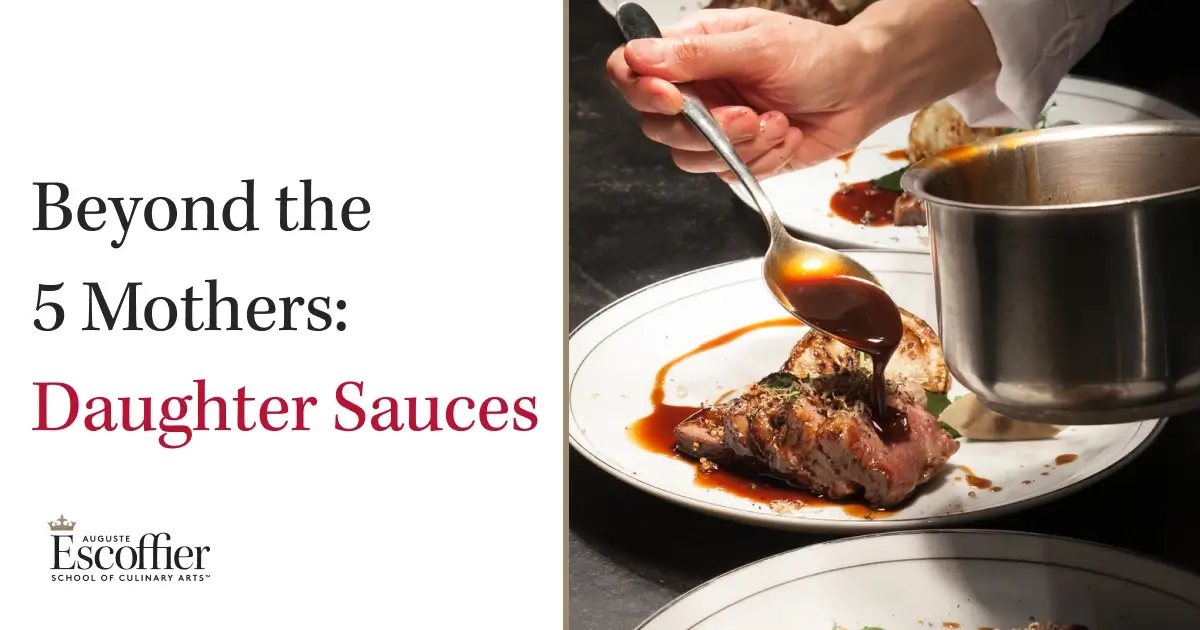
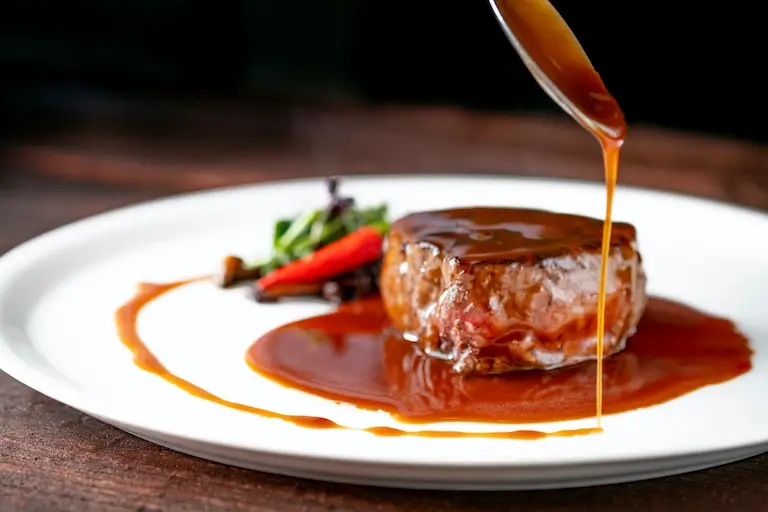
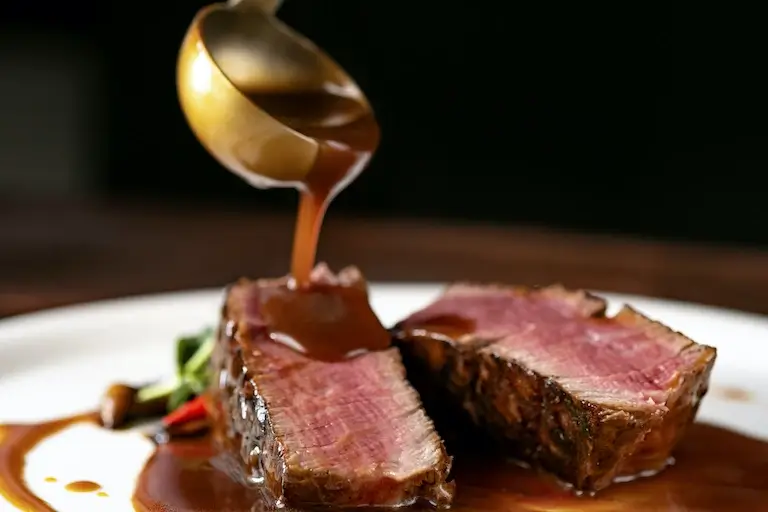
Demi-glace can be served with steaks and other meats or used to build additional brown sauces.
Before we delve into the specifics of individual sauces, it’s crucial to grasp how these classical families interlock. The family tree of French sauces showcases some of the most renowned daughter sauces, though countless other variations exist. Importantly, some daughter sauces themselves can serve as the bedrock for even further culinary creations, extending the lineage even deeper.
The Indispensable Value of Mastering Derivative Sauces
For aspiring and professional chefs alike, learning daughter sauces transcends mere recipe memorization. It cultivates a profound understanding of foundational techniques, fostering a flexible and adaptable approach to cooking. By recognizing the underlying principles, cooks can leverage a relatively small number of techniques to create a vastly larger repertoire. This structured knowledge encourages a holistic consideration of critical culinary elements, including flavor balance, desired consistency, the art of reduction, the science of emulsification, the subtlety of enrichment, and the precision of seasoning.
Furthermore, mastering this hierarchy equips culinary professionals with the classical vocabulary essential in both academic culinary environments and the fast-paced, demanding world of professional kitchens. Jackson Hussey, an Escoffier Boulder Graduate currently honing his skills at La Marmotte, attests to this advantage:
"They could just say, ‘I need you to make this sauce,’ and I immediately had an idea of the base. It helped me work a lot faster, not having to ask them to give me a recipe. I knew where to start, and I could just ask them how they want me to adjust it to their liking. That was a huge help to me and to the restaurant."
— Jackson Hussey, Escoffier Boulder Graduate, employee at La Marmotte
This practical benefit highlights how a deep understanding of sauce families empowers chefs to be more efficient, creative, and responsive to the unique demands of a high-end culinary setting.
Take the Culinary Career Survey
We’ve compiled a checklist of all of the essential questions into one handy tool: career options, culinary interest surveys, educational opportunities, and more.
How the Mother Sauces Branch Out: A Comprehensive Guide
As you cultivate your classical cooking skills, it’s not necessary to instantly memorize every daughter sauce. Instead, focus on discerning the mother sauce that forms its core, understanding the specific alteration that creates the daughter sauce, and identifying its most common culinary applications. The following chart serves as a valuable reference as you embark on this flavorful journey.
Classic Daughter Sauces at a Glance
Mother Sauce Family
Daughter Sauce
Key Addition or Change
Classic Dishes and Uses
Béchamel
Mornay
Gruyère, Parmesan, or another grated cheese
Macaroni and cheese, vegetable and seafood gratins, eggs Florentine, croque monsieur
Béchamel
Soubise
Slowly cooked, puréed onions
Veal Prince Orloff, lamb chops, roast chicken, roasted vegetables
Hollandaise
Béarnaise
Vinegar-and-wine reduction with shallots, tarragon, and chervil
Eggs à la Portugaise, beef, chicken, fish, vegetables
Can Daughter Sauces Have Daughters? The Infinite Culinary Tree
Indeed, the culinary family tree extends even further! Some daughter sauces are robust enough to become the foundation for additional variations, often referred to as "granddaughter" sauces. Sauce Choron, for instance, elegantly builds upon a Béarnaise base with the judicious addition of tomato, thereby creating another distinct branch within the Hollandaise family. This demonstrates the boundless potential for culinary innovation once the core techniques and foundational sauces are firmly understood. The classical sauce system is not static; it’s a dynamic framework for continuous creation.
The subsequent sections will focus on several of the most recognized daughter sauces, though it is important to remember that these represent only a fraction of each family’s full potential. As you explore them, keep an eye out for additional variations hinted at within each category.
1. Béchamel Daughter Sauces: The Creamy Canvas
Béchamel, a creamy white sauce crafted from milk thickened with a white roux, serves as a quintessential base in dishes like creamed spinach or lasagna. Its inherently neutral and mild flavor profile makes it exceptionally versatile, allowing its daughter sauces to explore diverse culinary directions. While Mornay introduces a luxurious richness through cheese, Soubise offers a delicate sweetness derived from slowly cooked onions.
Beyond Mornay and Soubise, other notable members of the Béchamel family include Nantua (enriched with crayfish butter and cream), Crème (simply finished with heavy cream), and various Mustard sauces (where Dijon or other mustards are incorporated for a piquant edge).
Mornay Sauce: The Embrace of Cheese
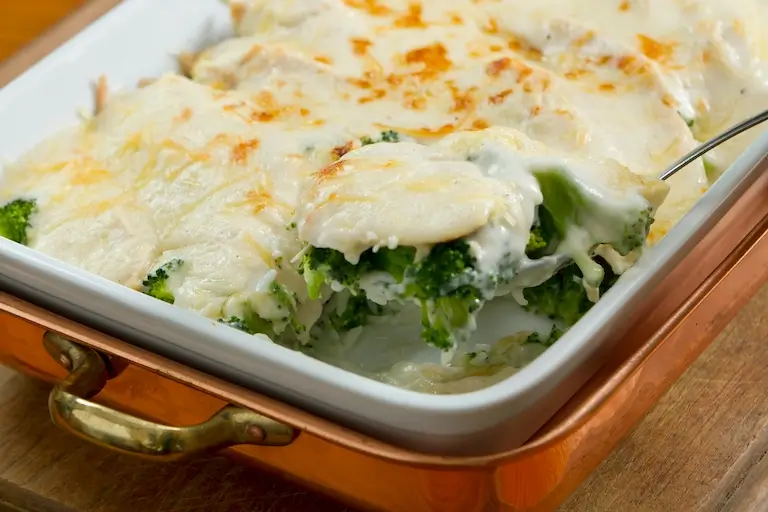
If the velvety, golden-brown cheese crust atop a bubbling pan of baked macaroni and cheese is your delight, you are undoubtedly a connoisseur of Mornay. This classic daughter sauce elevates Béchamel by enriching it with finely grated cheese, traditionally Gruyère, Parmesan, or a harmonious blend of the two. The choice of cheese significantly influences the final flavor profile, from the nutty complexity of Gruyère to the sharp saltiness of Parmesan.
The art of preparing Mornay lies in incorporating the cheese correctly. It is stirred into the Béchamel off direct heat, added gradually to ensure a smooth, emulsified texture rather than a grainy or separated consistency. A common starting point suggests 2 to 4 ounces of cheese per cup of Béchamel, though this can be adjusted to achieve the desired flavor intensity and thickness for a particular dish.
Mornay is celebrated as the backbone of many gratins, such as cauliflower, potato, or seafood variations, where it provides a rich, binding element. It also features prominently in baked vegetable dishes, elegant egg preparations like poached eggs Florentine, and the iconic croque monsieur. In the latter, a generous layer of Mornay is spread over the sandwich before broiling, creating its signature rich, moreish, bubbling, and irresistibly golden-brown top.
Basic Mornay Ratio: For every 1 cup of Béchamel, add approximately 1 to 2 ounces of grated cheese (e.g., Gruyère, Parmesan).
Soubise Sauce: The Sweet Whisper of Onion
For those who appreciate the mellow, caramelized sweetness that onions develop when slowly coaxed in butter, Soubise sauce transforms this flavor into a smooth, creamy masterpiece. This classic Béchamel derivative harmonizes the milky white sauce with tender onions, meticulously cooked until soft and translucent without any hint of browning.
To prepare the onions for Soubise, they are typically sliced thinly and gently sweated in butter under a cartouche (a circle of parchment paper placed directly over the onions). This technique helps to retain moisture, allowing the onions to soften and become meltingly tender over 20 to 30 minutes, all while preserving their pale color.
Once perfectly cooked, the onions are combined with the Béchamel and then puréed or passed through a fine sieve to achieve a luxuriously smooth consistency. Some traditional preparations further enrich the sauce with a final swirl of cream and butter, enhancing its already velvety texture and depth of flavor.
Soubise is perhaps most famously known as a key component of Veal Prince Orloff, an elaborate dish featuring layers of roast veal, mushroom duxelles, and Soubise, all blanketed in Mornay. While such intricate preparations may be reserved for special occasions, Soubise’s delicate onion flavor can elevate more accessible dishes, lending its subtle sweetness to lamb chops, roast chicken, or a variety of roasted vegetables.
Basic Soubise Ratio: For every 1 cup of Béchamel, use approximately 1 medium onion, thinly sliced and slowly cooked in butter until very soft.
2. Hollandaise Daughter Sauces: Emulsions of Elegance
Hollandaise, a rich and buttery warm emulsion of egg yolks and clarified butter, balanced by a bright touch of acidity (typically lemon juice), is a testament to the delicate art of sauce-making. By subtly altering its acidic components or introducing fragrant herbs, vibrant citrus, or light cream, chefs can guide this exquisite mother sauce in several captivating new directions.
Three classic variations frequently encountered in professional kitchens are Béarnaise, Mousseline, and Maltaise. The Hollandaise family also includes other sophisticated derivatives such as Choron (Béarnaise with tomato purée), Foyot (Béarnaise with a reduction of meat glaze), Paloise (Hollandaise with mint), and Dijon (Hollandaise with Dijon mustard).
Béarnaise Sauce: The Herbaceous Companion to Meat
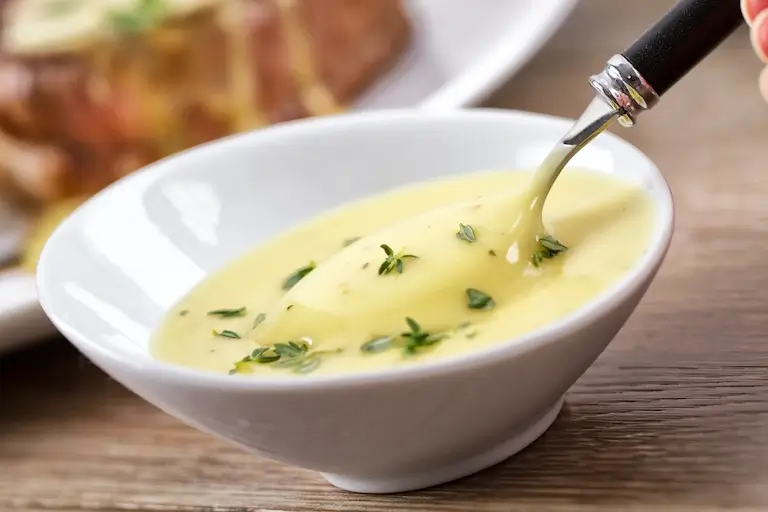
If you’ve savored steak frites at a classic French bistro, you likely recognize Béarnaise as the creamy, herb-flecked sauce served alongside it. Béarnaise shares Hollandaise’s fundamental structure—a warm emulsion of egg yolks and clarified butter. However, its distinctive acidity and profound flavor are derived not primarily from lemon, but from a concentrated reduction of vinegar, white wine, finely minced shallots, fragrant tarragon, and sometimes chervil.
The preparation of Béarnaise begins with crafting this aromatic reduction. Vinegar and white wine are gently simmered with shallots, crushed peppercorns, and fresh tarragon until the liquid significantly concentrates, intensifying its flavors. This reduction is then strained and meticulously whisked with egg yolks, creating a sabayon-like base before the clarified butter is gradually incorporated, forming the stable emulsion. Fresh tarragon and, traditionally, chervil are folded in at the very end, imbuing the finished sauce with its characteristic savory and herbaceous notes.
Béarnaise is the quintessential partner for grilled meats, particularly steak, but its vibrant flavor also beautifully complements fish, various egg preparations, and spring vegetables such as asparagus.
Basic Béarnaise Ratio: For an emulsion made with 2 egg yolks and ½ cup clarified butter, use approximately 1 tablespoon of strained vinegar-and-wine reduction. Finish with 1 to 2 tablespoons of finely chopped fresh tarragon and chervil.
Mousseline Sauce: The Airy Cloud of Butter
While Hollandaise is celebrated for its rich, velvety texture, the incorporation of unsweetened whipped cream transforms it into Mousseline (also known as Sauce Chantilly). This daughter sauce retains Hollandaise’s luxurious buttery flavor and delicate acidity but gains a surprisingly light and airy finish, offering a softer, more ethereal consistency.
The unsweetened heavy cream is whipped to soft peaks and then gently folded into the warm Hollandaise just before serving. The folding technique is crucial, as it preserves the air bubbles within the cream, resulting in a sauce that feels significantly lighter on the palate despite its inherent richness.
Mousseline is classically presented as sauce mousseline with poached sole, where its delicate, airy texture perfectly complements the fish’s subtle flavor. It also appears in preparations such as poached salmon with mousseline sauce, asparagus with sauce mousseline, and can even substitute traditional Hollandaise in a more refined Eggs Benedict. The sauce is also a delightful accompaniment to lobster, scallops, and other gently cooked seafood, where its elegance shines.
Don’t Confuse the Two: Mousseline sauce is a savory Hollandaise variation. Crème mousseline is a pastry cream enriched with butter, used in desserts.
Basic Mousseline Ratio: For every 1 cup of Hollandaise, gently fold in approximately ½ cup of unsweetened heavy cream, whipped to soft peaks.
Maltaise Sauce: A Zesty Citrus Infusion
For those who relish Hollandaise with asparagus, Maltaise offers a brighter, fruitier, and exquisitely seasonal variation. This daughter sauce infuses Hollandaise with the vibrant juice and zest of blood oranges, imparting a gentle sweetness, a captivating citrus fragrance, and a subtle rosy hue that enhances its visual appeal.
The blood orange juice is carefully stirred into the finished Hollandaise, while finely grated or julienned zest intensifies the orange aroma. In classical preparations, the zest may be blanched briefly to soften its texture and mitigate any potential bitterness. The resulting sauce beautifully balances the richness of Hollandaise with the clear, refreshing notes of citrus.
Maltaise is most famously paired with asparagus in asparagus à la Maltaise, where the warm, zesty sauce is spooned generously over the tender spears. It also provides an excellent counterpoint to artichokes, broccoli, cauliflower, and various delicate fish or shellfish preparations.
Basic Maltaise Ratio: For every 1 cup of Hollandaise, add approximately 1 to 2 tablespoons of blood orange juice and ½ teaspoon of finely grated or blanched julienned zest. Adjust the citrus carefully to ensure the sauce retains its stable emulsion.
3. Velouté Daughter Sauces: The Silken Stocks
Velouté begins its journey as a simple yet elegant pairing: a light, clear stock thickened with a blond roux. However, the specific type of stock—traditionally chicken, veal, or fish—is the crucial determinant of the sauce’s fundamental flavor and, consequently, the character of the daughter sauces it can yield.
Chicken velouté can be transformed into Suprême, veal velouté provides the base for Allemande, and fish velouté is the starting point for Normande. Other distinguished members of the Velouté family include Bercy (fish velouté with shallots, white wine, and parsley), Vin Blanc (fish velouté with white wine and butter), Poulette (velouté with mushrooms, cream, and lemon), and Ravigote (velouté with herbs and capers).
Suprême Sauce: The Pinnacle of Poultry Elegance
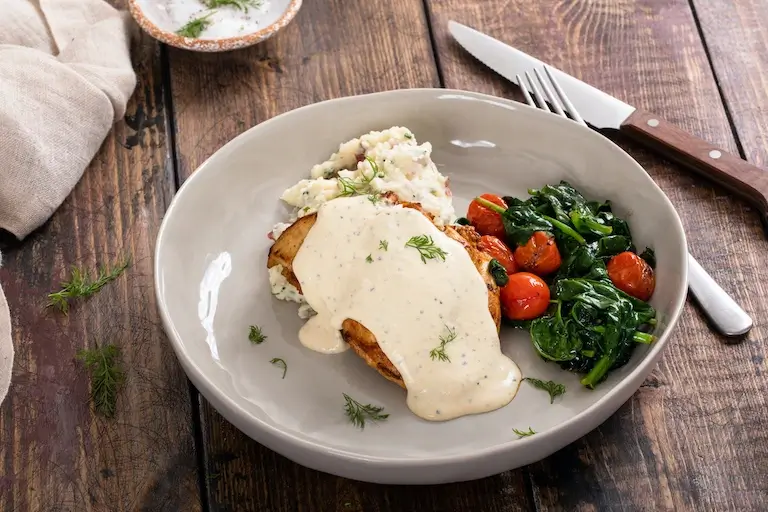
A well-executed chicken velouté is already smooth and savory, but through careful reduction and the luxurious addition of cream, it ascends to become the aptly named Suprême sauce. This classic daughter sauce starts with a chicken velouté, which is gently simmered to concentrate its inherent poultry flavor before being exquisitely enriched with warm heavy cream.
The reduction process is key, allowing excess water to evaporate, thereby intensifying the savory notes and developing a fuller, more substantial consistency. The cream, in turn, adds a silken richness and harmonizes the robust flavors of the stock. Suprême is often meticulously strained to achieve an exceptionally smooth finish, then balanced with a touch of lemon juice and, in some preparations, a final whisk of butter for added luster and depth.
Suprême sauce is a classical accompaniment for poached or roasted chicken, particularly chicken breasts or suprêmes de volaille. Its refined character also makes it an excellent partner for turkey, veal, and delicate poultry-filled preparations such as vol-au-vent.
Navigating the Dynamic Culinary Landscape: 15 Paths to a Thriving Food Career
The culinary world is a vibrant, ever-evolving ecosystem, far removed from the singular image of a chef toiling over a hot stove. Today, a passion for food can lead individuals…
From Passion to Profession: Navigating the Dynamic World of Culinary Arts
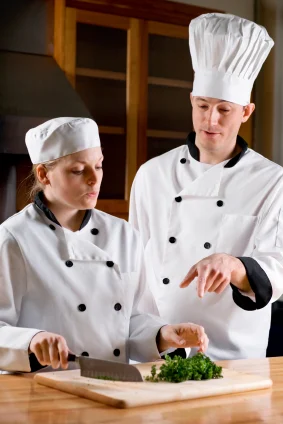
[Image: Culinary Lessons – A student meticulously preparing a dish in a professional kitchen setting, embodying focus and dedication.] For many, the kitchen is more than just a place to…


 Azzam Bilal Chamdy
 Neng Nana
 Nana Muazin
 Dwi Wanna
 Raul Delapena Setiawan
 Iffa Jayyana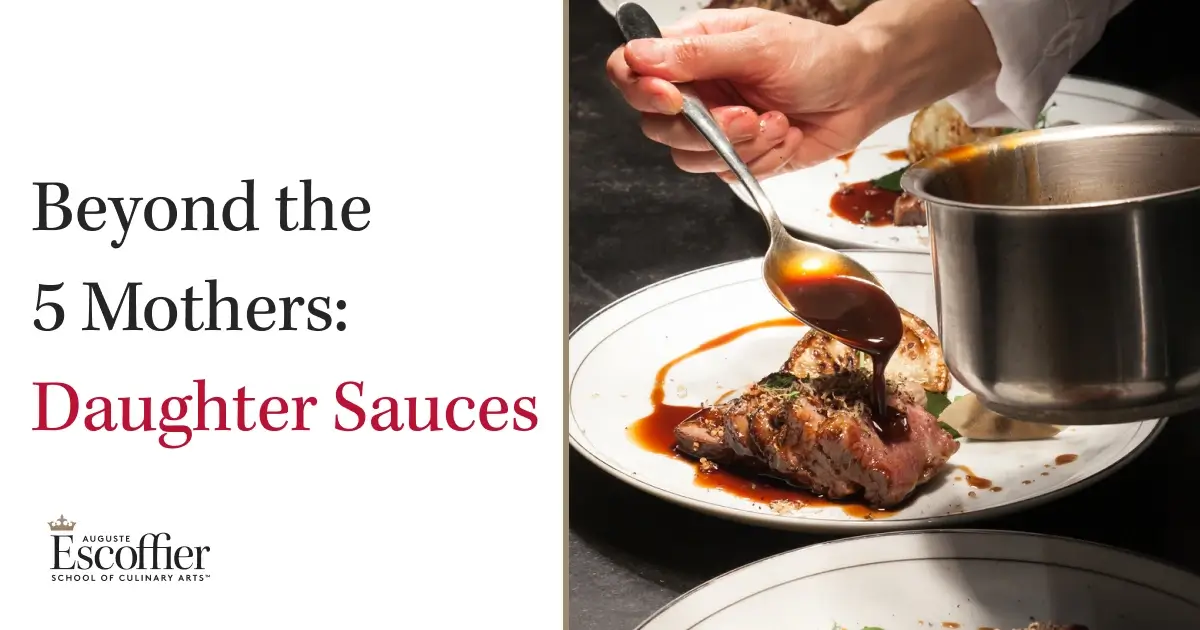


 Ali Ikhwan
