

 Azzam Bilal Chamdy
 Neng Nana
 Nana Muazin
 Dwi Wanna
 Raul Delapena Setiawan
 Layla Zulfa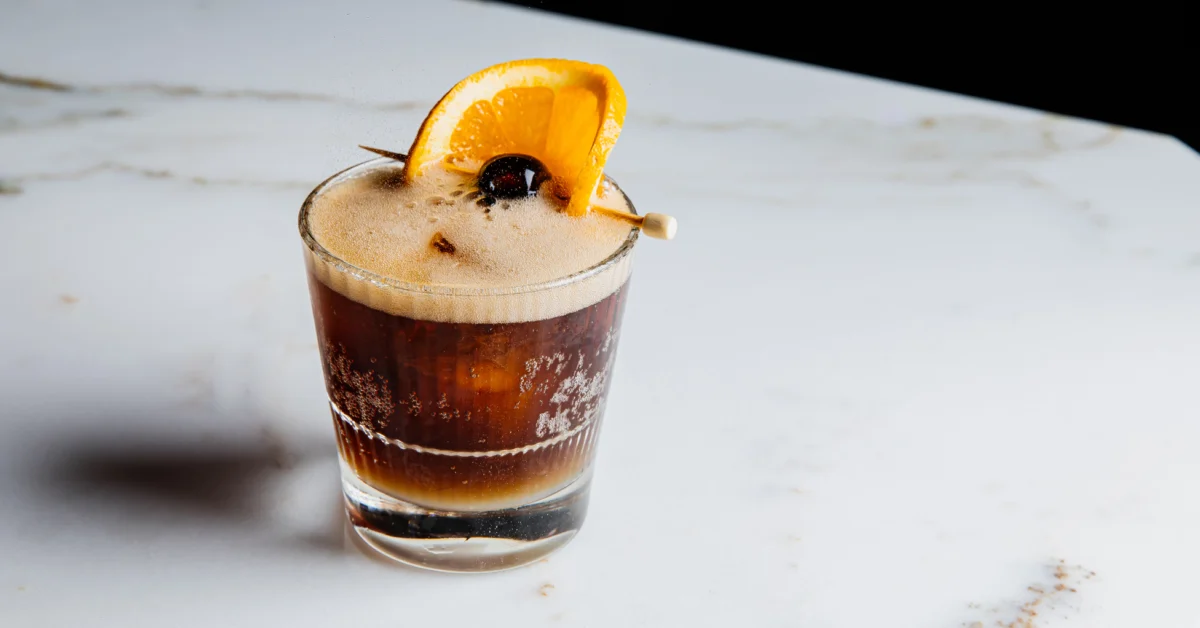
The landscape of the modern bar has undergone a seismic shift. For decades, the “nonalcoholic” option was a neglected afterthought—a sugary, neon-colored concoction relegated to the bottom of a menu, usually consisting of little more than pineapple juice, grenadine, and a heavy hand of lime. Today, however, the category has matured into a sophisticated pillar of mixology. Whether you are participating in “Sober October,” committing to a year-round alcohol-free lifestyle, or simply looking to pace yourself during a long evening out, the modern nonalcoholic (N/A) drink is no longer a compromise. It is a destination.
The Evolution of the "Mocktail"
The term “mocktail” has increasingly become a dirty word in the industry—a relic of a time when alcohol-free drinks were viewed as lesser, mimicry-based versions of the “real thing.” As industry leaders like bartender and author John deBary have noted, the current movement is about “breaking free from the familiar—and useful—beats of cocktail orthodoxy.”

Modern mixologists are no longer interested in merely stripping the gin out of a martini. Instead, they are approaching N/A drinks with the same rigor, culinary technique, and ingredient obsession as their high-proof counterparts. We are seeing the rise of house-made shrubs, complex tinctures, probiotic fermentations, and botanical distillates that offer depth, mouthfeel, and a lingering finish—the elusive "bite" that was once the exclusive domain of ethanol.
A Chronology of the N/A Revolution
The shift in drinking culture did not happen overnight. To understand how we arrived at today’s era of creative, zero-proof mixology, we must look at the timeline of the industry’s pivot:

- The Early 2000s: The "Mocktail" era. Drinks were heavily fruit-focused, lacking balance, and were largely designed for designated drivers or children.
- The Mid-2010s: The "Sophistication Phase." The emergence of early alcohol-free spirits and a focus on bitters and sodas. Bartenders began using ingredients like Seedlip to create drinks that mimicked the experience of drinking spirits.
- The 2020s: The "Culinary Approach." This current era emphasizes flavor complexity through fermentation, savory profiles, and scientific clarification. It is no longer about imitation; it is about original, craft-driven liquid innovation.
The Anatomy of the Modern N/A Drink
What makes a truly great nonalcoholic cocktail? According to recent trends in top-tier cocktail bars from Brooklyn to London, the secret lies in the integration of savory, acidic, and textural elements.
1. The Power of the Savory
One of the most exciting developments is the move away from the cloying sweetness of traditional fruit punches. Recipes like the "Mad World" leverage the earthy, pungent warmth of Berbere spice to provide a savory edge that anchors the drink. Similarly, the "Chinotto Fizz" utilizes coconut aminos, providing a salty, umami-rich foundation that bridges the gap between a soft drink and a sophisticated aperitif.

2. Acid and Heat: The Replacement for Ethanol
In traditional cocktails, the "burn" of alcohol provides structure. In N/A versions, that structure must be built from the ground up. The "Sound & Fury" is a masterclass in this, utilizing habanero-infused vinegar to provide both an acidic snap and a physical heat that lingers on the palate, mimicking the sensation of high-proof spirits.
3. Textural Innovation
Perhaps the most ambitious technique currently being employed is the use of clarification. The "Puppy Pose," for example, utilizes probiotic yogurt to clarify a milk punch. This process removes the solids while retaining the silky, luscious mouthfeel that makes milk punches so prized, creating a drink that is visually stunning, texturally complex, and entirely alcohol-free.

Supporting Data: Why Consumers are Shifting
The market data supports the shift toward mindful drinking. According to industry reports, the global nonalcoholic beverage sector has seen double-digit growth year-over-year. This is not merely a result of health consciousness; it is a change in social philosophy. Consumers, particularly Gen Z and Millennials, are increasingly seeking "low-and-no" options that allow them to remain sharp and social without the physiological consequences of alcohol consumption.
Furthermore, the rise of "Sober Curious" movements has normalized the act of holding a glass that looks and tastes like a premium cocktail, even if it contains zero alcohol. Bars have responded by integrating these drinks into their main menu, rather than separating them into a "mocktail" section, effectively de-stigmatizing the choice to abstain.

Perspectives from the Industry
Industry experts argue that the future of the N/A movement lies in the kitchen. John deBary, a prominent voice in the movement, emphasizes that by ignoring the "rules" of what a cocktail should be, bartenders are discovering flavors that were previously overlooked.
“When you stop trying to replicate a Negroni or an Old Fashioned,” deBary explains, “you open up a world of botanical infusions, spice blends, and enzymatic reactions that simply didn’t exist in the traditional bar lexicon.”

This sentiment is echoed by the creators of "Flor and Flo.0," an ultrasavory drink that proves the point: the best beverages are those that stand on their own merits. By offering the drink in both a full-proof and a spirit-free version, the bar validates that the flavor profile—not the alcohol—is the star of the show.
Implications for the Future of Drinking
The long-term implications of this movement are significant. As nonalcoholic options become as complex and rewarding as their alcoholic counterparts, the "all-or-nothing" binary of drinking culture begins to dissolve.

- The "Hybrid" Drinker: We are entering an age where the same patron might enjoy a full-proof martini for their first drink and a complex, botanical-infused N/A tonic for their second.
- The "Zero-Proof" Bar Menu: Expect to see more bars hiring dedicated "N/A specialists" to manage fermentation programs specifically for zero-proof menus.
- Social Inclusivity: The most profound implication is the democratization of the cocktail experience. When the drink is as thoughtful as the person holding it, the stigma of not drinking disappears.
Conclusion: A Toast to Innovation
Whether you are sipping on a spiced-up Arnold Palmer like the "Dawn Patrol," which uses N/A bitters and turmeric to create a morning-ready tonic, or experimenting with an "N/A Spaghett"—a refined, zero-proof take on the beer-based cocktail—it is clear that we are living in the golden age of the nonalcoholic drink.
The next time you find yourself at a bar, do not feel restricted by the absence of spirits. Ask what the bartender is doing with their house-made shrubs, their clarified juices, or their spicy vinegars. You might find that the most exciting, complex, and memorable drink on the menu is the one that was designed to be enjoyed with a clear head. The "mocktail" is dead; long live the craft nonalcoholic cocktail.


 Evan Lee Salim