

 Azzam Bilal Chamdy
 Neng Nana
 Nana Muazin
 Dwi Wanna
 Raul Delapena Setiawan
 Muslim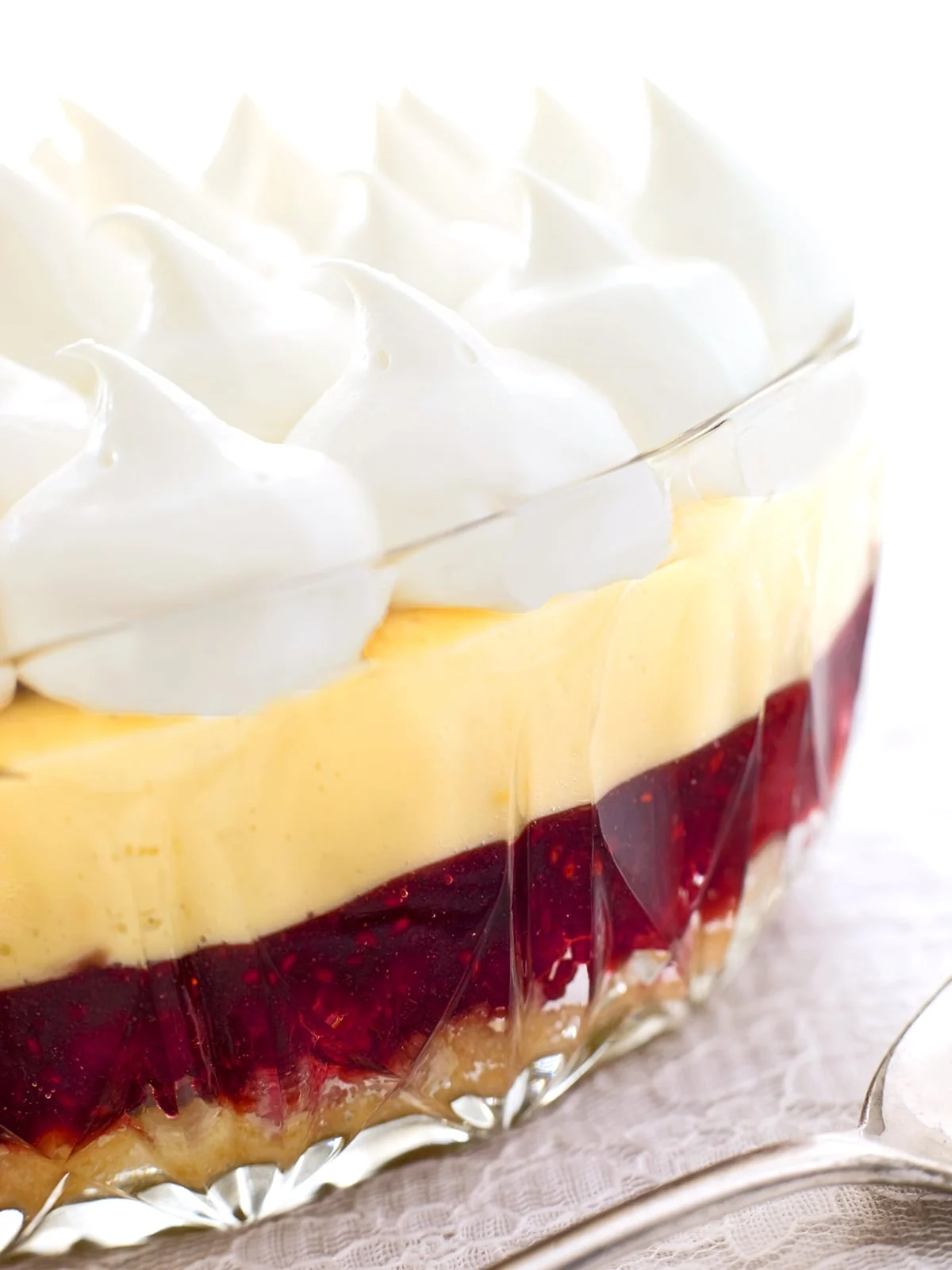
In the pantheon of classic French pastry, few components possess the versatility and refined decadence of Bavarian cream, or crème bavaroise. While often overshadowed by its denser cousin, pastry cream, the Bavarian cream stands apart as a masterclass in texture—a silky, aerated, and structurally sound triumph that serves as the backbone for everything from delicate molded desserts to rich, pipeable fillings for donuts and pastries.
Despite its name suggesting a German origin, the crème bavaroise is a quintessential French invention. It represents a sophisticated intersection of dairy-forward indulgence and technical precision. For the home cook, it is often viewed as an intimidating endeavor; however, beneath the surface of its luxurious reputation lies a straightforward, logic-driven process that, once mastered, elevates any dessert repertoire.
Main Facts: Defining the Bavarois
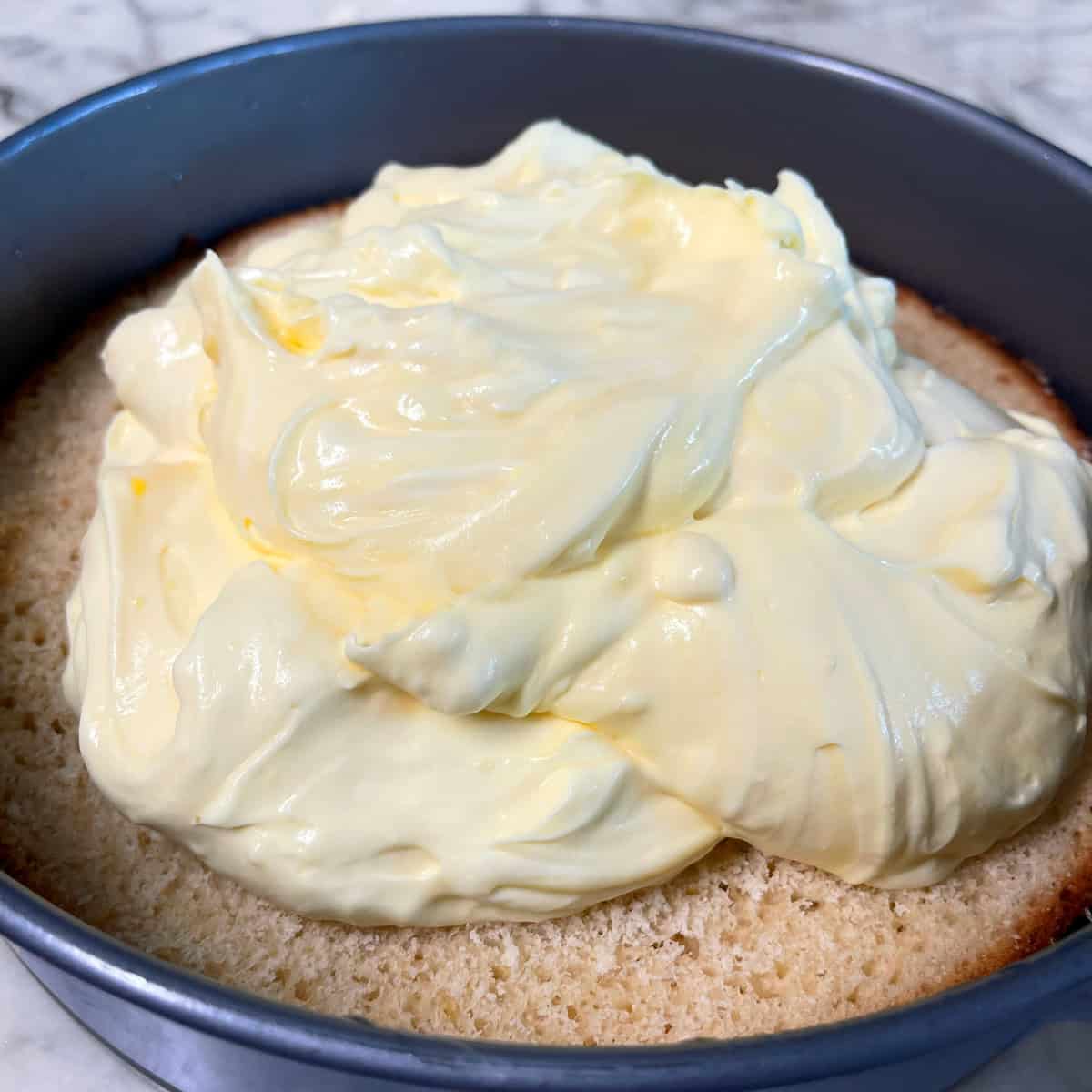
At its core, Bavarian cream is defined by a specific trifecta of components: a rich crème anglaise (a pourable egg yolk custard), a stabilizing agent (typically gelatin), and whipped cream. The genius of the preparation lies in the aeration; by folding whipped cream into the set custard, the chef creates a mousse-like consistency that is simultaneously stable and light on the palate.
Unlike diplomat cream, which relies on cornstarch-thickened pastry cream as its base, the true Bavarian cream utilizes the purity of an egg-yolk-only custard. This absence of starch is precisely what gives the Bavarois its signature "melt-in-the-mouth" quality. It is a dish that relies on the quality of ingredients—fresh eggs, high-quality heavy cream, and premium vanilla—to shine.
A Historical Chronology: From Royal Courts to Modern Kitchens
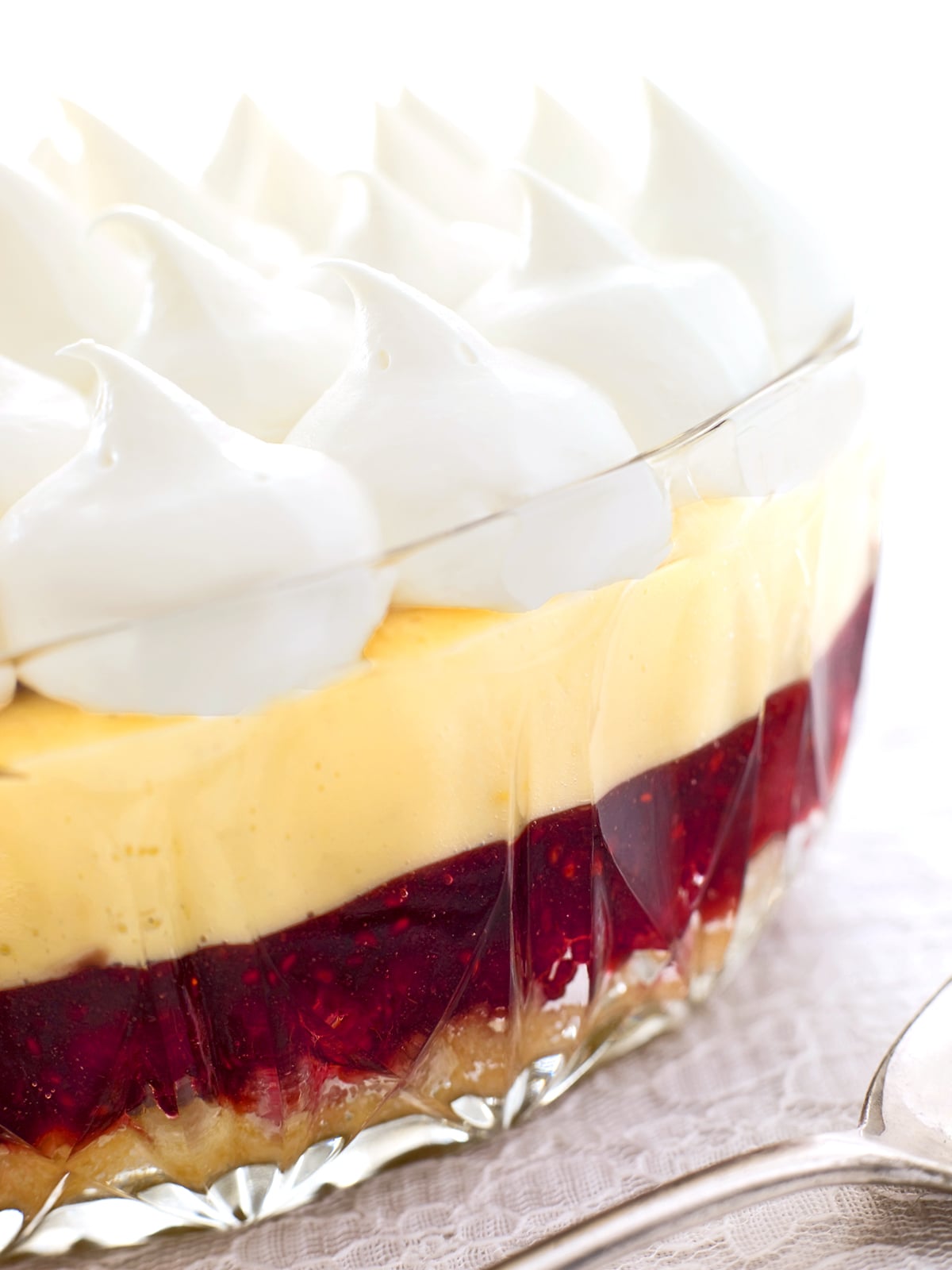
The nomenclature of the crème bavaroise remains a subject of culinary debate. Historians suggest that while the dish is French, its name serves as a historical nod to the German region of Bavaria, famous for its superior dairy production.
The timeline of its rise is inextricably linked to the 19th-century French culinary revolution. During this era, French chefs often sought employment in the royal courts of Europe, including the Wittelsbach family in Bavaria, who held power from 1180 to 1918. It is widely believed that the dish was either a tribute to these royal patrons or a reflection of the cross-cultural exchange between French culinary masters and German dairy traditions.
The dish gained significant traction under the influence of Marie-Antoine Carême, the "King of Chefs and Chef of Kings," who codified much of French haute cuisine. By the late 19th century, the Bavarois had crossed the Atlantic. Its appearance in the Boston Cooking School publications and Fannie Farmer’s 1896 cookbook cemented its status as a staple of American refined baking. While it was once served primarily as a centerpiece molded dessert—a structural showpiece of the Victorian era—it has evolved in the modern age to become a versatile internal component for pastries, trifles, and layered cakes.
Supporting Data: Understanding the Science of Texture
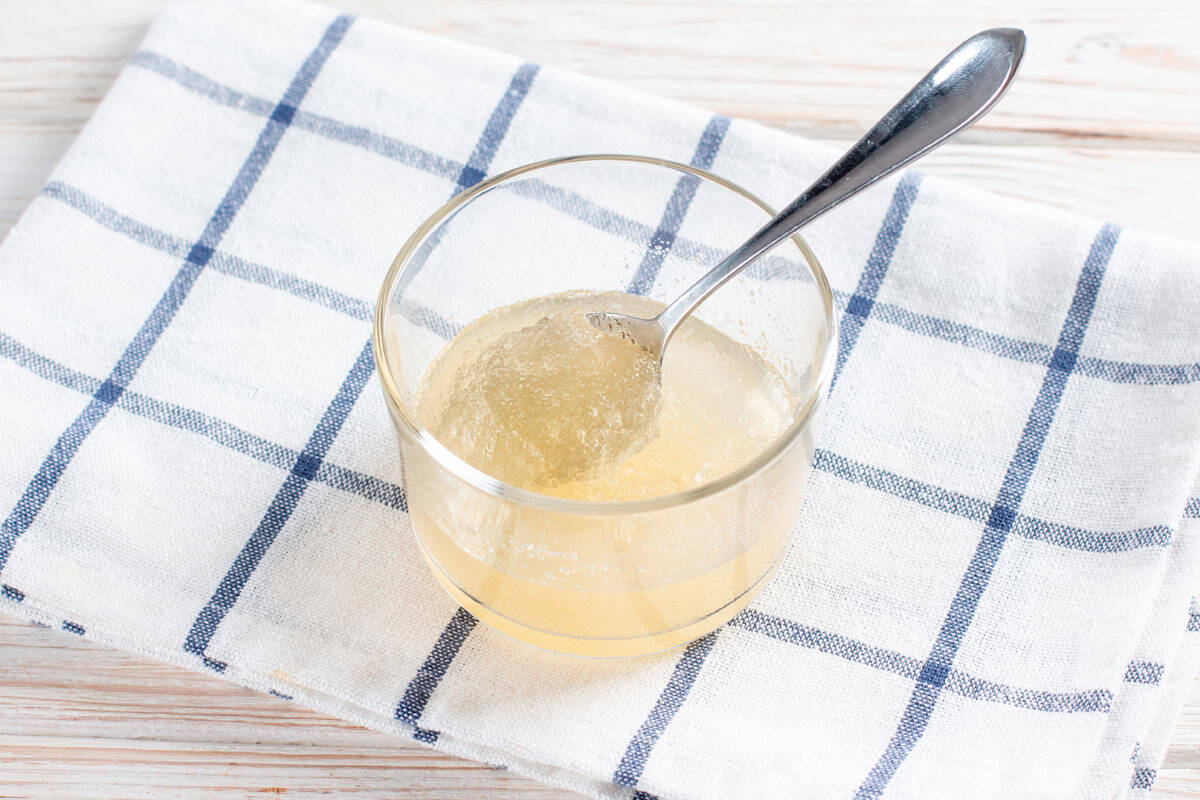
Achieving the perfect Bavarian cream is as much an exercise in chemistry as it is in cooking. The "blooming" of gelatin is the most critical technical step. By sprinkling powdered gelatin over cold water, the cook ensures that the granules hydrate evenly, preventing the dreaded "rubbery lumps" that can ruin a batch.
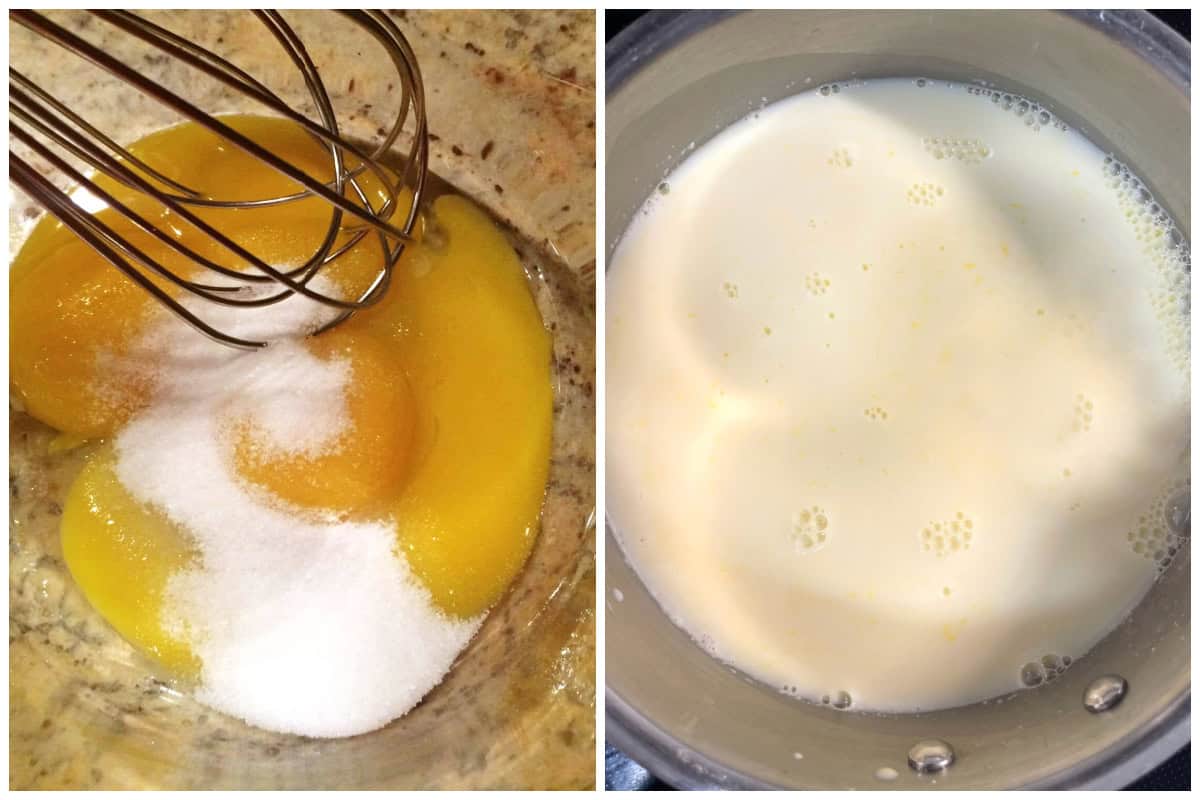
Temperature control serves as the secondary pillar of success. The custard must be cooked to approximately 180–185°F (82–85°C). At this stage, the egg yolks provide enough viscosity to coat the back of a spoon—a visual indicator known as nappe. If the heat is too low, the custard fails to set; if it exceeds this range, the eggs may scramble, necessitating a fine-mesh strain.
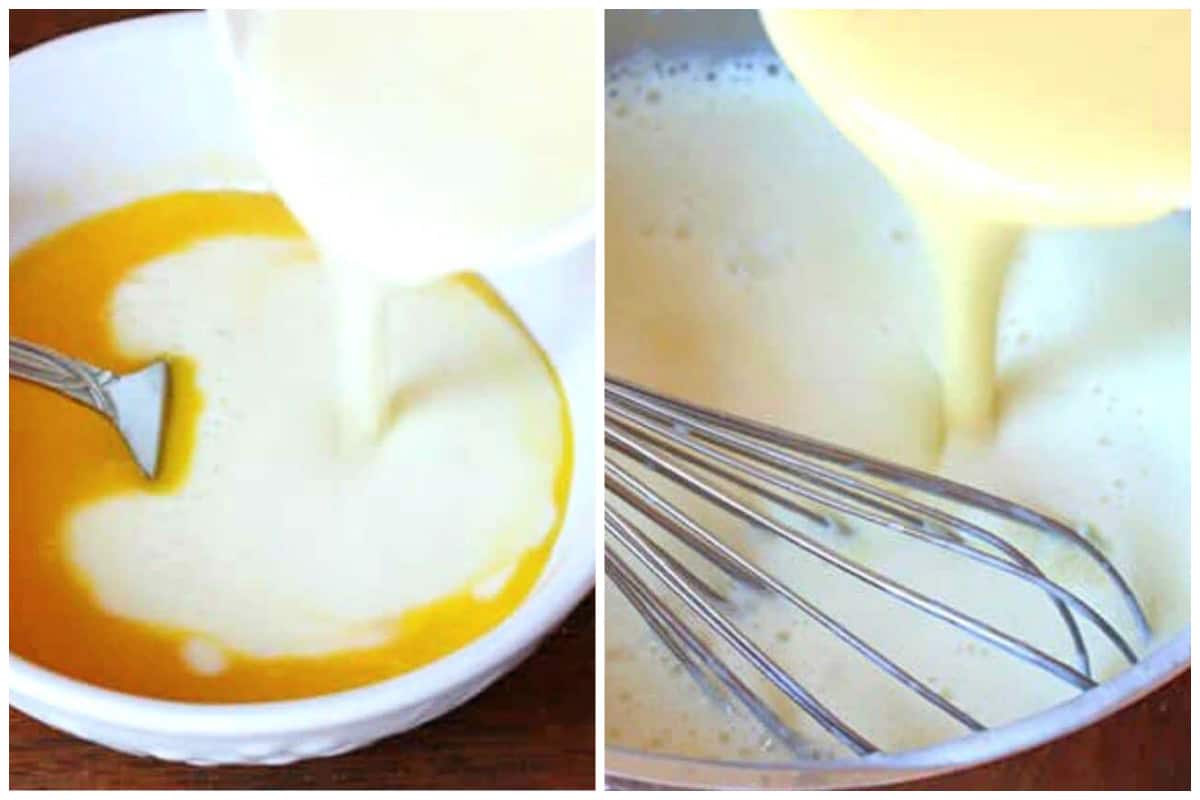
The final, and perhaps most important, piece of data is the temperature at which the whipped cream is introduced. Incorporating heavy cream into a hot custard is a recipe for failure, as the heat will deflate the air bubbles and melt the fat structure of the cream. The custard must be cooled to roughly 75–80°F (24–27°C)—the consistency of thick pudding—before the final folding occurs. This "goldilocks" state ensures the mixture has enough body to hold the air, yet remains fluid enough to achieve a uniform, silk-like consistency.
Culinary Implications: The Versatility of the Filling
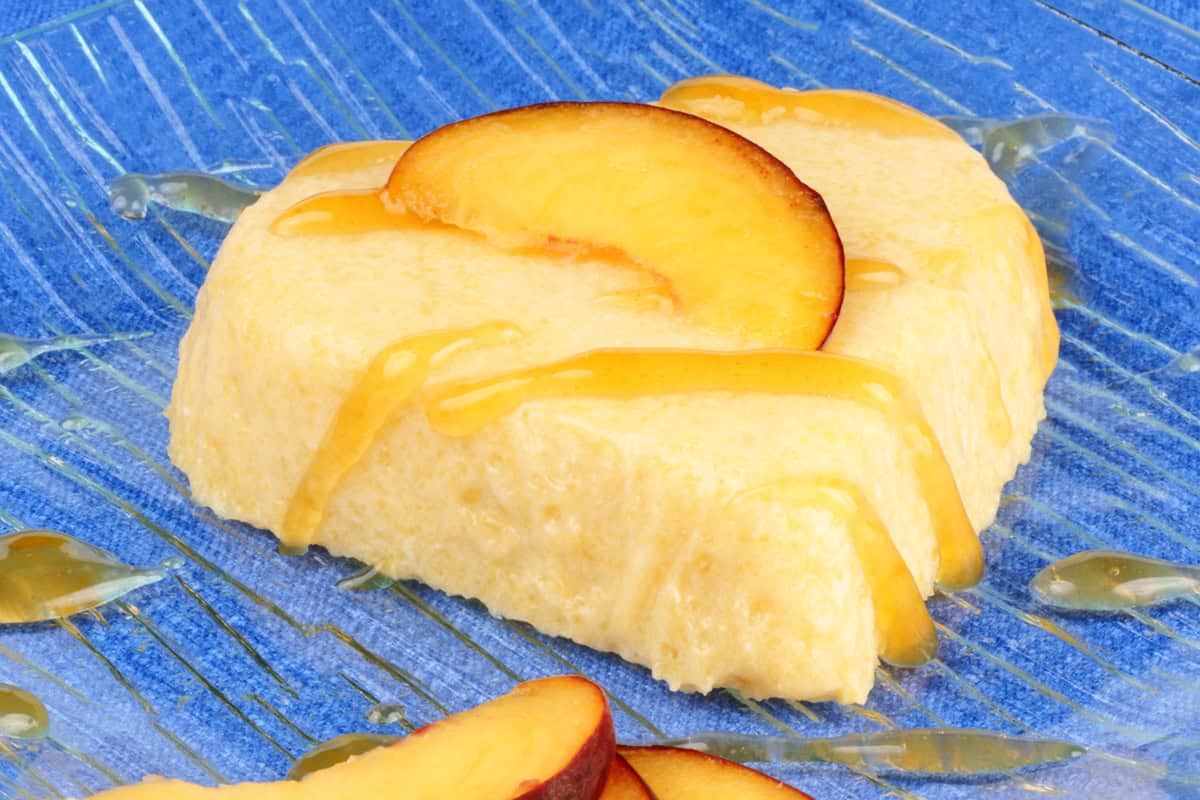
The utility of Bavarian cream is determined by the ratio of gelatin to liquid. For the traditionalist, increasing the gelatin to 10 grams per batch allows the mixture to be set in decorative molds. Once chilled, these molds can be inverted, revealing a firm, glossy, and architecturally impressive dessert that rivals the elegance of a panna cotta.
However, for the modern pastry chef, the "looser" version is often preferred. This version functions as a high-performance filling. Because it is stabilized with gelatin, it can hold its shape within a Bienenstich (Bee Sting Cake) or provide the lush, velvety interior of a Bismarck donut without weeping or soaking into the surrounding pastry. It is this structural integrity that makes it superior to simple whipped cream or heavy buttercream in many applications.
Official Best Practices: A Guide for the Home Chef
For those embarking on the creation of this classic, professional standards suggest the following protocol:
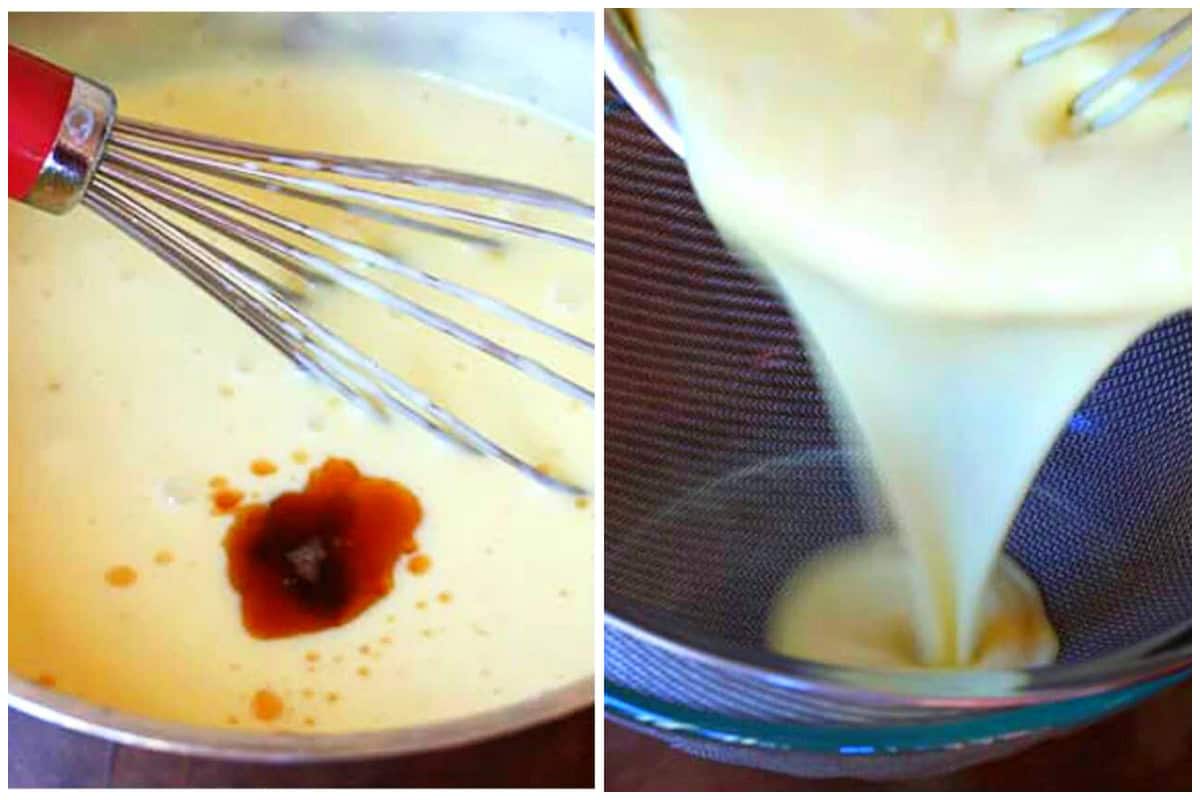
- The Vanilla Factor: Whether utilizing a vanilla bean, paste, or pure extract, the timing is paramount. Beans should be steeped in the milk to allow the aromatic oils to infuse fully. Extracts should only be added off the heat to preserve their volatile flavor compounds.
- The Straining Process: Never skip the sieve. Even the most expert chefs risk small bits of coagulated egg or undissolved sugar. A fine-mesh strain is the difference between a "home-made" texture and a professional-grade finish.
- The Skin Barrier: When cooling, direct contact with plastic wrap is non-negotiable. Allowing the custard to develop a "skin" introduces unwanted textures that cannot be rectified once the whipped cream is added.
- Storage Constraints: Due to the high dairy and egg content, Bavarian cream is a perishable medium. It is best consumed within 48 hours and should never be frozen, as the emulsion of the custard and the aeration of the whipped cream will collapse during the thawing process, resulting in a separated, grainy liquid.
Conclusion: The Enduring Legacy of the Bavarois
The crème bavaroise remains one of the most elegant, albeit under-appreciated, components in the pastry world. It bridges the gap between the simplicity of a custard and the complexity of a mousse. By understanding the historical context, respecting the scientific requirements of temperature and hydration, and mastering the gentle art of folding, the home cook can bring a piece of 19th-century French culinary history into their own kitchen.
Whether served as a firm, molded dessert topped with fresh berries or used to elevate a humble donut into a decadent treat, the Bavarian cream is a testament to the fact that, in the world of pastry, the most refined results are often found in the most balanced preparations. It is a dish that invites patience, rewards precision, and, ultimately, delivers a taste of timeless sophistication.


 Basiran
 Jia Lissa
