

 Azzam Bilal Chamdy
 Neng Nana
 Nana Muazin
 Dwi Wanna
 Raul Delapena Setiawan
 Ammar Sabilarrohman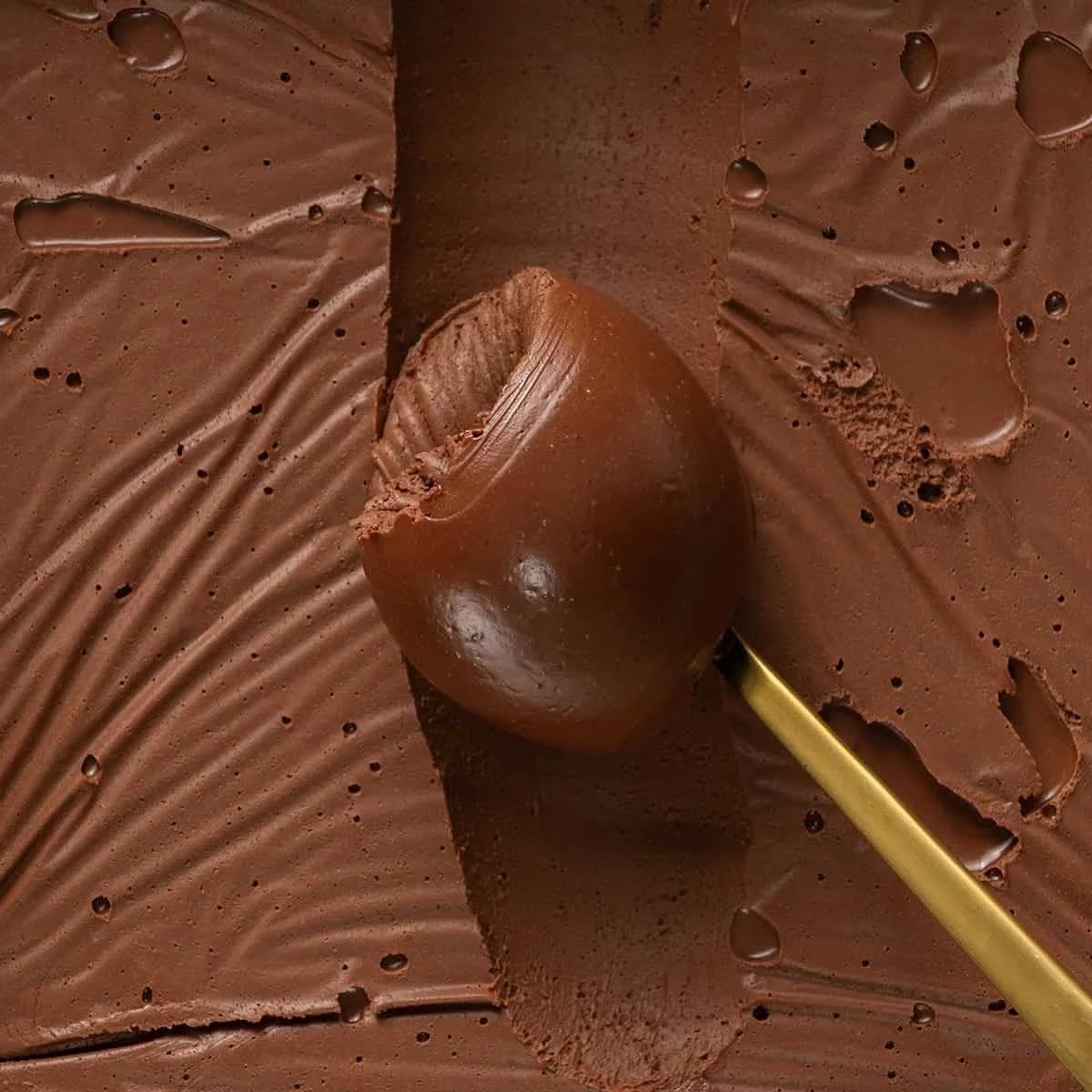
In the elevated world of professional patisserie, the distinction between a good dessert and a masterpiece often lies in the texture of its components. For years, home bakers and pastry enthusiasts have relied on the sturdy reliability of ganache or the foundational comfort of pastry cream. However, there exists a "missing link" in the culinary repertoire that bridges the gap between these two staples: the crèmeux.
Silky, glossy, and remarkably stable, the chocolate crèmeux has quietly become the secret weapon of world-class pastry chefs. It offers the intense, deep chocolate flavor of a ganache while retaining the delicate, custard-like mouthfeel of a classic pastry cream. Understanding this component is not merely a lesson in mixing ingredients; it is an exploration of the science of emulsions and the precision of French technique.
The Anatomy of a Crèmeux: Main Facts
At its core, a chocolate crèmeux is a sophisticated custard-based dessert. While a standard ganache is typically a simple emulsion of chocolate and cream, the crèmeux introduces egg yolks into the equation. This addition fundamentally alters the chemistry of the mixture.

By creating a crème anglaise—a pouring custard of milk, cream, and egg yolks—and emulsifying it with high-quality chocolate, the chef achieves a texture that is simultaneously rich and light. The egg yolks provide a luxurious, velvet-like consistency that prevents the mixture from becoming as firm or "set" as a chilled ganache, yet it remains sturdy enough to hold its shape when piped.
The beauty of the crèmeux lies in its versatility. It is neither a sauce nor a solid, but rather a stable, spreadable, and pipeable medium. Because it does not set to a hard state like a traditional ganache, it provides a "melt-in-your-mouth" experience that makes it an ideal filling for delicate tarts, entremets, and layered sponge cakes.
The Chronology of Preparation: A Masterclass in Technique
For those looking to integrate this technique into their own kitchens, the process is surprisingly straightforward, provided one adheres to the principles of temperature control and emulsification.

Phase 1: Creating the Crème Anglaise
The foundation of any great crèmeux is the crème anglaise. This involves heating a mixture of heavy cream and milk until just simmering. Simultaneously, one must whisk the egg yolks with sugar until they are pale and slightly aerated.
The "tempering" process is the most critical juncture here. A small portion of the hot liquid is whisked into the egg yolks to gradually raise their temperature—a step that prevents the eggs from scrambling. Once tempered, the entire mixture is returned to the heat and cooked gently until it coats the back of a spoon.
Phase 2: The Emulsion
Once the custard reaches the correct temperature, it is poured over the chocolate of choice. This is where the magic of the crèmeux happens. Using an immersion blender is the preferred professional method. By keeping the blender head fully submerged, you prevent the introduction of unwanted air bubbles, ensuring the final product remains dense, glossy, and perfectly smooth.

Phase 3: The Rest
Unlike many desserts that are ready to serve immediately, a crèmeux requires patience. It must be covered with plastic wrap, ensuring the film touches the surface of the cream to prevent a skin from forming. The mixture then rests in the refrigerator for at least 5 to 6 hours, though professional chefs often advocate for an overnight set. This allows the cocoa butter to crystallize and the proteins in the egg yolks to stabilize the structure.
Supporting Data and Ingredient Science
The success of a crèmeux is heavily dependent on the quality of its components. As noted by industry experts, the "fat content" and "cocoa percentage" are the primary variables in adjusting the end result.
- The Role of Chocolate: Because the chocolate is the primary flavor profile, using a high-quality couverture is non-negotiable. Whether one chooses dark (which provides a sophisticated bitterness), milk (for a sweeter, creamier profile), or white (which acts as a blank canvas for infusions), the choice impacts the final texture. Dark chocolate, with its higher cocoa butter content, naturally provides a firmer set than milk chocolate.
- Precision Measurements: Unlike rustic baking, where "a pinch" might suffice, the crèmeux demands digital scales. Because this is a chemical emulsion, the ratio of fat (from the cream and yolks) to solids (from the chocolate) must be exact. Deviation by even a few grams can result in a "broken" emulsion—a grainy, separated mess that cannot be easily salvaged.
- Storage Constraints: A crèmeux is a perishable product due to the inclusion of egg yolks. It should be stored in an airtight container for no longer than one week. Because of its sensitivity to heat, any dessert featuring a crèmeux filling must remain refrigerated until the very moment of service.
Professional Perspectives on Application
The professional application of crèmeux has evolved significantly in the last decade. While once reserved for high-end French boutiques, it is now being adapted for home-based artisanal baking.

Pastry chefs often point to the "fork-glide" test as the benchmark for a perfect crèmeux. If a dessert is constructed correctly, a fork should pass through the cake and the filling with zero resistance, providing a cohesive bite where the sponge and the cream melt together simultaneously.
"The move away from heavy, butter-laden frostings toward lighter, custard-based fillings like the crèmeux represents a shift in modern palate preferences," notes one culinary consultant. "Consumers are looking for depth of flavor—the bitterness of dark chocolate or the richness of dairy—without the cloying sweetness that comes with high-sugar buttercreams."
Implications for the Future of Dessert Design
The rising popularity of the crèmeux signals a broader trend in the culinary world: the democratization of high-end techniques. As information becomes more accessible, the barriers between the professional lab-like kitchen and the home kitchen continue to blur.

Designing for Temperature
The primary implication for bakers is the need for climate awareness. A dessert featuring crèmeux is not a "table-top" cake that can sit out for hours at a summer party. It is a controlled, refrigerated experience. This limitation is, in many ways, an advantage. It encourages the creation of "composed" desserts that are served chilled, allowing the flavors to be more nuanced and less masked by the numbing effect of high sugar content.
The Sustainability of Quality
Furthermore, the emphasis on using the "best quality chocolate" suggests a movement toward more sustainable and ethical sourcing. When the chocolate is the star ingredient, the baker is forced to engage with the quality and provenance of the cocoa, moving away from mass-produced, low-grade alternatives.
Conclusion: Elevating the Standard
Whether you are a professional pastry chef aiming to refine your entremets or a home baker looking to add a touch of Parisian elegance to your next dinner party, the chocolate crèmeux is an essential skill to master. It is a lesson in patience, a masterclass in emulsions, and, most importantly, a testament to the idea that the best desserts are those that balance complexity of flavor with the simplicity of perfect texture.

By understanding the relationship between the crème anglaise and the chocolate, you move beyond following a recipe; you begin to understand the architecture of flavor. As you embark on your own experiments with dark, milk, or white chocolate variations, remember the golden rule: keep it cold, keep it precise, and let the quality of your ingredients do the heavy lifting. In the world of fine pastry, the crèmeux is not just a filling—it is the standard.


 Basiran
 Jia Lissa
