

 Azzam Bilal Chamdy
 Neng Nana
 Nana Muazin
 Dwi Wanna
 Raul Delapena Setiawan
 Ali Ikhwan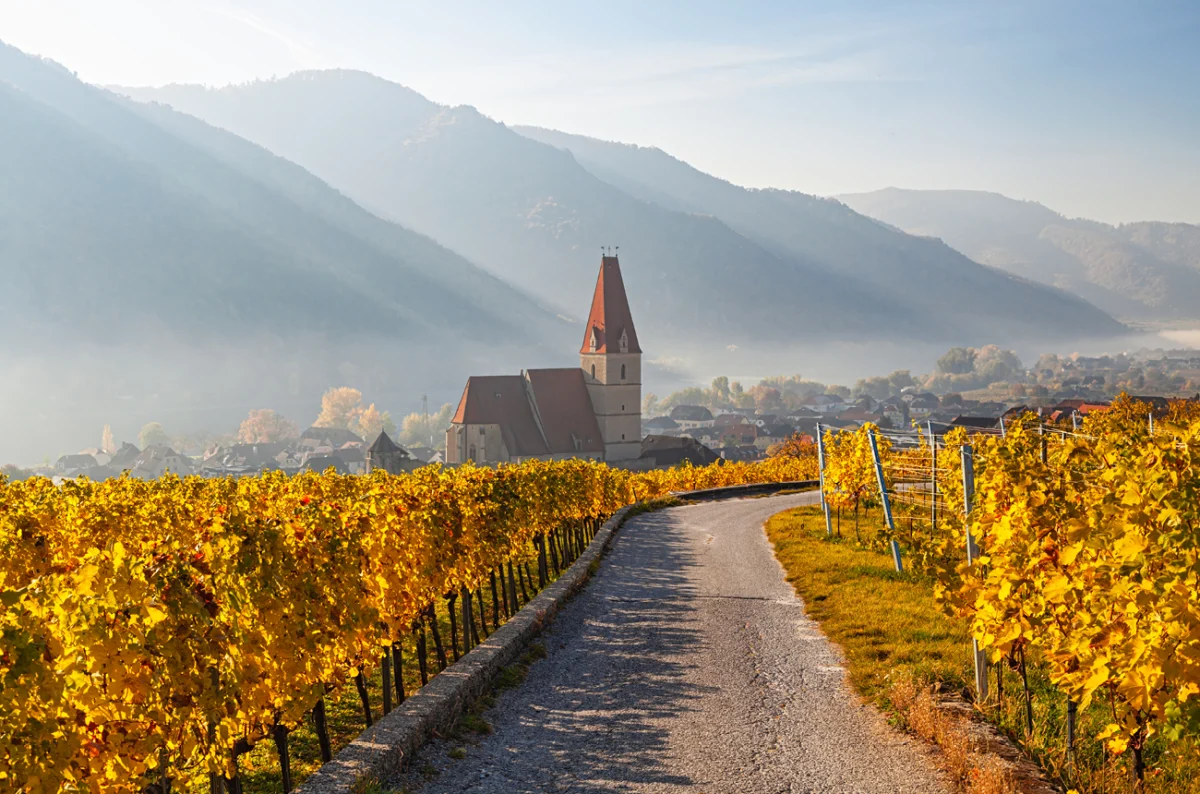
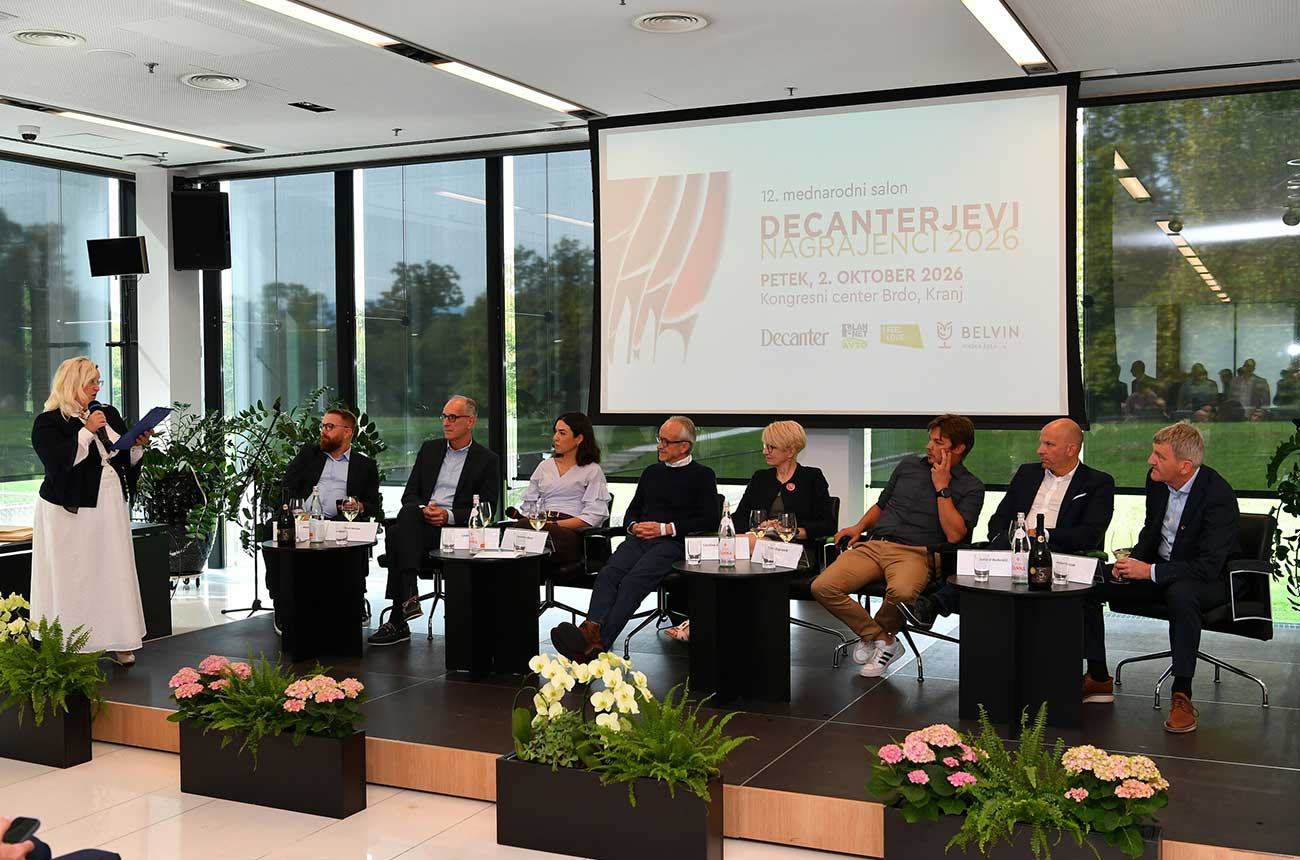
The global wine landscape is undergoing a profound transformation, shifting away from a Eurocentric focus on traditional powerhouse regions toward the vibrant, emerging terroirs of Central and Eastern Europe. This shift was vividly captured last week at the 12th annual Salon of Decanter medal winners, held at the prestigious Brdo Congress Centre in Slovenia. The event, which has become a hallmark of regional viticulture, served as a high-profile platform for over 45 producers from Slovenia, Serbia, Croatia, Montenegro, Bosnia and Herzegovina, Italy, and France to showcase the fruits of their labor from the 2026 Decanter World Wine Awards (DWWA).
A Confluence of Terroir and Talent
The Salon is more than a mere tasting; it is a critical intersection where trade professionals, sommeliers, and discerning consumers meet the architects of the region’s rising reputation. The event offered an unparalleled opportunity to explore the nuances of indigenous grape varieties—many of which are only now gaining international recognition—alongside masterful interpretations of global noble grapes.
The significance of the Salon lies in its ability to bridge the gap between niche local production and the global market. By placing medal-winning wines from the DWWA 2026 at the center of the stage, the event provided a benchmark for quality, proving that the Balkan and Central European regions are no longer just "up-and-coming," but are firmly established as producers of world-class, cellar-worthy wines.
Chronology of the 2026 Success Story
The journey to the Salon began months earlier during the rigorous judging process of the 2026 DWWA. The competition, widely regarded as the most influential in the world, saw a record-breaking surge in entries from the Balkan and Central European regions.
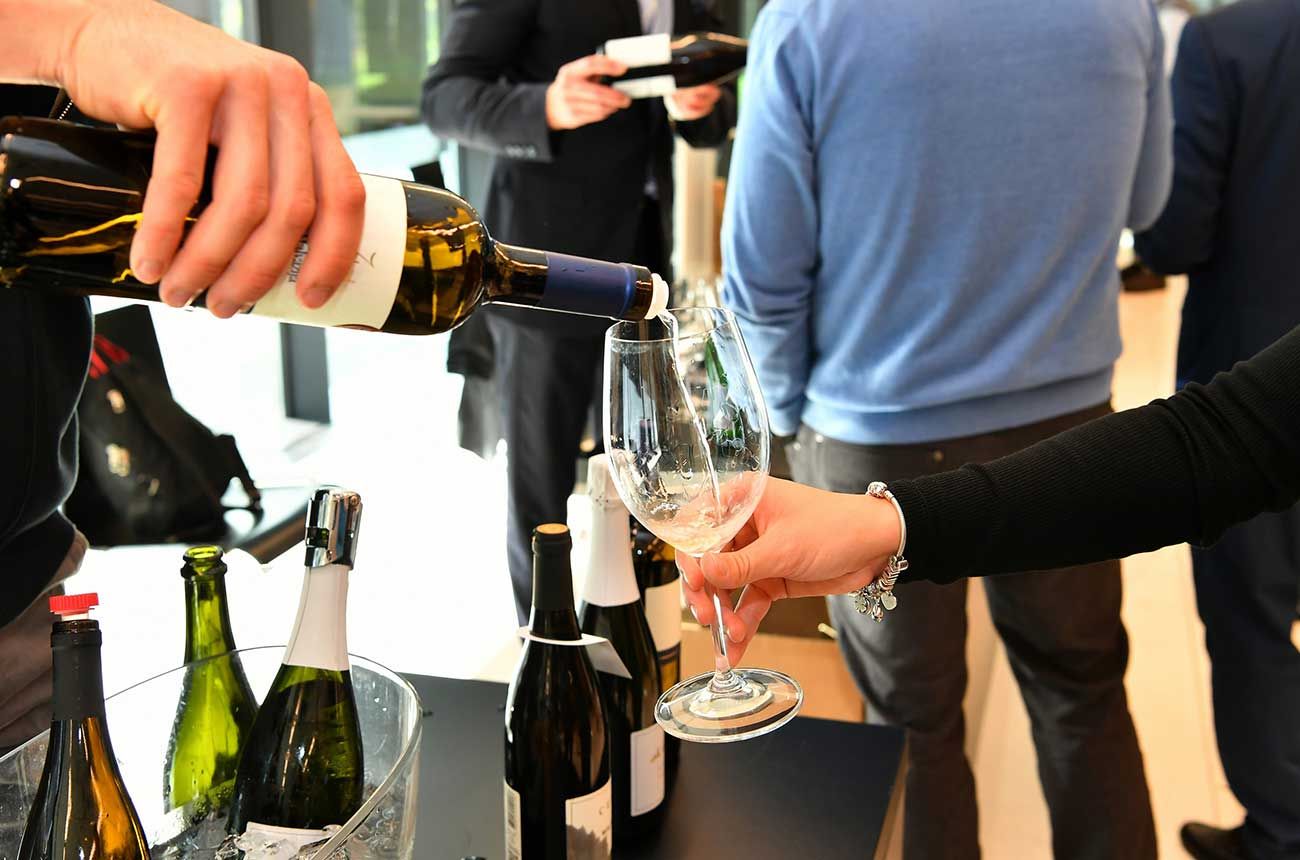
The event at the Brdo Congress Centre kicked off with a high-level press conference featuring industry heavyweights, including DWWA Co-Chair Andrew Jefford and Dr. Caroline Gilby MW, the Regional Chair for the Balkans, Central & Eastern Europe. Their presence underscored the importance the Decanter organization places on these regions.
Throughout the day, the schedule was packed with masterclasses and focused tastings. Attendees moved through the history of the region’s winemaking, from the historic, long-aged sweet wines of Slovenia to the modern, experimental reds emerging from the rugged terrains of Montenegro and Bosnia and Herzegovina. The day concluded with an awards ceremony, where producers were invited on stage to receive their certificates, a moment that served to highlight the human stories behind the bottles.
Supporting Data: The Rise in Numbers
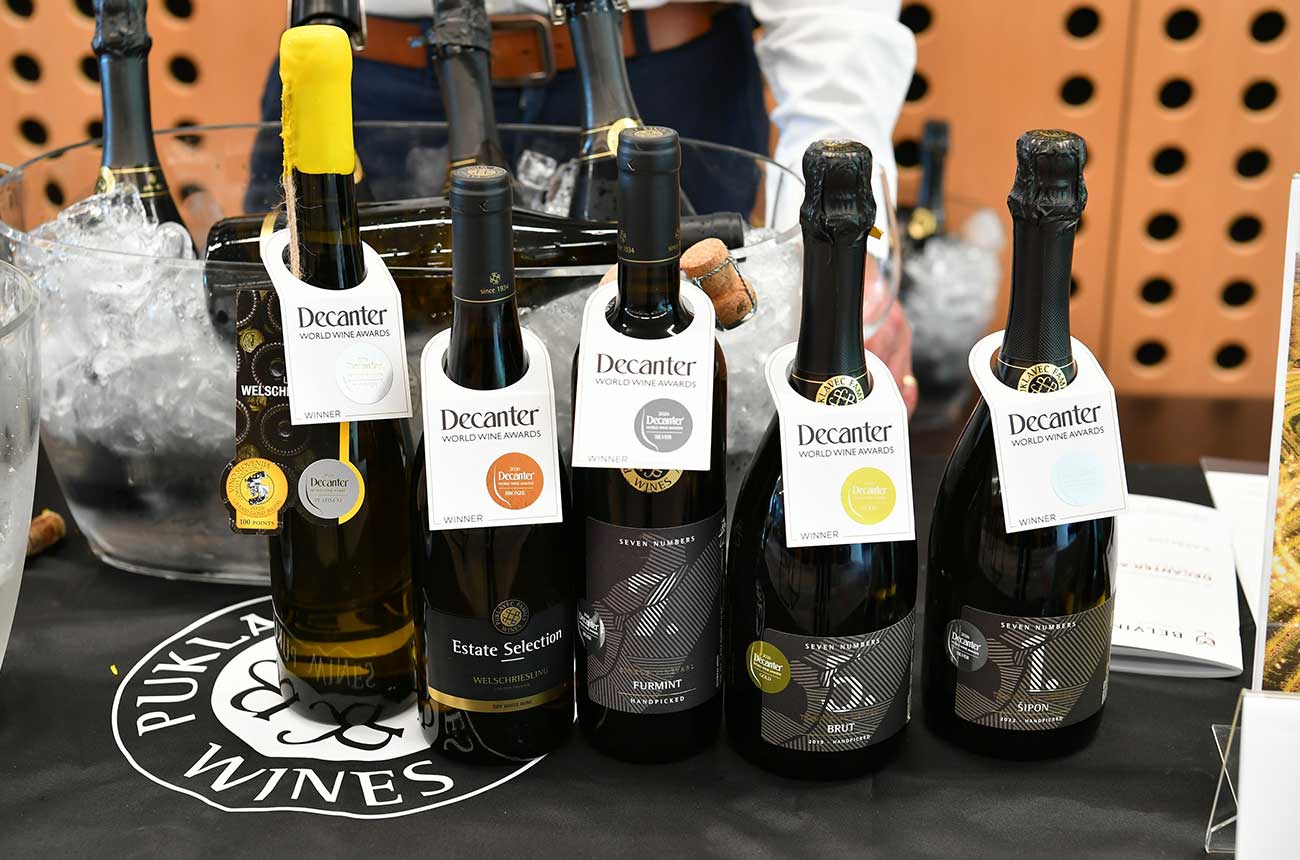
The statistical performance of these regions in the 2026 DWWA provides irrefutable evidence of a quality revolution. Slovenia, as the host nation, emerged as a standout, securing an impressive total of 202 medals. Among these were two highly coveted Platinum medals, one of which was awarded to the Puklavec Family Wines Welschriesling from 1993. This specific award served as a poignant reminder that Slovenian viticulture possesses both the depth of history and the technical precision to craft sweet wines that age with grace over decades.
Beyond Slovenia, the wider Balkan theater demonstrated immense strength:
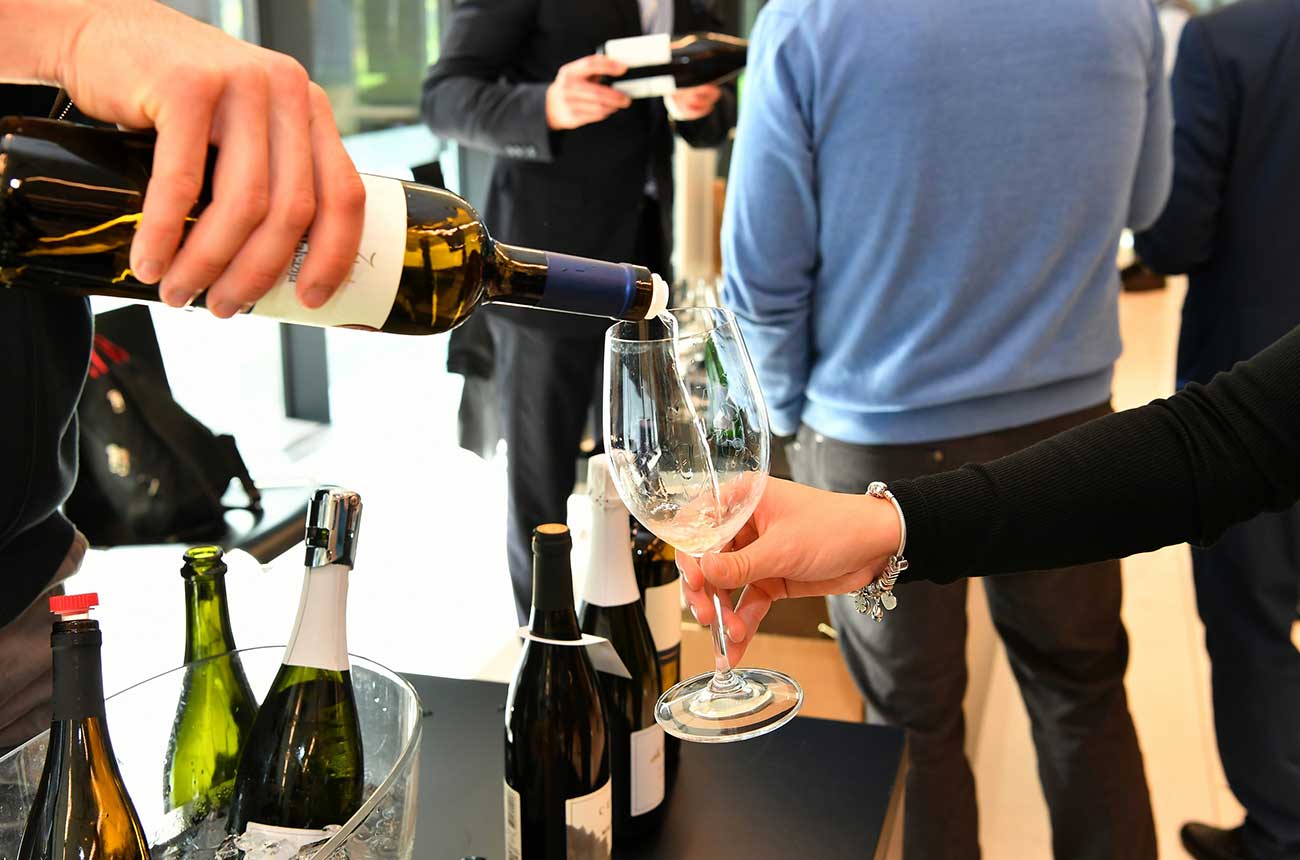
- Croatia: Secured 40 top-tier medals, marking a historic milestone with its first-ever "Best in Show" award for a Plavac Mali.
- Serbia: Claimed three Platinum and seven Gold medals, cementing its position as a powerhouse for both international and indigenous varietals.
- Regional Diversity: Montenegro and Bosnia and Herzegovina continued their upward trajectory, securing a robust collection of Gold, Silver, and Bronze medals, proving that quality is spreading across the entire peninsula.
These figures are not merely metrics of success; they are indicators of a profound shift in vineyard management, harvest selection, and cellar investment across the region.
Official Perspectives: Expert Voices
The success of the 2026 cohort was a central topic of discussion among the judges who attended the Salon. Andrew Jefford, whose role as Co-Chair provides him with a unique vantage point on the global wine industry, did not mince words regarding the region’s importance.
"The Decanter World Wine Awards acts as a super pillar in my working life," Jefford noted during the press briefing. "I look forward to the judging process each year specifically because it provides the chance to taste wines from regions that are moving at such a rapid, exciting pace. It is a rare privilege to witness a wine region in the midst of a renaissance."
Dr. Caroline Gilby MW, who has dedicated much of her career to studying the wines of Central and Eastern Europe, echoed this sentiment. She pointed out that the 2026 results were not an outlier, but rather the cumulative result of years of refinement. "Some of the things that have been particularly exciting, and are reflected in this year’s DWWA results, are the sheer quality of winemaking and seeing indigenous grapes from the region finally reaching global levels of recognition," she remarked.
For Gilby, the "connection to place" is the defining characteristic of these wines. By championing indigenous varieties—grapes that have evolved in tandem with the local soil and climate for centuries—these producers are finding their unique voice in a crowded global market.
Implications for the Future
The implications of the 2026 Salon extend far beyond the immediate celebration of medals. The event signals a maturation of the market. Historically, importers and distributors in Western Europe and North America have been hesitant to look toward the Balkans, citing inconsistent quality or lack of brand recognition.
However, the consistent success in the DWWA serves as an international seal of approval that mitigates risk for retailers and restaurateurs. By providing a forum like the Salon, organizers are effectively creating a bridge for trade, allowing producers to meet with distributors in a controlled, high-quality environment.
Furthermore, the rise of "native" wine tourism is likely to follow. As consumers discover the diversity of grapes like Plavac Mali, Welschriesling, and the various indigenous varieties of Serbia and Bosnia, the demand for wine tourism in these regions is expected to spike. The Brdo Congress Centre event, therefore, acts as an economic catalyst, promoting not just individual labels but entire wine-growing regions as premier travel destinations.
The Human Element: Producers at the Forefront
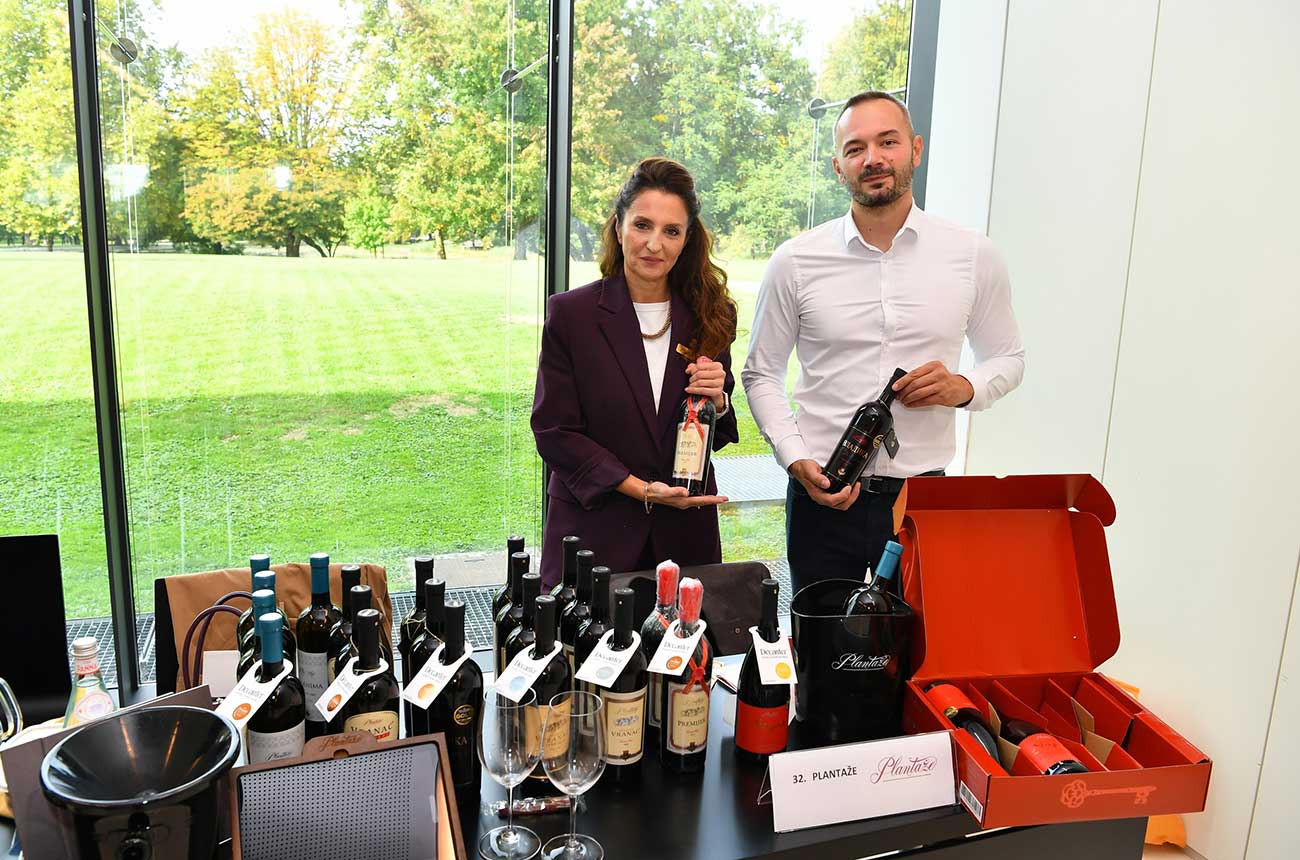
The Salon was defined by the direct interaction between the consumer and the producer. For the winemakers, the event was an opportunity to narrate their personal journeys. Whether it was the winemaker from the Tarpoš winery in Serbia discussing the mineral-driven intensity of their terroir or the representatives from Puklavec showcasing the patience required for a 1993 vintage, the stories were consistent: a commitment to authenticity.
This "human-centric" approach to marketing is crucial. In an age of mass-produced, industrial wine, the market is increasingly hungry for transparency and authenticity. The producers present at the Salon, by showcasing their indigenous grapes and traditional methods, are perfectly positioned to meet this consumer demand.
Conclusion: A New Chapter
As the curtains closed on the 12th Salon of Decanter medal winners, the message was clear: the wines of Slovenia and the broader Balkan region have arrived on the world stage. They bring with them a combination of deep historical roots, a willingness to innovate, and a dedication to expressing the unique character of their land.
The 2026 DWWA results are a testament to this evolution. With support from organizations like Decanter and the guidance of experts like Jefford and Gilby, these regions are not just competing; they are leading. For the wine enthusiast, the next decade promises to be an exciting era of discovery, as these once-hidden treasures become the centerpieces of wine lists and cellar collections worldwide.
For those looking to explore these award-winning wines, the path is now clearer than ever. By visiting the official search portals of the Decanter World Wine Awards and engaging with initiatives like the Belvin Wine School, consumers and trade professionals alike can continue to track the progress of these extraordinary producers. The 12th Salon was not merely a retrospective of 2026; it was a promise of what is yet to come.


 Layla Zulfa
 Evan Lee Salim