

 Azzam Bilal Chamdy
 Neng Nana
 Nana Muazin
 Dwi Wanna
 Raul Delapena Setiawan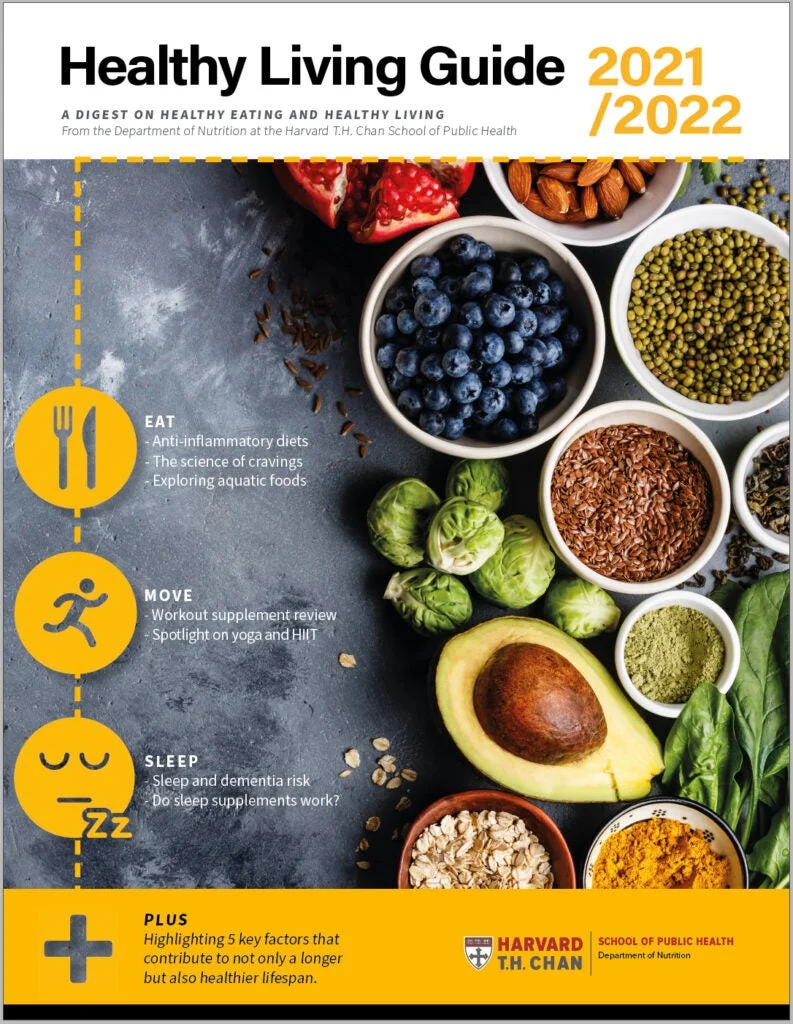
As we move further away from the initial shock of the 2020 global lockdowns, society finds itself in a state of perpetual transition. The "new normal" is no longer a temporary adjustment, but a complex tapestry of lingering pandemic habits woven together with a tentative return to pre-pandemic routines. For many, this shift has brought a necessary re-evaluation of personal health, dietary choices, and the fundamental pillars of well-being. To support this ongoing journey, the Harvard T.H. Chan School of Public Health has released its latest Healthy Living Guide, a resource designed to synthesize complex nutritional research into actionable daily habits.
Main Facts: The Evolving Landscape of Public Health
The core premise of the modern wellness landscape is adaptation. While 2020 was defined by abrupt, reactive changes—such as panic buying, erratic sleep schedules, and a sudden reliance on home-cooked meals—2021 and beyond have been characterized by a settling of these behaviors.
Public health experts note that while some of the most extreme coping mechanisms have subsided, the long-term impacts on lifestyle remain profound. The primary objective of the Healthy Living Guide is to provide a roadmap for individuals who are attempting to balance professional obligations, personal health, and the ongoing stressors of a global health crisis. The guide focuses on three non-negotiable pillars: high-quality nutrition, consistent physical activity, and restorative sleep. By centering these elements, the guide aims to empower readers to take agency over their health, even when the external environment feels volatile.
Chronology: The Shift in Consumer Behavior (2020–2022)
To understand where we are going, we must first look at the trajectory of our collective habits over the past few years.
- Early 2020: The Great Disruption. The onset of the COVID-19 pandemic triggered a massive shift in domestic life. With restaurants closed and stay-at-home orders in effect, home cooking saw an unprecedented surge, reaching 60% of households according to consumer surveys. Conversely, stress-induced snacking rose significantly, with 32% of Americans reporting an increase in unplanned, comfort-based eating.
- 2021: The Stabilization Phase. As the world began to cautiously reopen, the data reflected a "correction" of these extreme behaviors. Home cooking rates dropped to 47%, suggesting a return to convenience-based eating. Similarly, reports of "snacking more" plummeted to 18%, indicating a normalization of appetite and a reduction in pandemic-induced stress eating.
- 2022 and Beyond: Integrating Habits. The current phase is defined by the integration of health-conscious behaviors into a life that once again includes commuting, social obligations, and travel. The focus has shifted from "survival mode" to "sustainability," encouraging individuals to maintain the positive habits formed during lockdown while discarding the detrimental ones.
Supporting Data: Nutrition, Trends, and Disparities
Data provided by the International Food Information Council (IFIC) highlights that while the average consumer has returned to more "normal" habits, the health implications of the pandemic were not distributed equally.
The survey data serves as a sobering reminder of the socioeconomic realities of health. While the general population saw a decrease in "eating more in general" (down from 20% in 2020 to 11% in 2021), these numbers mask a widening gap in food security. Low-income households continue to struggle with access to fresh, nutritious food, a problem that the pandemic exacerbated rather than solved.
Furthermore, the data suggests that nutritional literacy remains a critical bottleneck. As consumers return to busier schedules, the temptation to rely on ultra-processed, calorie-dense foods has increased. The Healthy Living Guide addresses this by offering "printable tip sheets" that help individuals plan meals efficiently, ensuring that even on the busiest days, nutritional density is not sacrificed for convenience.
Official Responses and Global Implications
The global public health community remains hyper-focused on the intersection of personal wellness and macro-level disease management. The Harvard researchers emphasize that while personal healthy living is paramount, it is intrinsically linked to the broader vaccination effort.
"The emergence of new variants is a sobering reminder of the urgency for increased vaccination globally," the report notes. The implication here is two-fold:
- Individual Responsibility: Personal health—through diet and sleep—bolsters the immune system, which is a vital component of resilience.
- Global Equity: Public health cannot be achieved in isolation. The report explicitly calls for a focus on low- and lower-middle-income countries, arguing that until the entire global population has equitable access to vaccines, the "new normal" will remain perpetually interrupted by new outbreaks and variants.
This dual approach—focusing on the individual’s plate while advocating for global systemic change—is the cornerstone of modern public health philosophy.
Implications: Building a Sustainable Future
What does this mean for the average person looking to improve their health in the current climate? The implications of the current research suggest that we must move away from "quick-fix" dieting and toward a holistic lifestyle approach.
The Role of Sleep as a Foundation
Often the most overlooked aspect of health, sleep is treated as a core pillar in this year’s guide. The data is clear: lack of sleep is linked to impaired immune function, increased hunger hormones, and decreased willpower regarding food choices. Integrating a structured sleep schedule is the single most effective way to "reset" the body for the challenges of the workday.
Redefining "Active Living"
The pandemic proved that "active living" does not require a gym membership. Whether it is incorporating walking meetings, taking the stairs, or utilizing home-based bodyweight exercises, the goal is consistent, moderate activity. The guide stresses that the "all-or-nothing" mentality is a barrier to success. Instead, it encourages "habit stacking," where small bursts of movement are integrated into existing daily routines.
Nutritional Strategy: Quality Over Quantity
As cooking at home has declined from its 2020 peak, the risk of consuming highly processed foods has risen. The guide provides essential strategies for "mindful convenience." This includes:
- Batch Prepping: Utilizing weekends to prepare staple proteins and vegetables.
- The Plate Method: Prioritizing vegetables and whole grains to ensure that even quick meals are balanced.
- Label Literacy: Understanding what "healthy" actually means on food packaging to avoid marketing traps.
How to Utilize the Healthy Living Guide
For those looking to deepen their understanding, the Healthy Living Guide is not merely a document to be read once and discarded. It is designed to be a functional tool.
The inclusion of printable tip sheets allows individuals to track their progress, create grocery lists, and set concrete goals. Furthermore, the "test your knowledge" section provides an interactive way to engage with the material. By revisiting the concepts found in the 2020-2021 editions, readers can see how far they have come and identify areas where they may have backslid.
The guide is available for download, and its various chapters are linked to the Harvard Nutrition Source’s broader database of peer-reviewed articles. This allows readers to dive deeper into specific topics, such as the science of intermittent fasting, the benefits of plant-based proteins, or the latest research on gut health.
Conclusion: A Commitment to Long-Term Well-being
As we navigate the ongoing twists and turns of the pandemic era, the importance of maintaining a healthy lifestyle has never been more apparent. The transition from the acute crisis of 2020 to the lingering uncertainty of today has challenged our resilience, but it has also provided us with the opportunity to redefine what it means to live well.
The Healthy Living Guide serves as an essential companion in this pursuit. By focusing on evidence-based practices, recognizing the importance of global health equity, and encouraging the adoption of sustainable, daily habits, we can move beyond the "new normal" and toward a future where health is a priority, not an afterthought.
Whether you are a student, a professional, or a parent balancing multiple roles, the path to better health is paved with small, consistent actions. As you move through the year, remember that you do not need to be perfect to be healthy. You simply need to be consistent, informed, and proactive. We invite you to download the guide, share its resources with your community, and join us in committing to a healthier, more fulfilling year ahead.
For more information and to access the full suite of resources, visit the Harvard T.H. Chan School of Public Health – The Nutrition Source.


 Nila Kartika Wati
 Iffa Jayyana
