

 Lina Hope
 Iffa Jayyana
 Lina Irawan
 Ammar Sabilarrohman
 Ali Ikhwan
 Dwi Wanna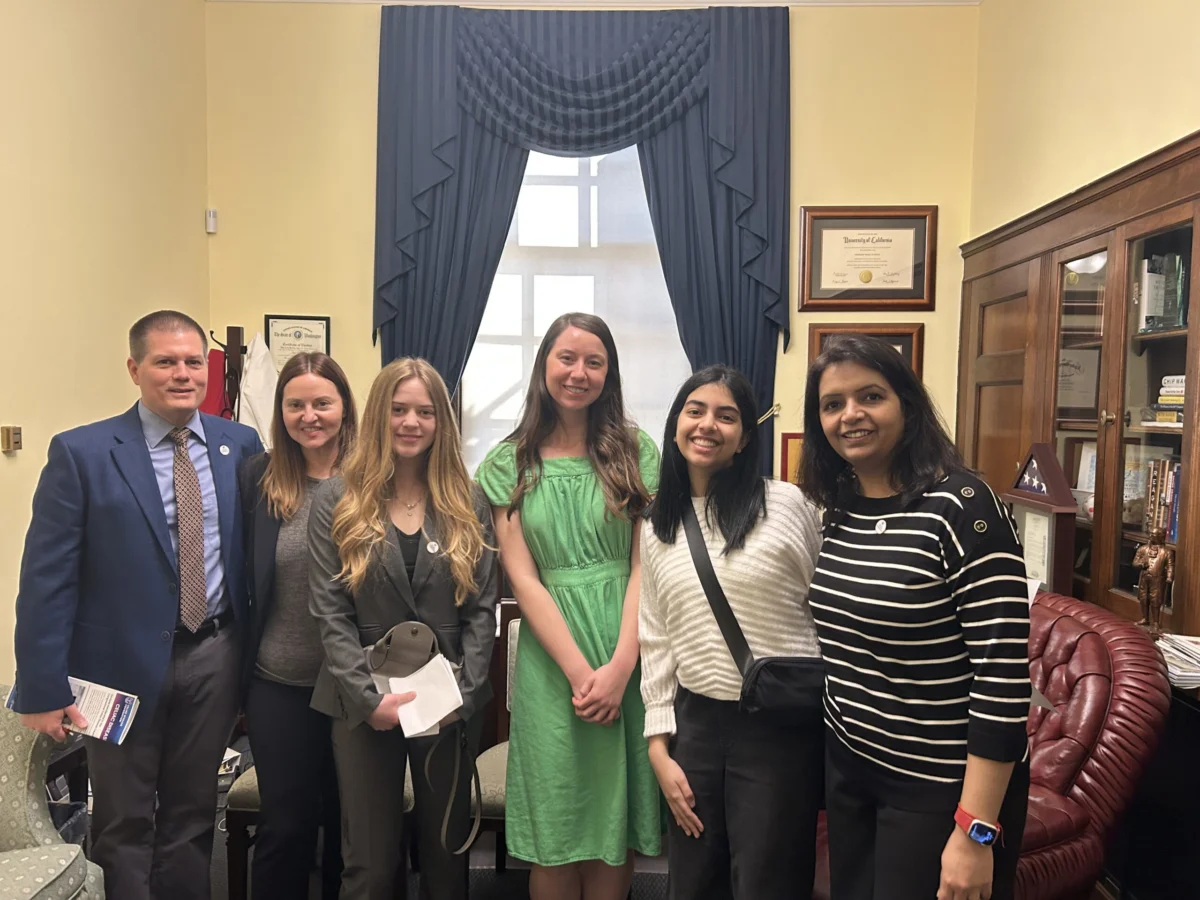
In the landscape of public health advocacy, progress is often measured in policy shifts, research grants, and legislative hearings. Yet, the most potent catalyst for change remains the human story. For the Celiac Disease Foundation (CDF), the mission to secure better outcomes for millions of patients rests heavily on the shoulders of individuals willing to step forward and share their lived experiences. Among these emerging voices, 16-year-old Aadya S. of Sammamish, Washington, has become a beacon of what is possible when youth, intellect, and personal conviction intersect.
A Legacy of Lived Experience
Aadya’s journey with celiac disease—a serious autoimmune condition where the ingestion of gluten leads to damage in the small intestine—began at age five. Over the past eleven years, she has transitioned from a child navigating the daily rigors of a strict gluten-free diet to a seasoned advocate for legislative reform.
Her advocacy is not merely academic; it is deeply rooted in the daily frustrations of living with a condition that remains widely misunderstood. Whether it is the lack of safe, cross-contamination-free options in school cafeterias or the persistent social stigma that dismisses celiac disease as a “lifestyle preference,” Aadya has faced the systemic barriers that millions of Americans contend with daily. Her transition from personal management to community leadership was cemented when she joined the Seattle Children’s Celiac Youth Leadership Council (CYLC), a move that allowed her to channel her frustrations into tangible project management and peer-to-peer advocacy.
The Path to Washington: A Chronology of Impact
Aadya’s trajectory toward national advocacy was accelerated by a high-stakes essay contest hosted by the Seattle Children’s Celiac Disease Program. The prize: a trip to the nation’s capital to participate in the Celiac Disease Foundation’s Advocacy Summit and Hill Day.
The Winning Narrative
Aadya’s entry was twofold, reflecting both the urgency of the patient experience and the maturity of a budding policy analyst. In her first essay, she detailed the harsh reality of food insecurity within the celiac community. She highlighted the “safety tax”—the reality that gluten-free alternatives often cost twice as much as their gluten-containing counterparts, effectively forcing lower-income families to gamble with their health due to financial constraints. She argued that safe food is a fundamental human right, not a luxury item, and called for mandatory cross-contamination training and rigorous enforcement of existing food safety protections.
Her second essay showcased a broader understanding of governance. Drawing on her previous work in mental health advocacy and her testimony regarding the risks of AI companion chatbots in Washington State, she demonstrated a sophisticated grasp of how to engage elected officials. She argued that the same techniques used in tech regulation and mental health could—and should—be applied to the medical advocacy required for celiac disease.
The Hill Day Experience
The Advocacy Summit in Washington, D.C., served as the proving ground for these ideas. Aadya described the experience as a turning point, noting that the exposure to the broader community provided a stark perspective on the disparity of diagnosis. "One of the most eye-opening parts was hearing how many people had gone undiagnosed for many decades before finally receiving answers," she noted.
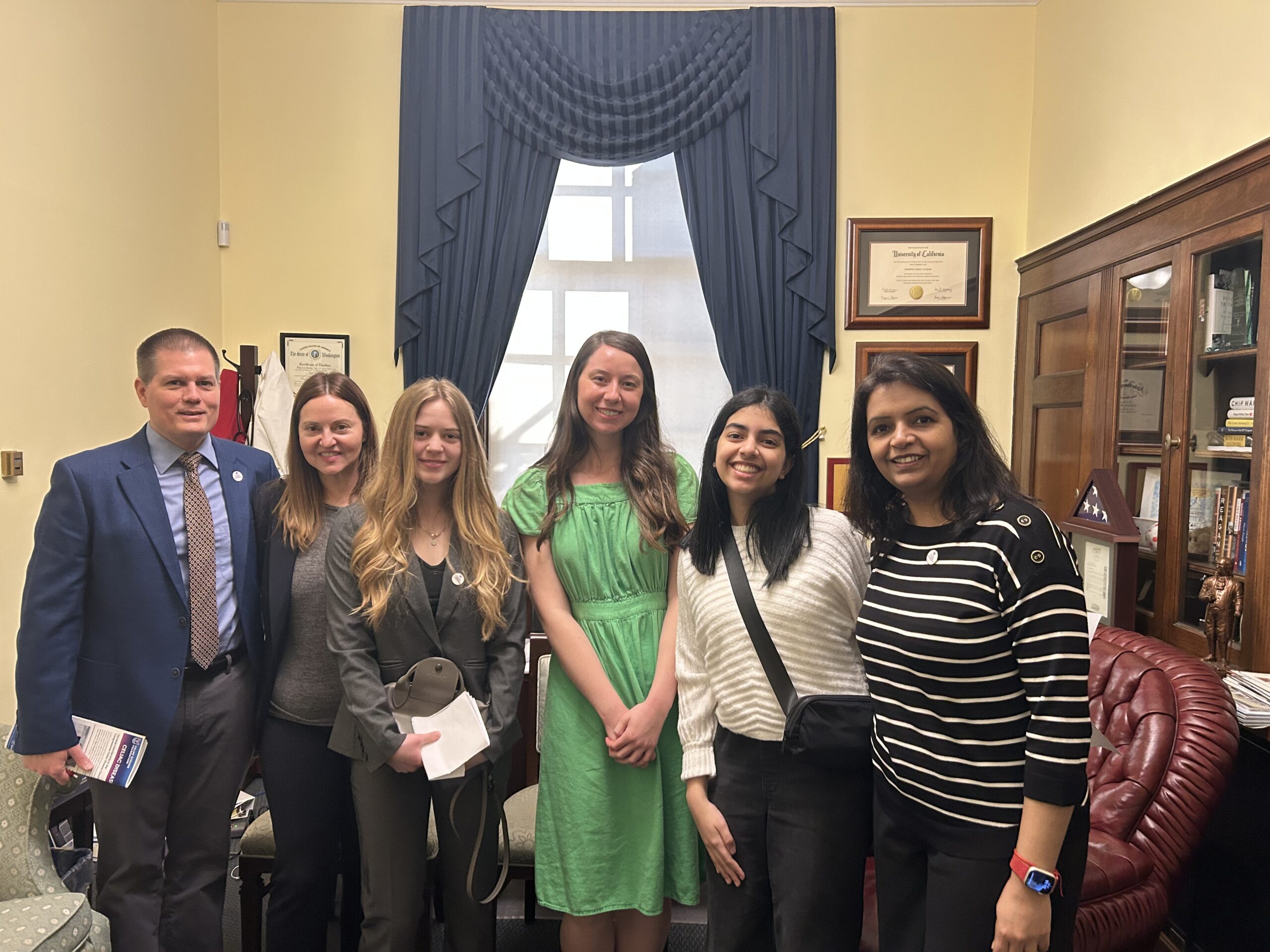
A highlight of her time in D.C. was an encounter with a staff member in a Washington State Representative’s office. The staffer, who also lives with celiac disease, provided an immediate, visceral connection to the cause. The meeting underscored a vital truth: that legislative change is often sparked by the resonance between a policymaker’s personal world and the testimonies of their constituents.
Supporting Data: The Scope of the Crisis
To understand why Aadya’s advocacy is so critical, one must look at the data surrounding celiac disease. Despite being one of the most common autoimmune conditions, it remains significantly underdiagnosed.
- Prevalence: It is estimated that approximately 1% of the global population has celiac disease, yet the vast majority of cases go undiagnosed or misdiagnosed for years.
- The Economic Burden: Beyond the “safety tax” mentioned by Aadya, the indirect costs of the disease—including frequent doctor visits, potential hospitalizations from accidental ingestion, and the long-term health risks of untreated autoimmune inflammation—are staggering.
- Legislative Needs: Current advocacy efforts, such as those supported by the Celiac Disease Foundation, are focused on the Medical Nutrition Therapy Act, which seeks to improve access to specialized care, and the Congressional Celiac Disease Caucus, which aims to unify federal efforts toward research and awareness.
Official Responses and the Value of Patient Voice
The Celiac Disease Foundation (CDF) has lauded Aadya’s contributions, emphasizing that her presence at the Summit was not just symbolic but functional. When organizations approach legislators, they are often armed with statistics and clinical data. However, as the CDF points out, those numbers lack the emotional gravity that a personal story provides.
"By sharing your experience authentically, you can help others recognize why change is needed," Aadya explains. This perspective is echoed by policy experts who note that "lived experience" testimony is often the primary driver for committee chairs and representatives when they decide which bills to prioritize. The CDF believes that by empowering youth advocates like Aadya, they are building a pipeline of future leaders who can navigate the complex intersections of health policy and public awareness.
The Implications: Moving Toward Systemic Change
The implications of Aadya’s work—and the broader movement she represents—are significant. Her passion centers on three key pillars:
- Normalization of Safety: Moving away from the "pick around the croutons" mentality and toward standardized, mandatory safety protocols in food service.
- Affordability and Equity: Treating gluten-free staples as essential, subsidized medical nutrition rather than boutique consumer goods.
- Educational Reform: Improving the baseline knowledge in public spaces—schools, hospitals, and restaurants—to ensure that celiac disease is treated with the same medical gravity as a life-threatening nut allergy.
Aadya’s story serves as a reminder that advocacy is not a pursuit reserved for experts in lab coats or lobbyists in suits. It is an act of storytelling. When a 16-year-old explains to a federal representative that she has had to choose between hunger and a potential health crisis, the abstraction of "healthcare policy" becomes a human imperative.
Looking Ahead
As Aadya continues her education and her advocacy, her message to her peers is one of radical honesty. She emphasizes that the most difficult parts of one’s story—the moments of shame, the instances of being misunderstood, and the physical toll of the disease—are often the exact pieces that trigger empathy in others.
The Celiac Disease Foundation remains committed to supporting this new generation of voices. As they continue to push for the Medical Nutrition Therapy Act and increased federal funding for celiac research, they are doing so with the knowledge that they are not just fighting for a policy change; they are fighting for a future where young people like Aadya can live without the constant, exhausting vigilance that has defined her childhood.
For those inspired by her journey, the message is clear: the system is designed to respond to the people it serves, but only if those people speak up. Whether through writing, testifying, or simply sharing a story with a local representative, every voice adds to the pressure needed to turn the tide on this systemic health challenge. Aadya S. has shown us that at sixteen, you don’t have to wait for the world to change; you can be the one to change it.
If you or someone you know has an advocacy story to share, the Celiac Disease Foundation encourages you to reach out to their team at [email protected]. Your voice is a critical component of the ongoing effort to transform the lives of those affected by celiac disease.


 Asep Darmawan
