

 Dwi Wanna
 Nana Wu
 Muslim
 Reynand Wu
 Ammar Sabilarrohman
 Nana
Nana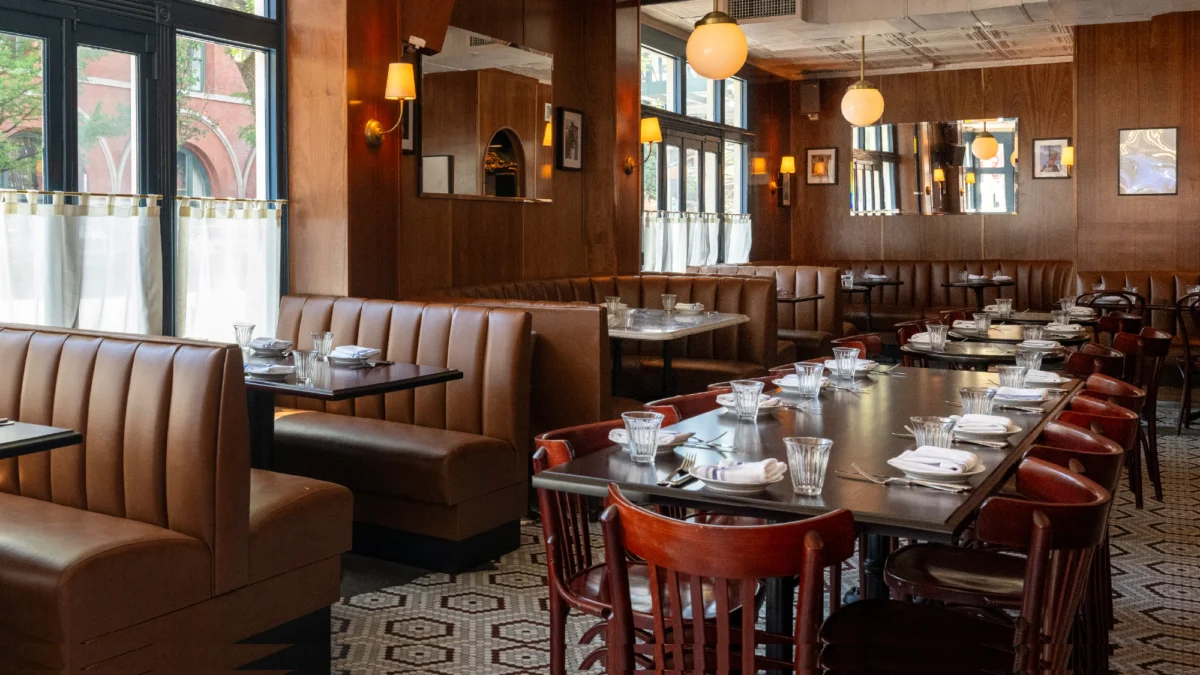
In the volatile ecosystem of New York City’s hospitality industry, the lifespan of a restaurant is often measured not in decades, but in the ability to adapt to a shifting landscape. For restaurateur Cody Pruitt, the journey from the meteoric rise of Libertine to the strategic launch of his latest venture, Capitaine, offers a masterclass in the realities of modern dining. In the latest episode of The Buildout, host Adam Teeter sits down with Pruitt to dissect the transition, the philosophy of longevity, and the hard lessons learned in the pursuit of a neighborhood staple.
The Meteoric Rise and Inevitable Cooling of Libertine
When Cody Pruitt unveiled Libertine, the restaurant industry took notice. Positioned as an accessible yet elevated French-leaning bistro, it quickly transcended the status of a neighborhood haunt to become a bona fide "destination" restaurant. The acclaim was immediate and widespread, with critics and food influencers alike championing its sophisticated simplicity.
Central to its identity was the now-legendary saucisse-purée. The dish—a masterclass in rustic comfort—became a viral sensation, anchoring the menu and drawing lines that stretched down the block. For a time, Libertine was the hardest reservation to secure in Manhattan. However, as any seasoned operator knows, the "hype cycle" is a double-edged sword. While initial fervor generates revenue and brand equity, it also sets an unsustainable bar for day-to-day operations.
Three years into its run, the reality of the post-pandemic dining landscape began to set in. The novelty had worn off, the headlines had shifted, and the dining room, once packed with enthusiasts eager for their first taste of the saucisse-purée, began to see gaps in its service charts. The challenge shifted from managing demand to maintaining relevance.
Chronology of a Transformation
The decision to close a successful, albeit cooling, concept is one of the most agonizing choices a founder can make. It is a process of balancing ego against economics.
- Year 1 (The Honeymoon Phase): Libertine enjoys massive critical success. The team focuses on scaling operations to meet overwhelming demand. The brand is synonymous with "must-visit" status.
- Year 2 (The Plateau): The initial rush of novelty begins to stabilize. The team experiments with seasonal menu changes, but the market expectation for the "classics" remains rigid.
- Year 3 (The Assessment): Pruitt observes a shift in consumer habits. Regulars are finding it harder to justify a return visit amidst a crowded field of new openings. The overhead of maintaining the Libertine concept outweighs the thinning margins of a "destination" spot.
- The Pivot: Pruitt makes the difficult decision to shutter Libertine. Rather than a total overhaul, he chooses to evolve, retaining the soul of the space while reimagining the service model, atmosphere, and culinary focus under the new banner: Capitaine.
Supporting Data: The Economics of the "Destination" Trap
Pruitt’s struggle is not an outlier; it is a symptom of a broader economic shift in urban dining. Data from industry analysts suggests that restaurants categorized as "destination dining" often struggle with customer retention compared to "neighborhood regulars."
Destination restaurants rely on the "event" factor—consumers travel across boroughs or state lines for a specific experience. When that novelty fades, the business model often lacks a local base to fall back on. Conversely, restaurants that prioritize "frequency of visit" over "virality" tend to see more consistent year-over-year growth.
Pruitt realized that to build a legacy, he needed to stop chasing the "once-in-a-lifetime" customer and start courting the "once-a-week" neighbor. This realization was the catalyst for Capitaine. The new concept is designed specifically to lower the barrier to entry, offering a menu and atmosphere that encourages repeat patronage rather than grand, one-off celebrations.
Official Perspectives: The Philosophy of Starting Over
In his conversation with Adam Teeter, Pruitt is remarkably candid about the emotional toll of the transition. "Starting over is never just about changing a menu," Pruitt explains. "It’s about re-evaluating your relationship with your guests. You have to ask yourself: are they coming back because they want to eat, or because they want to be seen?"
Pruitt emphasizes that the success of a restaurant isn’t found in the viral dish, but in the consistency of the hospitality. By stripping away the pressure of being a "hot spot," Capitaine aims to foster a more intimate, sustainable connection with the neighborhood.
"The goal with Capitaine," Pruitt notes, "is to create a space that feels like a second home. We learned that the restaurant industry isn’t just about the food you serve; it’s about the frequency with which you can welcome a guest through the door without them feeling like they need a special occasion to justify the bill."
Implications for the Future of NYC Dining
The transition from Libertine to Capitaine highlights a broader trend: the "normalization" of the New York dining scene. As the market reaches a saturation point, the era of the hyper-hyped, flash-in-the-pan restaurant may be giving way to a resurgence of the "honest" neighborhood establishment.
1. The Death of the "Event" Restaurant
Operators are increasingly wary of becoming "TikTok famous." While the short-term exposure is massive, the long-term pressure to maintain an impossible aesthetic and service standard often leads to burnout and, eventually, closure.
2. The Return of the Regular
Pruitt’s move signals a strategic shift toward recurring revenue. By simplifying operations and focusing on approachable, high-quality fare, restaurants are positioning themselves as utilities of the neighborhood rather than luxury commodities.
3. Sustainability in Sourcing and Operations
As highlighted by partners like Farmer’s Gin—which emphasizes regenerative, organic grain and family-farmed ingredients—the modern consumer is increasingly discerning about what is in their glass and on their plate. The shift toward sustainable, transparent supply chains is no longer a "nice-to-have"; it is a foundational requirement for restaurants that want to maintain credibility with a sophisticated, eco-conscious clientele.
Conclusion: A Lesson in Resilience
Cody Pruitt’s story is a testament to the grit required to operate in one of the world’s toughest culinary markets. By acknowledging the limitations of his initial success and having the courage to pivot toward a more sustainable model, he has positioned himself for long-term growth.
For those watching the industry, the lesson is clear: success is not defined by the length of the line outside the door on opening night, but by the comfort of the regular who walks in on a Tuesday night six months later. Capitaine is not just a new name on a door; it is a refined strategy for longevity in a city that is always hungry for the next big thing, but secretly craves a place that stays the same.
To hear more about the operational challenges and the creative vision behind the transition, listen to the full episode of The Buildout on Apple Podcasts or Spotify.
This article was brought to you by Farmer’s Gin. Committed to regenerative, organic grain and sustainable farming, Farmer’s Gin provides a versatile, high-quality base for the classic cocktails that define the modern bar experience. Learn more at farmersgin.com.

 Iffa Jayyana
