

 Azzam Bilal Chamdy
 Neng Nana
 Nana Muazin
 Dwi Wanna
 Raul Delapena Setiawan
 Ammar Sabilarrohman
In the world of fine wine, longevity is usually measured in decades, but in the cellars of Germany’s most dynamic producers, it is measured in generations. There is an unwritten rule among the ranks of "Generation Riesling"—a collective that has fundamentally reshaped the global perception of German viticulture since its inception in 2006. Once you cross the threshold of 35, you are, by the group’s own definition, "out." You have aged out of the organization, passed the baton to a younger cohort, and moved on from the collective that arguably saved the reputation of German wine in international markets.
This curious "expiration date" serves a specific purpose: it keeps the collective hungry, radical, and perpetually focused on the future. However, as I discovered during an extensive tour of six Generation Riesling domains in the early summer of 2026, the irony of this youth-focused mandate is that it is built entirely on the foundations of ancient tradition.
Main Facts: A Collective Defined by Transition
Generation Riesling was founded in 2006 by the German Wine Institute (DWI) as a marketing and networking initiative. At the time, the German wine industry was suffering from a lingering "Liebfraumilch hangover"—a perception in the UK and US markets that German wine was largely mass-produced, sugary, and lacking in terroir-driven sophistication.
The mission of the group was simple yet audacious: to highlight the young, ambitious winemakers who were crafting dry, high-acid, site-specific Rieslings that could compete with the world’s most prestigious white wines. By creating a temporary club for those under 35, the organization ensured that the voice of the industry remained fresh. Today, the collective acts as a incubator for the next generation of German Winzer, providing them with a platform for networking, export support, and shared technical knowledge.
Chronology: From Stagnation to Global Renascence
The evolution of Generation Riesling tracks closely with the broader modernization of the German wine industry over the last two decades.
- 2006: Generation Riesling is founded. The primary goal is to shift the narrative in the UK market, where German wine sales had stagnated.
- 2008–2012: The "Dry Revolution" takes hold. Members of the group begin emphasizing Trocken (dry) styles, moving away from the sweeter profiles that defined the export market of the 1980s and 90s.
- 2015: The group expands its reach into the US and Asian markets, leveraging social media and direct-to-consumer events.
- 2020–2022: Despite the global pandemic, members of the collective lean into digital wine tasting and precision viticulture, gaining significant market share as global consumers turn toward lower-alcohol, high-acid white wines.
- 2026 (The Present): The organization marks its 20th anniversary. It remains the largest association of young winemakers in the world, with over 500 members across all 13 German wine-growing regions.
Supporting Data: The Weight of Heritage
During my visit in June 2026, I sought to understand the "youth" of the group in the context of history. What I found was a fascinating contradiction. While the individuals were young, the estates were deeply rooted in history.
The newest domain I visited was run by the third generation of the family; the oldest was under the stewardship of the 13th generation. This demographic reality challenges the common perception that "young wine" is the product of "young companies." Instead, these winemakers are the inheritors of centuries of soil knowledge, cellar techniques, and regional reputations.
Consider the following data points gathered from the six estates:
- Family Tenure: The average age of the family businesses visited was 164 years.
- Estate Size: The average holding size was 18 hectares, signaling a move toward boutique, high-quality production rather than industrial scale.
- Demographic Vitality: At four of the six wineries, toddlers were present, indicating that these estates are not just businesses but family homes. One head winemaker was in the final trimester of her second pregnancy. This "fecundity" is not incidental—it is the bedrock of the German wine industry’s long-term sustainability.
Official Responses: The Philosophy of the "Cut-Off"
Why the age 35 cut-off? I spoke with representatives from the German Wine Institute to understand the rationale behind this strict limit.
"The goal is not to discriminate against the experienced," one spokesperson noted. "The goal is to ensure that the collective remains an incubator. If we allowed members to stay indefinitely, the group would lose its edge. It would become an establishment, rather than a movement. By forcing members to ‘graduate’ at 35, we ensure a constant influx of new ideas, new energy, and new technologies."
The winemakers themselves seem to embrace this fleeting nature. "There is a sense of urgency," one 32-year-old vintner explained. "You have a limited window to represent this group. It makes you want to prove yourself, to push the boundaries of what a Riesling can be before your time is up."
Implications: The Future of the Riesling Brand
The success of Generation Riesling has profound implications for the global wine trade.
1. The Normalization of Dry Riesling
The collective has successfully shifted the global standard for Riesling. By promoting dry, complex, and mineral-driven wines, they have forced retailers and sommeliers to reconsider the "sweet" stigma. The market data reflects this: dry Riesling now dominates the premium export segment from Germany.
2. Technological Integration
Because these winemakers are young, they are early adopters of technology. From satellite imagery to map vine vigor to the use of AI in predicting harvest windows based on localized weather patterns, the members of Generation Riesling are at the forefront of the "Smart Viticulture" movement.
3. Sustainability and Climate Adaptation
Perhaps the most critical implication is the approach to climate change. With temperatures rising, German winemakers are finding their vineyards in the sweet spot for viticulture. The Generation Riesling members are actively experimenting with canopy management and water retention techniques, ensuring that their 13th-generation estates will remain viable for the 14th and 15th generations.
4. The Joy of Continuity
There is a palpable sense of joy in these cellars. It is an industry that blends the gravity of ancestral duty with the playfulness of youth. When a winemaker greets you with a child on their hip, it changes the nature of the conversation. It shifts the focus from "quarterly results" to "legacy." The wine is no longer just a product; it is a bridge between the past and the future.
Conclusion: A Model for Global Wine
As I left the last of the six domains, the sun setting over the terraced slopes of the Mosel, the brilliance of the Generation Riesling model became clear. It is not an organization that seeks to replace the old with the new. Rather, it is a mechanism that allows the old to be reborn through the new.
The industry has learned that the best way to honor a 13th-generation estate is not to treat it as a museum, but to hand it over to a 30-year-old with a vision. By maintaining a group that is constantly turning over—a group that remains forever young—the German wine industry has ensured that its most historic commodity remains its most vibrant.
In an era where many industries are struggling with aging workforces and a lack of succession planning, Germany’s Generation Riesling offers a template for success. It reminds us that tradition is not about keeping the ashes, but about passing the flame. And as long as there are winemakers under 35 ready to take up that torch—and toddlers running through the cellars to ensure the next generation is waiting in the wings—the future of Riesling is not just secure; it is radiant.


 Layla Zulfa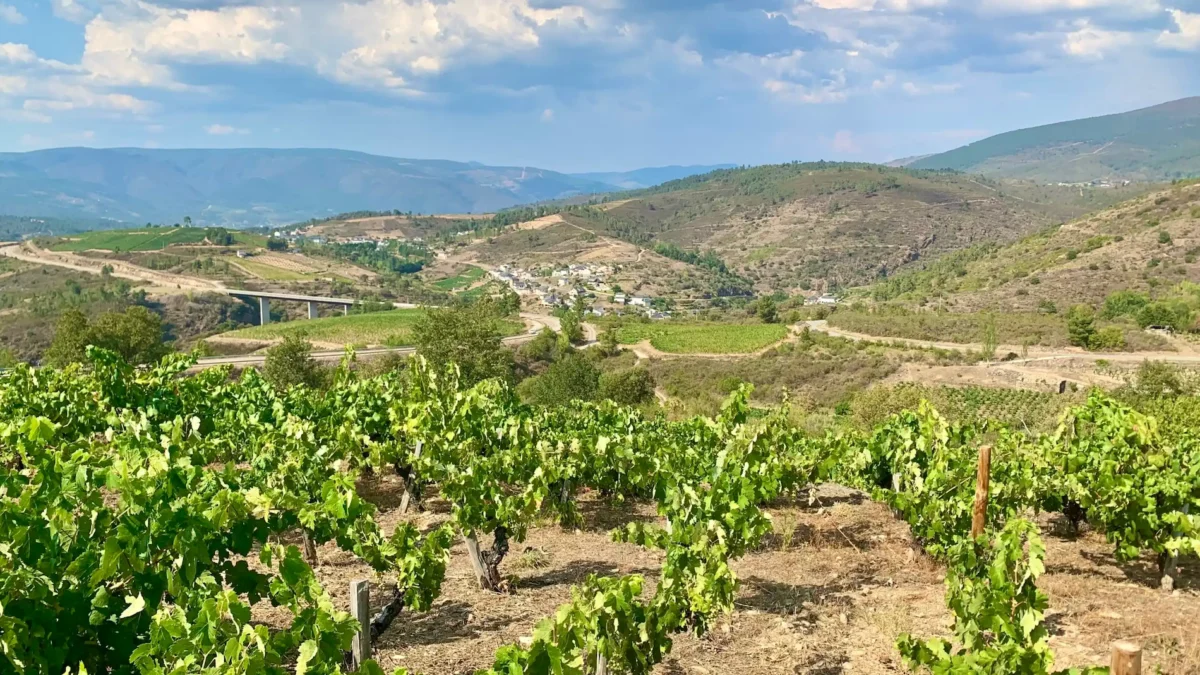
 Evan Lee Salim