Nana Wu
 Muslim
 Reynand Wu
 Ammar Sabilarrohman
 Suro Senen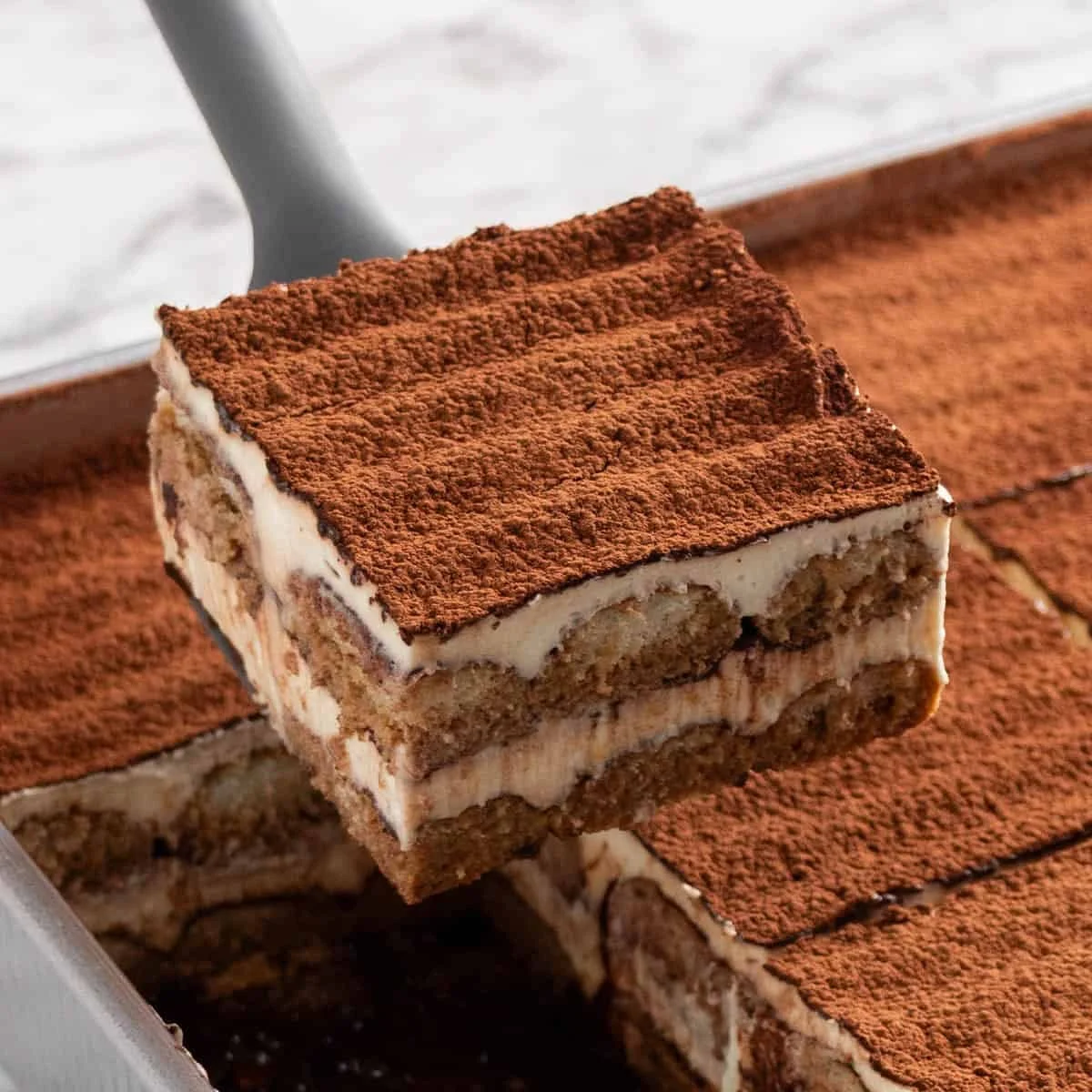
Tiramisu—a name that literally translates to "pick me up"—stands as one of the most recognizable and beloved desserts in the global culinary lexicon. A harmonious marriage of bitter espresso, delicate sponge, and velvet-smooth mascarpone, it is the quintessential Italian comfort food. However, in the professional kitchen and the home pantry alike, the definition of a "perfect" tiramisu is a subject of constant evolution. Nick Makrides, the acclaimed pastry chef and force behind The Scran Line, has recently unveiled a modern, refined take on this classic, challenging traditionalist boundaries to achieve a lighter, more ethereal result.
The Evolution of a Classic: Defining the Modern Approach
At its heart, the traditional tiramisu is a study in simplicity. It relies on the interplay of three primary components: coffee, biscuits, and a mascarpone-based cream. Historically, the dessert was designed to utilize ingredients that were readily available, focusing on raw eggs and strong, punchy espresso to create a flavor profile that could cut through the richness of the cheese.
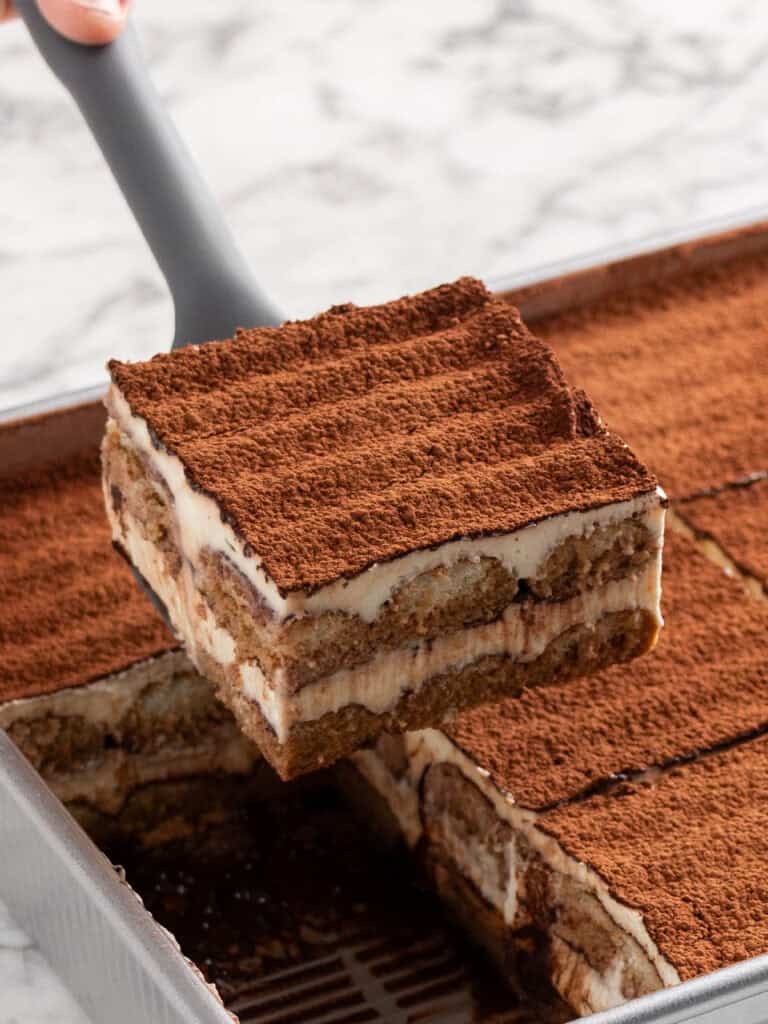
However, modern interpretations—such as the one championed by Makrides—often diverge from the strictly traditional. While purists argue that the addition of heavy cream (or whipping cream) alters the structural integrity of the dessert, proponents of the modern style suggest it creates a more stable, less "greasy" mouthfeel. By incorporating whipped cream into the mascarpone base, the dessert achieves a heightened level of aeration, transforming the traditional heavy, spoonable pudding into a structured, sliceable, and sophisticated masterpiece.

Chronology: From Testing to Perfection
The journey to creating a superior tiramisu is rarely a linear process. Makrides’ recent project highlights a rigorous testing phase, focusing on the variables that define the success of the dish: the choice of biscuit, the method of coffee extraction, and the stabilization of the cream.
1. The Biscuit Dilemma
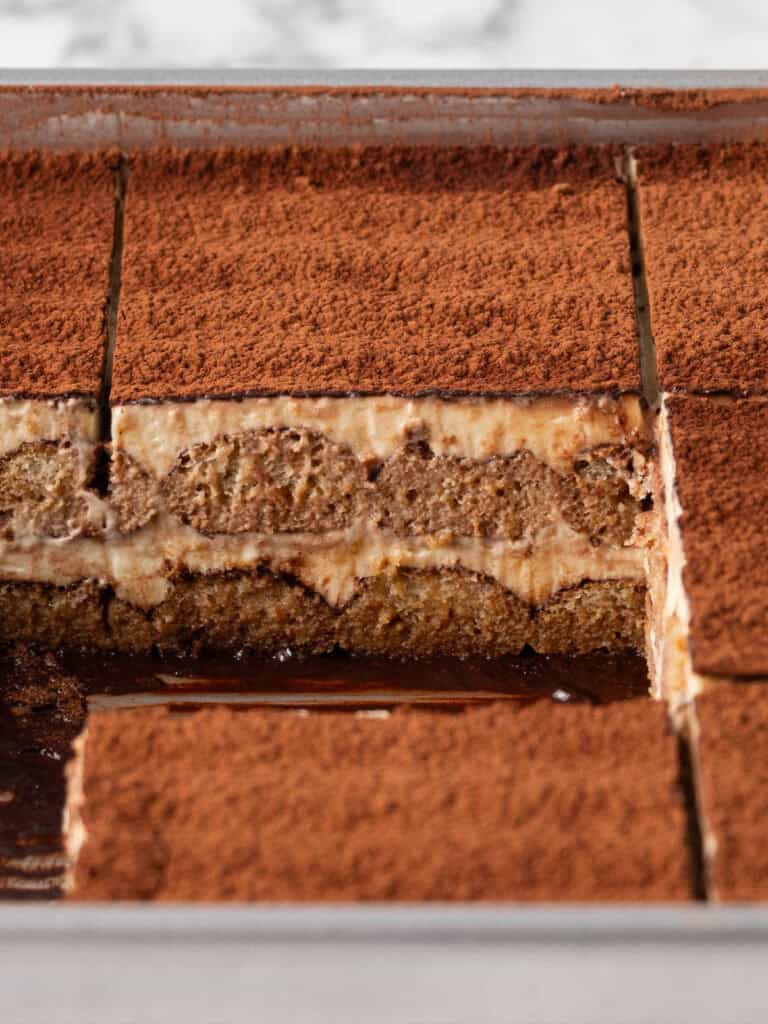
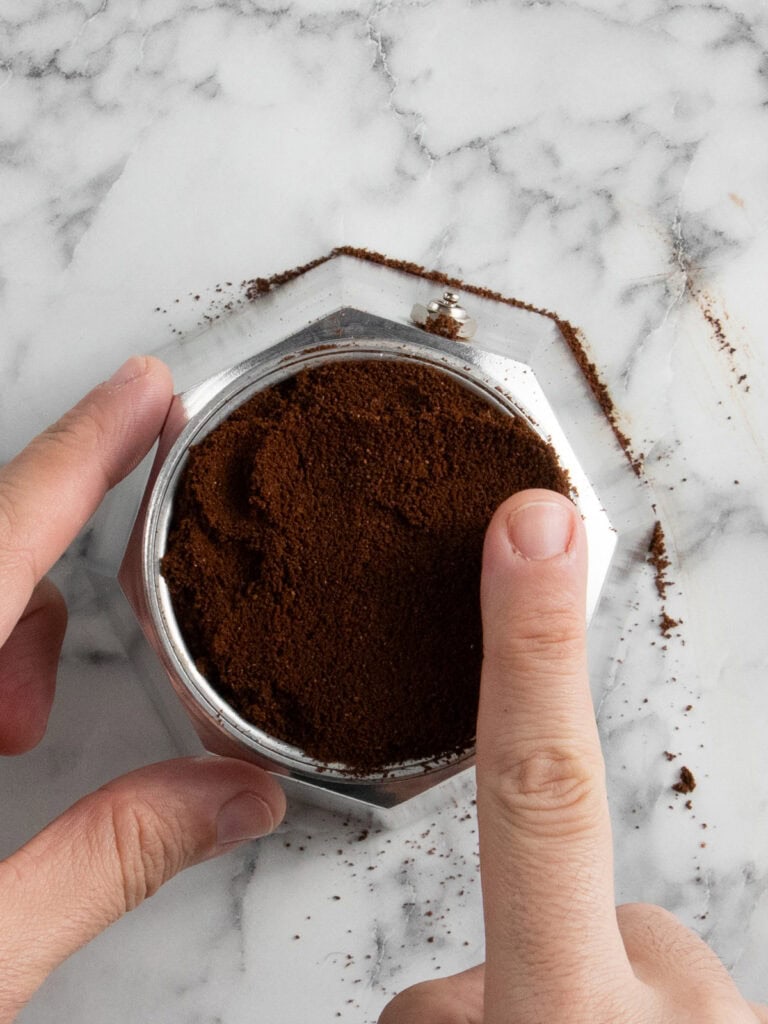
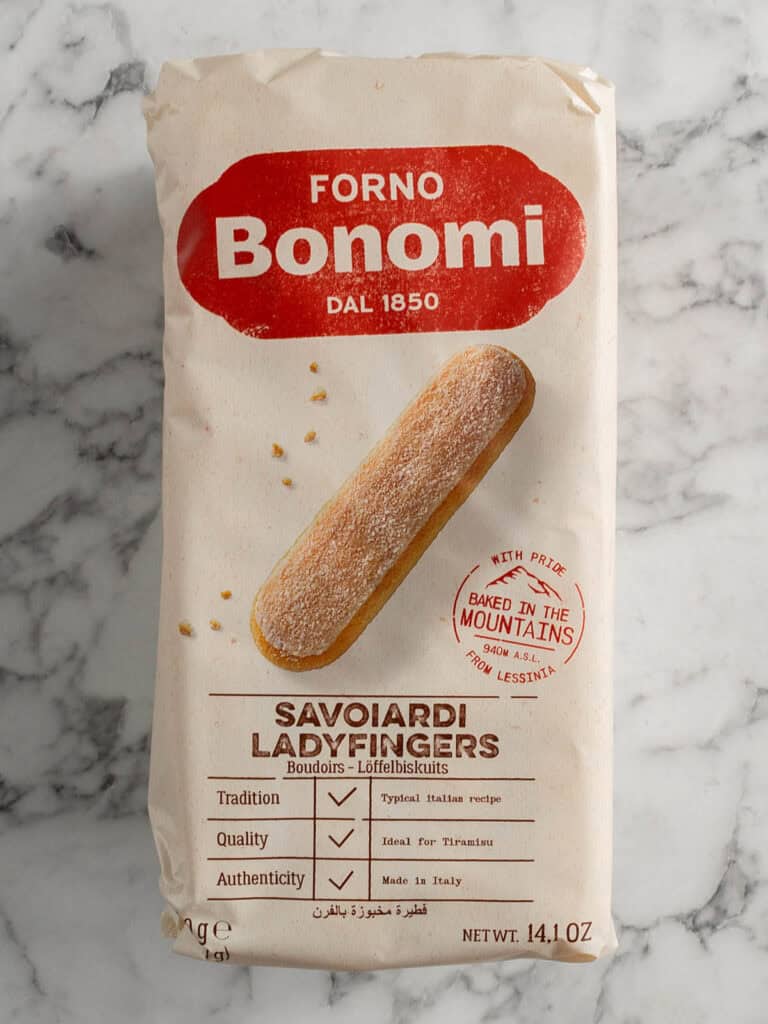
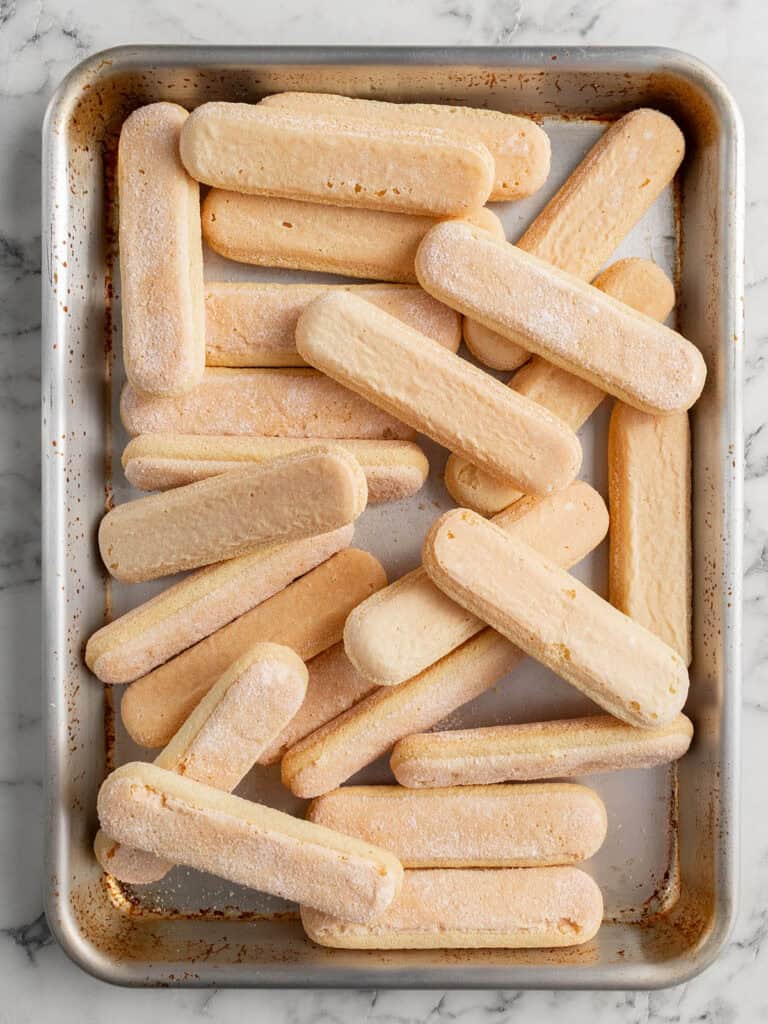
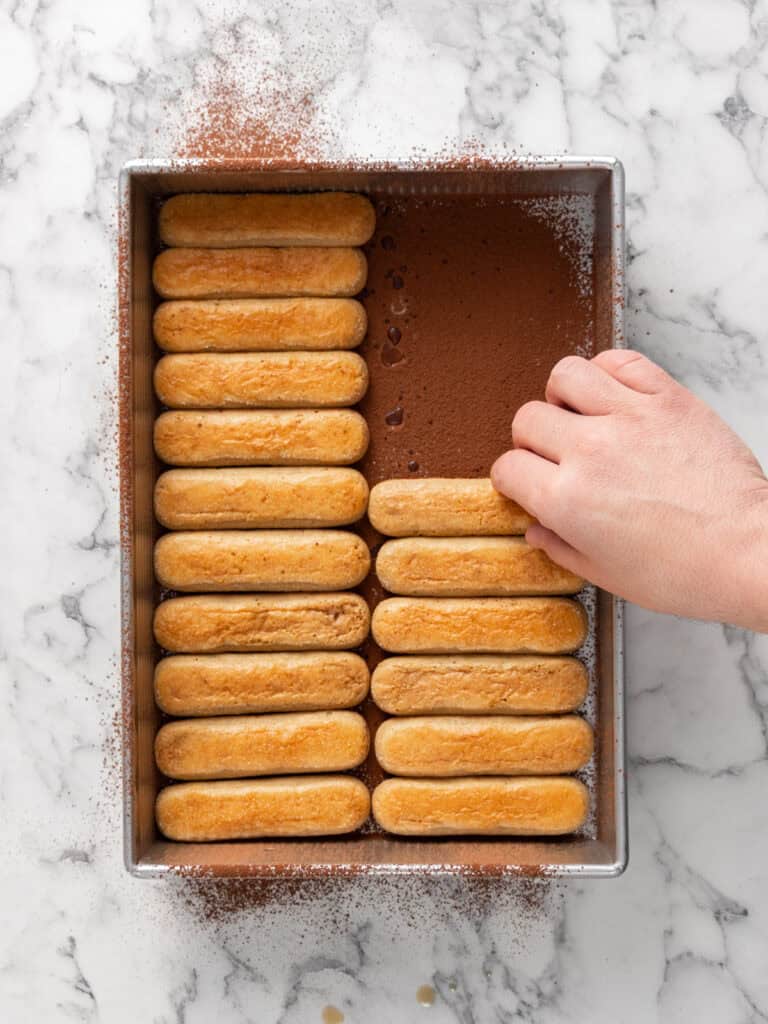
Initial research often gravitates toward the romantic notion of "homemade." In his trials, Makrides experimented with crafting artisanal sponge fingers (Savoiardi). Paradoxically, his findings indicated that store-bought, mass-produced biscuits were superior for this specific application. The reason is structural: store-bought biscuits are significantly drier than their homemade counterparts. This lack of moisture allows them to act as a sponge, absorbing the espresso-syrup mixture without disintegrating into mush. The result is a consistent texture that retains a "cake-like" bite, even after resting for 24 hours.
2. The Espresso Standard
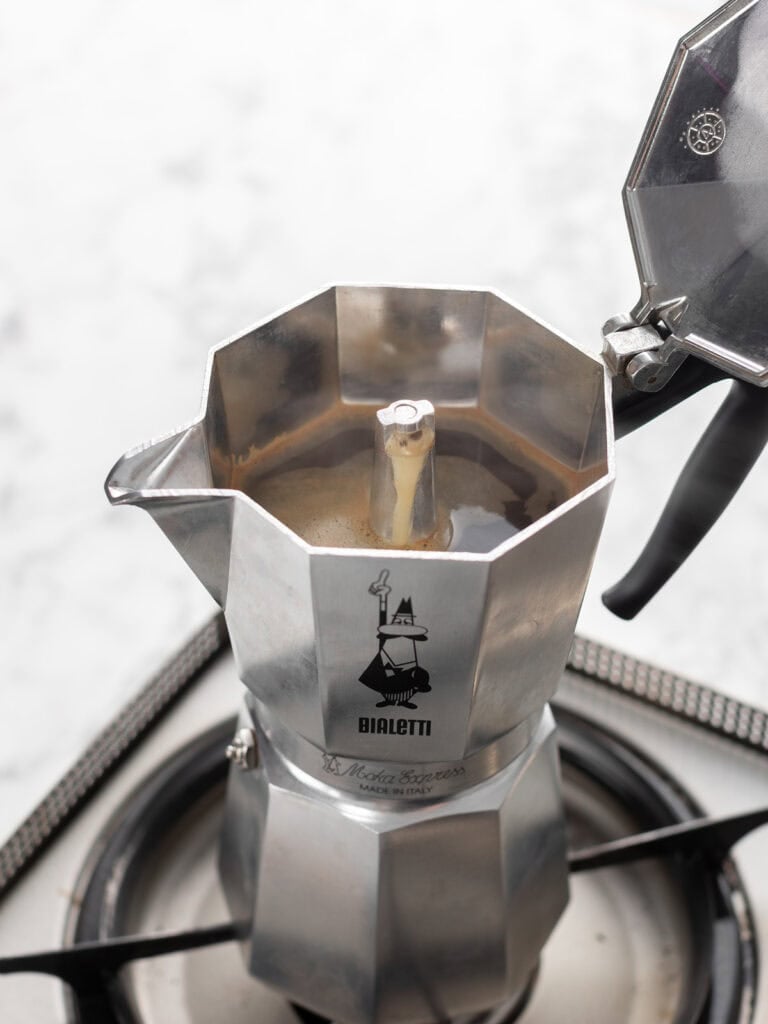
The coffee component is non-negotiable. While instant coffee provides a caffeine kick, it lacks the depth of flavor required to stand up to the richness of the dairy. Following consultations with Italian culinary traditionalists, the consensus remains clear: the cafetera (moka pot) is the essential tool. The high-pressure, concentrated extraction provided by the moka pot delivers a robust, earthy profile that is the hallmark of an authentic tiramisu experience.
3. The Cream Stabilization
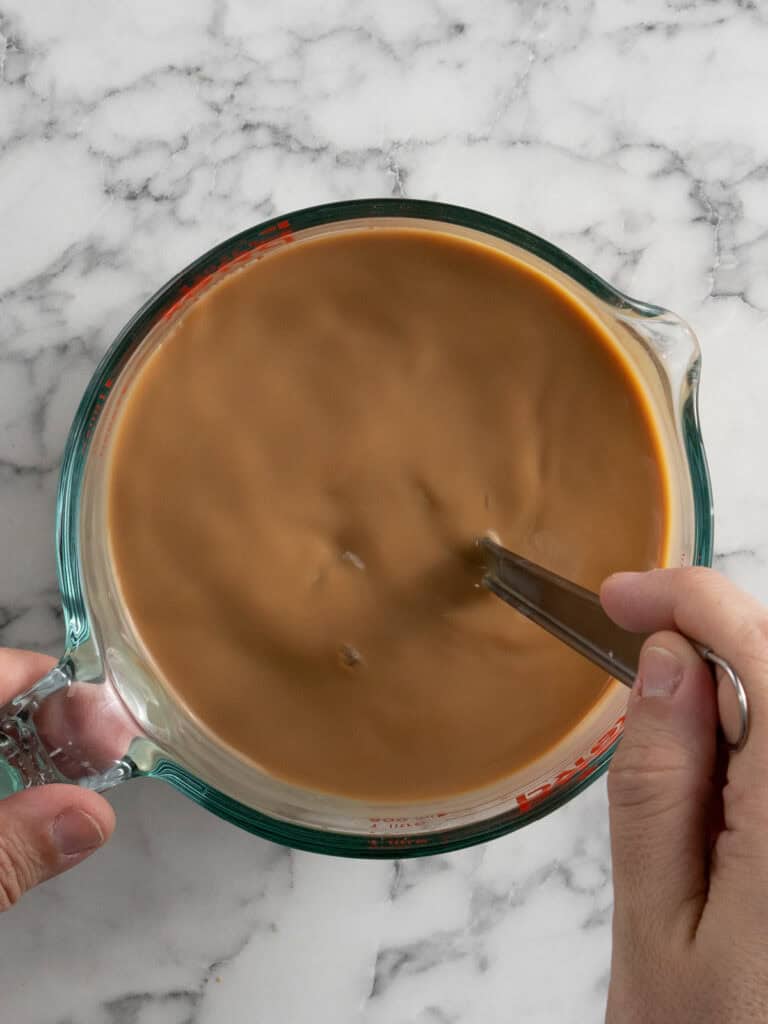
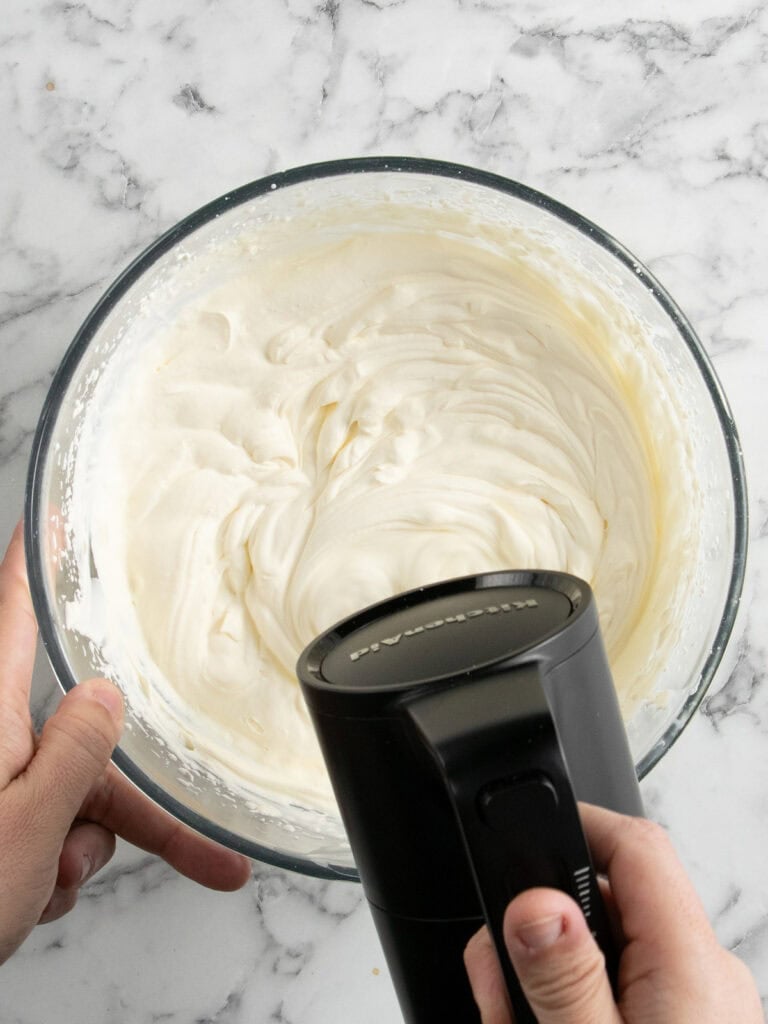
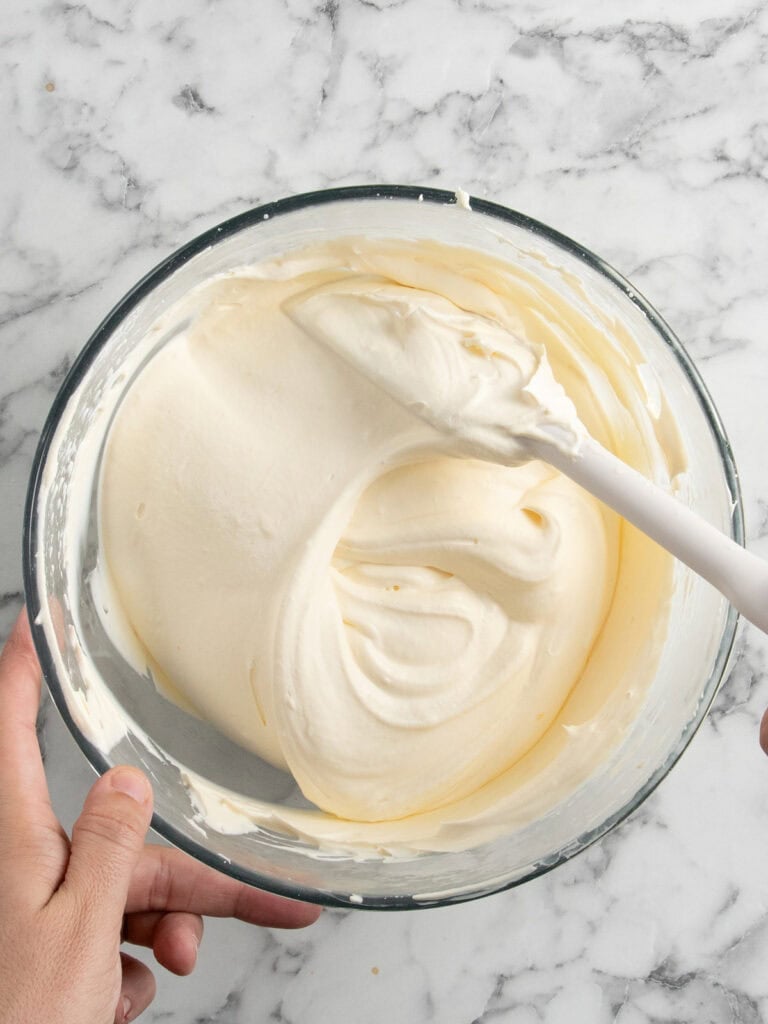
The final phase of the development involved the chemistry of the mascarpone layer. To ensure the dessert holds a clean, professional-looking slice—a feature often lacking in homemade versions—the cream must reach "stiff peaks." By combining cold mascarpone with high-quality heavy cream and folded egg yolks, the mixture achieves a delicate balance between decadence and structure.
Supporting Data: The Science of the Soak
The most common failure point in tiramisu production is the "soak." If the biscuits are too dry, the dessert lacks the necessary coffee infusion; if they are over-saturated, the dish loses its structural integrity.
Data from the testing phase suggest a specific methodology for success:
- The Dip Test: One should never soak the entire batch blindly. By testing a single biscuit—dipping it once and allowing it to rest for five minutes—the baker can gauge the absorption rate of the specific brand being used.
- The Goal: The ideal state is for the syrup to penetrate the biscuit, leaving the center slightly firm, much like a sponge cake.
- The Syrup Composition: While tradition dictates pure espresso, the addition of a small amount of milk to the syrup can temper the bitterness of the coffee, creating a smoother transition between the layers.
Professional Insights and Official Considerations
The use of raw eggs is perhaps the most debated aspect of the dish. Traditional recipes utilize raw yolks to provide the signature richness that binds the mascarpone. From a food safety perspective, raw eggs carry a risk of salmonella. However, for those concerned with health standards—particularly in commercial settings or when serving the immunocompromised—there is a viable alternative: pasteurization.

Pasteurizing eggs at home is a simple process of heating the egg mixture to a specific temperature (usually around 160°F/71°C) without scrambling the eggs. This provides the peace of mind necessary to serve the dish to children, the elderly, or pregnant guests without sacrificing the traditional flavor profile that raw yolks provide.
Implications for the Home Baker
The primary implication of this modern, enriched approach to tiramisu is the shift toward "pre-planning." Because the flavors of the coffee and cocoa require time to permeate the layers, the dessert is, by necessity, a make-ahead dish. The "resting period"—ideally 12 to 24 hours in the refrigerator—is when the chemical melding of ingredients occurs.
This requirement for patience actually serves as an advantage for the home host. By completing the assembly the day before a gathering, the baker ensures that the dessert will be at its peak texture and flavor upon service. It also facilitates the "clean slice" technique; when the tiramisu is fully chilled, the use of a large, sharp knife (wiped clean between slices) allows for a presentation that rivals any high-end patisserie.
Tips for Success:
- Uniformity: Use a baking dish with straight sides and consistent dimensions (such as a 9×13 inch pan) to ensure the layers are uniform.
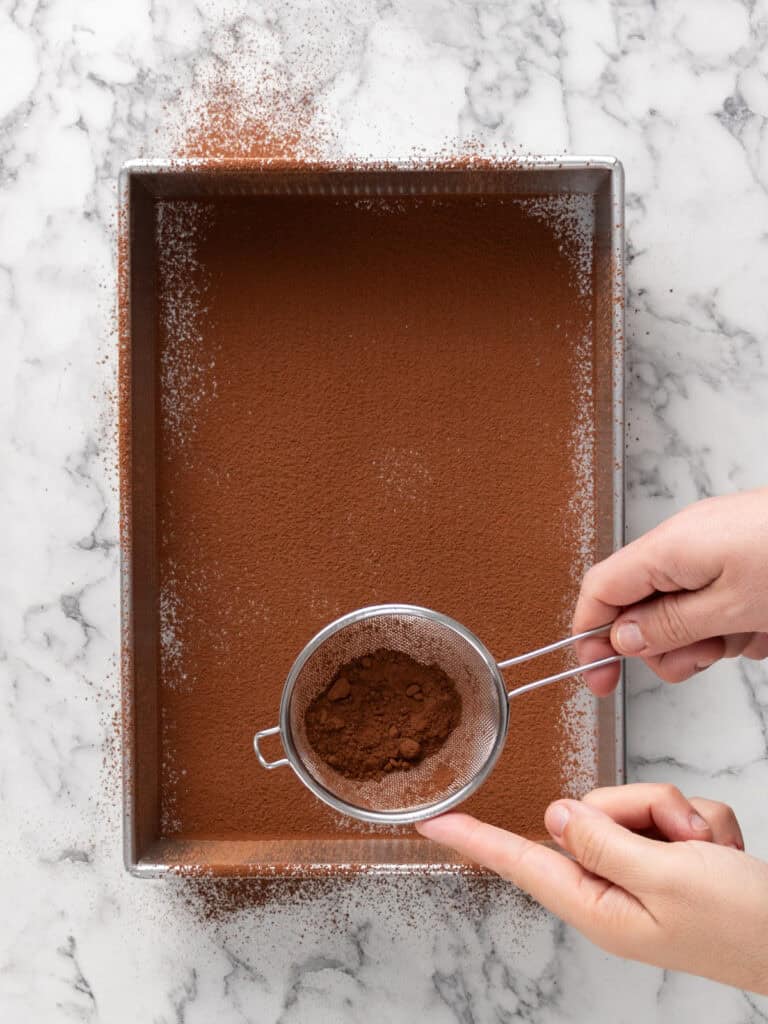
- Sifting: The cocoa powder topping is not merely decorative; it provides a bitter counterpoint to the sweetness of the cream. Sift it generously, but do so just before serving to prevent the powder from absorbing moisture and turning dark and gummy.
- The Mascarpone Check: Always whisk the mascarpone separately before folding it into the whipped cream. This prevents "lumpiness," ensuring the final layer is as smooth as silk.
Conclusion: The Enduring Appeal of the Pick-Me-Up
The tiramisu remains a global favorite because it strikes the perfect balance between the bitter and the sweet, the light and the heavy. Whether one adheres to the strict traditional methods of the past or adopts the refined, structural improvements of the modern culinary era, the goal remains the same: to create a dessert that is deeply satisfying.
By prioritizing the quality of the coffee, the precision of the soak, and the patience required for the flavors to develop, any home baker can elevate this humble dessert into a centerpiece worthy of the most formal holiday celebrations. In the words of those who have mastered the art, the best tiramisu is the one that brings people together, offering a decadent, coffee-infused moment of joy that lives up to its promise of a "pick-me-up."


 Azzam Bilal Chamdy
 Sagoh
Sagoh