Lina Hope
 Iffa Jayyana
 Lina Irawan
 Ammar Sabilarrohman
 Ali Ikhwan
 Suro Senen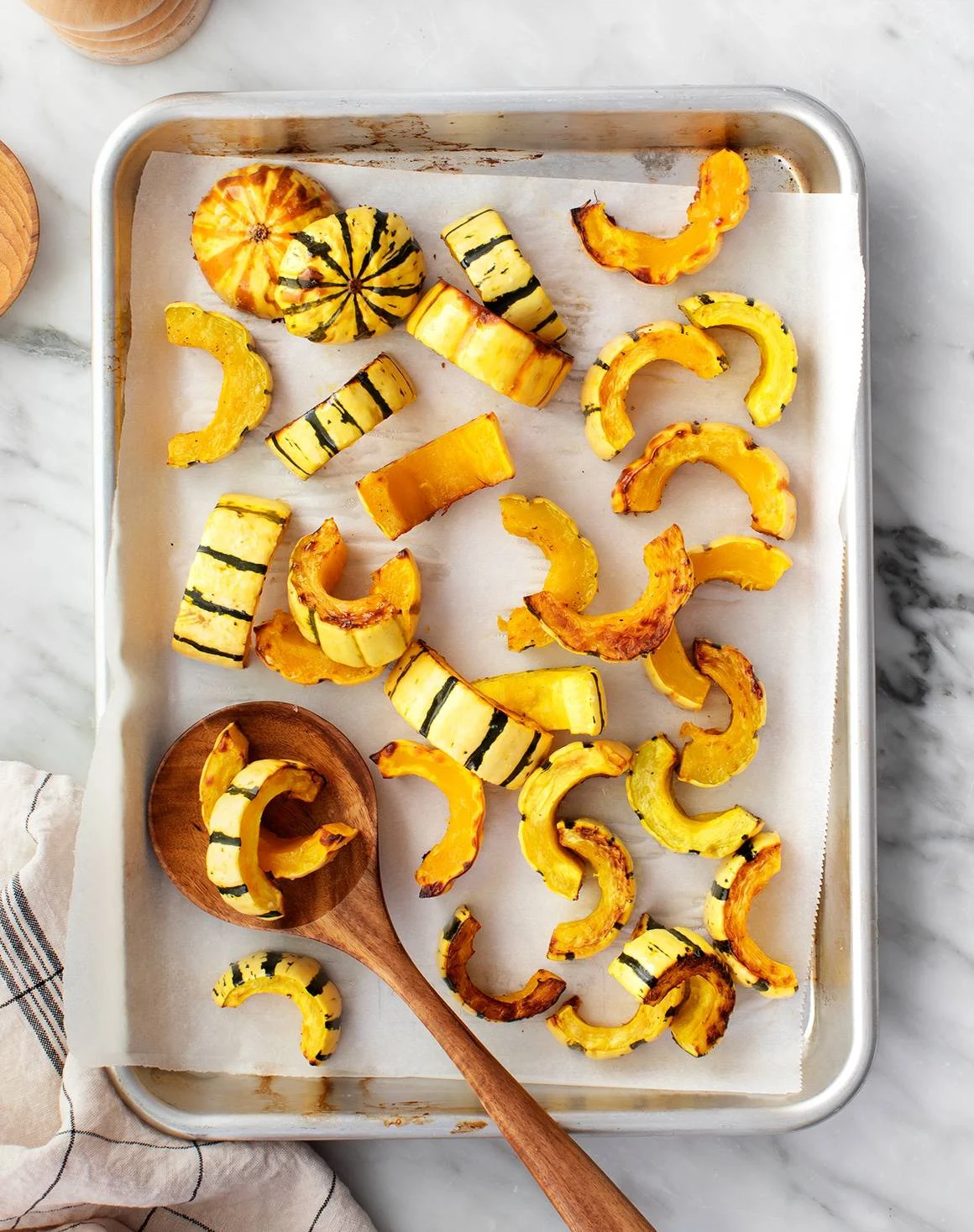
As the crisp air of autumn begins to settle and the first frost threatens the garden, the culinary world turns its attention to the bounty of the season. While pumpkin-spice everything dominates the headlines, a more refined, versatile, and undeniably superior vegetable has been quietly claiming the spotlight in test kitchens across the country: the delicata squash.
Often overshadowed by its sturdier cousins like the butternut or the hefty spaghetti squash, the delicata—frequently referred to as "sweet potato squash"—has emerged as the quintessential ingredient for both amateur home cooks and seasoned chefs alike. With its distinctively striped, cream-and-green exterior and a flavor profile that balances earthy richness with a natural, sugary sweetness, it is a testament to the simple elegance of fall produce.
The Main Facts: Understanding the Delicata Difference
The delicata squash (Cucurbita pepo) is a winter squash variety that stands apart from the crowd primarily due to its skin. Unlike other winter squashes that require heavy-duty peelers, sharp knives, and a significant amount of physical effort to prepare, the delicata features a skin so thin it is entirely edible when cooked.
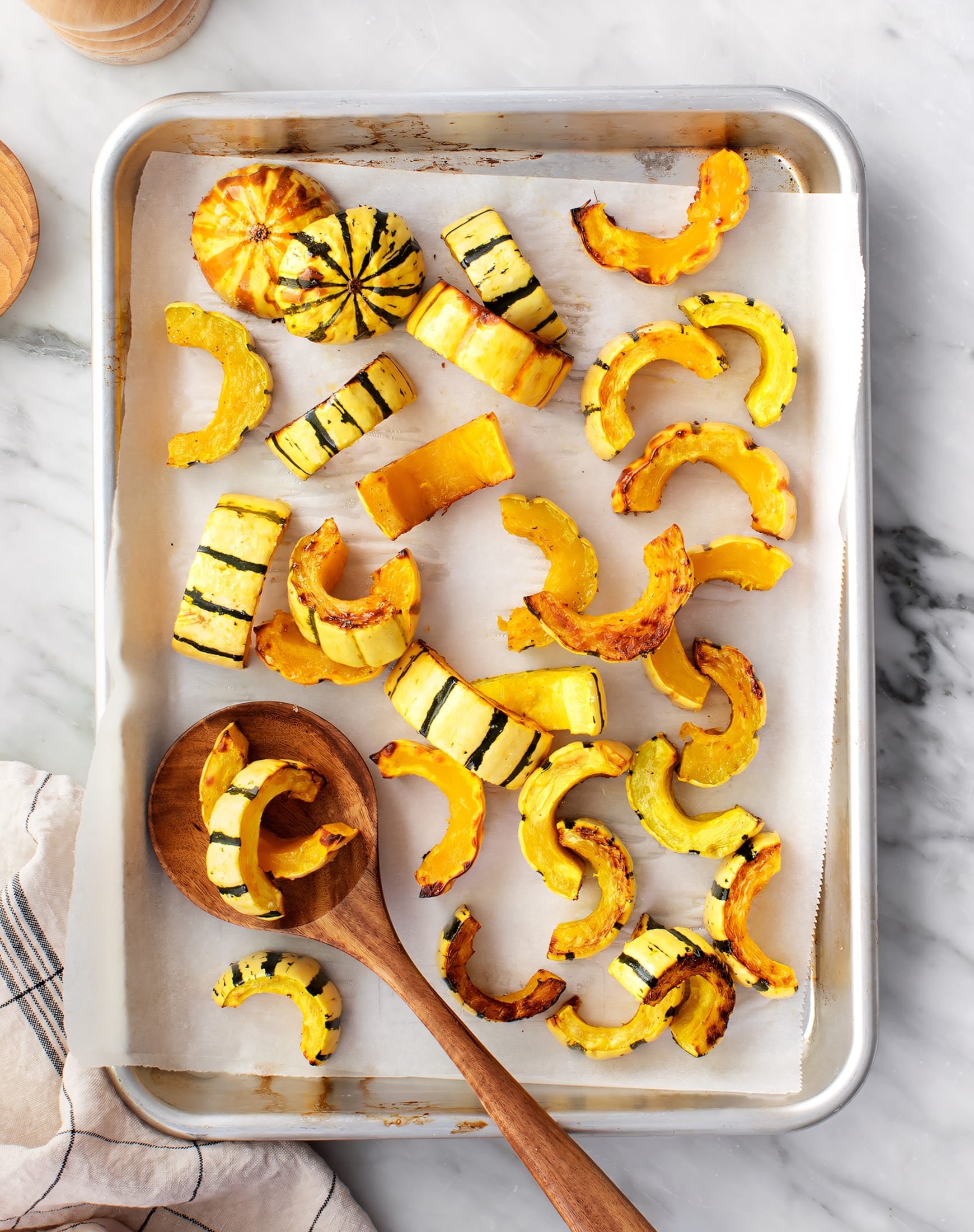
This biological trait changes the entire culinary experience. Because the skin remains intact, the vegetable retains its structural integrity during the roasting process, leading to a unique texture that is simultaneously velvety and slightly chewy. Nutritionally, it is a powerhouse, offering a dense concentration of Vitamin A and Vitamin C, along with significant potassium levels, all while remaining low in caloric density.
The primary allure, however, is the convenience. In a modern kitchen where time is often the most precious commodity, the ability to wash, slice, and roast a vegetable without the arduous labor of peeling transforms it from a "special occasion" side dish into a feasible, nutritious weeknight staple.
A Chronological Guide to the Perfect Roast
Mastering the delicata is an exercise in minimalism. The goal is to highlight its natural sweetness rather than masking it. Here is the established chronological process for achieving the perfect caramelized result:
Step 1: Selection and Preparation
The season for high-quality delicata typically peaks in early to mid-fall. When selecting your squash, look for firm specimens that feel heavy for their size and exhibit a deep, matte color. Avoid any squash with soft spots or deep gashes in the skin.
Step 2: The Art of the Cut
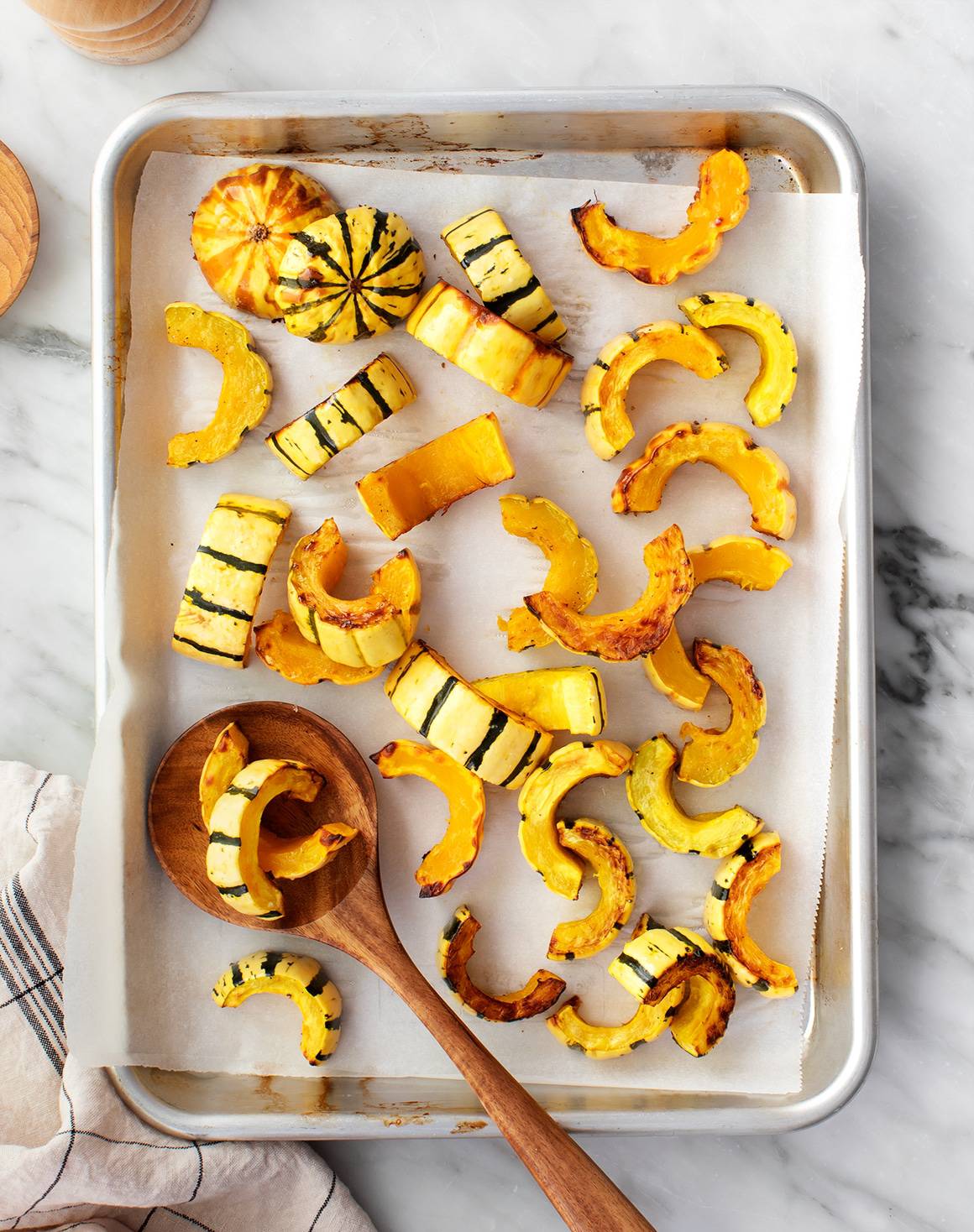
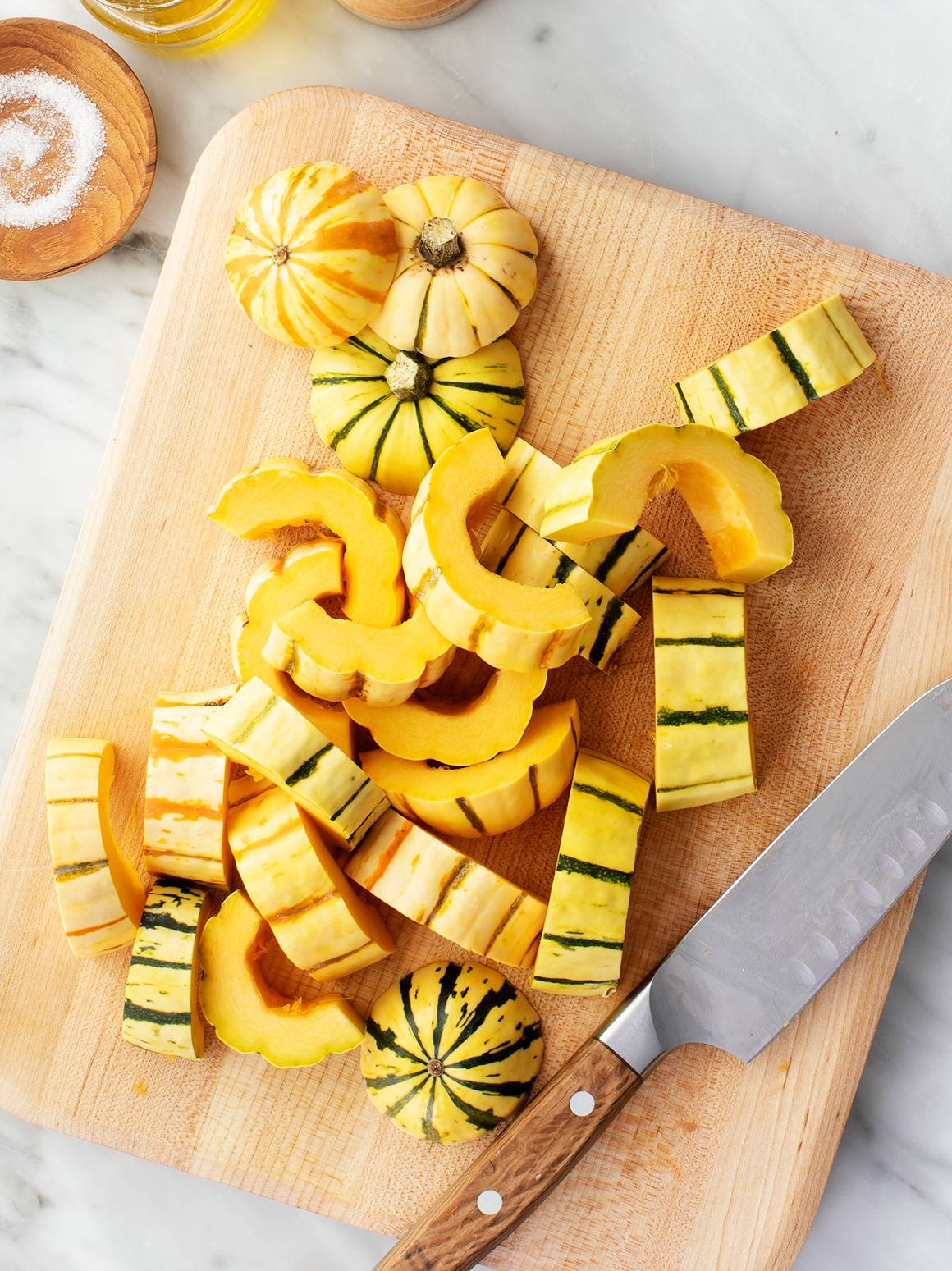
Place the squash on a stable cutting board. Because the skin is thin, it is not necessary to use a heavy cleaver; a standard chef’s knife will suffice. Slice the squash in half lengthwise. Using a standard kitchen spoon, scoop out the seeds and the stringy interior fibers—much like one would with a pumpkin. Once cleaned, slice the halves into half-inch-thick semi-circles, or "half-moons." This specific thickness is crucial; it ensures the edges have enough surface area to caramelize in the oven while the interior softens into a creamy, custard-like consistency.
Step 3: Seasoning for Depth
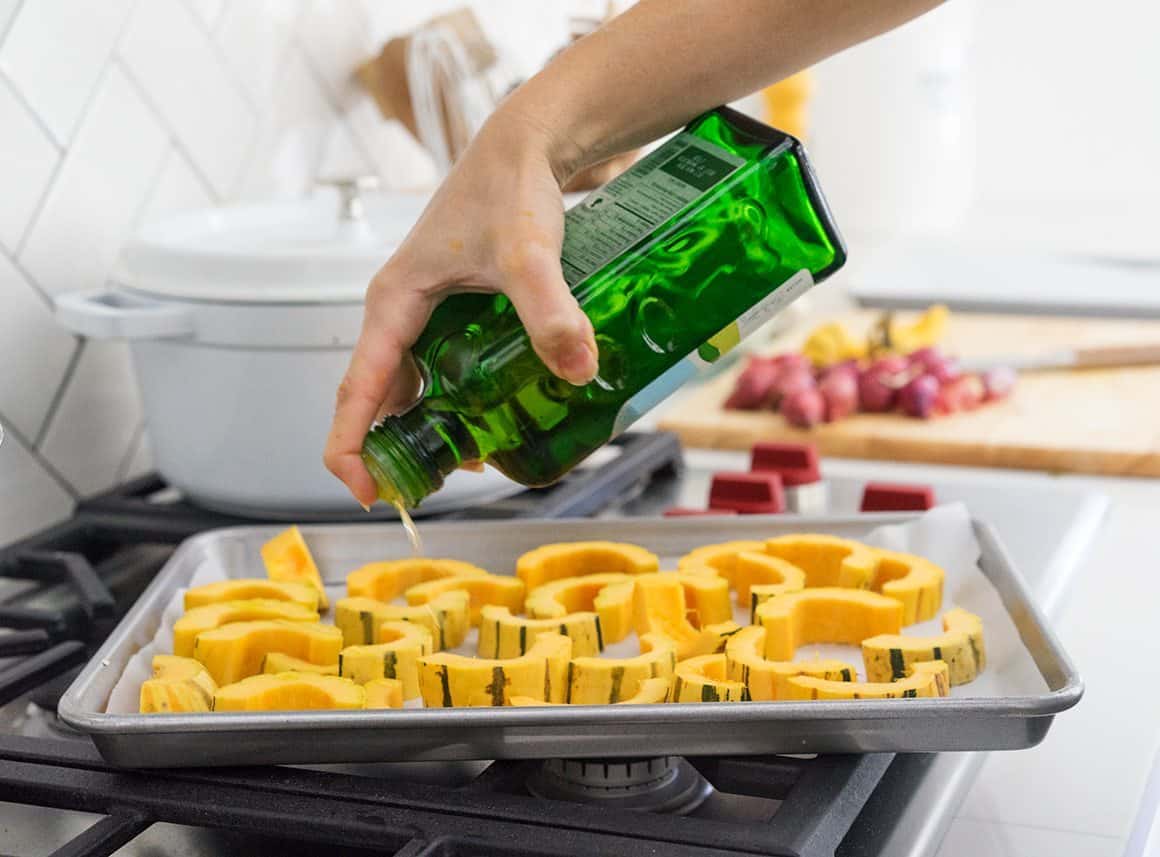
The beauty of the delicata lies in its natural profile. A simple drizzle of high-quality extra virgin olive oil, a generous sprinkle of sea salt, and freshly cracked black pepper are all that is required. For those looking to experiment, a touch of maple syrup or a pinch of smoked paprika can elevate the dish, but the vegetable’s innate sugar content often does the heavy lifting.

Step 4: The Transformation
Preheat your oven to 425°F. The high heat is essential for the Maillard reaction, which transforms the natural starches in the squash into the rich, browned sugars that characterize a successful roast. Arrange the slices in a single layer on a parchment-lined baking sheet to ensure proper air circulation. Bake for 20 to 30 minutes, turning once, until the flesh is tender and the edges have turned a deep, golden brown.
Supporting Data: Nutritional and Economic Value
The rise of the delicata in the American diet is supported by shifting consumer preferences toward "whole-food" cooking and ease of preparation. According to recent market analysis, interest in winter squash varieties that do not require peeling has seen a 15% year-over-year increase.
From a nutritional standpoint, the data is compelling:
- Calories: A standard serving provides approximately 108 calories, making it an excellent base for a filling meal without excessive caloric load.
- Micronutrients: It provides over 60% of the recommended daily allowance (RDA) of Vitamin A per serving, which is critical for immune function and vision.
- Dietary Fiber: With 3 grams of fiber per serving, it supports digestive health and blood sugar regulation, a common concern in modern diets.
Economically, the delicata is a high-value purchase. Because the entire vegetable is consumed, there is zero waste. When compared to purchasing pre-peeled or pre-cut vegetable medleys, the whole squash represents significant savings for the budget-conscious consumer.
Expert Opinions: The Culinary Perspective
Chefs and nutritionists alike have lauded the delicata as a "gateway vegetable." Culinary experts note that the sweetness of the flesh makes it an ideal introduction for children or individuals who are typically hesitant to consume squash.
"The texture is the real selling point," says one culinary consultant. "When you roast it, the skin softens into a texture similar to a roasted potato, while the flesh becomes almost like a savory squash purée. You get two textures in one bite. It’s a sophisticated experience that requires almost no culinary training to pull off."
Nutritionists point out that the ease of preparation is a vital factor in long-term health adherence. "People often fail to eat vegetables because they perceive the prep work as a barrier," says a leading dietician. "By removing the peeling step, the delicata removes the most significant mental and physical hurdle to getting a green—or rather, golden—vegetable on the dinner plate."
Implications: The Future of Fall Dining
The popularity of the delicata squash signals a broader trend in food culture: the demand for "efficient luxury." Consumers are increasingly looking for ingredients that provide a gourmet, elevated experience without the time commitment associated with traditional complex recipes.
As climate patterns shift and growing seasons for regional produce are better utilized, we can expect the delicata to remain a staple of the fall harvest. It bridges the gap between the hearty, comfort-food expectations of autumn and the modern need for speed and simplicity.

Furthermore, its versatility allows it to transcend the "side dish" category. It has begun to appear as a primary component in salads, grain bowls, and even as a decorative element in high-end vegetarian plating. Whether paired with a robust gnocchi soup, tossed into a hearty chili, or served alongside a traditional Thanksgiving spread of green beans and mashed potatoes, the delicata has firmly established its place in the modern pantry.
Conclusion: Embracing the Season
The delicata squash is more than just a seasonal trend; it is a solution. It is a lesson in how nature provides everything we need for a satisfying, nutritious meal if we simply know how to approach it. If you have been waiting for a sign to step away from the labor-intensive squashes of the past, this is your opportunity. With a 30-minute roasting window and the promise of a sweet, caramelized, and velvet-textured meal, the delicata is truly the finest gift the autumn season has to offer.
The next time you find yourself at the farmers market, look past the giant pumpkins and the intimidating butternut squash. Find the small, striped beauties that require nothing more than a knife and a hot oven. Your palate—and your schedule—will thank you.

 Dwi Wanna