Azzam Bilal Chamdy
 Neng Nana
 Nana Muazin
 Dwi Wanna
 Raul Delapena Setiawan
 Jia Lissa
In the world of culinary staples, few ingredients offer the nutritional density, affordability, and sheer versatility of the humble sweet potato. As the seasons shift and temperatures drop, professional chefs and home cooks alike turn to a reliable, time-honored technique: oven roasting. By applying high heat to these root vegetables, one can achieve a transformative culinary outcome—a dish defined by its crisp, caramelized exterior and a custard-like, tender interior.
This guide explores the mechanics of roasting sweet potatoes, the science behind the caramelization process, and the expansive role this dish plays in modern, health-conscious dining.
Main Facts: The Anatomy of a Perfect Roast
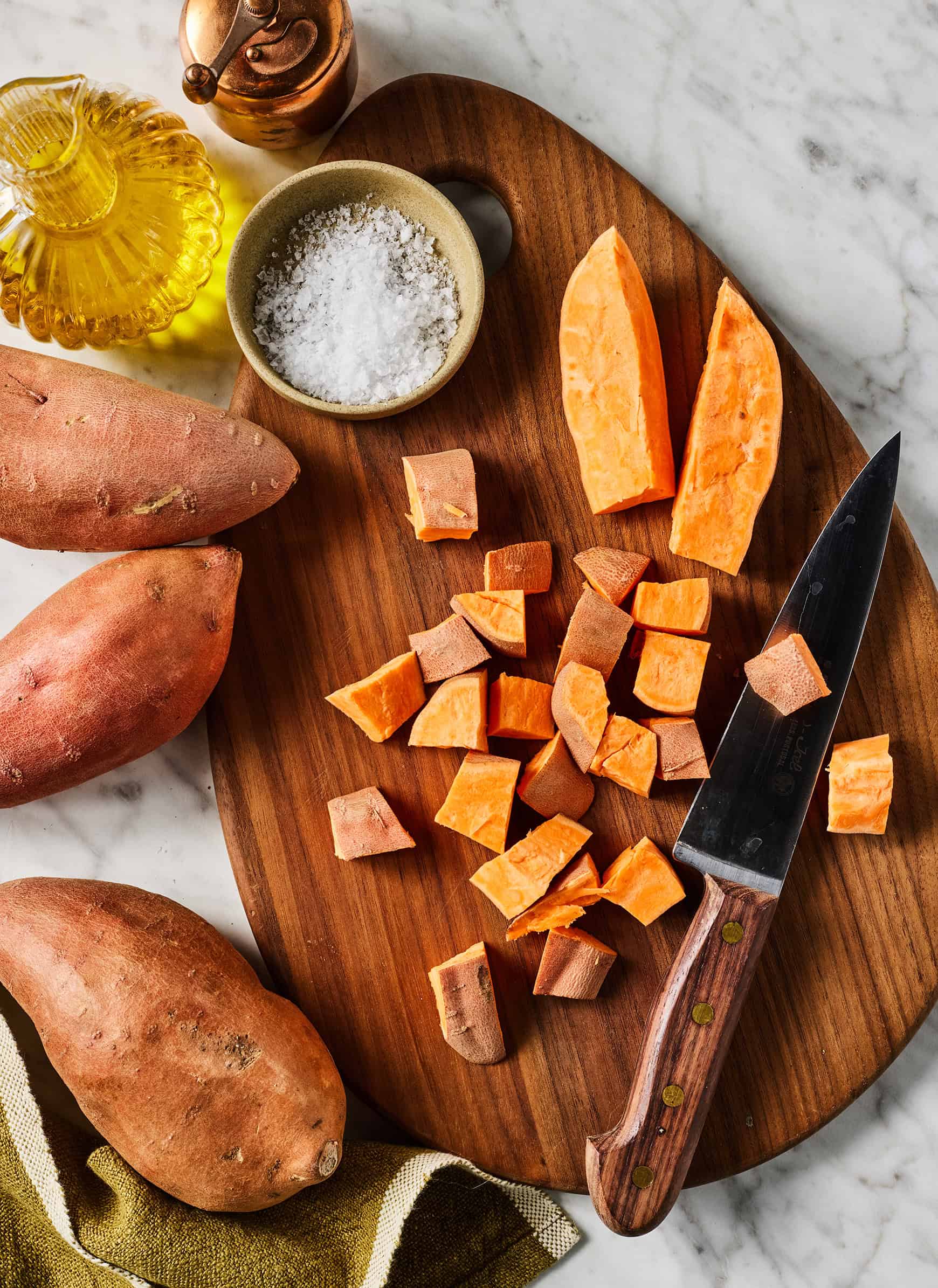
At its core, the roasted sweet potato is an exercise in simplicity. Requiring only four foundational ingredients—sweet potatoes, high-quality olive oil, kosher salt, and freshly cracked black pepper—the dish relies on the quality of the produce and the precision of the oven environment.
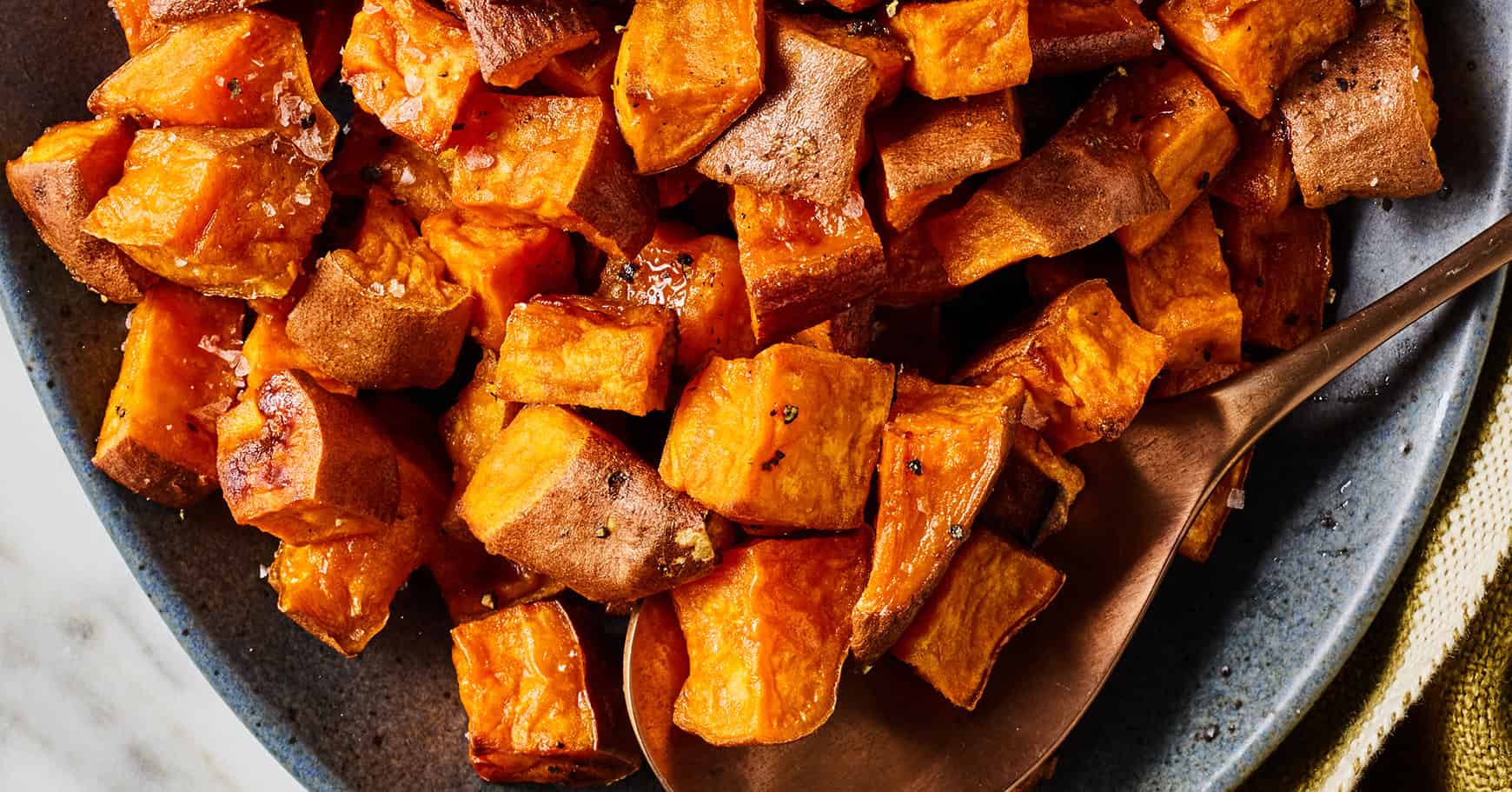
The goal of roasting is two-fold: to reach an internal temperature that renders the starches soft and creamy, and to induce the Maillard reaction—a chemical reaction between amino acids and reducing sugars that gives browned food its distinctive flavor. When done correctly, the edges of the potato cubes become slightly dehydrated and golden-brown, offering a satisfying crunch that contrasts beautifully with the sweetness of the softened center.
Chronology: The Evolution of the Dish
While sweet potatoes have been cultivated for thousands of years, the rise of the "roasted cube" as a modern culinary staple coincides with the recent shift toward plant-forward diets.
- Pre-Preparation: The process begins with proper selection. Firm, blemish-free tubers are essential.
- The Cut: Uniformity is the golden rule. By ensuring each cube is approximately one inch in size, the cook guarantees that the entire batch reaches peak texture simultaneously.
- Seasoning Phase: A light toss in olive oil serves as the conductor for heat, ensuring that the parchment-lined baking sheet facilitates even browning rather than burning.
- The Roast: At a constant temperature of 425°F (218°C), the transformation takes roughly 25 to 30 minutes. This high heat is critical; a cooler oven would merely steam the potatoes, resulting in a mushy consistency rather than the desired caramelized crust.
- Resting and Finishing: Much like a fine protein, roasted vegetables benefit from a brief rest before being seasoned with final flourishes or integrated into larger recipes.
Supporting Data: Nutritional Density and Health Implications
From a nutritional perspective, the sweet potato is a powerhouse. A single serving—calculated as one-sixth of a standard batch—provides an exceptional profile of micronutrients.
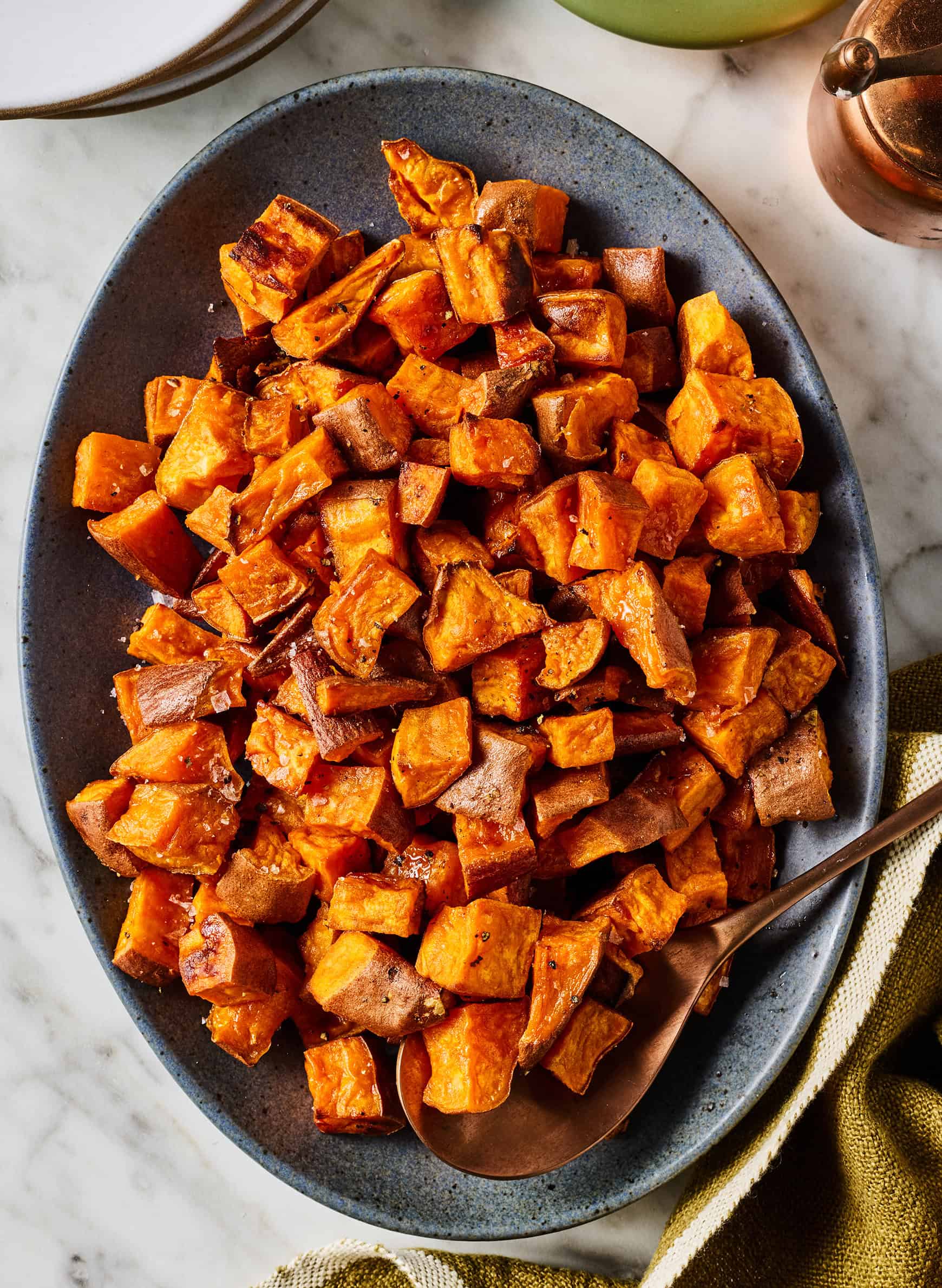
According to laboratory analysis, a standard serving of oven-roasted sweet potatoes delivers:
- Vitamin A: A staggering 428% of the recommended daily value, primarily through beta-carotene.
- Fiber: 5 grams per serving, promoting digestive health and satiety.
- Potassium: 508mg, essential for electrolyte balance and cardiovascular health.
- Low Caloric Impact: At approximately 150 calories per serving, they serve as a nutrient-dense alternative to processed carbohydrates.
These figures underscore why the dish has become a staple for athletes and health-conscious families. Unlike deep-fried counterparts, oven-roasting retains the vegetable’s integrity while minimizing added fats.
Professional Culinary Techniques: Elevating the Standard
Beyond the basic preparation, culinary experts often employ specific strategies to elevate the dish.
The Importance of Spacing
One of the most common errors in home roasting is overcrowding the pan. When sweet potatoes are packed too tightly, they release moisture that gets trapped between them, effectively steaming the vegetables. Culinary professionals insist on using two large, rimmed baking sheets to ensure adequate airflow. This spacing allows the hot air of the oven to circulate around every side of the cube, which is the only way to achieve consistent caramelization.
Seasoning Strategies
While salt and pepper are the baseline, the inherent sweetness of the potato pairs exceptionally well with a variety of aromatics. For those looking to experiment, consider the following additions:
- Smoked Paprika: Adds a depth of flavor that mimics wood-fired cooking.
- Cumin and Chili Powder: Ideal for preparing the potatoes for inclusion in Mexican-inspired taco fillings or grain bowls.
- Cinnamon or Nutmeg: When combined with a touch of maple syrup, these spices transform the potatoes into a dessert-adjacent side dish.
Official Perspectives: The Role of the Root Vegetable in Modern Menus
Nutritionists and dietitians frequently highlight the sweet potato as a "superfood" that is actually accessible to the average consumer. Unlike niche or expensive health foods, the sweet potato is widely available year-round and remains one of the most affordable items in the produce section.
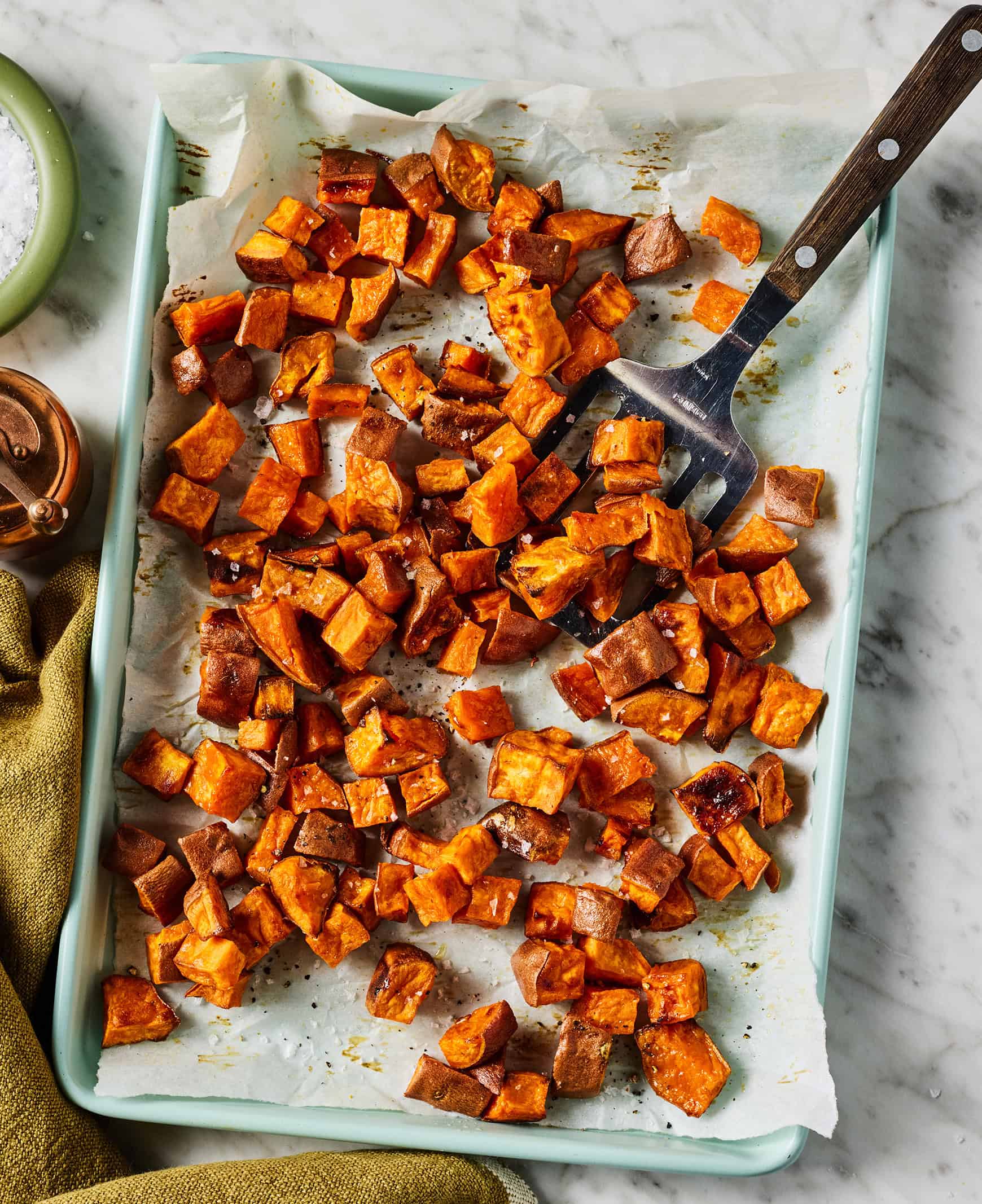
"The beauty of the roasted sweet potato," notes one culinary educator, "is that it bridges the gap between ‘healthy’ and ‘craveable.’ We are constantly looking for ways to encourage people to eat more vegetables, and the natural sweetness that comes out during the roasting process is the most effective way to do that."
Implications: Versatility in the Modern Kitchen
The implication of mastering this technique is a significant reduction in food waste and an increase in meal-prep efficiency. Because roasted sweet potatoes hold their texture well in the refrigerator for up to four days, they are the ideal component for "batch cooking."
Integration into Daily Meals
The culinary utility of these cubes is nearly limitless:
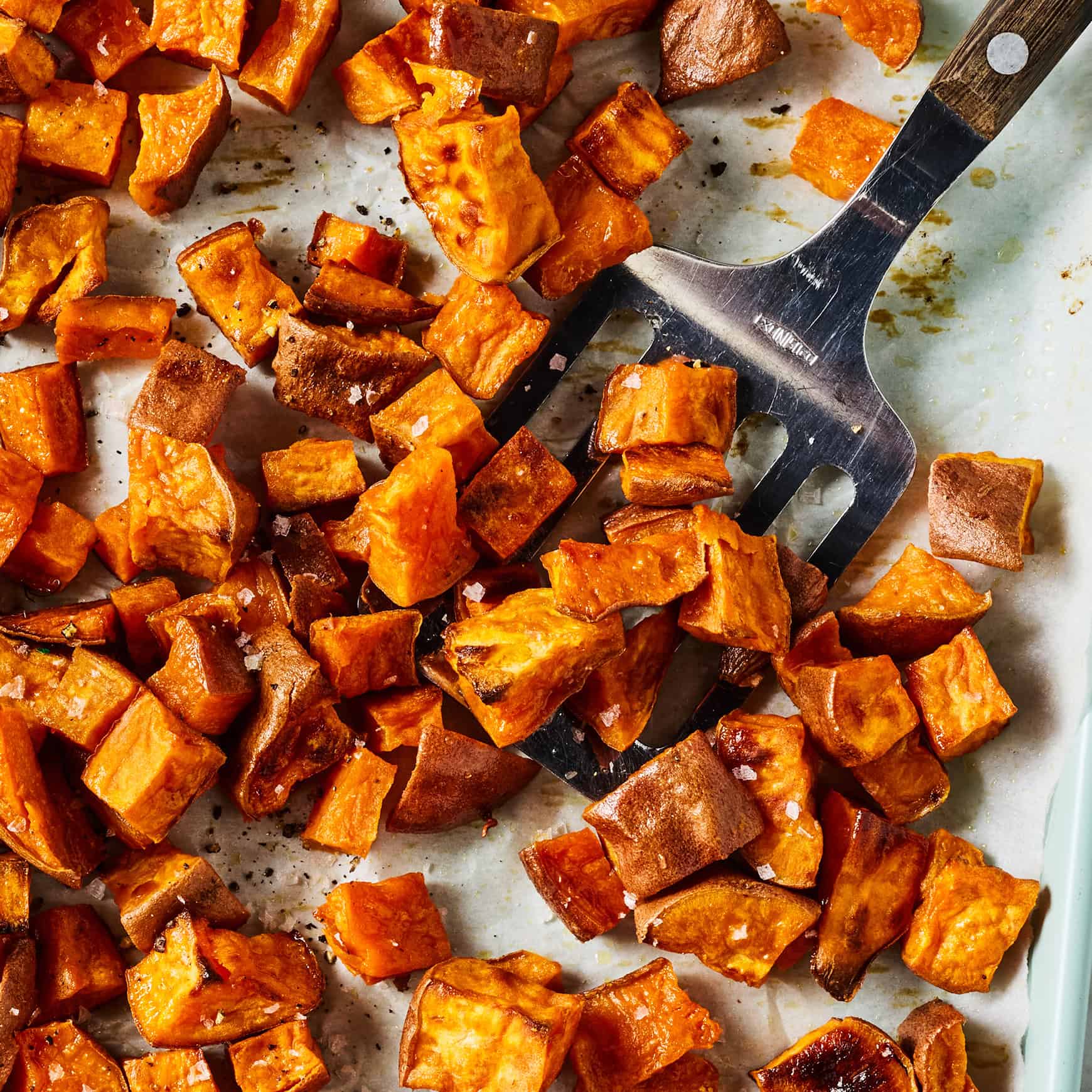
- The Breakfast Bowl: Tossed with black beans, avocado, and a poached egg, they provide a balanced start to the day.
- The Salad Topper: Their density adds necessary weight to light greens, such as arugula or kale, turning a side salad into a main course.
- The Taco Foundation: When seasoned with earthy spices, they provide a substantial, satisfying alternative to meat in vegetarian tacos.
- The Sheet Pan Dinner: They can be roasted alongside chicken thighs or chickpeas for a complete meal prepared on a single piece of equipment.
Future Outlook: A Sustained Culinary Trend
As we look toward the future of home cooking, the emphasis on "whole-food" ingredients is expected to grow. The roasted sweet potato stands as a testament to the fact that the most effective cooking does not require complex equipment or expensive ingredients; it requires an understanding of heat, timing, and the natural properties of the food itself.
Whether you are a seasoned home cook looking to perfect your technique or a novice searching for a reliable, healthy, and crowd-pleasing dish, the roasted sweet potato remains a quintessential skill. It is a reminder that the best food is often the simplest, provided it is treated with the respect of proper technique.
By following the high-heat method and ensuring proper spacing on the baking sheet, you are not just cooking a side dish; you are mastering a foundational element of the modern, healthy, and flavorful kitchen. The transition from raw, starchy vegetable to sweet, golden-brown perfection is a small, everyday miracle—and one that is well within the reach of any home cook willing to preheat their oven.


 Basiran