

 Azzam Bilal Chamdy
 Neng Nana
 Nana Muazin
 Dwi Wanna
 Raul Delapena Setiawan
 Siti Muinah
In the heart of a bustling market town in Northumberland, behind the stoic, weathered stones of a 14th-century Grade 1 listed church, lies a transformation that challenges the conventional British approach to domestic gardening. For Rebecca Wootton, the acquisition of a 620-square-meter plot—roughly a tenth of an acre—was not merely a property purchase; it was the beginning of an ecological experiment. Over the past four years, Wootton has systematically dismantled the traditional, sterile lawn-and-shingle garden layout, replacing it with a vibrant, self-sustaining permaculture ecosystem that serves as a blueprint for small-scale urban self-sufficiency.
The Genesis: A Blank Canvas in the North
When Wootton and her husband first took custody of the land four years ago, the garden was a product of modern suburban landscaping: three distinct sections of lawn and a sterile, shingled area underpinned by plastic weed-suppressant membranes. To the untrained eye, it was a manageable, if uninspiring, outdoor space. To Wootton, however, the division of the plot presented a structural opportunity.
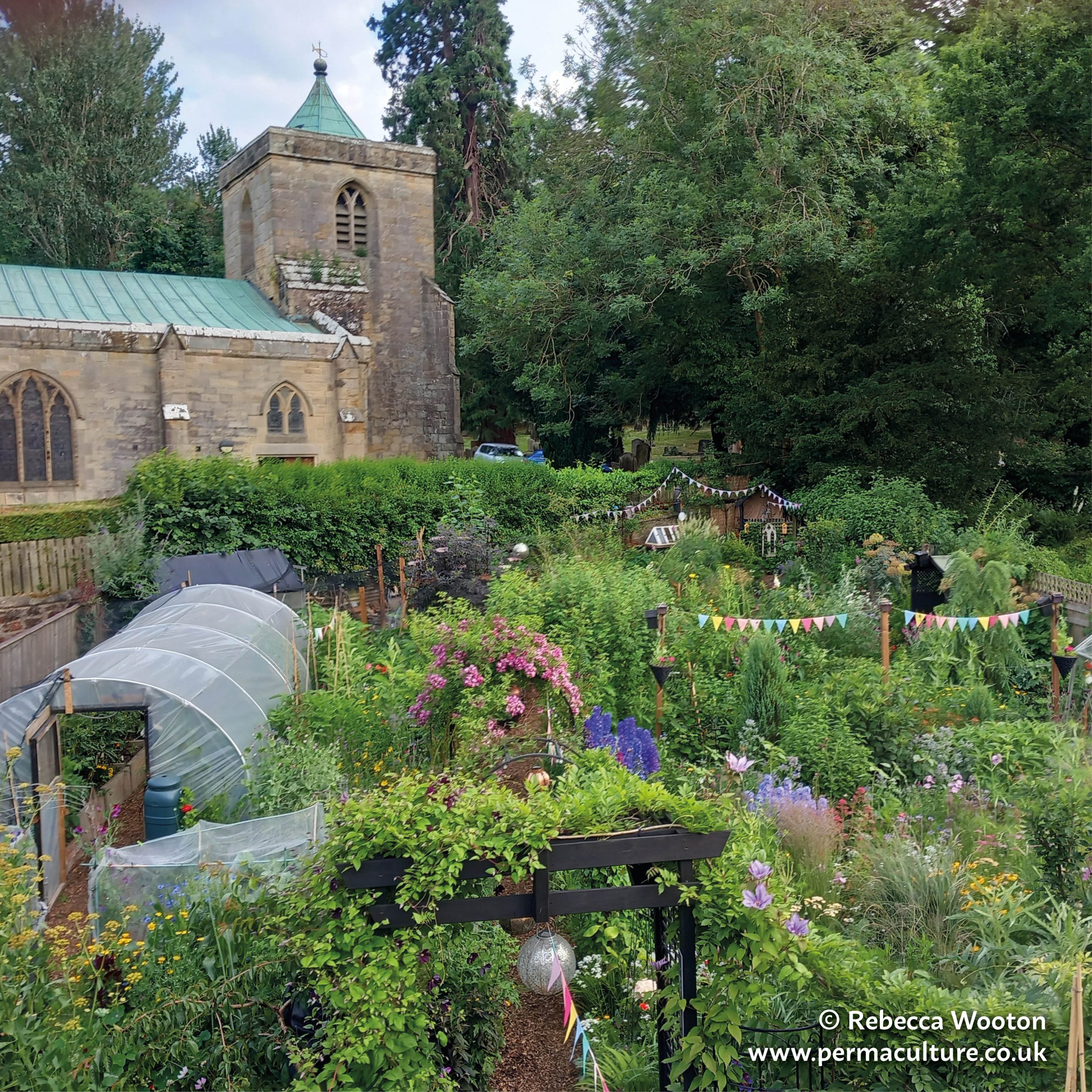
Recognizing the distinct microclimates created by the garden’s south-facing orientation and the historical backdrop of the church, she set out to create a multifunctional landscape. The primary challenge was the climate. Having relocated from the south of England, Wootton found the growing conditions in Northumberland significantly more demanding. To mitigate this, one of the couple’s first major infrastructure projects was the installation of a 20-foot polytunnel. This structure became the "engine room" of the garden, allowing for a longer growing season and providing the necessary protection for heat-loving crops that would otherwise struggle in the cooler northern air.
Chronology of a Green Revolution
The evolution of the garden has been a process of iterative learning. Following the initial structural work, the focus shifted toward soil health and long-term sustainability.
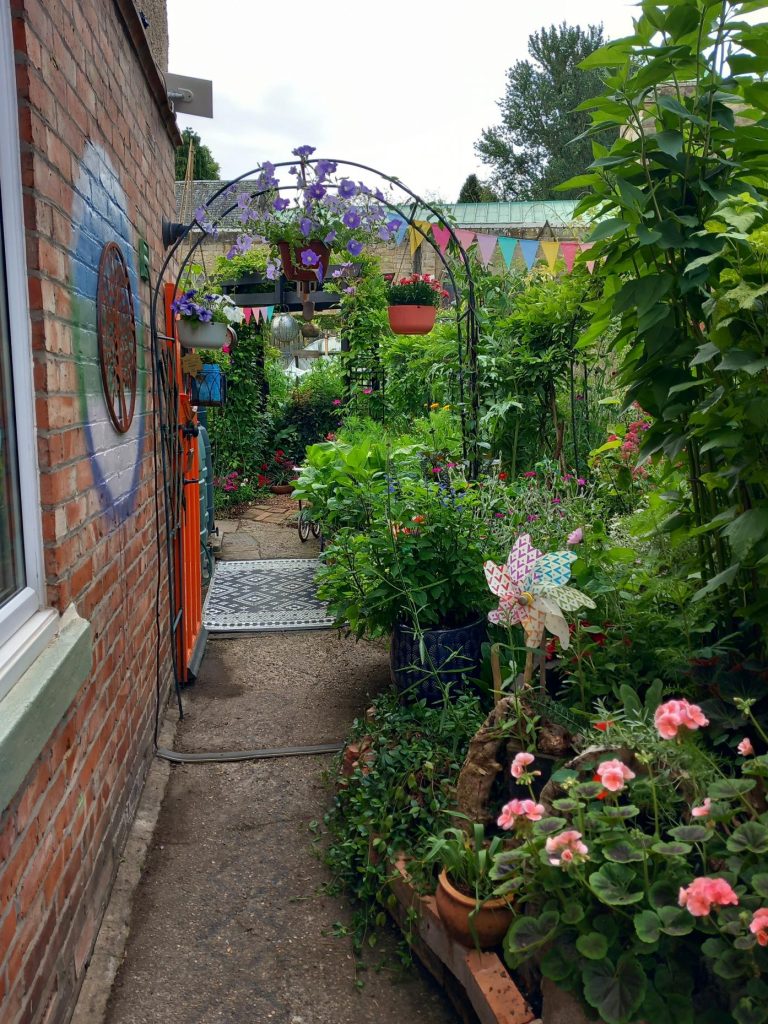
- Year 1: Foundation and Hugelkultur. Faced with the challenge of filling newly built raised beds, Wootton avoided the carbon-heavy and expensive practice of purchasing mass-produced, peat-free compost. Instead, she adopted Hugelkultur—a traditional European method of building mounds over decaying wood, logs, and garden waste. This technique provided an immediate, nutrient-rich base for her vegetables while simultaneously solving the issue of garden debris disposal.
- Year 2: Soil Enrichment. With the basic infrastructure in place, the focus moved toward microbial health. Wootton began an intensive series of composting trials, experimenting with 18-day hot composting, vermiculture, bokashi, and slow in-ground fungal systems.
- Year 3: Guilds and Guild-Building. Transitioning from annual vegetable beds to perennial systems, she introduced fruit trees. Moving beyond simple planting, she applied the permaculture concept of "guilds," surrounding her persimmon, green gage, and nashi pear trees with nitrogen-fixing species like alder whips and honey locust saplings to create a symbiotic support network.
- Year 4: The Food Forest Experiment. The most recent stage involves a 20-square-meter intensive food forest. By selecting hardy, climate-compatible species such as Saskatoon, aronia, and silver berries, she has successfully created a high-density, low-input productive space.
Supporting Data: The Science of the Small Plot
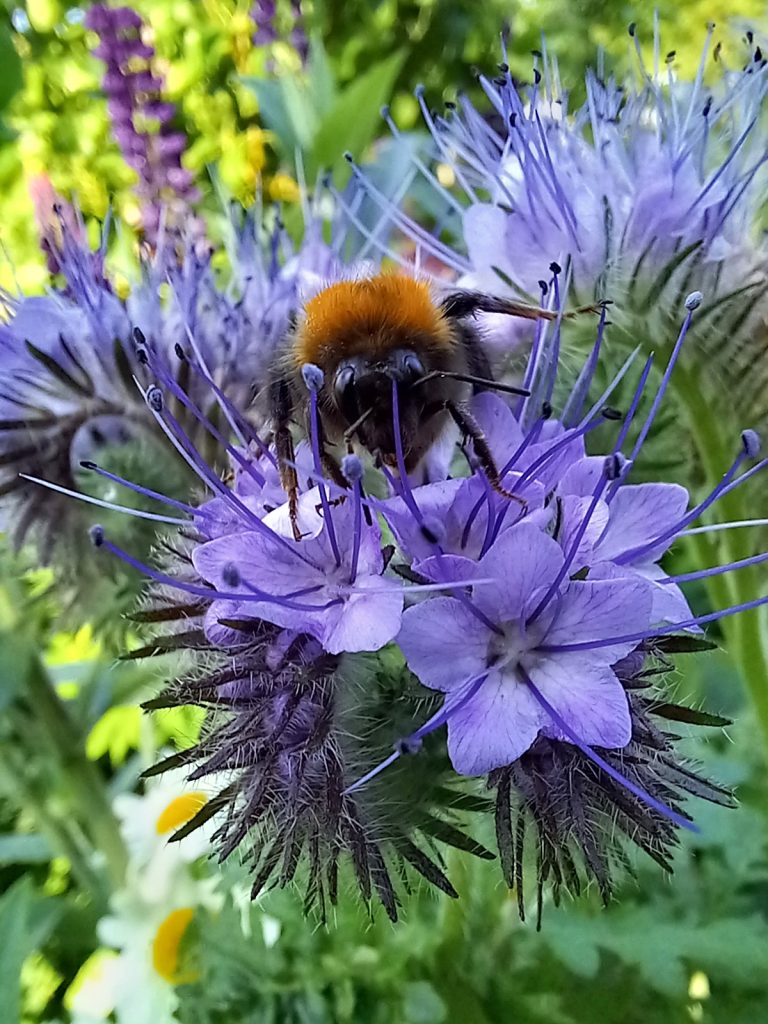
The efficacy of Wootton’s methods is reflected in the health of her garden’s biodiversity. By eschewing chemical pesticides and fertilizers, she has observed a dramatic decline in pest pressure, a phenomenon she attributes to the "beneficial buddies"—the predatory insects and pollinators that have established a permanent residence in her garden.
The garden’s performance metrics are primarily measured through soil vitality and productivity. The use of JADAM Microbial Solution (JMS)—a concoction of fermented rainwater, comfrey, nettles, seaweed, and vermiculture runoff—has, according to Wootton, significantly enhanced the soil’s microbial activity. This biological approach to gardening creates a "closed-loop" system where waste is repurposed as fuel for future growth.
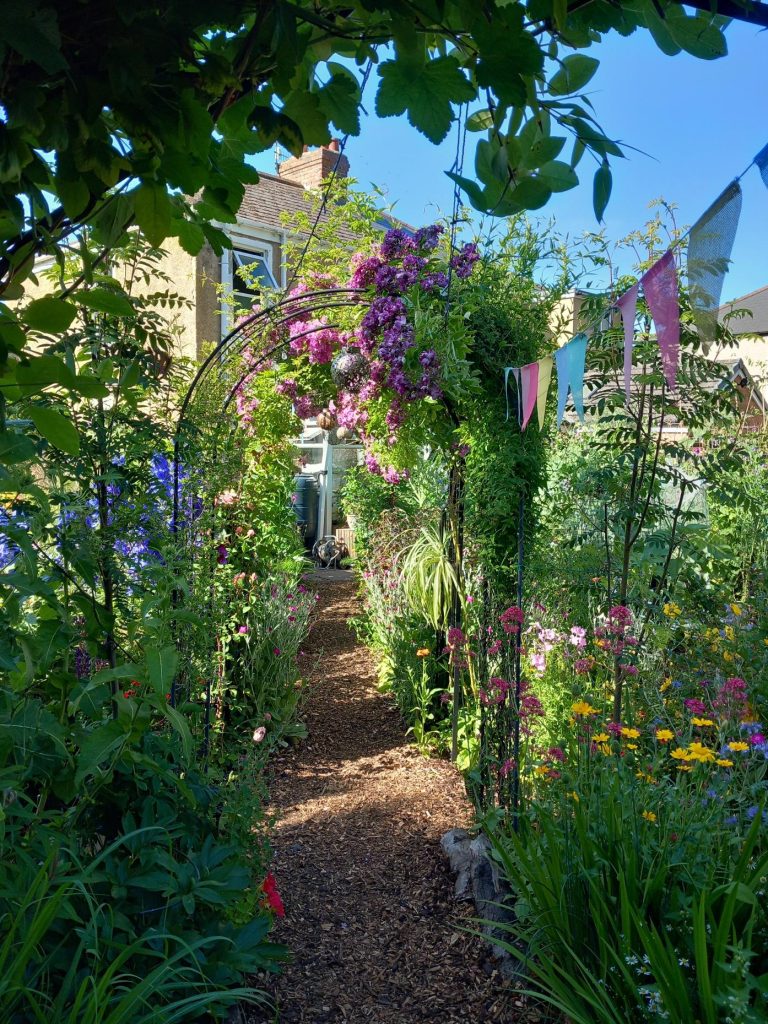
The garden’s financial impact is also noteworthy. By opening the space to the local horticultural society and the National Gardening Scheme, Wootton has demonstrated that small-scale, ecological gardening has a community value, raising nearly £500 for charitable causes in a single season.
Official Perspectives: The Value of Community Outreach
Wootton’s garden has transcended its physical boundaries, serving as an educational hub for local residents. The decision to open the garden to the public was driven by a desire to demonstrate that permaculture is not just for large, rural farmsteads, but is highly effective in small, urban settings.
"Most people left with a bottle of my JMS," Wootton remarks, noting that these open days have provided a platform to engage the public on the merits of regenerative gardening. The feedback from visitors, many of whom were previously accustomed to traditional ornamental gardening, has been overwhelmingly positive, highlighting a growing public appetite for sustainable, "low-impact" horticultural practices.
The Implications: A Movement in the Making
The implications of Wootton’s work are profound, particularly regarding the future of food security and biodiversity in the UK. Her success illustrates that:
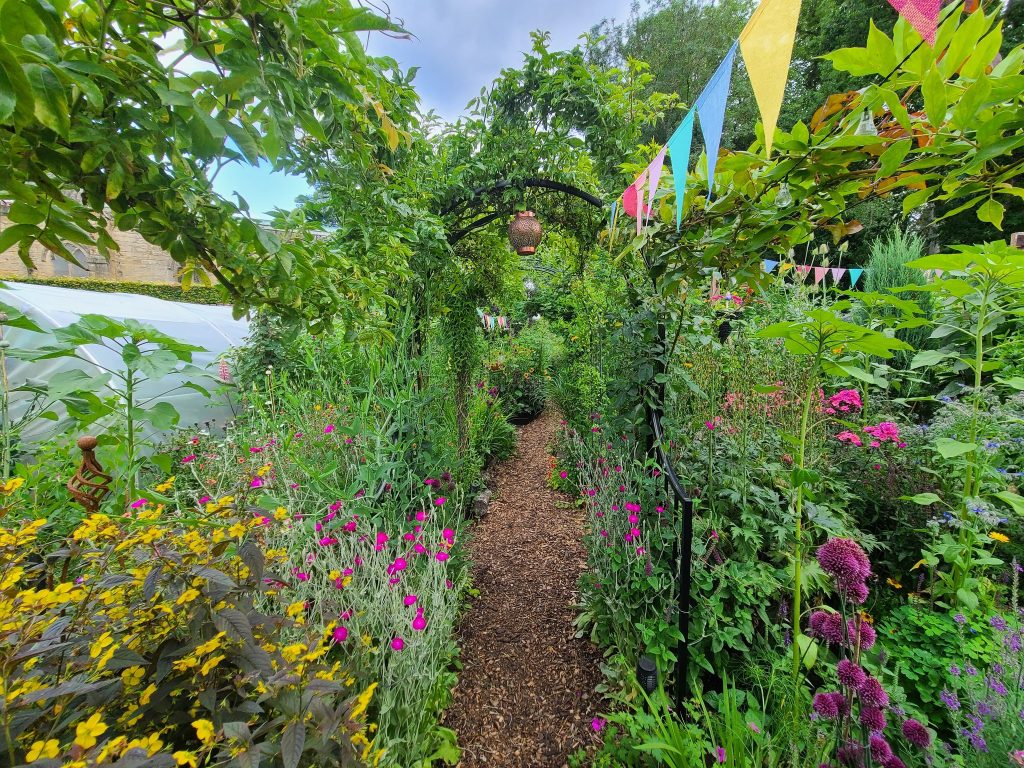
- Urban Land Utility: Even a tenth of an acre can be highly productive if managed with permaculture principles.
- Climate Resilience: By experimenting with North American and New Zealand species that thrive in similar winter profiles to Northumberland, she is adapting her garden to a shifting climate, ensuring it remains productive regardless of external weather volatility.
- Educational Scalability: The "trickle-down" effect of her outreach—sharing recipes for compost teas and explaining the principles of companion planting—has a multiplier effect, encouraging other local gardeners to adopt more ecologically sound habits.
As she prepares to undertake her first formal permaculture design course, Wootton’s long-term objective is to move from personal practice to community mobilization. She aspires to create a "permaculture movement" in the Northeast, aimed at encouraging others to look at their own lawns not as aesthetic chores, but as potential sources of food, habitat, and carbon sequestration.
Conclusion: The "Sweet Spot" of Permaculture
The "sweet spot" that Wootton describes—a state of equilibrium where the garden supports the gardener as much as the gardener supports the garden—is the ultimate goal of the permaculture philosophy. By moving away from the "buy, use, dispose" model of traditional gardening and toward a system of cyclical renewal, she has created a blueprint that is both replicable and necessary.
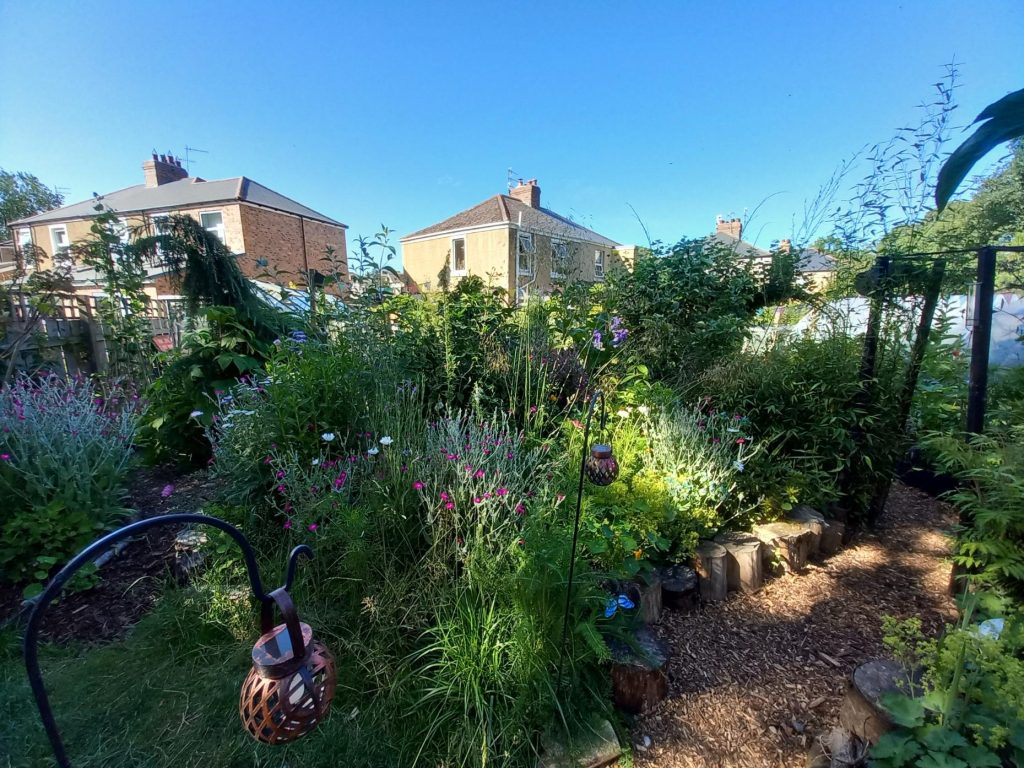
As urbanization continues to spread across Britain, the traditional, high-maintenance garden is increasingly becoming an environmental liability, often requiring vast amounts of water, chemical inputs, and artificial management. In contrast, projects like the one in this quiet Northumberland town demonstrate that we can re-wild our domestic spaces without sacrificing beauty or bounty. Whether it is through the building of a single raised bed or the planting of a multi-species food forest, the message is clear: the transition to a more resilient future begins in our own back gardens. Through patient observation, consistent experimentation, and a commitment to working with, rather than against, natural systems, individuals can make a tangible difference in the health of our local ecosystems.


 Rifan Muazin
