
 Suro Senen
 Nila Kartika Wati
 Asro
Asro
 Layla Zulfa
 Evan Lee Salim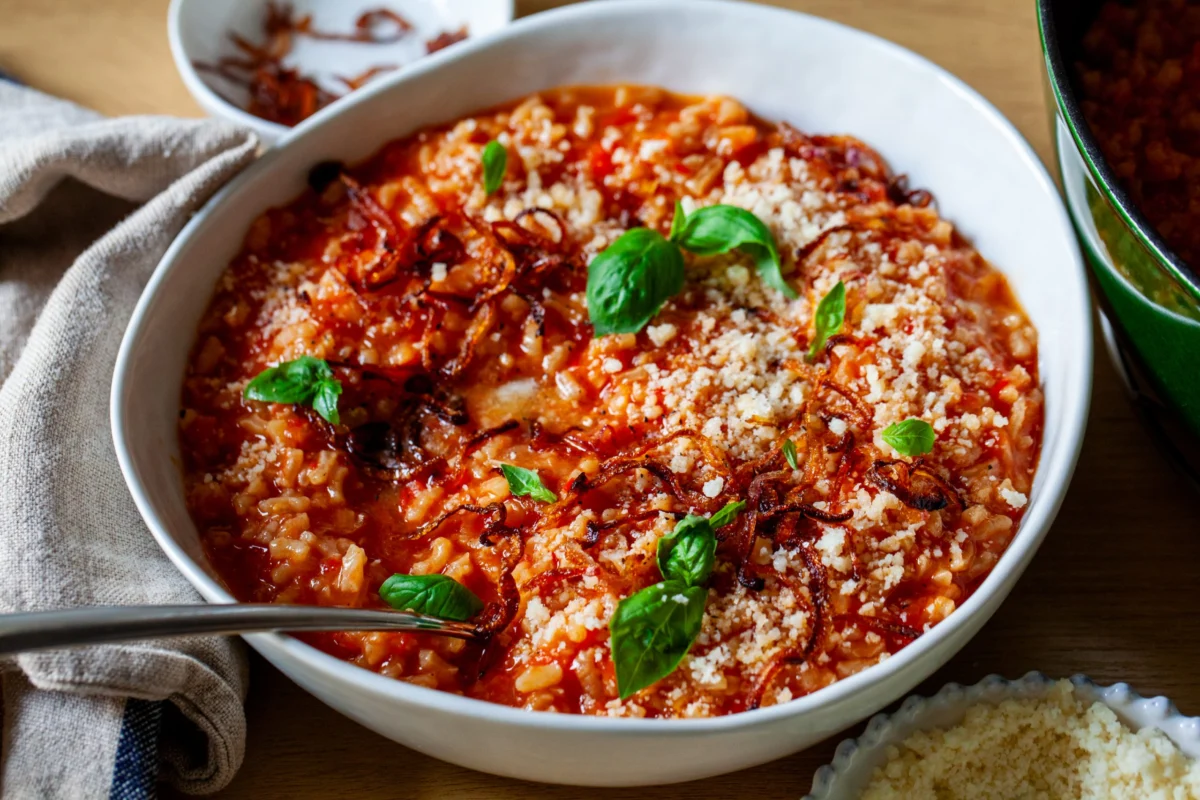
For those who find the sudden, aggressive encroachment of autumn—marked by the premature arrival of pumpkin spice lattes and wool-coat advertisements—to be an affront to the remaining warmth of the year, there is a culinary sanctuary to be found. As temperatures hover stubbornly in the mid-80s, the societal pressure to pivot toward cozy, heavy comfort foods feels like an unnecessary rush toward winter’s inevitable chill.
The transition from summer to fall is often framed as a binary choice: either embrace the harvest aesthetic or suffer the longing for stews in isolation. However, a growing movement of home cooks is choosing a third path: the radical extension of summer through the late-season bounty of tomatoes.

The Case Against Premature Autumn
The "Pumpkin Spice Industrial Complex" often arrives in September with a sense of urgency that borders on the frantic. Yet, for many, this cultural shift is met with profound irritation. There is a distinct, defiant pleasure in rejecting the narrative that summer ends the moment the calendar hits September.
This is not merely a matter of stubbornness; it is a matter of seasonality. When we force our kitchens to shift to root vegetables and heavy braises while the garden is still producing its most vibrant tomatoes, we do a disservice to the produce itself. The late-summer harvest is a fleeting gift, and refusing to acknowledge its expiration date is a way of honoring the season.

Chronology of a Culinary Transition
The shift in the kitchen often mirrors the shift in our personal lives. As children move from middle school into high school and the rhythms of the year change, our cooking habits often feel like an anchor.
- Early September: The last, most concentrated sweetness of the tomato crop emerges. These are not the watery specimens of early July; they are dense, sun-drenched, and perfect for reduction.
- The Mid-Month Pivot: The temptation to reach for heavier, starchier profiles increases as the days shorten.
- The Resistance Phase: By leaning into dishes that utilize the moisture and acidity of the final summer tomatoes, we extend the feeling of the season, creating a buffer against the impending winter months.
Technical Innovation: The "Sacrilegious" Risotto
The recipe for Tomato Risotto with Frizzled Red Onions challenges many of the established "rules" of professional and home cooking. Often, risotto is presented as a high-maintenance dish—a labor of love requiring constant stirring, expensive stocks, and an endless cycle of adding liquid.

However, recent culinary analysis suggests that these "mandatory" steps are often myths. By utilizing a "baked" method, the home cook can achieve a consistent, creamy texture without the need for constant vigilance.
Breaking the Rules
- The Broth Myth: Traditionalists argue that chicken or vegetable stock is essential for depth. In this application, however, water is used to preserve the purity of the tomato flavor. When the tomato is the star, broth serves only to muddy the profile.
- The Stirring Myth: The constant agitation of rice is not strictly necessary for starch release if the rice is properly toasted and then baked in a closed, controlled environment.
- The Butter/Cheese Heaps: By focusing on the flavor profile of the tomato pulp, the reliance on massive amounts of fats is reduced, allowing the natural acidity of the dish to shine.
Supporting Data: The Science of the "Frizzle"
The inclusion of frizzled red onions provides a necessary textural and flavor contrast. Unlike bacon or prosciutto—the common "crispy" toppings for risotto—thinly sliced red onions provide a sharper, more nuanced profile that pairs elegantly with the sweetness of cooked tomato.

When red onions are cooked in olive oil until they achieve a deep, golden-brown state, they undergo a Maillard reaction that intensifies their natural sugars while retaining a hint of their original, pungent bite. By splitting the onions—half cooked into the base of the risotto and half used as a garnish—the dish achieves a structural integrity that elevates it from a simple rice bowl to a complex, multi-layered meal.
The Recipe: Tomato Risotto with Frizzled Red Onions
Ingredients:

- 3 cups tomato pulp (grated from halved tomatoes, skin discarded)
- 3-4 tablespoons olive oil
- 2 medium red onions, thinly sliced
- 2 cloves garlic, minced
- 1.5 cups arborio or carnaroli rice
- 0.5 cup dry white wine
- 2-2.5 cups water
- Kosher salt, black pepper, and red pepper flakes
- Fresh basil and parmesan for serving
Preparation Method:
- Preheat: Set your oven to 350°F.
- The Frizzle: In a 4-quart Dutch oven, heat the oil. Cook the red onions until they are deeply golden and crisp (approx. 8–10 minutes). Remove half and set aside on a paper towel.
- The Aromatics: Add garlic to the remaining onions in the pan. Toast the rice in this mixture for 3 minutes to coat the grains.
- The Deglaze: Add the wine, stirring until absorbed.
- The Bake: Stir in the tomato pulp and 2 cups of water. Season liberally with salt, pepper, and red pepper flakes. Bring to a simmer, cover, and transfer to the oven.
- The Finish: Bake for 25–30 minutes. Upon removal, the risotto should be slightly loose. Stir vigorously for 2 minutes to emulsify the starches. Fold in a knob of butter or olive oil.
- Serve: Top with the reserved frizzled onions, fresh basil, and parmesan.
Implications for the Modern Kitchen
The broader implication of this cooking philosophy is one of autonomy. We are often told that recipes are "laws" to be followed, and that seasonal shifts are "dictates" to be obeyed. By pushing back against the early onset of autumn-themed marketing and questioning the rigid techniques of classical cooking, we reclaim the kitchen as a space of personal expression.

This dish represents the transition point—a bridge between the vibrancy of August and the quietude of October. It is a reminder that there is no reason to rush toward the end of the year. There is plenty of time for stews, for heavy woolens, and for the cold. But for now, as the sun still holds its warmth, there is only the tomato, the rice, and the simple, profound joy of a meal that refuses to be anything other than what it is: a final, delicious salute to the heat of the season.
Whether you are navigating the complexities of your children’s school years or simply trying to find a moment of peace in a crowded, noisy world, this risotto offers a moment of grounding. It is simple, it is honest, and it is, above all, a quiet act of rebellion against a world that is always trying to move too fast.