
 Suro Senen
 Nila Kartika Wati
 Asro
Asro
 Layla Zulfa
 Evan Lee Salim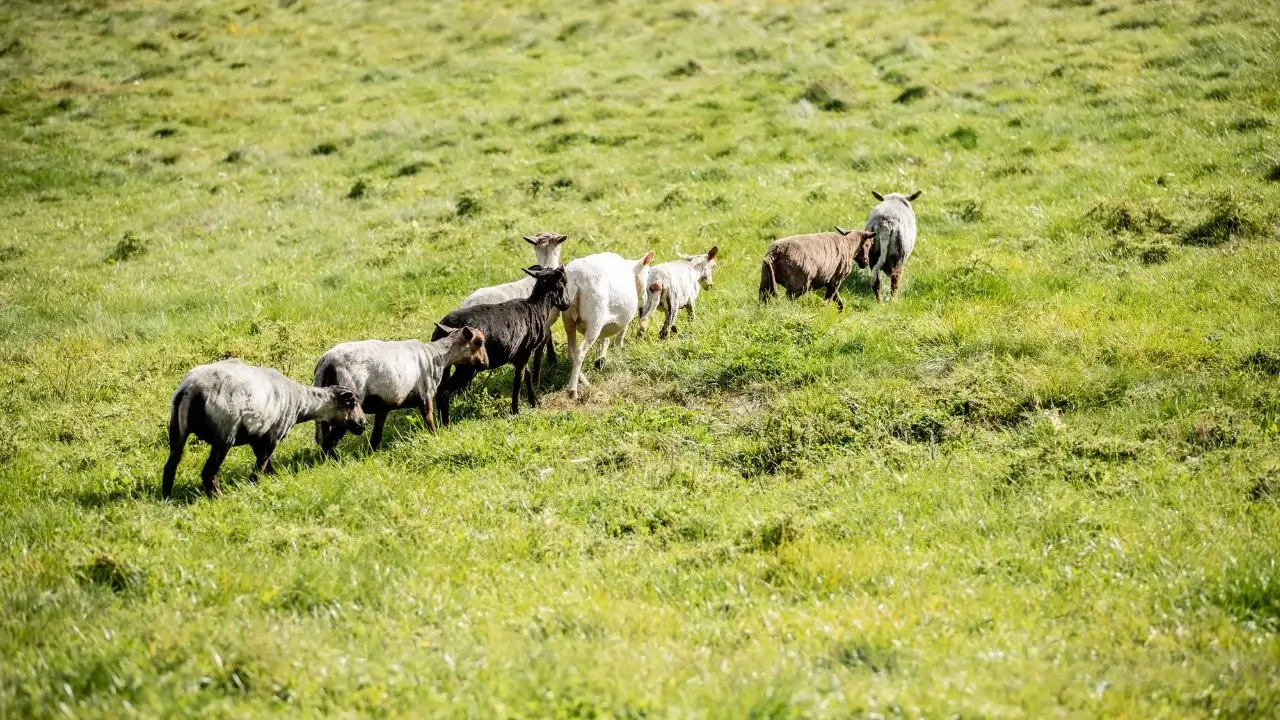
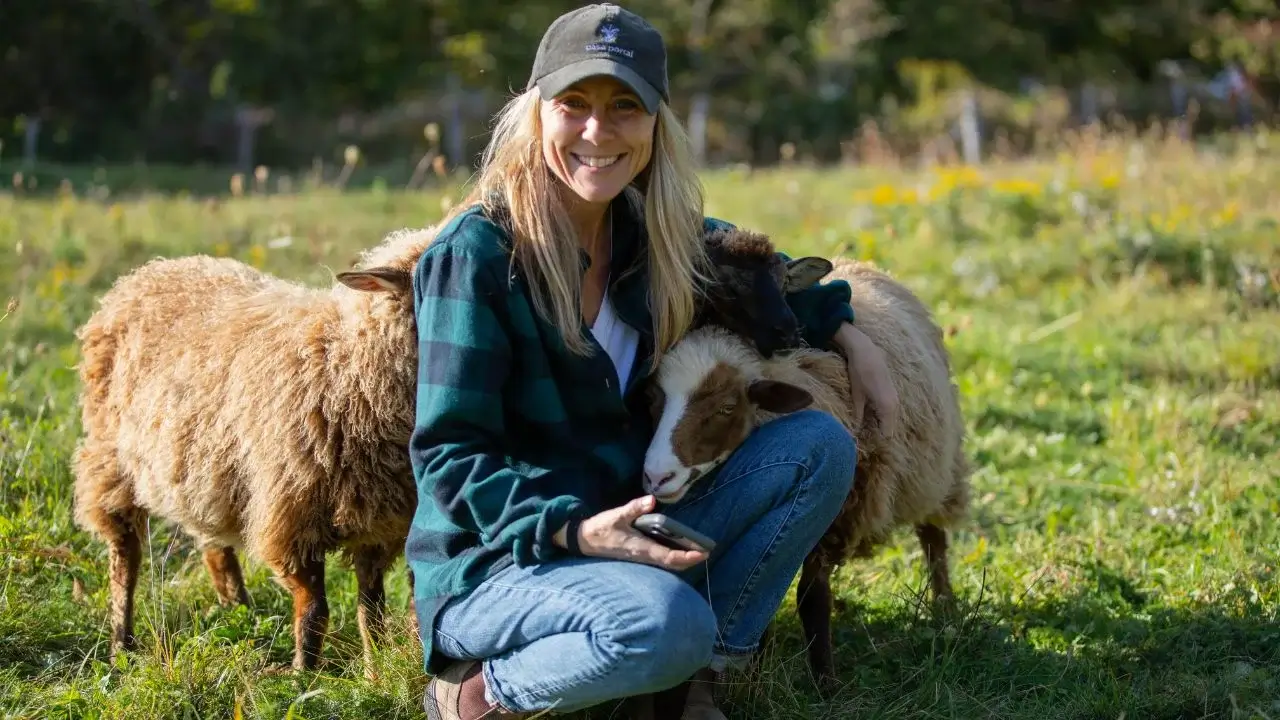
In the rolling, verdant hills of Maine, where the pace of life often mirrors the changing of the seasons, Melissa Schneider is redefining the concept of land stewardship. Leaving behind the frenetic, output-driven pulse of Los Angeles, Schneider has anchored her life at Casa Portal, a farm that serves as both a sanctuary and a laboratory for regenerative agriculture. At the center of this transformation is a resilient, heritage flock of Navajo-Churro sheep—a breed with a history as complex and storied as the land itself.
For Schneider, shepherding is not merely a profession; it is an exercise in listening. By moving away from industrial, extractive farming models, she has embraced a "quiet rebellion" that prioritizes the health of the soil, the integrity of the ecosystem, and the preservation of cultural heritage. As the agricultural world increasingly looks toward 2026—the United Nations’ designated "Year of the Female Farmer"—Schneider’s work offers a compelling blueprint for how small-scale, intentional farming can heal both the land and the human spirit.
A Chronology of Care: From the Southwest to the Northeast
The story of the Navajo-Churro sheep at Casa Portal is one of survival against the odds. Historically integral to the Diné (Navajo) people of the American Southwest, these sheep were pushed to the brink of extinction during the 19th and early 20th centuries, with populations dwindling to only a few hundred individuals by the 1970s.
Their arrival in Maine, however, began as an act of dedicated preservation. Over two decades ago, a group of visionary shepherds—long before Schneider’s arrival—began the work of bringing the breed to the Northeast. The foundation of the current flock was a single, robust Navajo-Churro ram sourced from the Southwest, which served as the genetic anchor for a breeding program that has since adapted to the unique, variable climate of Maine.
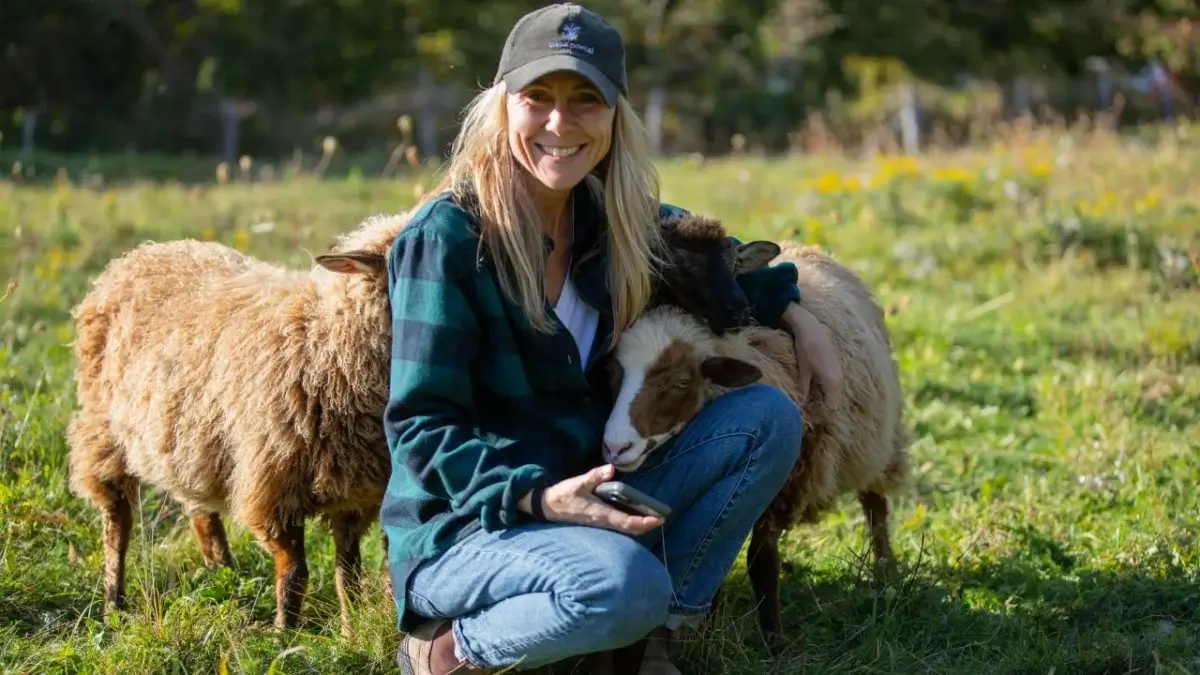
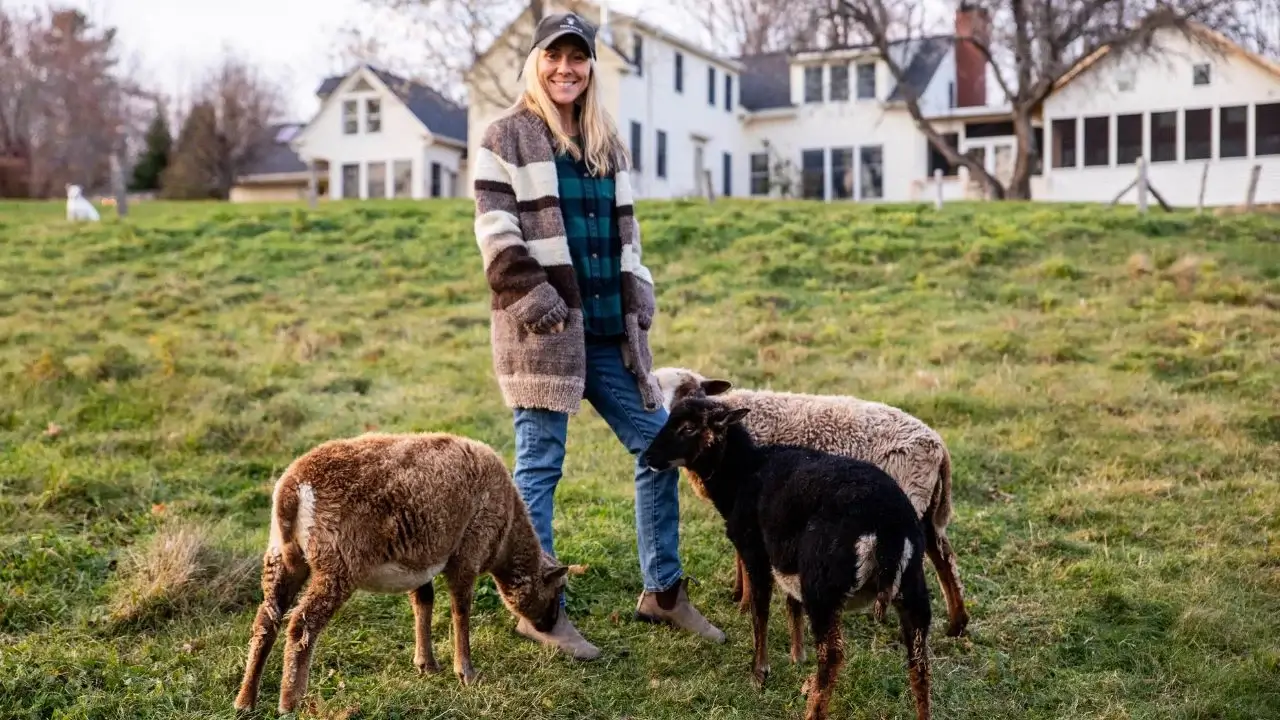
When Schneider assumed stewardship of the land—formerly known as Rolling Meadows Farm—she did not attempt to reinvent the operation. Instead, she chose to deepen the legacy of her predecessors. She renamed the property Casa Portal, symbolizing her view of the farm as a gateway into a more deliberate, connected way of existence. Under her management, the flock remains a "closed" system, ensuring the purity and resilience of the breed are maintained through careful, selective breeding that honors the traditional stewardship practices established by the Diné.
The Regenerative Engine: Why Navajo-Churros Matter
The efficacy of Casa Portal’s regenerative model rests on the symbiotic relationship between the sheep and the earth. Unlike industrial livestock operations that rely on heavy inputs and artificial soil management, Schneider’s approach mimics natural ecological processes.
Supporting Data and Ecological Mechanics
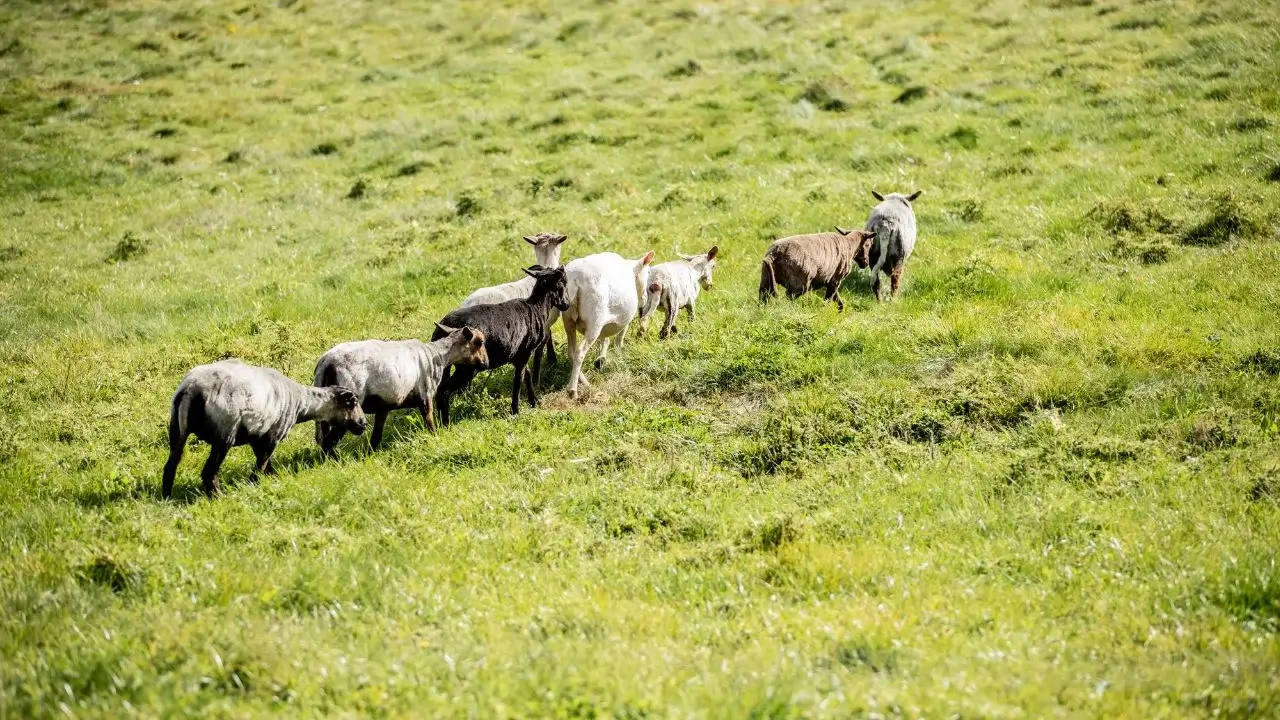
The sheep at Casa Portal act as "nature’s multi-taskers." Through their grazing patterns, they provide essential services to the 100-acre property:
- Nutrient Cycling: By grazing across three distinct, open pastures, the flock distributes nutrients naturally, reducing the need for synthetic fertilizers.
- Soil Aeration: Their movement across the landscape helps press seeds into the soil and break up thatch, fostering diverse plant growth.
- Biodiversity: Selective foraging habits prevent the dominance of single plant species, encouraging a varied, resilient meadow ecosystem.
- Resilience to Inputs: As a heritage breed, Navajo-Churros are uniquely adapted to thrive without the intensive health interventions required by commercial sheep breeds. They possess a natural hardiness that allows them to flourish in the harsh Maine winters and humid summers alike.
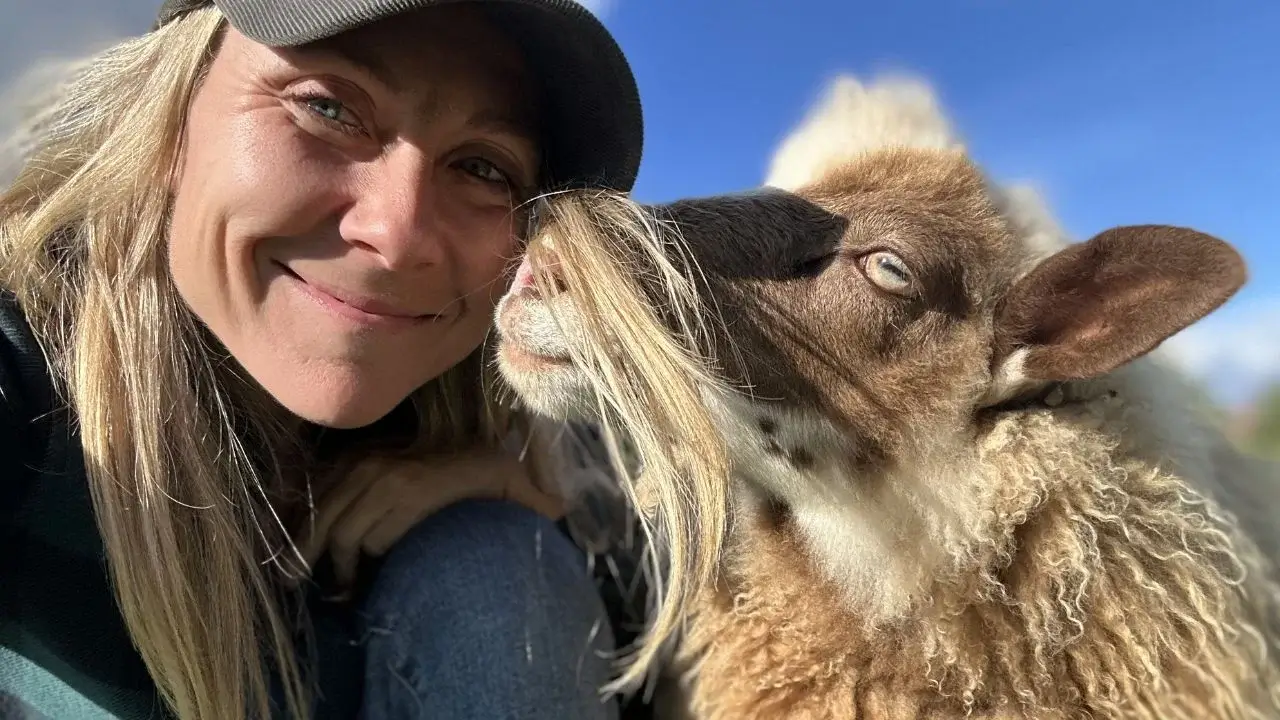
"They don’t need the land reshaped around them," Schneider explains. "They integrate into it." This distinction is the bedrock of regenerative farming: working with the land’s existing capacity rather than forcing it to conform to a factory-farm paradigm.
Official Perspectives: The Rise of the Female Shepherd
The designation of 2026 as the "Year of the Female Farmer" by the United Nations has brought international attention to a shift that has been occurring in rural spaces for years. Schneider views this not as a novel trend, but as a long-overdue recognition of the relational, care-based approach that many women bring to agriculture.
"Shepherding is deeply relational," Schneider notes. "It requires observation, patience, and a kind of embodied awareness. You’re reading animals, weather, and landscape throughout the day." This perspective challenges the traditional, patriarchal view of farming as a contest of "man versus nature" or a pursuit of maximum industrial output.
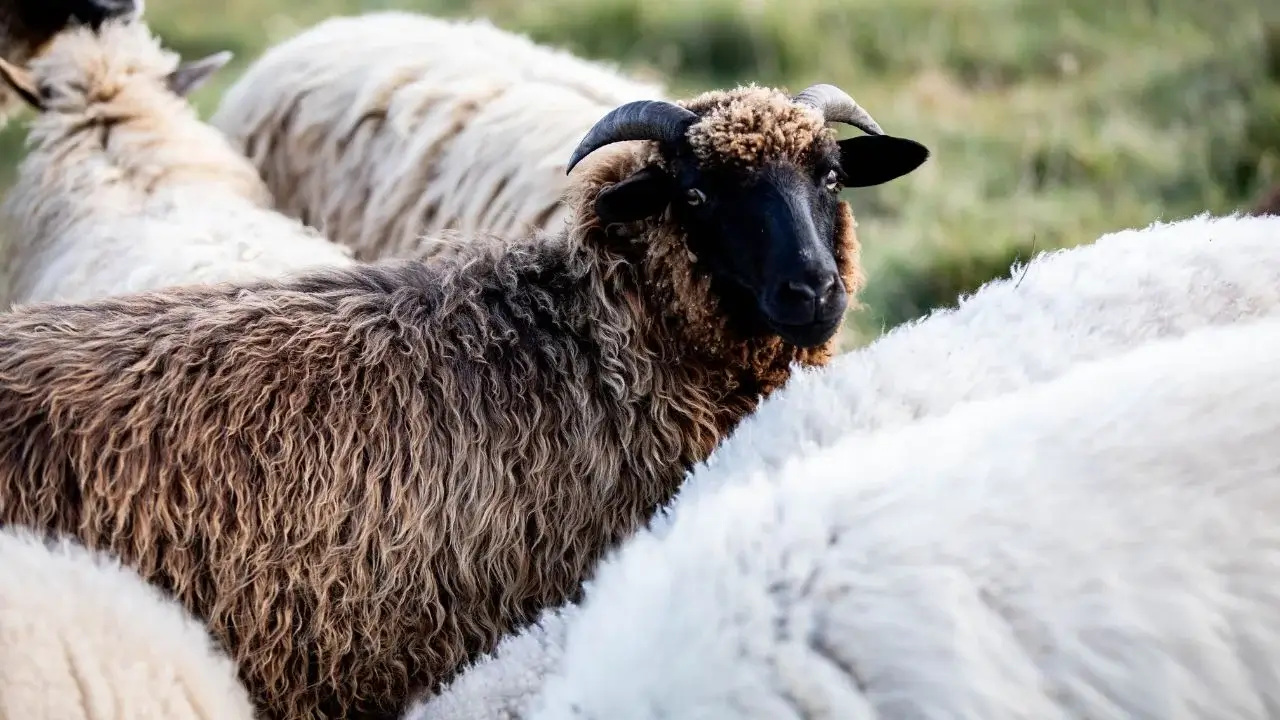
In the context of the Navajo-Churro breed, the connection is even more profound. Historically, the care of these sheep and the art of weaving their wool have been central to the matriarchal structures of Diné communities. By continuing this tradition in Maine, Schneider is participating in a global movement of women who are centering sustainability, community, and ecological health as the primary metrics of agricultural success.
Implications for the Future of Small-Scale Farming
The implications of Casa Portal’s model extend far beyond the borders of a single farm in Maine. As the global agricultural system faces the dual threats of climate change and soil degradation, the "quiet rebellion" of small-scale, regenerative farming offers a pathway toward systemic resilience.
Lowering the Barrier to Entry
One of the most significant challenges for the next generation of farmers is the high barrier to entry. Schneider argues that small-scale, regenerative operations actually provide a more accessible entry point for beginners. "You’re not managing from a distance," she says. "You know your animals, you see what they’re doing, and you can adjust in real time."
Through digital platforms and community knowledge-sharing, new farmers can now access centuries of ancestral wisdom combined with modern troubleshooting techniques. This blend of old and new allows for a learning curve that, while steep, is fueled by direct experience rather than abstract, corporate-led systems.
A Holistic Business Model
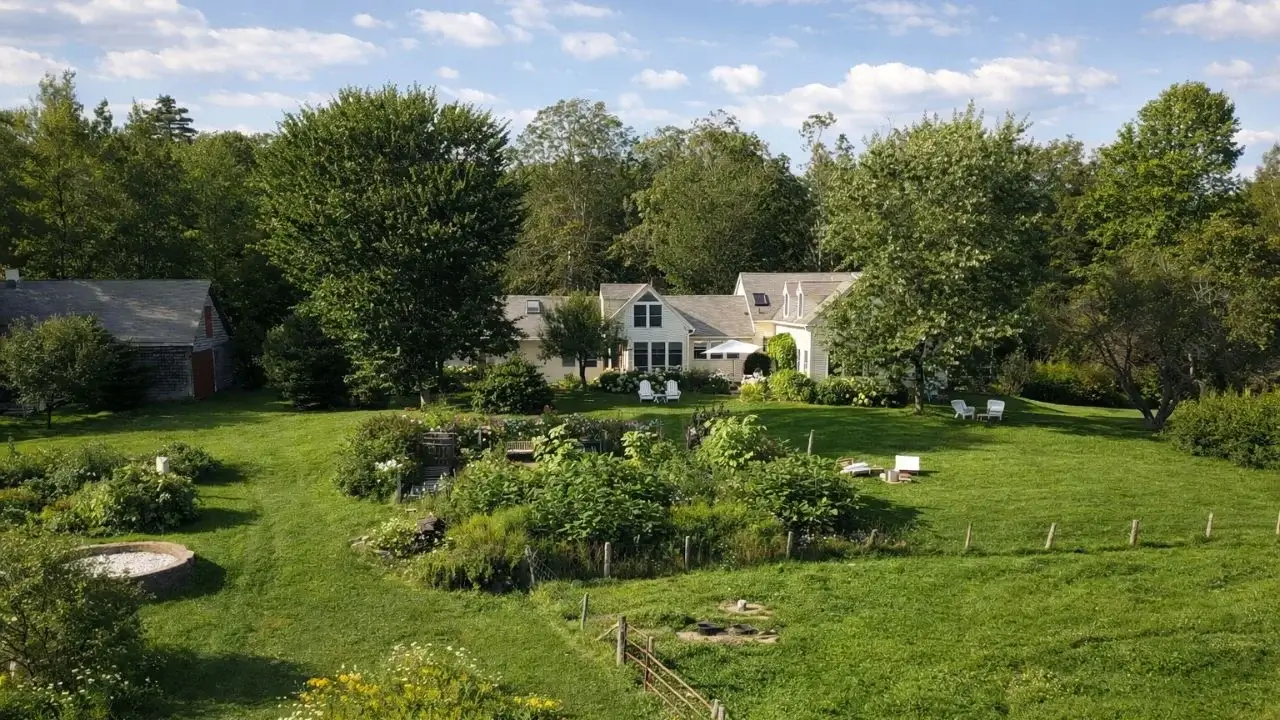
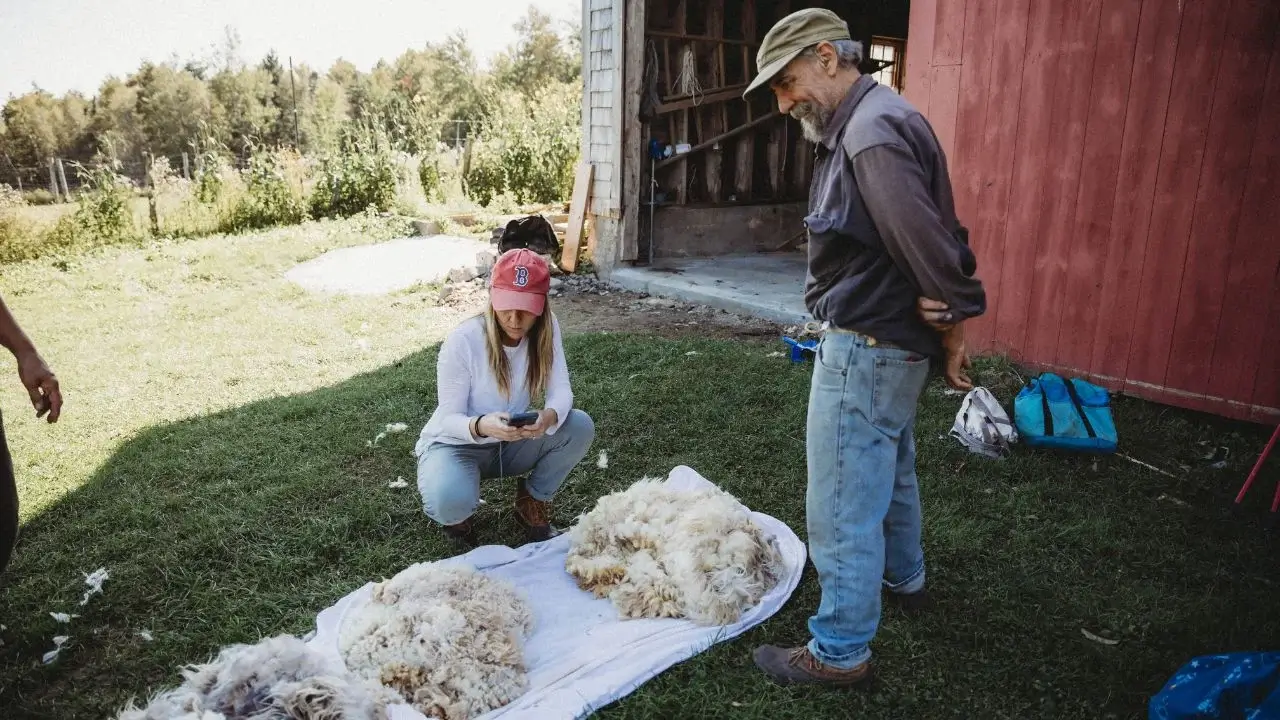
Casa Portal is expanding its impact by integrating the farm into the local economy through hospitality and education. By renovating the barn for fiber arts workshops and expanding farmstay opportunities, Schneider is creating a "full-cycle" operation. Visitors are not merely observers; they are participants in the process, gaining hands-on experience with wool processing, land management, and sustainable living.
This expansion demonstrates that small farms can be financially viable without compromising their ecological ethics. By diversifying the farm’s output—from livestock to fiber products to educational experiences—Schneider ensures the survival of the herd while simultaneously educating the public on the importance of local, regenerative food and fiber systems.
Conclusion: Entering the Portal
The future of Casa Portal is one of intentional, measured growth. With plans to open new pastures to further the restoration of the 100-acre property, and the upcoming launch of small-batch yarn and rug collections, Schneider is proving that agriculture can be a restorative act.
As we look toward a future where agriculture must work in tandem with the climate rather than in opposition to it, the lessons from Casa Portal are clear. We must shift our focus from extraction to generation. We must value the intelligence of heritage breeds that have survived against all odds. And most importantly, we must recognize that the most significant innovations in farming often come from the quietest places—from the shepherds who take the time to listen to the land and the animals they tend.
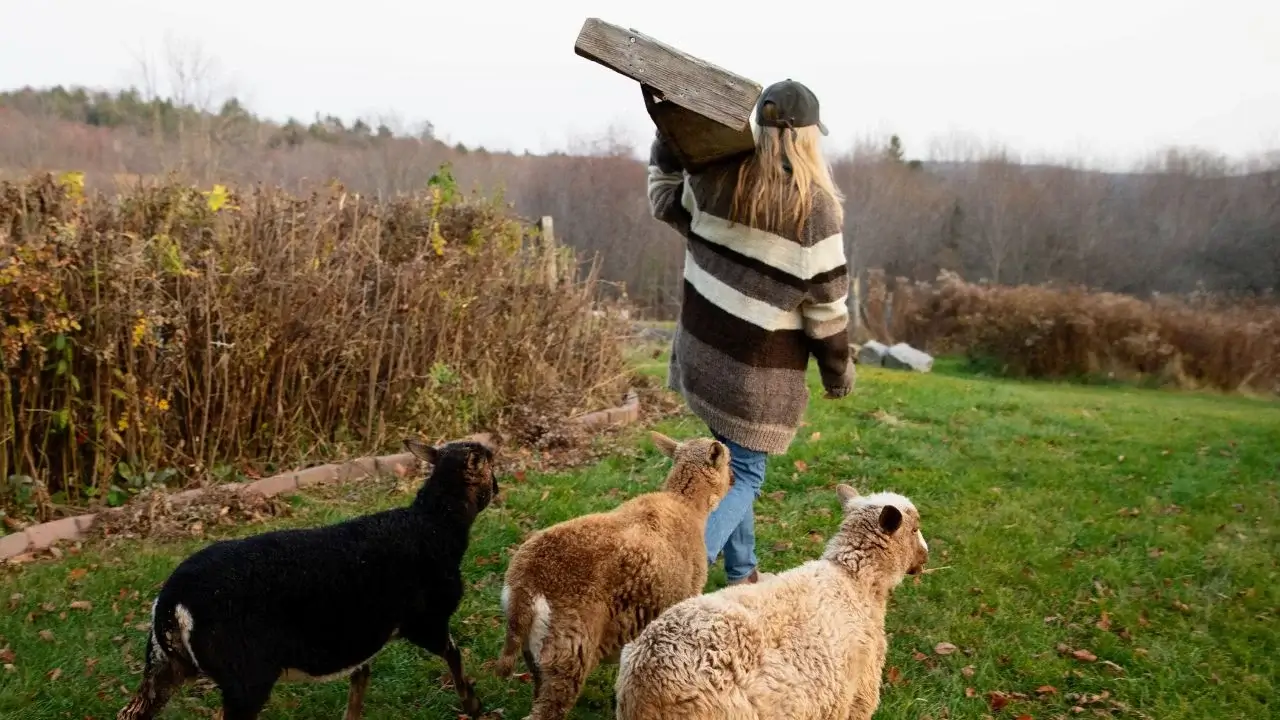
Melissa Schneider’s journey is a reminder that we all hold the potential to step into a different relationship with the earth. Whether through supporting heritage breeds, investing in local wool, or simply choosing to slow down and observe the patterns of the natural world, the path to regeneration starts with the small, deliberate choices we make every day. In the end, the "portal" is open; we need only decide to walk through it.


 Lina Irawan