

 Lina Irawan
 Lina Hope
 Rifan Muazin
 Neng Nana
 Jia Lissa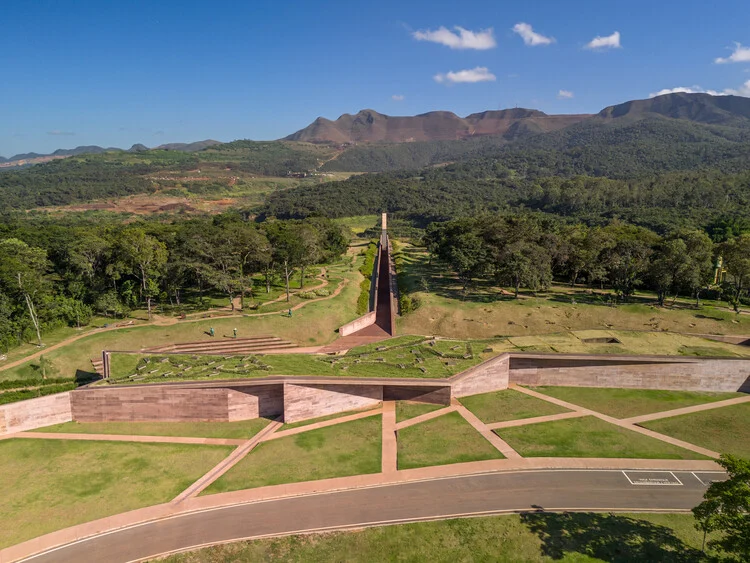
On January 25, 2019, the world watched in horror as the Córrego do Feijão dam in Brumadinho, Minas Gerais, collapsed. The ensuing sea of toxic iron ore tailings claimed 272 lives, forever scarring the landscape and the collective consciousness of Brazil. Years later, in an effort to transform a site of industrial tragedy into a space of sacred remembrance, the Brumadinho Memorial—designed by the renowned firm Gustavo Penna Arquiteto e Associados (GPAA)—has emerged. It stands not merely as a structure, but as an act of resistance against forgetting, co-created with the families of the victims to serve as a beacon of mourning, reflection, and social consciousness.
The Genesis of the Memorial: A Collaborative Process
The project is fundamentally rooted in the mobilization of the Association of Families of Victims and Affected People of the Brumadinho Dam Collapse (AVABRUM). Unlike traditional architectural commissions that often emerge from top-down administrative mandates, the Brumadinho Memorial was birthed from the bottom up.
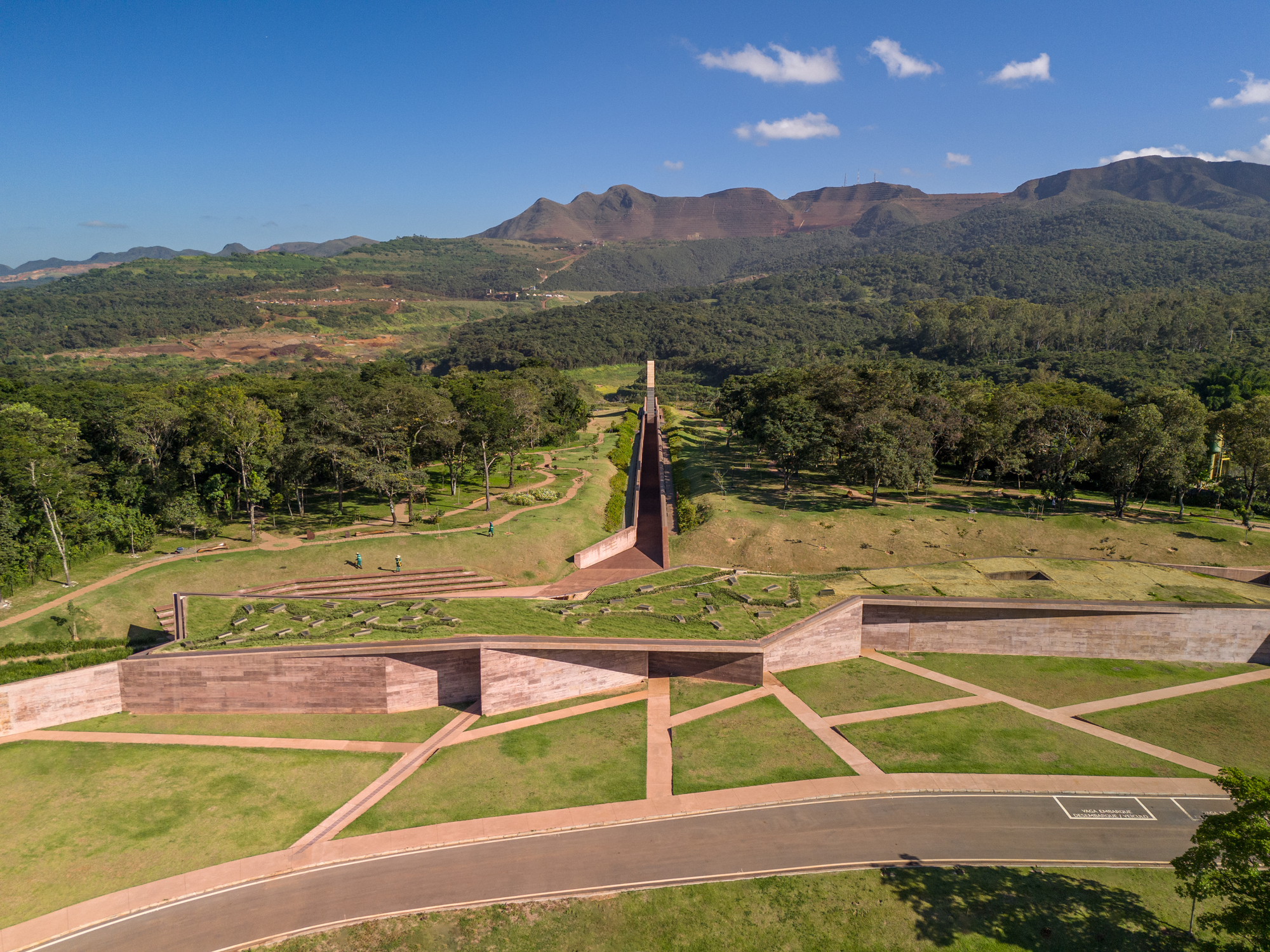
Gustavo Penna’s firm recognized early on that the architecture could not simply be an aesthetic exercise; it had to be an emotional container. The design process was an iterative dialogue between architects and the bereaved, ensuring that the space would honor the personal histories of the 272 individuals lost. By embedding the families’ voices into the design, GPAA created a "living monument" that respects the sanctity of the land while providing a physical manifestation of the community’s resilience.
Architectural Philosophy: Harmonizing with the Scarred Landscape
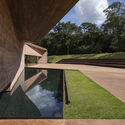
The architecture of the memorial is defined by its restraint and its profound relationship with the surrounding topography. Eschewing grandiosity, the structure integrates into the terrain, acting as a bridge between the trauma of the past and the healing of the future.
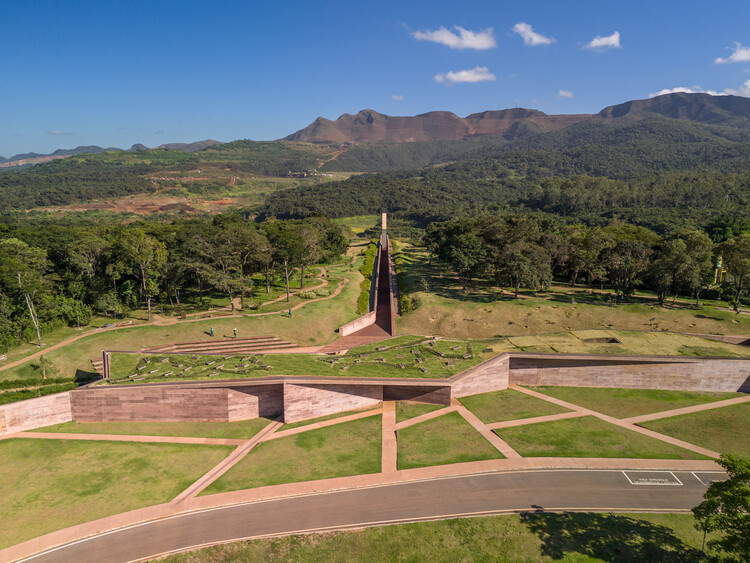
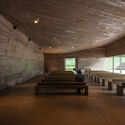
The use of materials—warm woods, exposed concrete, and carefully calibrated lighting—creates an environment that feels both grounded and ethereal. The design utilizes open-air corridors and contemplative zones, allowing the environment to dictate the pace of the visitor’s journey. It is a space of silence, intended to foster introspection, where the shadow of the disaster is met with the light of memory. The choice of location—at the very site of the collapse—is deliberate, transforming a place of industrial negligence into a sanctuary that demands human accountability and reflection.
Chronology of a Tragedy and Its Memorialization
To understand the significance of the memorial, one must trace the timeline of events that preceded its construction:
- January 25, 2019: The dam at the Córrego do Feijão mine collapses, releasing approximately 12 million cubic meters of iron ore tailings.
- 2019–2020: Immediate search and rescue efforts transition into a long-term recovery phase. Families of the victims form AVABRUM to advocate for justice and a permanent memorial.
- 2021: Plans for the memorial begin to take shape as a collaborative effort between the local community and architectural experts.
- 2022–2025: Construction takes place, characterized by meticulous site planning to ensure the memorial respects the resting place of those who were never recovered and the memory of all victims.
- October 2026: The project reaches completion and is inaugurated as a permanent, public site of remembrance.
Supporting Data and Technical Nuances
The Brumadinho Memorial covers an extensive area designed to accommodate both large gatherings for commemorative events and small, intimate moments of private prayer. The design team prioritized "environmental storytelling," where the architecture itself guides the visitor through the history of the dam, the tragedy, and the ongoing quest for justice.
Key technical features include:

- Materiality: The selection of high-durability, locally sourced materials reflects a commitment to sustainability and integration with the Minas Gerais landscape.
- Accessibility: The site is fully accessible, ensuring that elderly survivors and families of all backgrounds can traverse the memorial.
- Acoustic Control: The structure is engineered to dampen exterior noise, creating a "hush" that encourages silence, which is central to the grieving process.
- Educational Integration: The memorial includes a dedicated wing for documenting the history of the tragedy, serving as a repository for evidence, testimonies, and the legal battle for accountability.
Official Responses and the Role of Justice
The construction of the memorial is inextricably linked to the legal and social fallout of the dam failure. Official bodies, including the Public Prosecutor’s Office of Minas Gerais, have recognized the memorial as a critical component of the "reparations" process. While the financial settlements provided to families are a matter of legal record, the memorial serves as a form of "symbolic reparation."
Government officials and corporate representatives involved in the settlement process have described the memorial as a "necessary moral imperative." However, for many family members, the memorial represents more than a corporate obligation; it is a permanent mark on the map that prevents the company—and the nation—from sweeping the reality of the disaster under the rug. By maintaining this physical space, the families ensure that the lessons of Brumadinho remain a permanent part of the public discourse.
The Implications: Architecture as a Tool for Social Change
The Brumadinho Memorial challenges the role of contemporary architecture in the wake of disasters. It suggests that architects have a duty that transcends aesthetics: to act as mediators between tragedy and society.
A Space of Resistance
The term "resistance against forgetting" is central to the project. In an age where digital information is fleeting and public attention spans are short, the memorial acts as an anchor. It forces the visitor to stop, to breathe, and to consider the human cost of industrial greed. It stands as a testament to the fact that when communities are united by tragedy, they can leverage design to reclaim their narrative.
Influence on Future Memorials
The success of the GPAA project is likely to influence how future disasters—both environmental and man-made—are memorialized. The shift from "monument-making" to "space-making" is the project’s most significant contribution. By involving the victims at every stage, the architects have set a new standard for participatory design in sensitive contexts.
Conclusion: A Legacy Carved in Stone
As we reflect on the significance of the Brumadinho Memorial, it is clear that its power lies in its humility. It does not attempt to "fix" the tragedy, for no architecture can undo the loss of 272 lives. Instead, it provides a frame through which we can witness the ongoing process of grief and the enduring power of community.
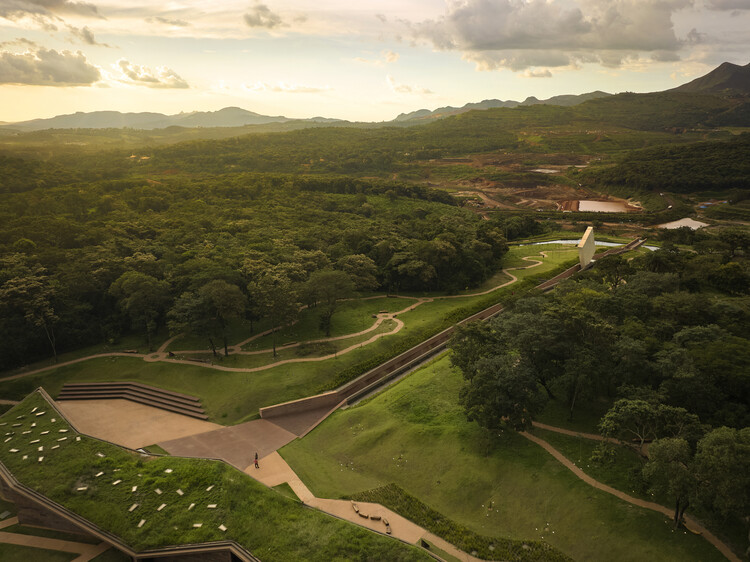
Gustavo Penna and his team, through their collaboration with the families of AVABRUM, have crafted a landscape that is both a graveyard and a garden, a site of sorrow and a space for renewal. As the years pass, the trees around the memorial will grow, and the structures will weather, but the message will remain: that in the face of absolute devastation, humanity’s greatest strength is the refusal to look away.
The Brumadinho Memorial is, ultimately, a mirror held up to society. It asks us to look at the landscape of our own industrial progress and realize that we are responsible for the lives we build upon, and the memories we choose to honor. It is a quiet, dignified, and essential contribution to the history of Brazil—a place where the wind through the trees and the stillness of the stone speak louder than any words.


 Suro Senen
