

 Lina Irawan
 Lina Hope
 Rifan Muazin
 Neng Nana
 Jia Lissa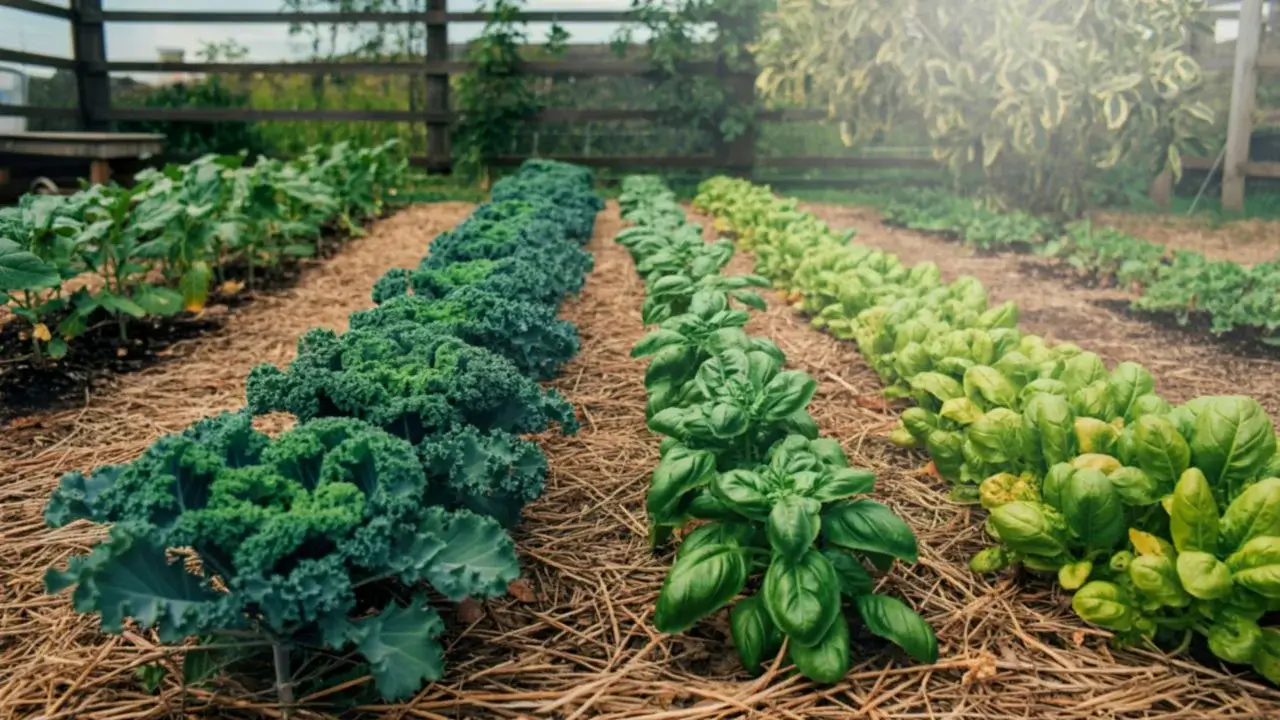
For the modern small-scale farmer, the difference between a seasonal hobby and a viable, revenue-generating enterprise often comes down to the efficiency of land utilization. While many growers focus on the spring rush of planting, the most successful operations are those that view the growing season not as a singular event, but as a continuous, rolling cycle of production. This practice—known as succession sowing—is the strategic art of staggering plantings to ensure a steady stream of produce from the first thaw to the final frost.
By moving away from "all-at-once" planting, farmers can significantly increase their total harvest, reduce post-harvest waste, and maintain a consistent presence at local markets. Whether you are managing a quarter-acre market garden or a diversified small farm, mastering the timing and methodology of succession sowing is perhaps the most effective way to optimize your bottom line.
The Core Philosophy: Why Succession Matters
At its most fundamental level, succession sowing is about risk management and revenue optimization. If a farmer plants an entire field of lettuce in April, they are hit with a "harvest glut"—a massive surplus that must be sold, donated, or composted within a two-week window. This creates logistical nightmares and often results in significant food waste.

By contrast, dividing that same field into four staggered plantings ensures that the harvest is distributed over two months. This allows the farmer to supply loyal customers and restaurant accounts consistently, which builds brand reliability and stabilizes income. Furthermore, succession sowing acts as an insurance policy; if an early-season pest outbreak or an unseasonable frost destroys one cohort, the subsequent plantings remain unaffected, protecting the season’s overall yield.
Chronology of the Season: Planning for Continuity
Succession sowing is not a haphazard endeavor; it requires a rigorous, data-driven approach to the calendar. Before a single seed is sown, the farmer must map out the "Days to Maturity" (DTM) for every crop in their rotation.
Phase 1: Early Season (The Foundation)
The season begins with cold-hardy, fast-maturing crops. Radishes, arugula, and baby spinach are the workhorses of the early season. By sowing these at 10-to-14-day intervals starting as soon as the soil can be worked, farmers ensure they have a marketable product while the rest of the field is still waking up.

Phase 2: Mid-Season (The Transition)
As temperatures rise, the focus shifts to heat-loving crops. This is when the "same-crop-at-intervals" method is applied to beans, cucumbers, and summer squash. A common mistake here is over-planting; farmers should use their historical yield data to estimate exactly how much of each crop their customer base can consume before the next cycle matures.
Phase 3: Late Season (The Extension)
To keep the revenue flowing into the autumn, farmers should look toward "season extension." By utilizing low tunnels, cold frames, or row covers, growers can plant heat-sensitive crops in late August for a September or October harvest. This effectively stretches the growing season by four to six weeks, often allowing farmers to capitalize on higher market prices when produce is scarce elsewhere.
Four Proven Methods of Succession Sowing
1. Interval Sowing (Same Crop, Staggered Timing)
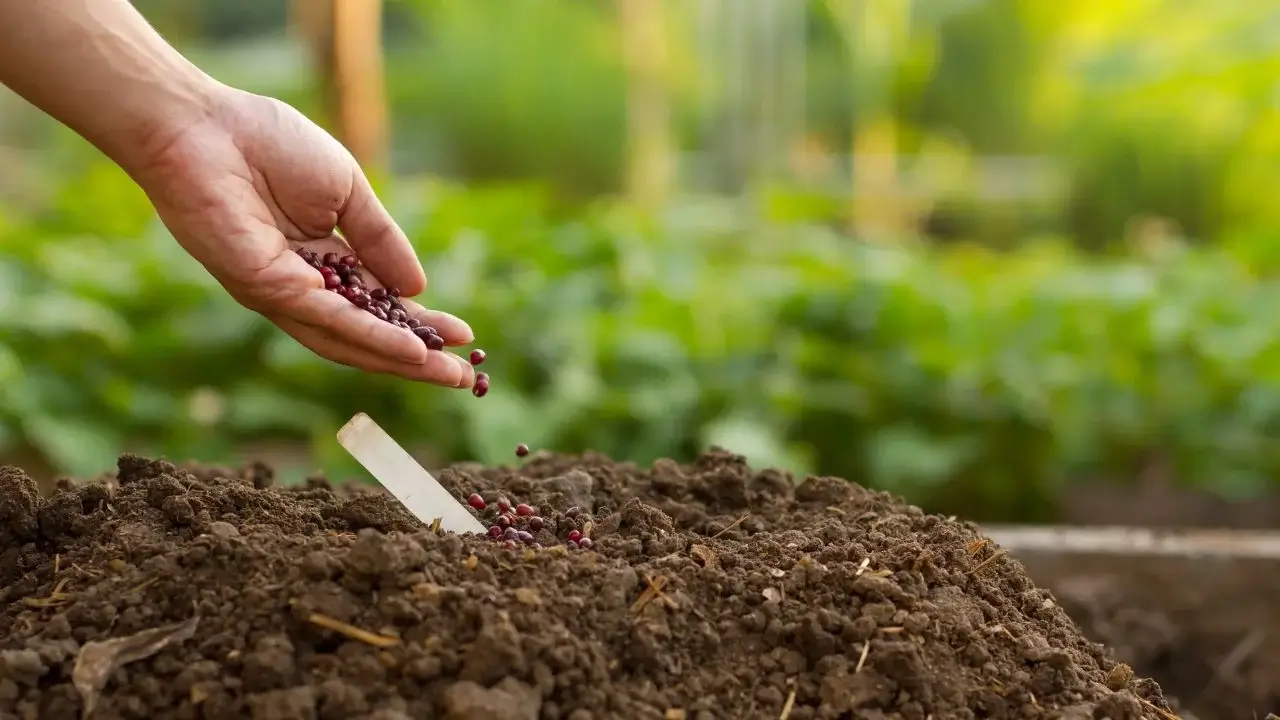
This is the most common entry point for beginners. It involves sowing the same crop at fixed intervals. For instance, planting a row of carrots every two weeks ensures a constant supply of baby and bunching carrots. To be successful, farmers must leave vacant space designated for these future sowings or plan to rotate them into beds as early crops are cleared.
2. Crop Rotation and Replacement (Different Crops, Same Space)
This method views the soil as a dynamic resource. Once a crop reaches its peak and begins to decline, it is pulled, the soil is amended with compost, and a new crop is immediately planted. For example, a heavy-feeding crop like cabbage can be followed by a nitrogen-fixing legume like bush beans. This keeps the land in constant production while naturally replenishing soil health.
3. Intercropping (Cooperative Timing)
Intercropping requires a sophisticated understanding of plant behavior. By planting a fast-growing crop (like lettuce) between the rows of a slower-growing, taller crop (like tomatoes), the farmer harvests the lettuce long before the tomatoes reach their full size and canopy density. This maximizes every square inch of the bed and provides natural shade for sensitive greens.
4. Varietal Succession (Different Strains, Same Species)
Not all tomatoes or potatoes are created equal. By selecting varieties with different maturity dates—early, mid, and late-season—a farmer can grow the same vegetable for months. For example, planting an early-maturing "determinate" tomato alongside a late-maturing "indeterminate" heirloom ensures that the farm offers a continuous supply of tomatoes without requiring a complex, week-by-week sowing schedule.

Supporting Data: Efficiency and Soil Health
Recent agricultural studies underscore that intensive, succession-based systems often produce 30% to 50% more revenue per square foot than traditional monocropping. The data is clear: the shorter the "fallow" time (the time a bed sits empty), the higher the farm’s total productivity.
However, this intensity places a high demand on the soil. To prevent depletion, succession sowing must be paired with aggressive soil management. Incorporating cover crops, such as vetch or clover, into the succession schedule—even if only for a two-week window between plantings—can significantly improve soil structure and organic matter content.
Official Perspectives: The Expert View
Leading agronomists and successful small-scale farmers emphasize that succession sowing is as much about "crop intelligence" as it is about physical labor.
"The most important tool in a farmer’s shed isn’t a tractor or a tiller—it’s a spreadsheet," says one regional extension agent. "You need to know your frost dates, your DTMs, and your market demand. If you’re just throwing seeds in the ground without a plan, you aren’t farming; you’re gambling."
Successful growers frequently cite the "80/20 rule": 80% of your revenue will likely come from 20% of your crops. By focusing succession efforts on those high-value, high-demand crops, farmers can maximize their profit margins while reducing the labor spent on low-yield varieties.
Implications: The Path to Resilient Farming
The implications of adopting a rigorous succession sowing program are profound. Beyond the obvious increase in revenue, it forces the farmer to become a better observer of their land. It encourages a deeper understanding of micro-climates, soil nutrient cycles, and pest life cycles.

Furthermore, it creates a more resilient food system. As climate patterns become increasingly erratic, the ability to pivot and replant quickly becomes a critical survival skill. If a heatwave ruins a mid-summer planting of brassicas, the farmer who has a succession plan already in motion can pivot to heat-tolerant alternatives, ensuring the farm remains viable.
Conclusion: Starting Your Journey
For those looking to implement these strategies, start small. Choose one crop—perhaps radishes or lettuce—and commit to sowing a new row every 10 days for one full season. Keep a journal of what worked, what failed, and how the market responded.
As you grow more comfortable with the rhythms of the seasons, you can begin to add complexity, integrating intercropping and varietal successions. Remember: the goal is not to work harder, but to work smarter. By aligning your planting schedule with the natural cycles of your environment, you create a farm that is not just more productive, but more sustainable for years to come.


