 Dwi Wanna
 Nana Wu
 Muslim
 Reynand Wu
 Ammar Sabilarrohman
The global beverage industry is rarely a static landscape, but this past week proved particularly dynamic. From the hallowed halls of London’s art galleries to the historic Port lodges of Portugal and the high-stakes stage of international entrepreneurship in Monaco, the industry has been defined by a convergence of cultural prestige and commercial ambition. As we navigate the mid-point of 2026, the sector is demonstrating a remarkable ability to bridge the gap between ancestral tradition and modern-day innovation.
The Visual Language of Viticulture: World Food Photography Awards
The intersection of art and viticulture took center stage in London this week as the World Food Photography Awards—proudly sponsored by Tenderstem Bimi Broccolini—revealed its latest cohort of victors. The competition, which has become a vital platform for showcasing the narratives behind the world’s most iconic drinks and culinary traditions, saw notable engagement from industry titans, including Champagne Taittinger.
Honoring the Craft
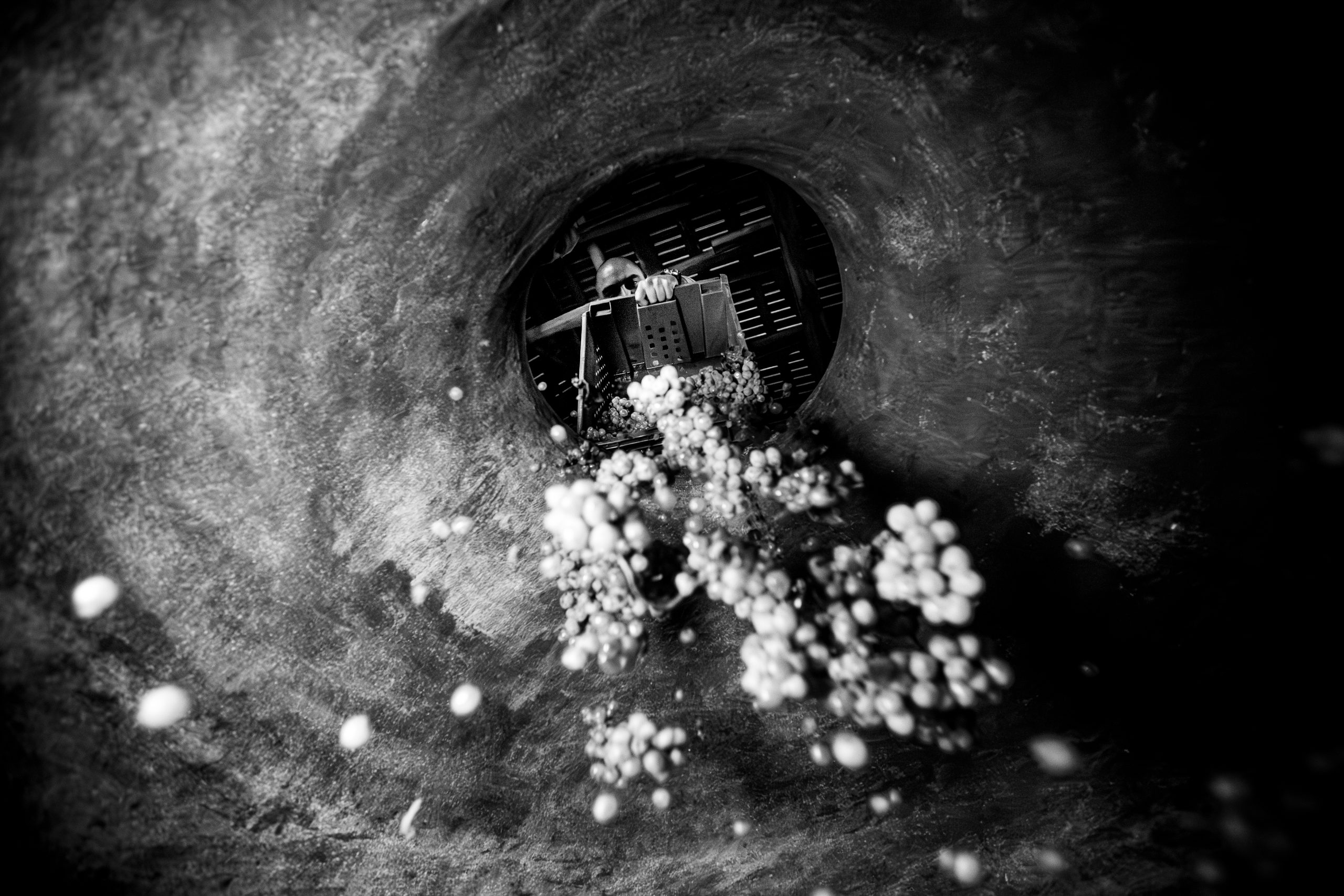
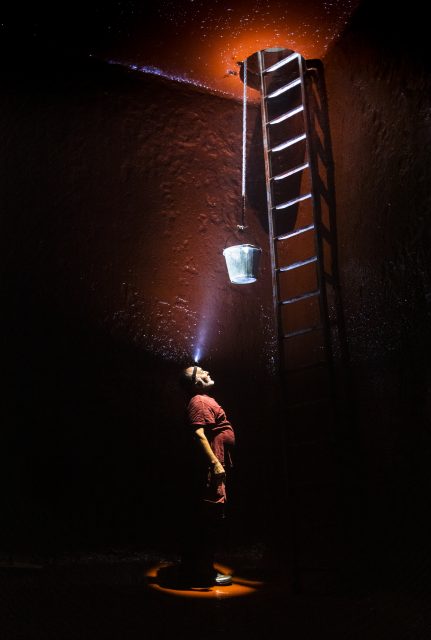
The "Wine Photographer of the Year" category, a highly anticipated segment of the awards, saw Spanish lensman Juan Miguel Ortuño Martinez take the top honor. His winning entry, In the Depths of the Deposit, captured the intense, often unseen physical labor of the winemaking process, earning him the overall winner title. Other highlights included Luke Carver’s In the Eye of the Kvevri, a masterclass in texture and atmosphere captured during the Georgian harvest, and Chris Elfes’s striking aerial perspective of Australia’s Hunter Valley.
Beyond wine, the awards celebrated the human element of consumption. Chinese photographer Pingyao Song was awarded the "Food for Celebration" prize for a vivid, communal scene at a Chinese food festival, while British photographer Emma Stoner brought a touch of levity to the proceedings with her "Wedding Food Photographer" winning shot—a candid, joyful moment featuring twin bridesmaids sharing crisps. The exhibition of these 203 finalists at the Mall Galleries offers a compelling visual testament to how deeply ingrained food and wine are in the human experience.
Two Decades of Precision: The Gusbourne "Ten Years On" Retrospective
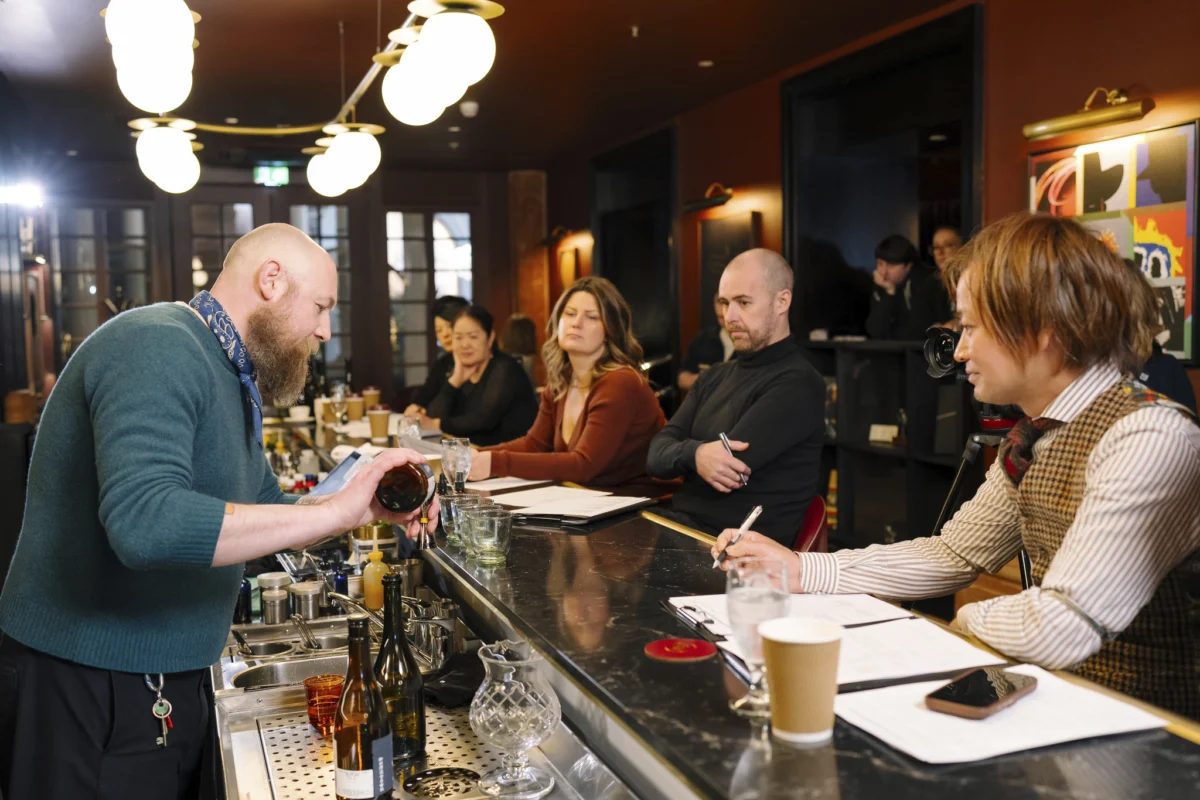
In the heart of London’s private member’s club scene, 67 Pall Mall played host to a pivotal retrospective for the Kent-based producer, Gusbourne. To mark the estate’s 20th anniversary, Global Brand Ambassador Laura Rhys and Head of Wine Operations AJ Benham led a masterclass entitled "Ten Years On," juxtaposing 2016 vintage releases against their current counterparts.
Evolution vs. Consistency
The tasting served as a fascinating case study in English sparkling wine’s coming of age. Benham noted that the last decade for Gusbourne has been defined by "tweaks around the edges" rather than radical reinvention, suggesting that the estate’s foundational philosophy remains robust.
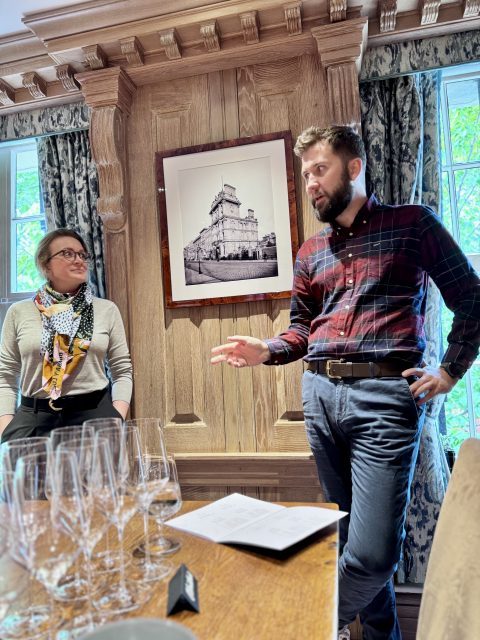
The 2016 vintage—noted for its excellent balance of fruit ripeness and acidity—was the star of the show. The Guinevere Chardonnay, with its distinctive mineral backbone and tangerine notes, showcased the site-specific precision of the Kent terroir. Perhaps most telling was the performance of the Fifty One Degrees North, the estate’s prestige cuvée. The comparison between bottle and magnum formats highlighted the wine’s developmental potential, proving that these English sparklers are not merely "ready to drink" but possess a long, graceful trajectory of maturation ahead of them.
Royal Diplomacy and Sustainable Viticulture in the Douro
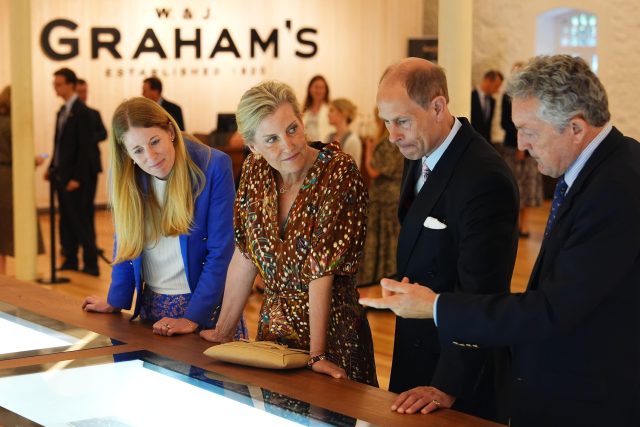
The prestige of the wine world was elevated further this week as the Duke and Duchess of Edinburgh undertook an official visit to Portugal, with a significant stop at the Symington Family Estates’ Graham’s Lodge in Vila Nova de Gaia.
A Focus on Sustainability
The visit was more than a ceremonial engagement; it served as a platform for discussing the future of the Douro Valley. The Symington family, known for their stewardship of historic Port houses, briefed the Royal couple on their multifaceted sustainability initiatives. Joint MD Rupert Symington emphasized the critical need for biodiversity protection, carbon emission reduction, and the continued support of the local Douro communities. By highlighting the enduring, centuries-old trade relationship between the United Kingdom and Portugal, the visit underscored the role of heritage brands in driving modern environmental policy within the agricultural sector.
Global Ambition: The Guilisasti Family at the EY World Entrepreneur Awards
In the glitzy surroundings of Monaco, the world’s business elite gathered for the EY World Entrepreneur Of The Year 2026. Representing Chile and the wider South American wine industry were Isabel, Eduardo, and Rafael Guilisasti. Following their success as Chile’s Entrepreneurs of the Year 2025, their presence in Monaco served as a powerful reminder of the global influence of Chilean viticulture.

For the Guilisastis, the nomination was an opportunity to showcase the resilience and innovation of Chilean wine on a global stage. The event, which hosted over 60 entrepreneurs, provided a crucible for cross-industry idea exchange. Isabel Guilisasti noted that such recognition is vital for elevating the global perception of Chilean wine, shifting the narrative from high-volume production to high-value, sustainable excellence.
The Gran Orden de Caballeros del Vino: Honoring Spanish Excellence
The week concluded on a note of formal celebration at the 41st investiture dinner of the Gran Orden de Caballeros del Vino. Held in London, the event gathered 200 of the UK’s most influential wine trade figures to induct three new members into the Order: Amelia Aragón of Cillar de Silos, the esteemed Galician winemaker Rafael Palacios, and the renowned Josep Roca.

The UK-Spain Nexus
The presence of the Spanish Ambassador to the United Kingdom, Her Excellency Emma Aparici Vázquez de Parga, underscored the strategic importance of this alliance. Spain’s Secretary of State for Trade, Amparo López Senovilla, provided a keynote address that framed the UK as one of the world’s most sophisticated and influential wine markets.
Despite global economic headwinds, Senovilla pointed to the rising value and reputation of Spanish wines as evidence of the sector’s tenacity. The Gran Orden, she argued, acts as a bridge, ensuring that the cultural and commercial ties between the two nations remain as strong as the wines themselves.
Implications for the Future of the Industry
The events of this week highlight several key trends that are shaping the future of the drinks sector:
- The Premiumization of Storytelling: As seen in the World Food Photography Awards and the Gusbourne retrospective, consumers and critics are increasingly focused on the process—the harvest, the labor, and the aging potential. High-quality visual and sensory storytelling is becoming a prerequisite for brand longevity.
- Sustainability as a License to Operate: The Royal visit to Graham’s Lodge demonstrates that environmental stewardship is no longer a peripheral marketing concern; it is a core component of diplomatic and commercial discourse.
- Cross-Border Collaboration: Whether through the Gran Orden’s work in the UK or the Guilisastis’ representation of Chile in Monaco, the industry is increasingly operating in a globalized, highly interconnected environment where trade relationships are forged as much through personal prestige as they are through logistics and export data.
As we look toward the remainder of 2026, the industry remains poised for continued evolution. The success of these events suggests a sector that is increasingly confident, deeply committed to its heritage, and more than capable of adapting to the complexities of the modern global market. Whether it is a glass of vintage sparkling wine in London or the meticulous stewardship of Douro vines, the message remains clear: the drinks industry is as much about the people and the culture behind the bottle as it is about the liquid itself.

 Iffa Jayyana